



Alternative Comics, Sequential visual narrative, photo stories, cave paintings. Little comics everywhere.
“This is the most important painting to come out of Paul Klee‘s trip to Egypt, from mid-December, 1929, to early January, 1930. He visited Luxor, Karnak, Thebes, Aswan, and Cairo. The journey was nearly as great an experience as the earlier one to Tunisia. He must surely have had a fairly clear idea of what he was looking for. It is noteworthy that certain works done long before the journey exhibit similarities to the works inspired by Egypt.”

“The work was painted about six months after his journey. The pictorial ideas were left to mature until the meaning of the incomparable land could be communicated in a way hitherto unknown, until Ka, the land’s very source and substance, had entered into the picture. In this pattern of fields all is order, timeless structure, with a poetic element added – for what could be more poetic than an Egypt born again out of invented means, in twentieth-century creative language?”
I stumbled across this comic book story in an old copy of Heavy Metal magazine I picked up in a sceond hand book shopt in the early nineties. I had never seen anything like it. The mastery of the form, the colours the expressionistic artwork that so fit the purposes of the narrative so well. Here’s some of the early pages in the story that only hint at the glories to come.
Seems like I’m not the only one who has had such an experience with the work.

“You can see the careful consideration and planning that went into every line and color and choice of this intro. This functions like the Abstract of a scientific paper, the dumb show of early theater or the overture of an opera: here is the story in miniature, veiled in symbolism, wordless. All the themes are introduced, the tone is set, the aim established.”


“The Hokusai Manga (北斎漫画, “Hokusai’s Sketches”) is a collection of sketches of various subjects by the Japanese artist Hokusai. Subjects of the sketches include landscapes, flora and fauna, everyday life and the supernatural. The word manga in the title does not refer to the contemporary story-telling manga, as the sketches in the work are not connected to each other. Block-printed in three colours (black, gray and pale flesh), the Manga comprise literally thousands of images in 15 volumes, the first published in 1814, when the artist was 55. The final three volumes were published posthumously, two of them assembled by their publisher from previously unpublished material. The final volume was made up of previously published works, some not even by Hokusai, and is not considered authentic by art historians.”

“The first volume of ‘Manga‘ (Defined by Hokusai as ‘Brush gone wild’), was an art instruction book published to aid his troubled finances. Shortly after he removed the text and republished it.The Manga evidence a dedication to artistic realism in portrayal of people and the natural world. The work was an immediate success, and the subsequent volumes soon followed. The work became known to the West since Philipp Franz von Siebold’s lithographed paraphrases of some of the sketches appeared in his Nippon: Archiv Zur Beschreibung von Japon in 1831. The work began to circulate in the West soon after Matthew C. Perry’s entry into Japan in 1854.”
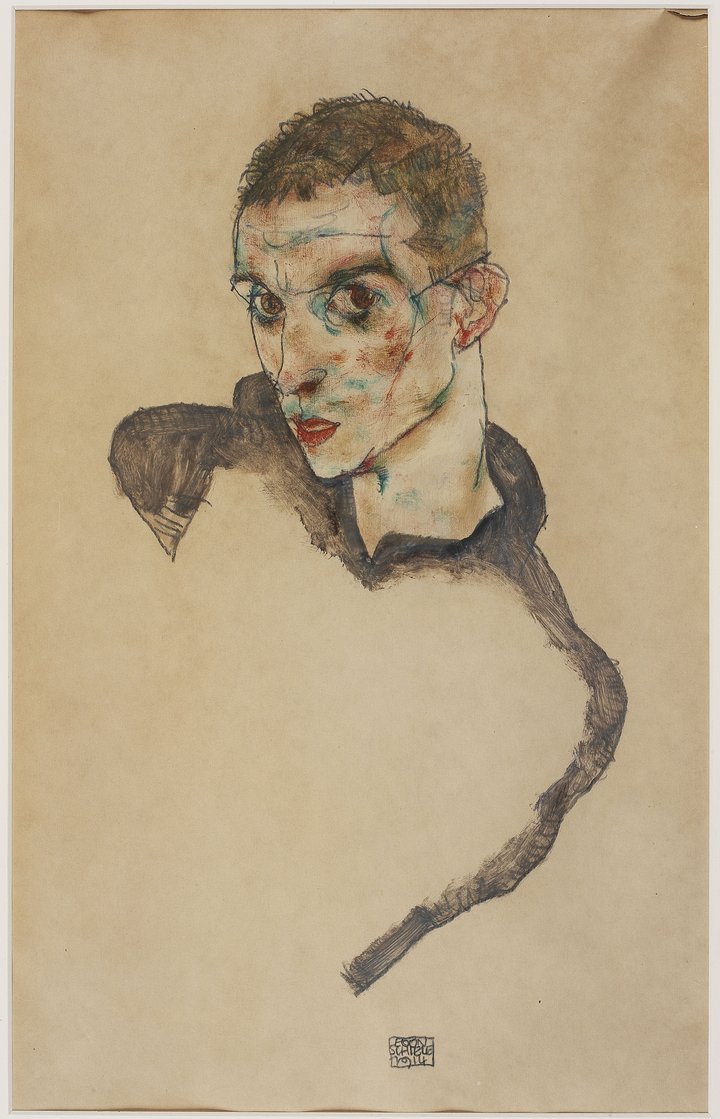
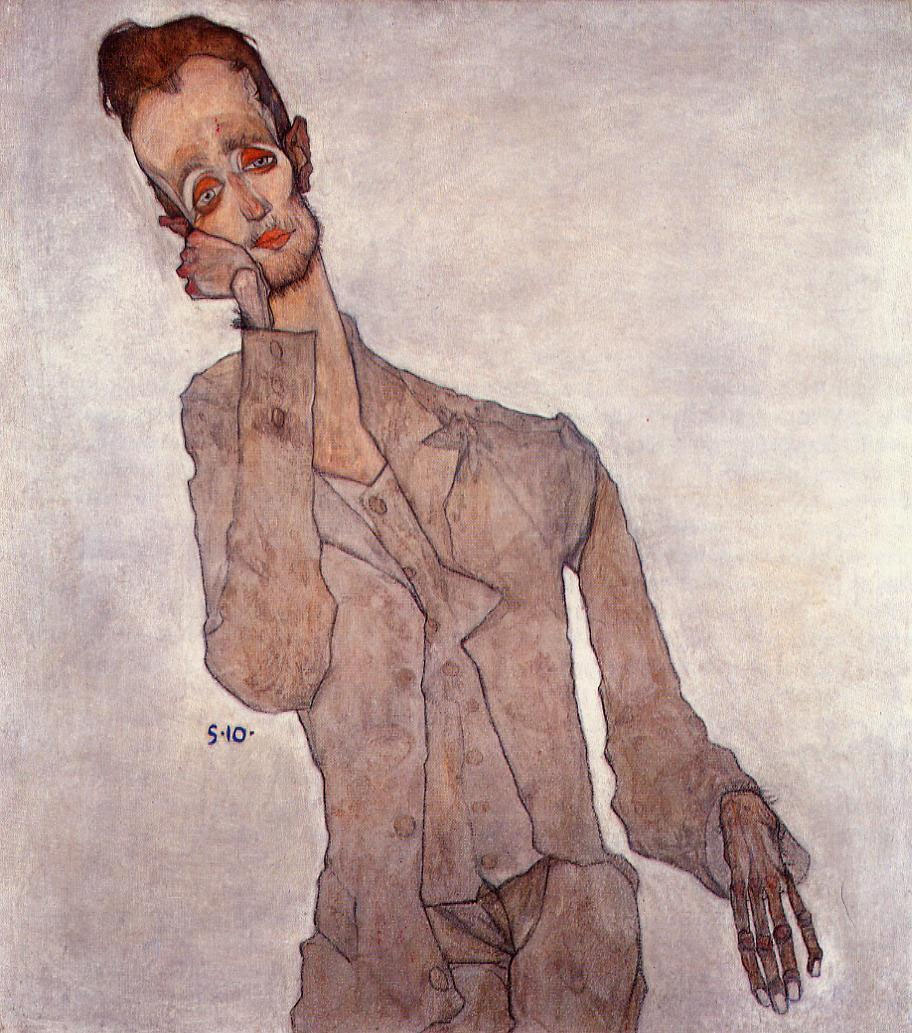
“As cartoonists and comics still attempt to acquaint themselves with not only how to express real human emotion but also try to decide exactly what human emotions are worth expressing, the most facile and immediate way to do it is to write about oneself”

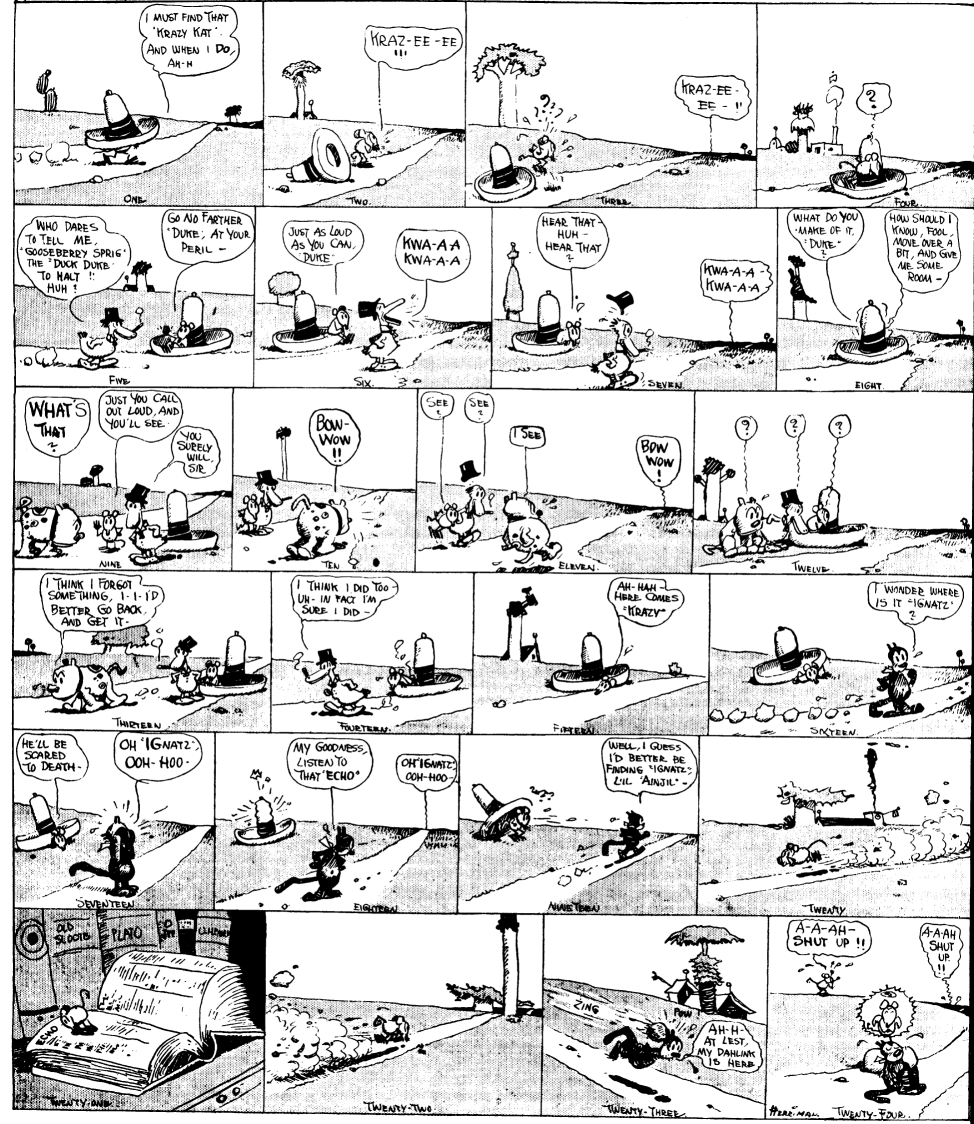
Of all the “Masters of American Comics”, Lyonel Feininger is clearly the least well known. Who is this artist placed between Winsor McCay and George Herriman? He’s best known as a “fine” artist, having taught at the famous Bauhaus school.

Image from Wiki
More info from Peacay:
“The remarkable Ripley Scroll is, in simple terms, an alchemical manuscript that shows in pictorial cryptograms the production of the philosopher’s stone (the elusive ingredient that produces incorruptible gold out of lesser metals; and/or the elixir of life).”
“The model was an American expatriate, ((a young socialite named Virginie Amélie Avegno Gautreau)) who married a French banker, and became notorious in Parisian high society for her beauty and rumored infidelities. She wore lavender powder and prided herself on her appearance. The English-language term “professional beauty” was used to refer to her and to a woman in general who uses personal skills to advance herself socially.[4] Her unconventional beauty made her an object of fascination for artists; the American painter Edward Simmons claimed that he “could not stop stalking her as one does a deer.” Sargent was also impressed, and anticipated that a portrait of Gautreau would garner much attention at the upcoming Paris Salon, and increase interest in portrait commissions.”

“While the work was in progress, Gautreau was enthusiastic; she believed that Sargent was painting a masterpiece. When the painting first appeared at the Paris Salon under the title Portrait de Mme *** in 1884, people were shocked and scandalized; the attempt to preserve the subject’s anonymity was unsuccessful, and the sitter’s mother requested that Sargent withdraw the painting from the exhibition. Sargent refused, saying he had painted her “exactly as she was dressed, that nothing could be said of the canvas worse than had been said in print of her appearance”. Later, Sargent overpainted the shoulder strap to raise it up and make it look more securely fastened. He also changed the title, from the original Portrait de Mme ***, to Madame X – a name more assertive, dramatic and mysterious, and, by accenting the impersonal, giving the illusion of the woman archetype.The poor public and critical reception was a disappointment to both artist and model. Gautreau was humiliated by the affair, and Sargent would soon leave Paris and move to London permanently.”
 Paul Greer