For the month of December I am running a discount on my Big Cartel store.
If you order 3 or more signed prints, you will get 33% (one third) off the total price if you use the promo code “DEC33FOR3”.
Offer will expire 23:59 GMT on December 31st 2017.
For those in the UK please order before the 15th December if you want a chance of receiving the order by Christmas.
Physicist and saxophonist Stephon Alexander has argued in his many public lectures and his book The Jazz of Physics that Albert Einstein and John Coltrane had quite a lot in common. Alexander in particular draws our attention to the so-called “Coltrane circle,” which resembles what any musician will recognize as the “Circle of Fifths,” but incorporates Coltrane’s own innovations. Coltrane gave the drawing to saxophonist and professor Yusef Lateef in 1967, who included it in his seminal text, Repository of Scales and Melodic Patterns. Where Lateef, as he writes in his autobiography, sees Coltrane’s music as a “spiritual journey” that “embraced the concerns of a rich tradition of autophysiopsychic music,” Alexander sees “the same geometric principle that motivated Einstein’s” quantum theory.
Neither description seems out of place. Musician and blogger Roel Hollander notes, “Thelonious Monk once said ‘All musicians are subconsciously mathematicians.’ Musicians like John Coltrane though have been very much aware of the mathematics of music and consciously applied it to his works.”
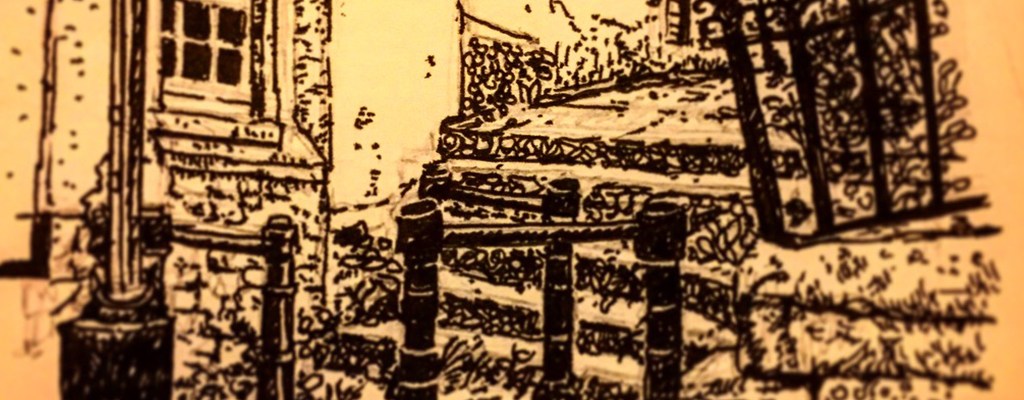
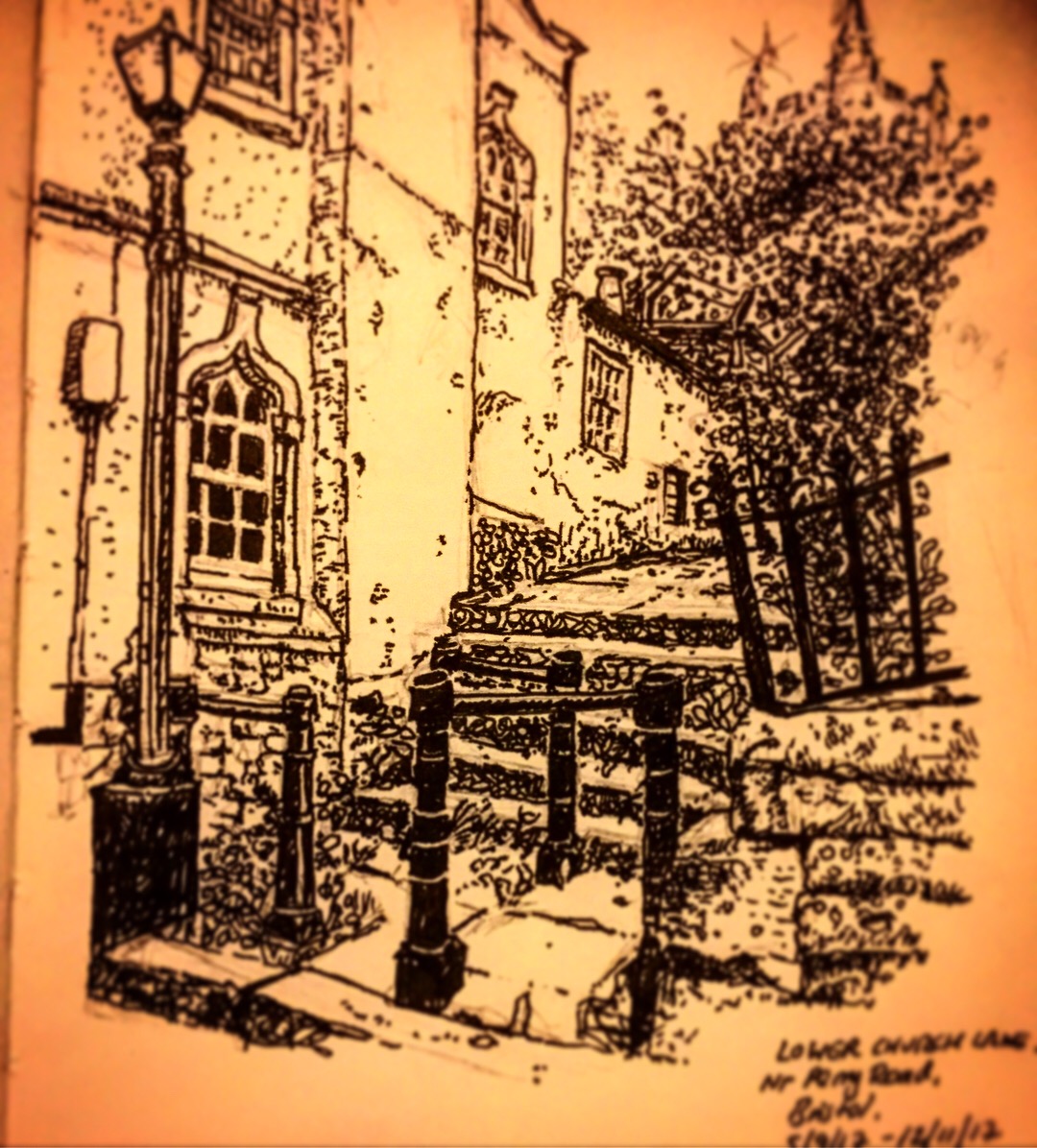
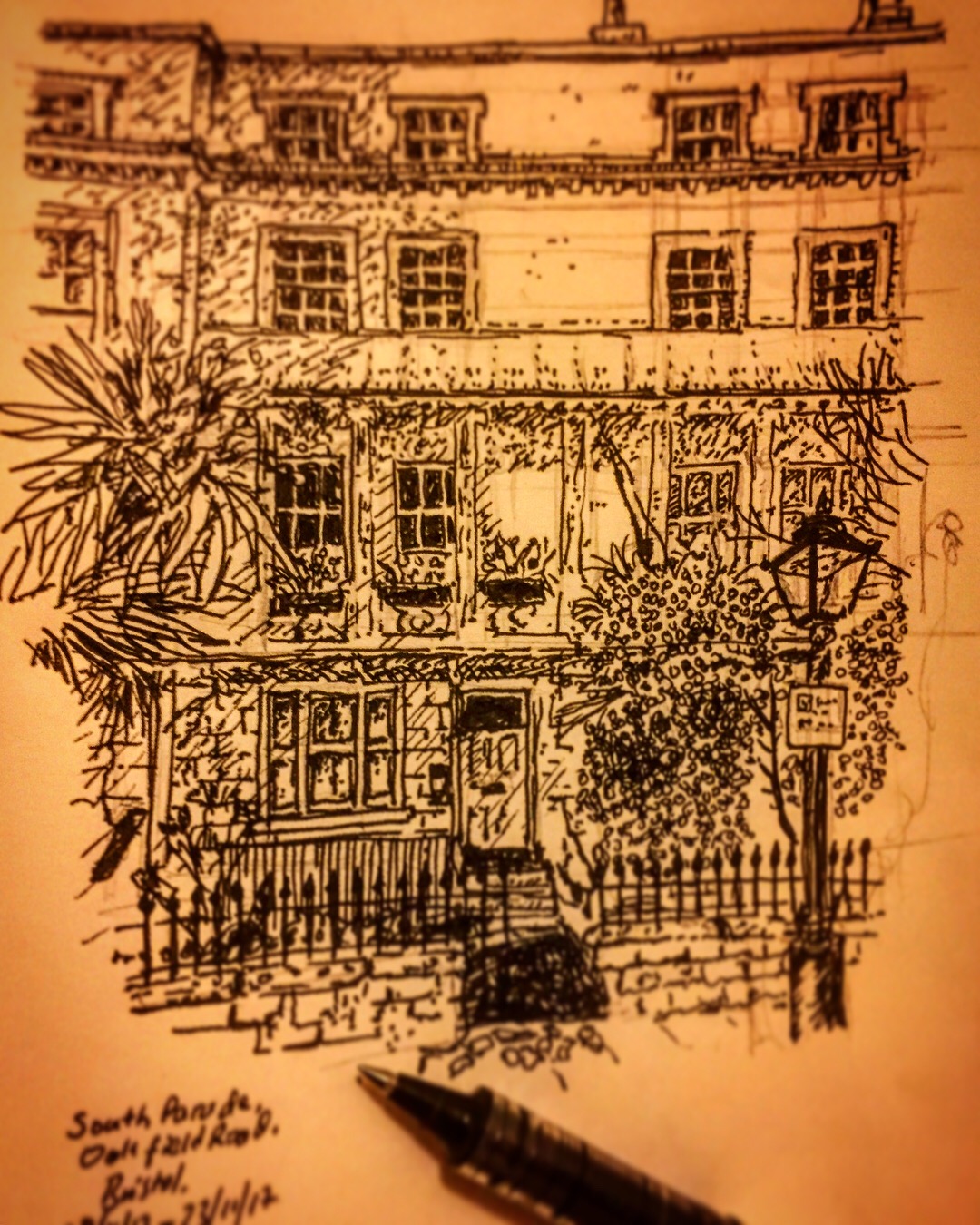
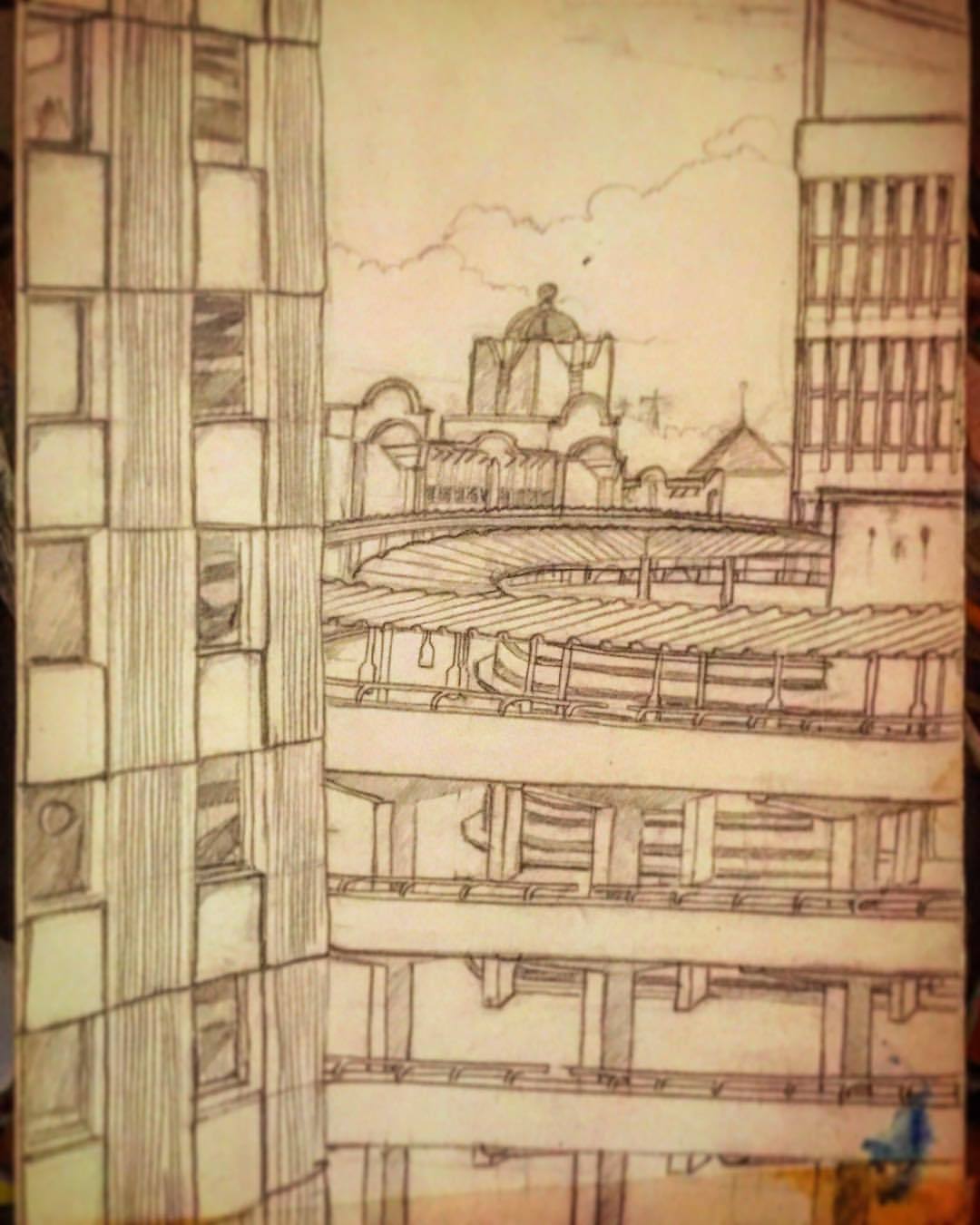
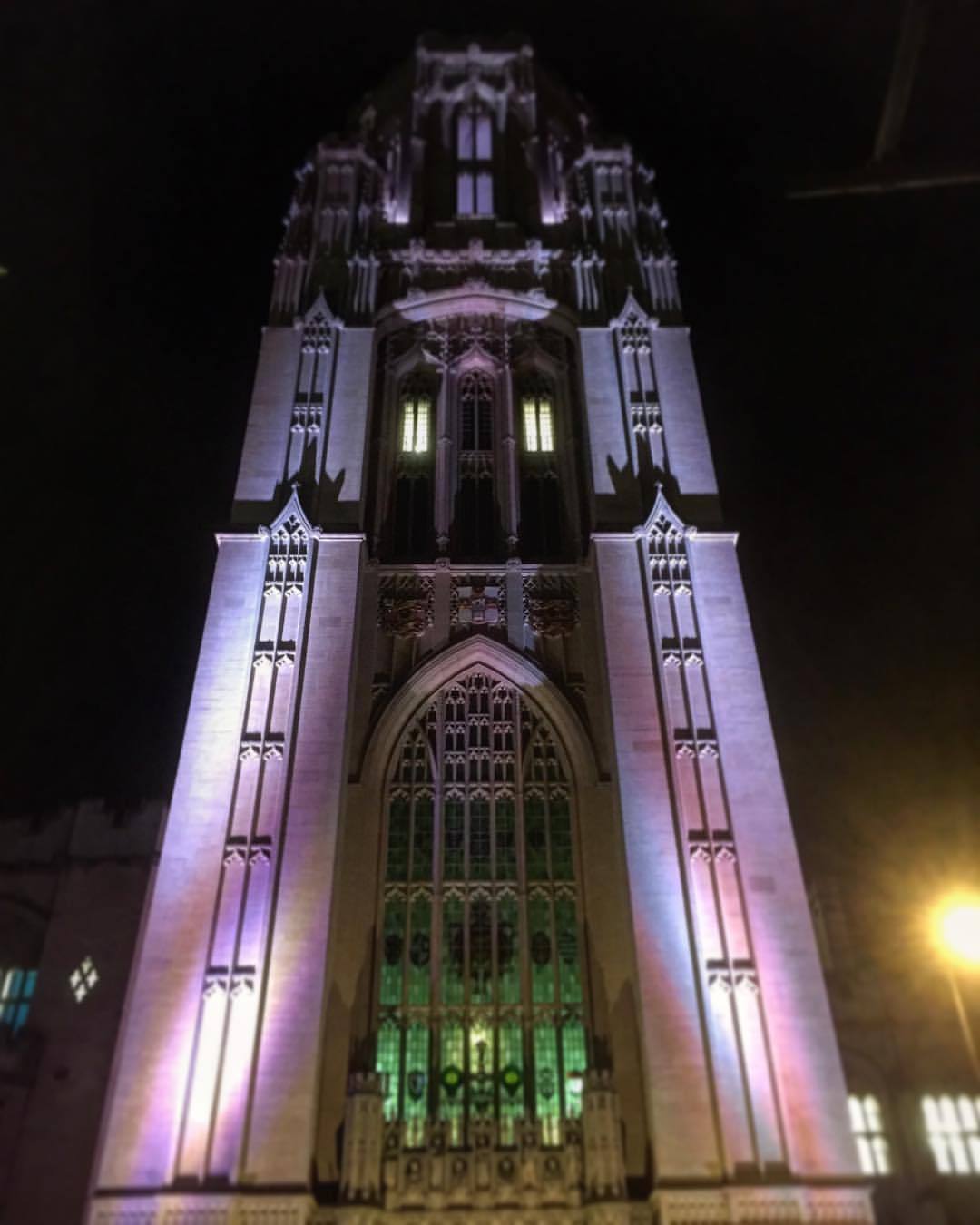
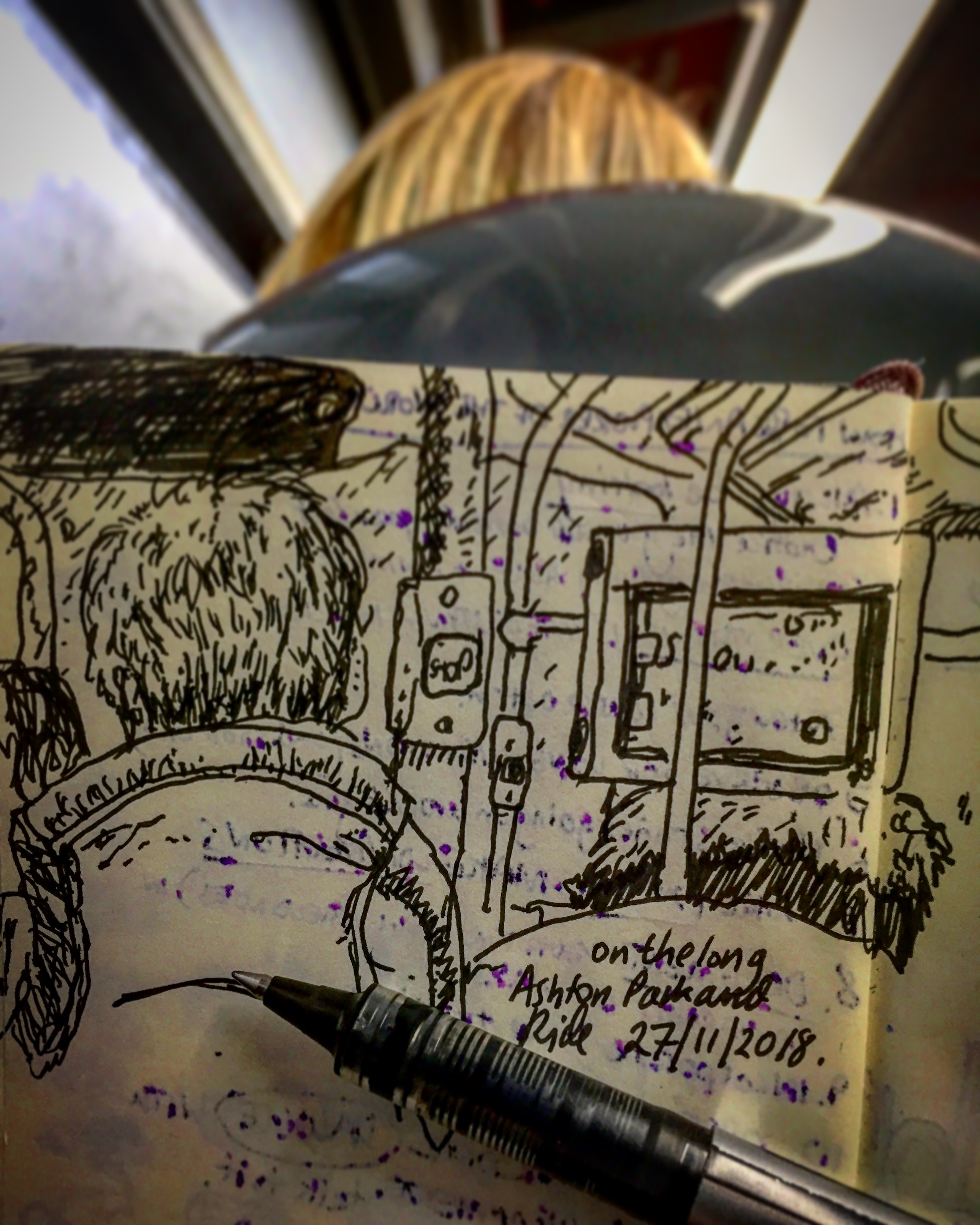
This is a real hotchpotch of drawings from various places over the last few months. As my time is very short I have taken on the process of starting the sketch from life, taking a photo, then finishing the drawing later from reference. This was against my original principle of doing this project, but it’s that or not getting anything done, so.
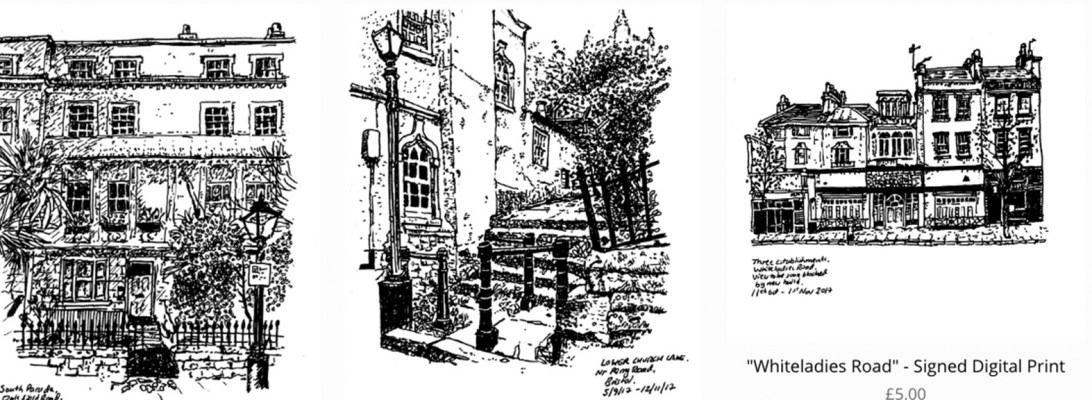
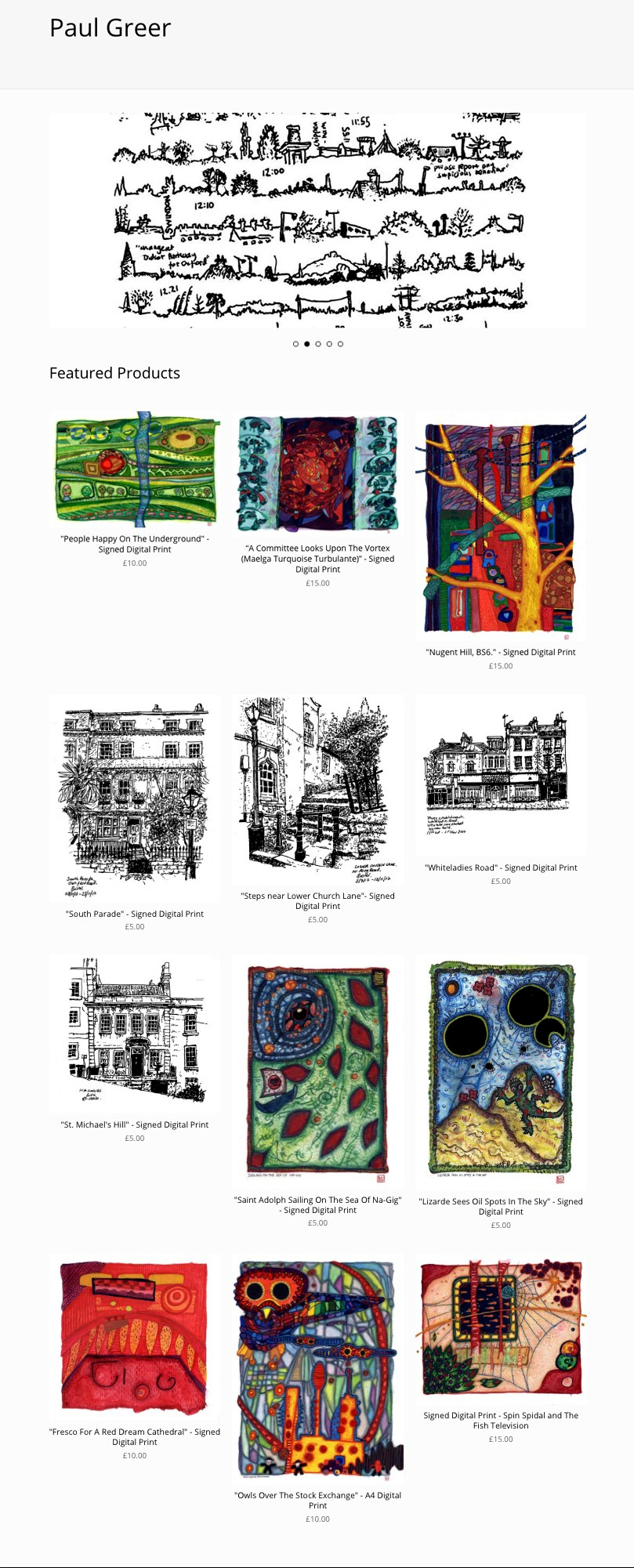
I have made some of these drawings available as signed digital prints on my Big Cartel store. Please have a look, there is some of my colour work available there too.
Sometimes I have made short little videos of the process of the drawing and you can see those by clicking on the Instagram link below the image and swiping to the left.
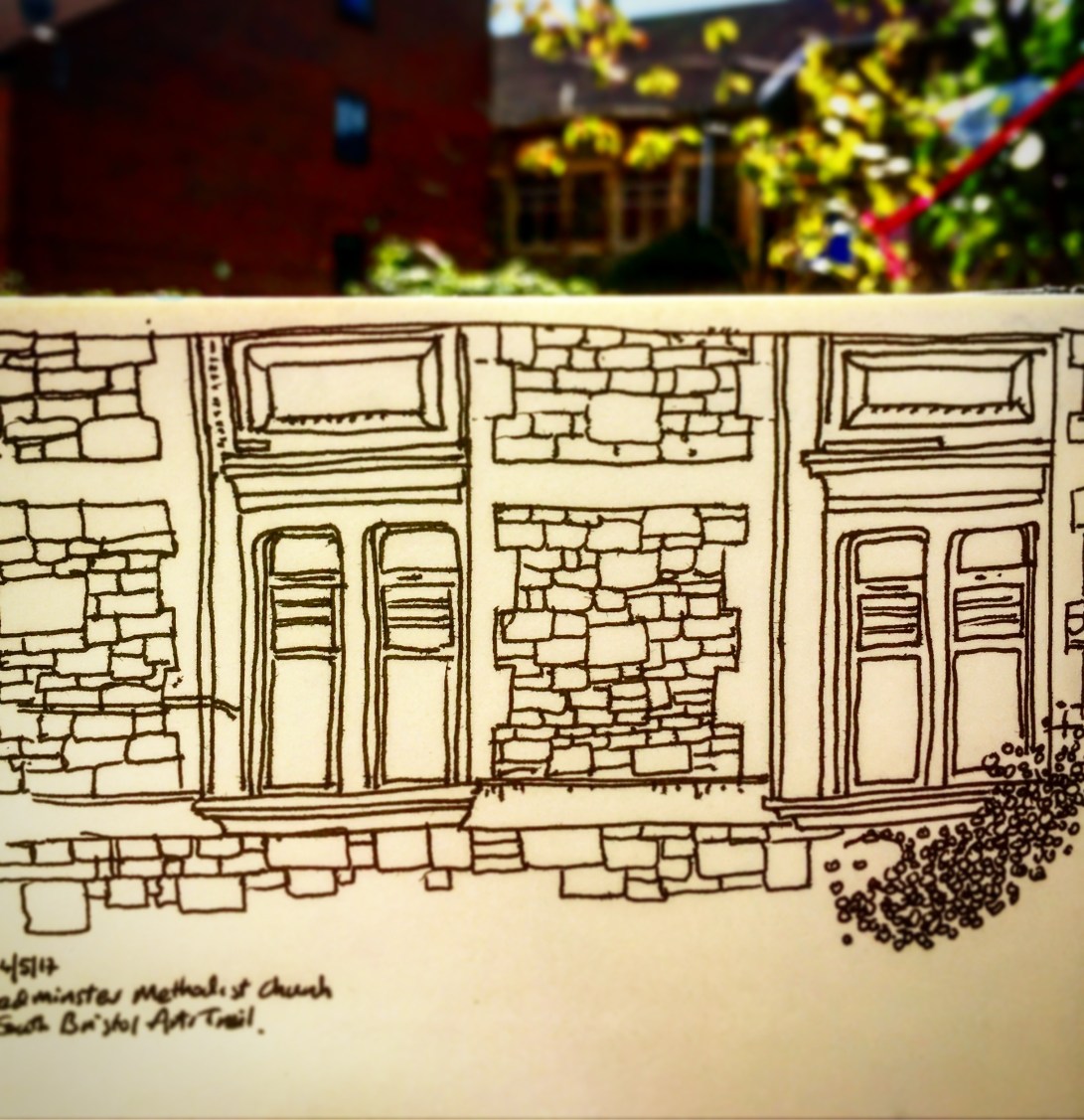
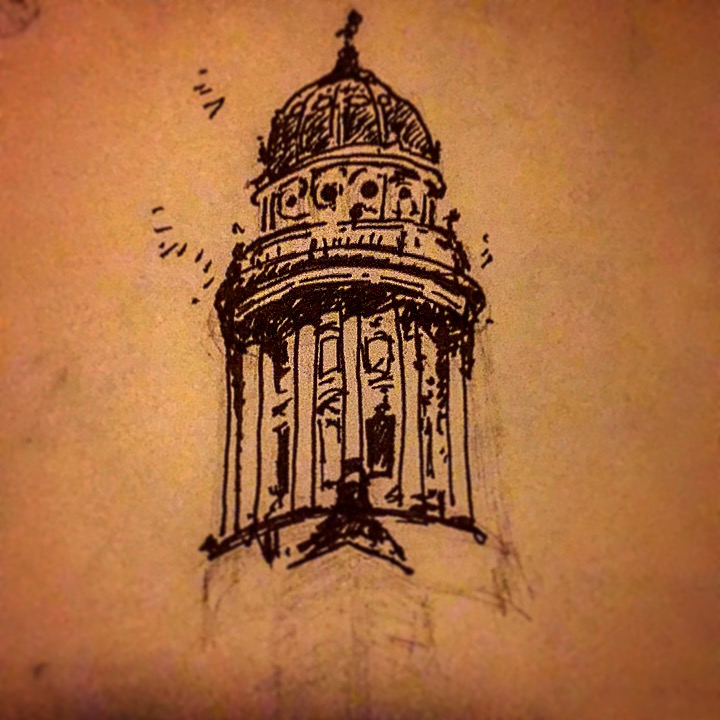
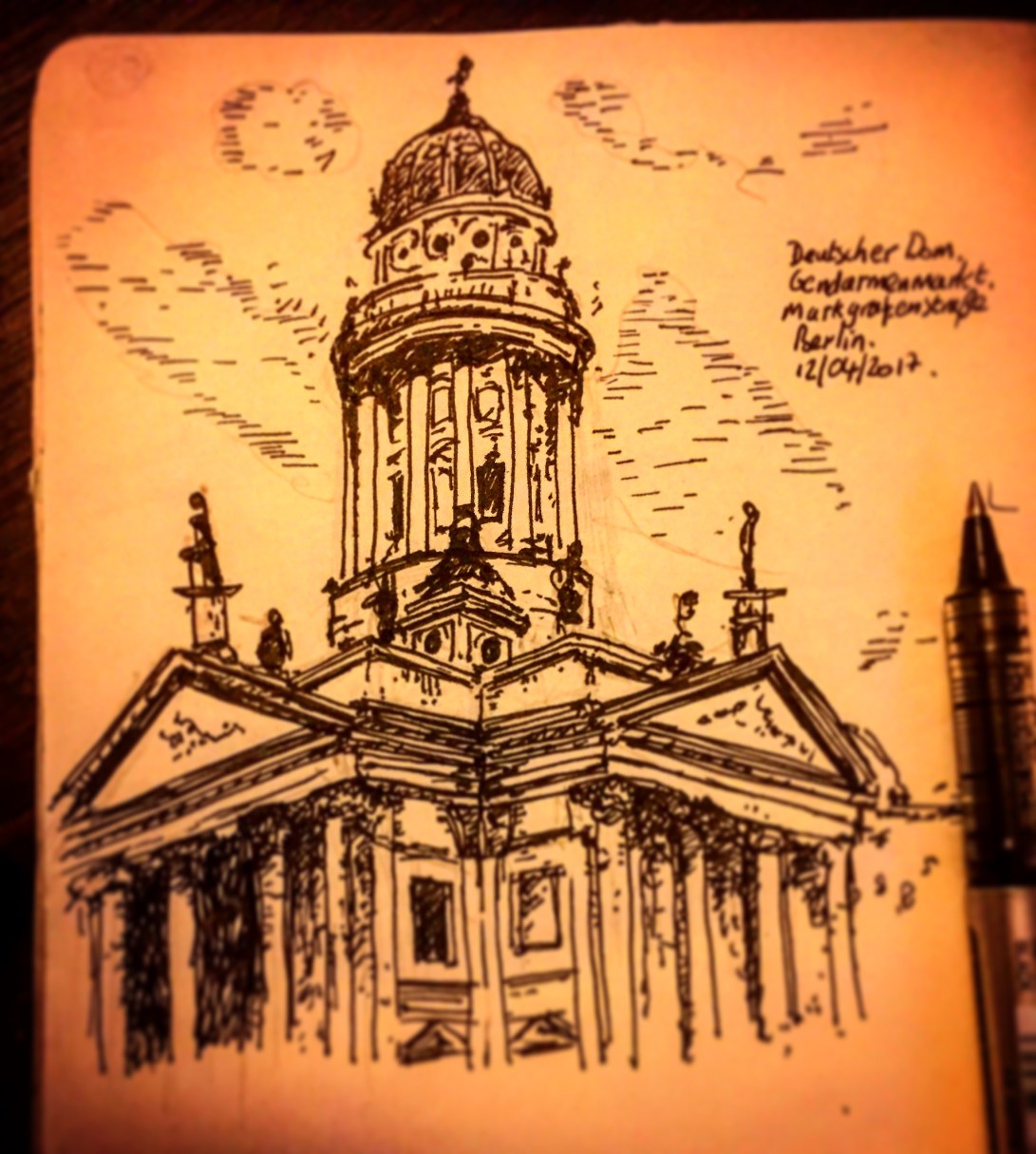
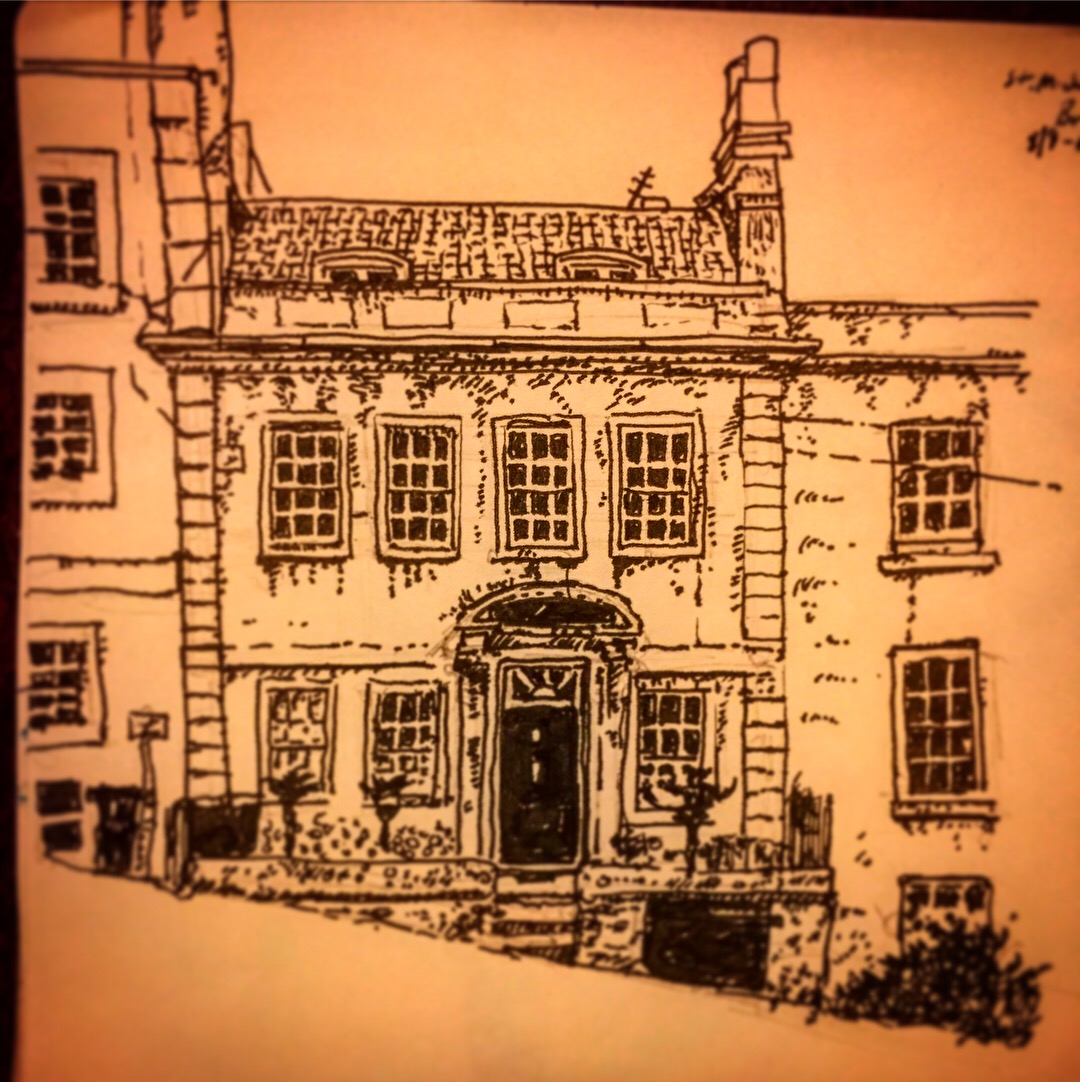
174/365 Bedminster Methodist Church. Drawn whilst sitting on the @sbabristol Arts Trail. Plot 1. There’s still a few hours left. 20 minutes. Notebook: Ichabod176/365 English Rose, Clifton, Bristol. Drawn on 15/06/17. Fountain pen. 10 minutes. Notebook: Ichabod.181/365 Godrevy Lighthouse, St. Ives Bay. View from Gwythian Sands. 6th August 2017. Notebook: Ichabod. Multicoloured Ballpoint. I have a lot of drawings I haven’t posted now so prepare for them to come all out of sequence. 😀183/365 The spire (?) of the German Cathedral in the Gendarmenmarkt, Berlin. Ink Notebook: Ichabod. I’ll be using #Inktober to finish off and “ink” in various sketches begun here and there. This is of one of the twin Cathedrals by the Konzerthaus in Berlin started when we visited back in April.184/365 Deutscher Dom, Gendarmenmarkt, Markegrafenstraße, Berlin. Originally pencilled 12/04/2017. Completed 04/10/2017 Pencil and V-ball. Notebook: Ichabod. #inktober185/365 House front. St. Michaels Hill, Bristol. Pencil and V-ball. 08/09/2017-12/10/2017 Notebook: Ichabod
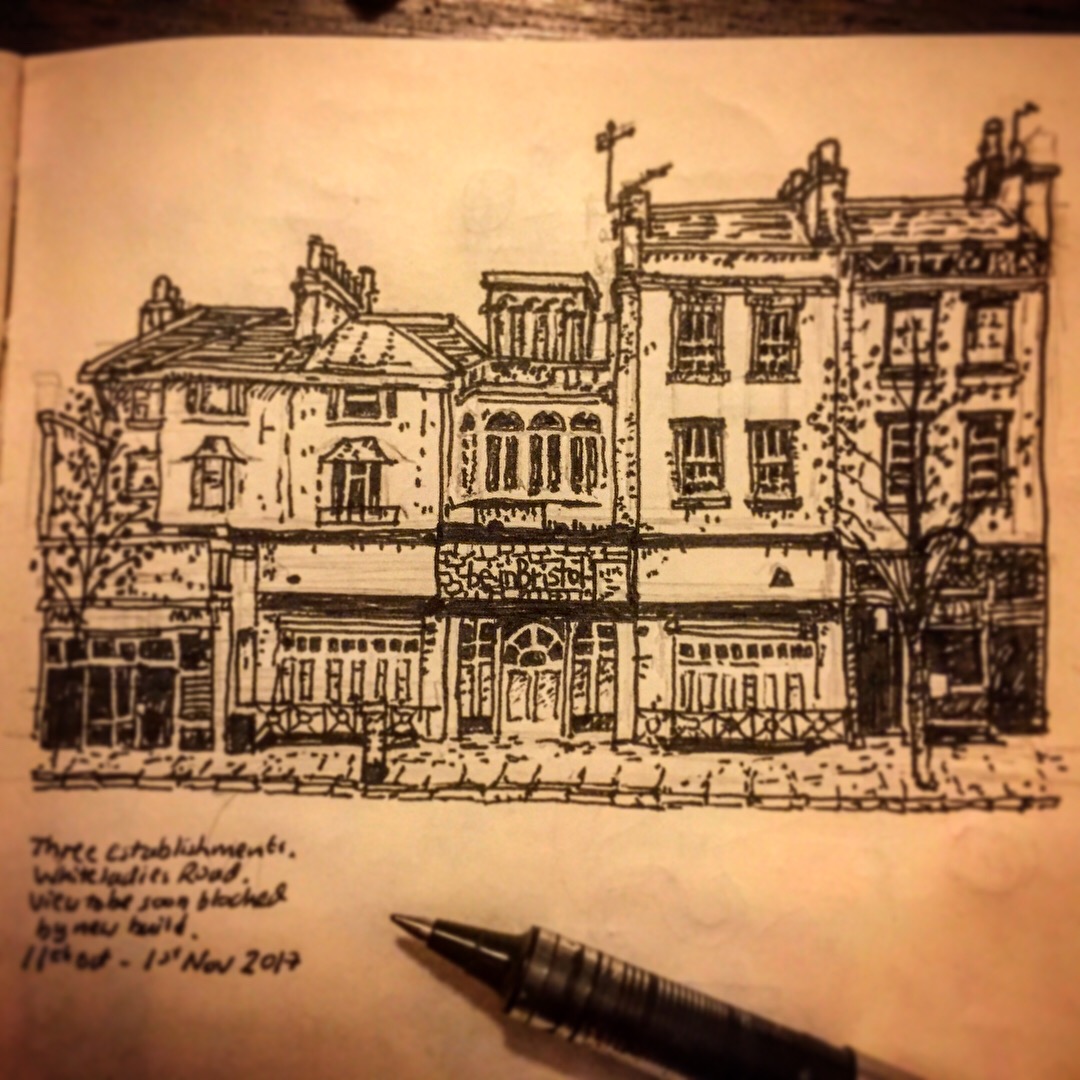
186/365 Three Establishments along the Whiteladies Road. From the front door at work, a view soon to be blocked by the new building. 11th Oct – 1st Nov 2017 Notebook: Ichabod.
I just finished reading The Grapes of Wrath by John Steinbeck. I have always known of this book but never read it or even knew very much about what is was about.
I really wasn’t prepared by how relevant it was to so many situations occurring globally at the moment. The mass migration of populations due to climate changes, infrastructure collapse and economics, the refusal of a system to help and indeed the full demonisation of those in transit.
The language is beautifully simple and yet says so much about strength, sadness, suffering, perseverance and dignity.
German biologist and artist Ernst Haeckel dedicated his life studying far flung flora and fauna, drawing each of their peculiar specificities with an immense scientific detail. Haeckel made hundreds of such renderings during his lifetime, works which were used to explain his biological discoveries to a wide audience. In addition to these visual masterpieces, Haeckel also discovered many microbes, and coined several scientific terms commonly known today, such as ecology, phylum, and stem cell.
A new book from Taschen titled The Art and Science of Ernst Haeckel outlines the 19th-century artist-biologist’s most important visual works and publications across a hefty 704 pages. The compendium includes 450 drawings, watercolors, and sketches from his research, which was in large support of Darwin’s theory of evolution. Most notably the book contains the Kunstformen der Natur(Art Forms in Nature), a collection of 100 prints of varying organisms originally published between 1899 and 1904.
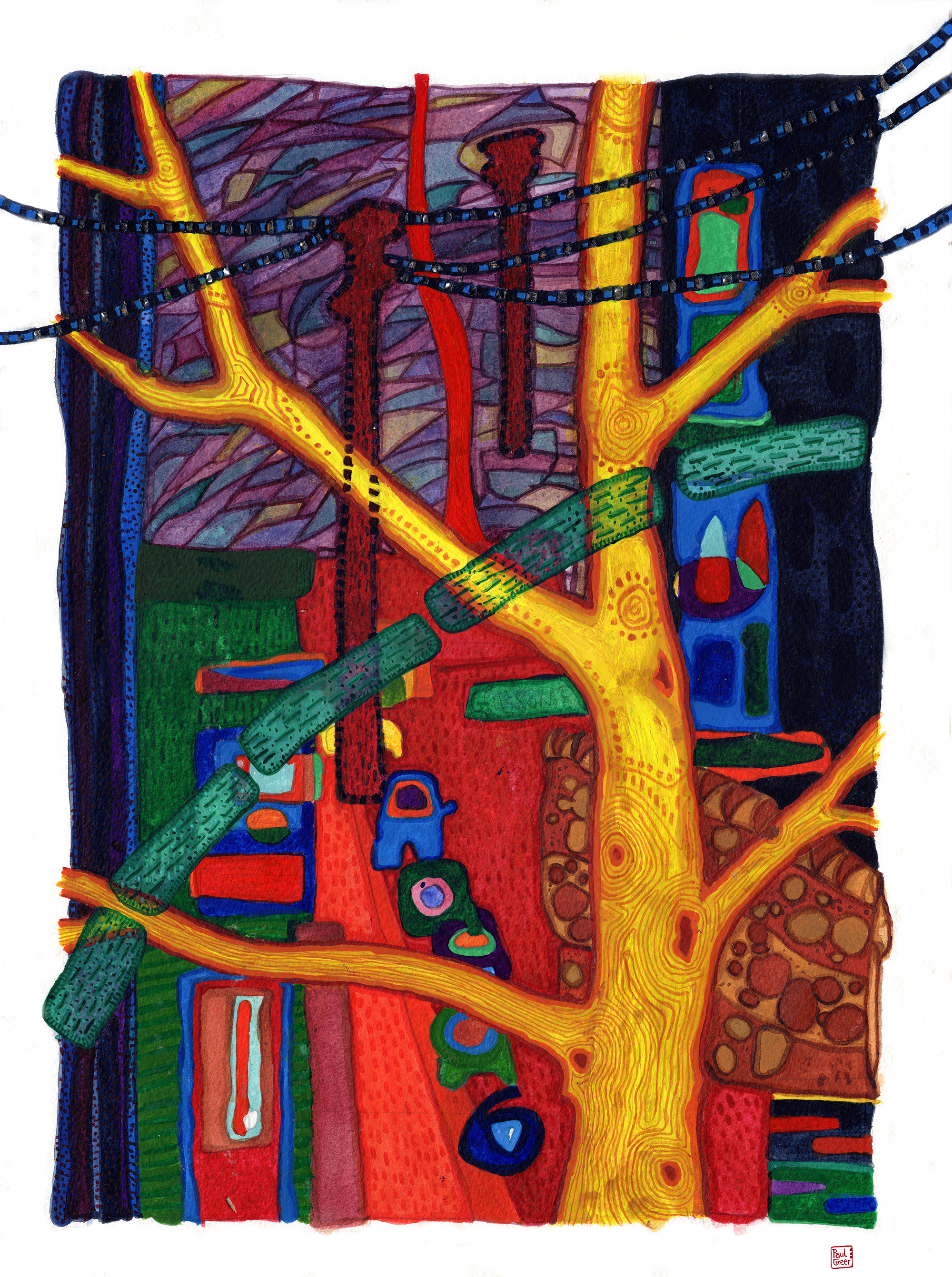
Old painting of mine of a view of the road up Nugent Hill, from Arley Hill. Redland Bristol. , now available as a signed print (below) or as products on Society6.








 Paul Greer