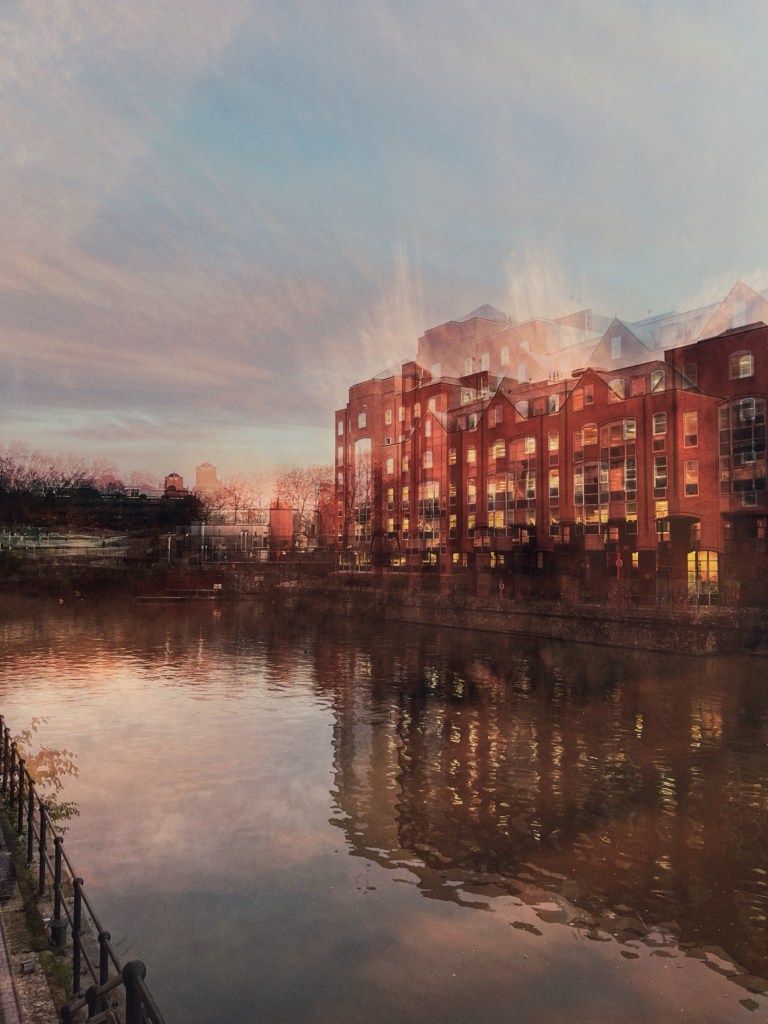
14/01/2025

Back out walking at lunchtime, looking at cranes.
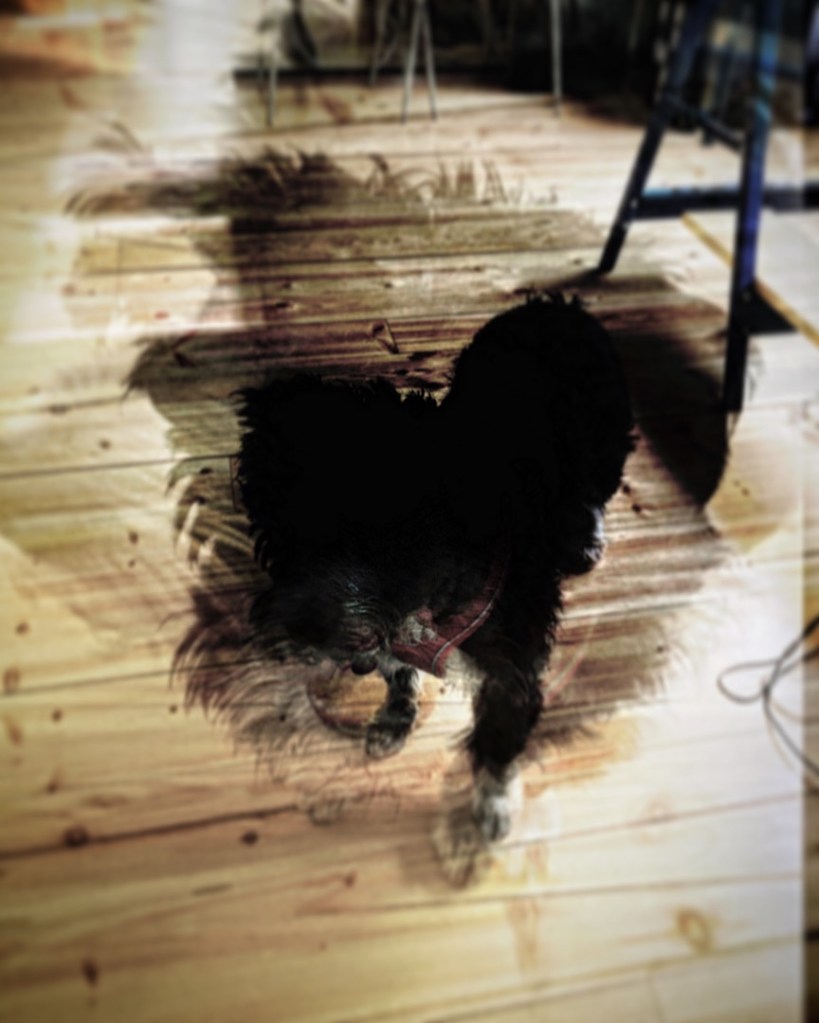

More here.
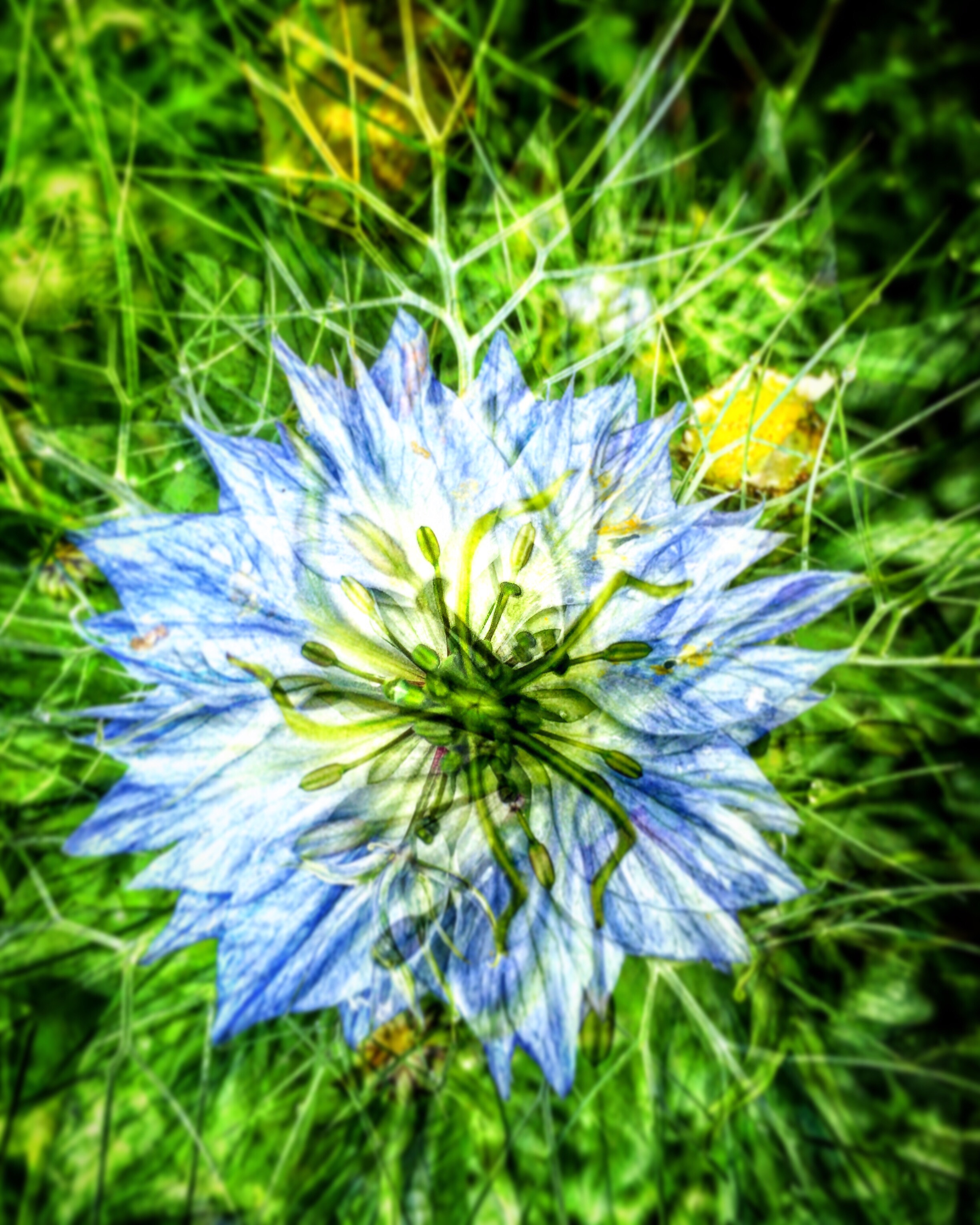
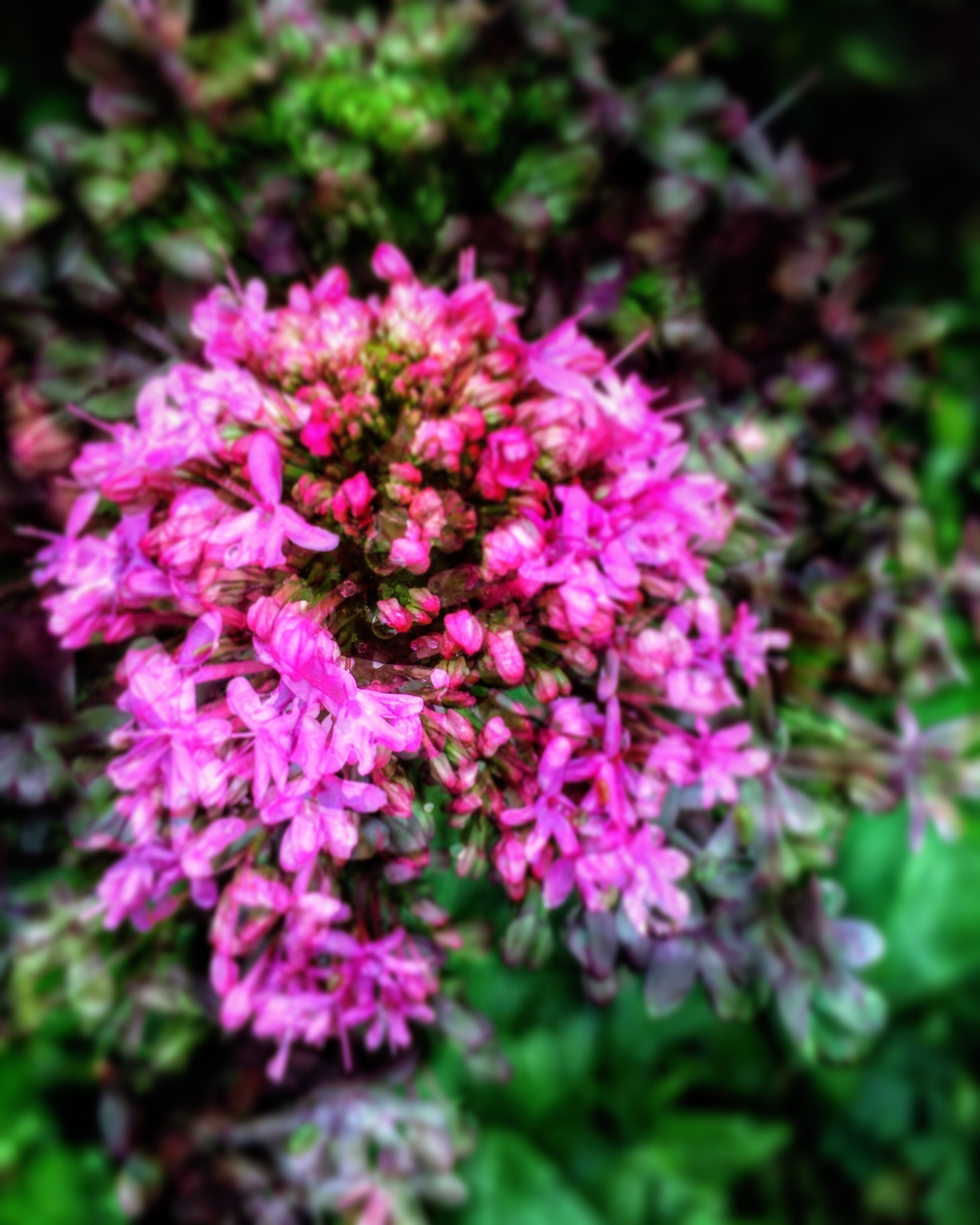
“The sitters who moved in and out of Hugh Mangum’s view between 1897 and 1922 smiled, laughed, and daydreamed; they threw their arms around or leaned upon one another; they wore their best dresses and fanciest hats, or they wore coarse cloth and stood barefoot. In an era of racial terror, as Jim Crow tightened its grip on the South, Mangum set up makeshift studios across North Carolina and Virginia (sometimes just a tent outside of town) that were open to white and black sitters alike. A gangly white man with an appealingly unkempt mustache, Mangum often used a Penny Picture camera, designed to capture up to thirty exposures on a single glass plate. Sitters would line up and take their places in front of the camera; Mangum would charm and cajole them, shifting the plate a little bit for each new exposure. The result, inadvertent but still provocative, is a record of how much daily life and experience was shared by the people whom racist American custom and law treated as separate.”

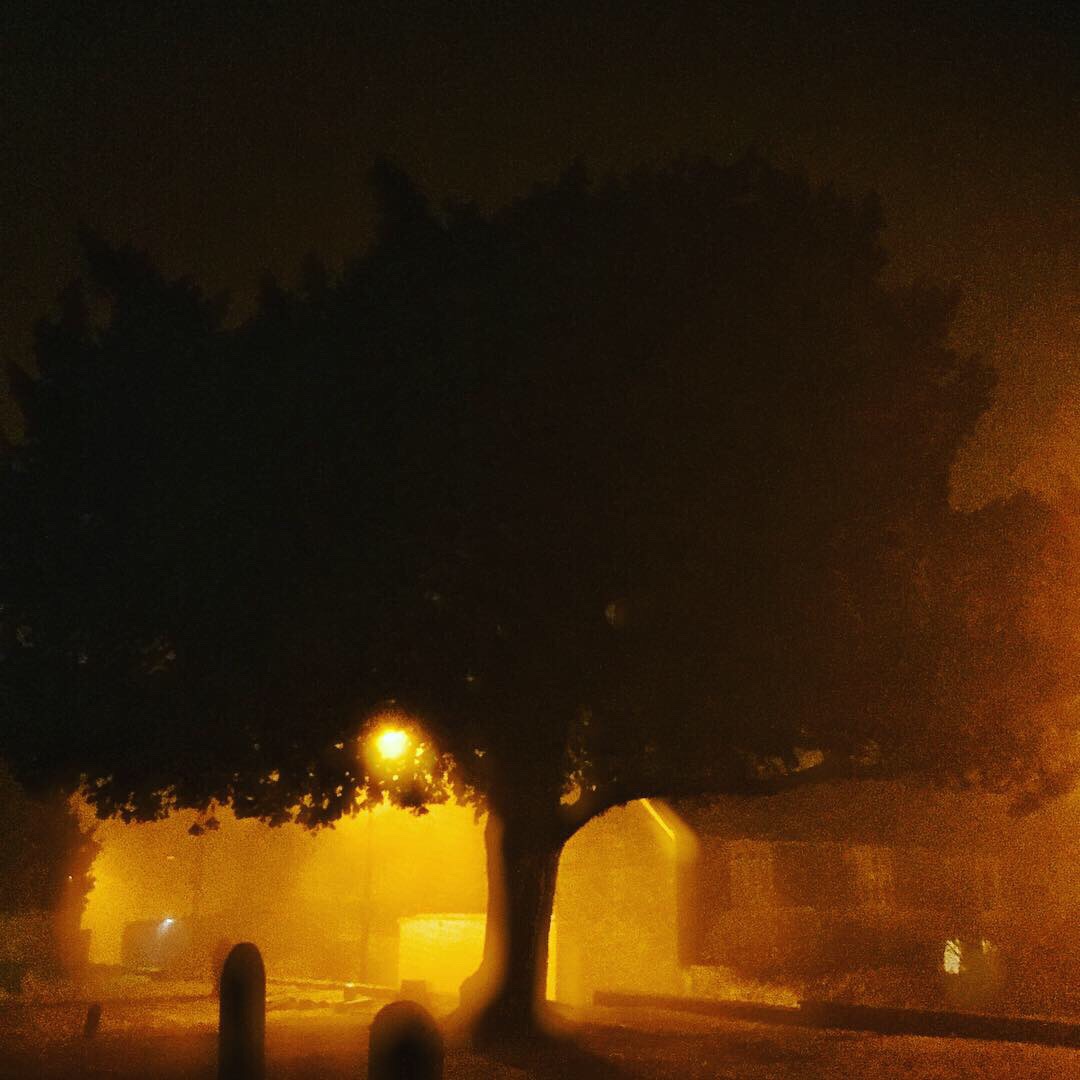
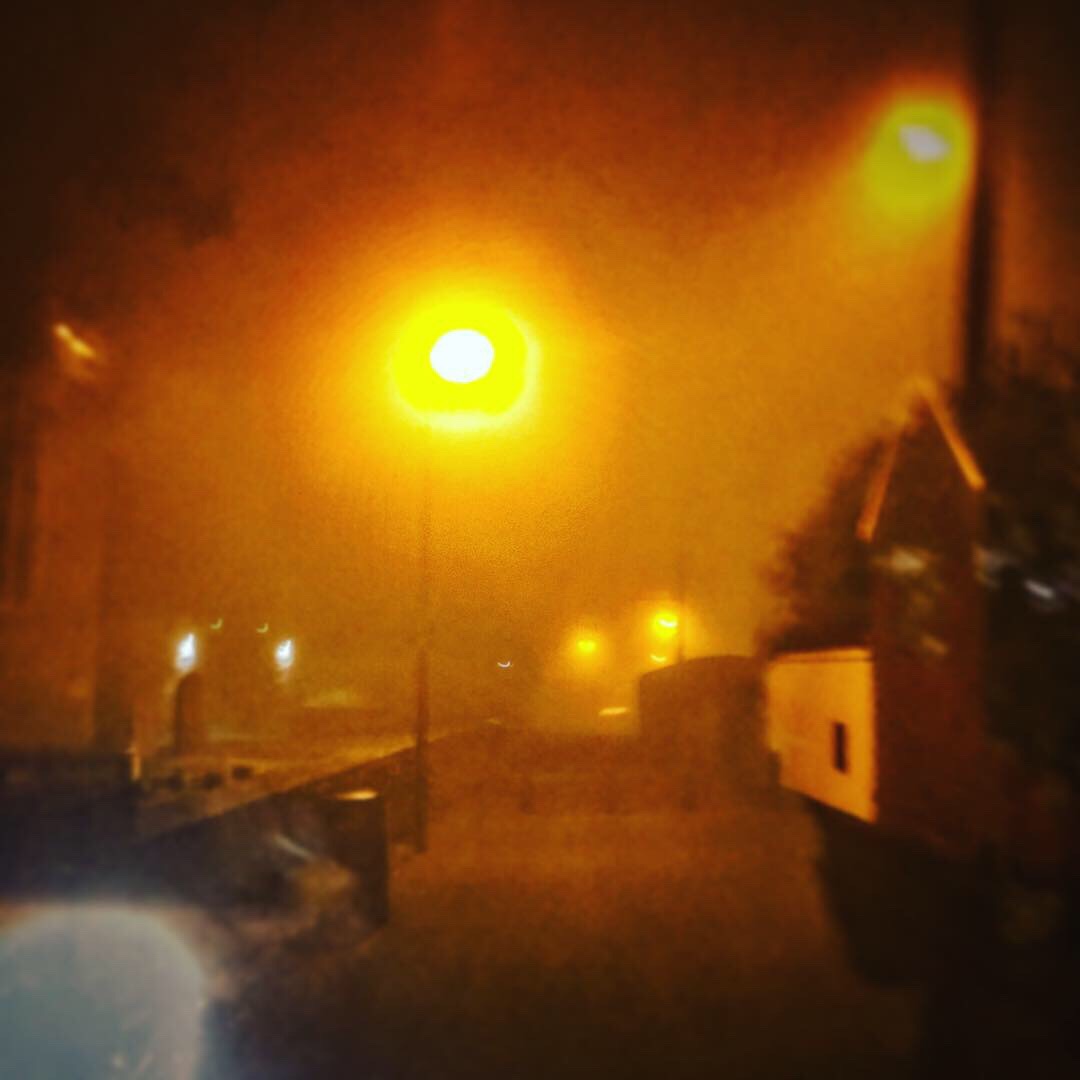


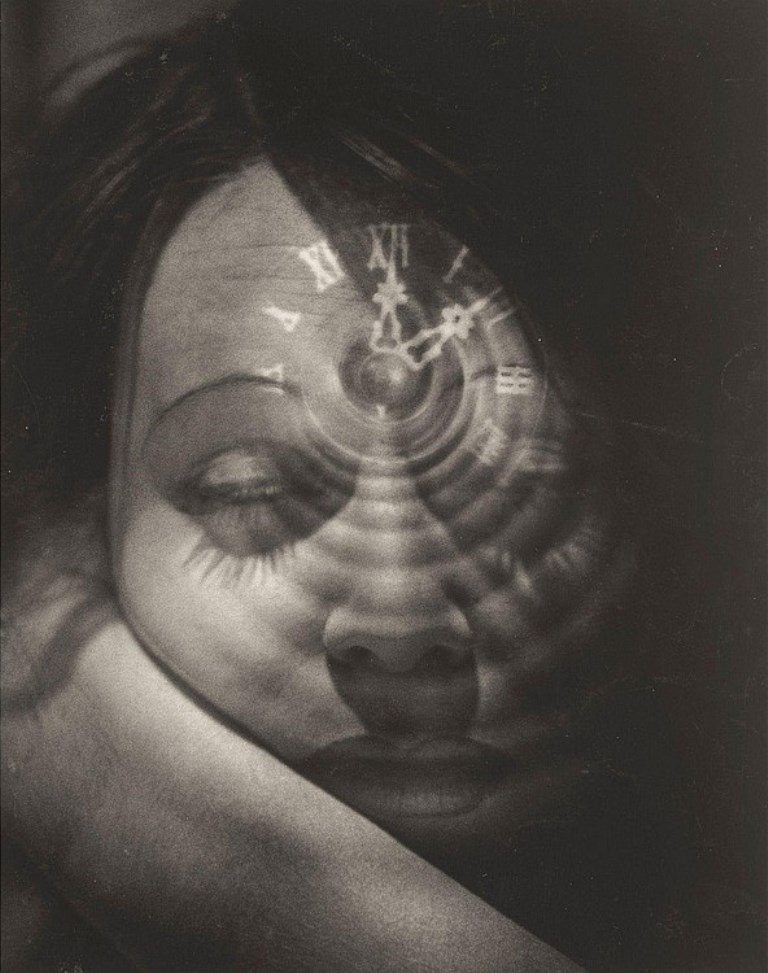
“Heinz Hajek-Halke was born in Berlin on December 1, 1898, but spent his childhood in Argentina. Back in Germany, he began to study graphics in Berlin in 1915. In 1916, he served as a soldier in World War I; thereafter he continued his studies.
Hajek-Halke began to take photographs in 1924, and soon he had work with the agency “Presse-Photo”. He experimented with photographic techniques – among them light montages, double exposures, photo collages and photo montages. One special technique is “combi-photography,” in which Hajek-Halke mounted several negatives for one print. His pictures were innovative and made use of the newly discovered possibilities for manipulating photographs.”








 Paul Greer