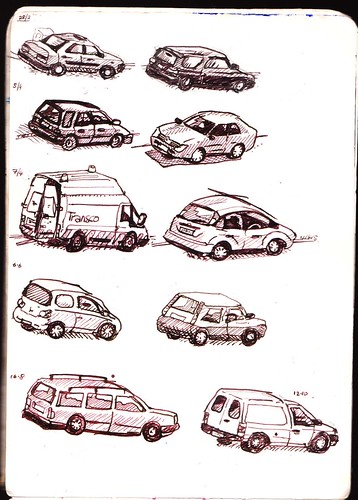

/ˈdrɔː(r)ɪŋ/
noun
1. a picture or diagram made with a pencil, pen, or crayon rather than paint.
“a series of charcoal drawings on white paper”
synonyms: sketch, picture, illustration, representation, portrayal, delineation, depiction, composition, study, diagram, outline, design, plan, artist’s impression; tracing
“he did a pencil drawing of the house”
2. an instance of selecting the winner or winners in a lottery or raffle.
“entrants need not be present at the drawing”


Complexity means “reduction and removal of redundancy”, as first defined by the philospher John Locke (1632-1704): “Ideas thus made up of several simple ones put together, I call complex; such as beauty, gratitude, a man, an army, the universe.”, and as illustrated in art by Picasso in his famous bull drawing.
–-Jon Otto Fossum, Laboratory for Soft and Complex Matter Studies
via Vruz
Pablo Picasso created ‘Bull’ around the Christmas of 1945. ‘Bull’ is a suite of eleven lithographs that have become a masterclass in how to develop an artwork from the academic to the abstract. In this series of images, all pulled from a single stone, Picasso visually dissects the image of a bull to discover its essential presence through a progressive analysis of its form. Each plate is a successive stage in an investigation to find the absolute ‘spirit’ of the beast.

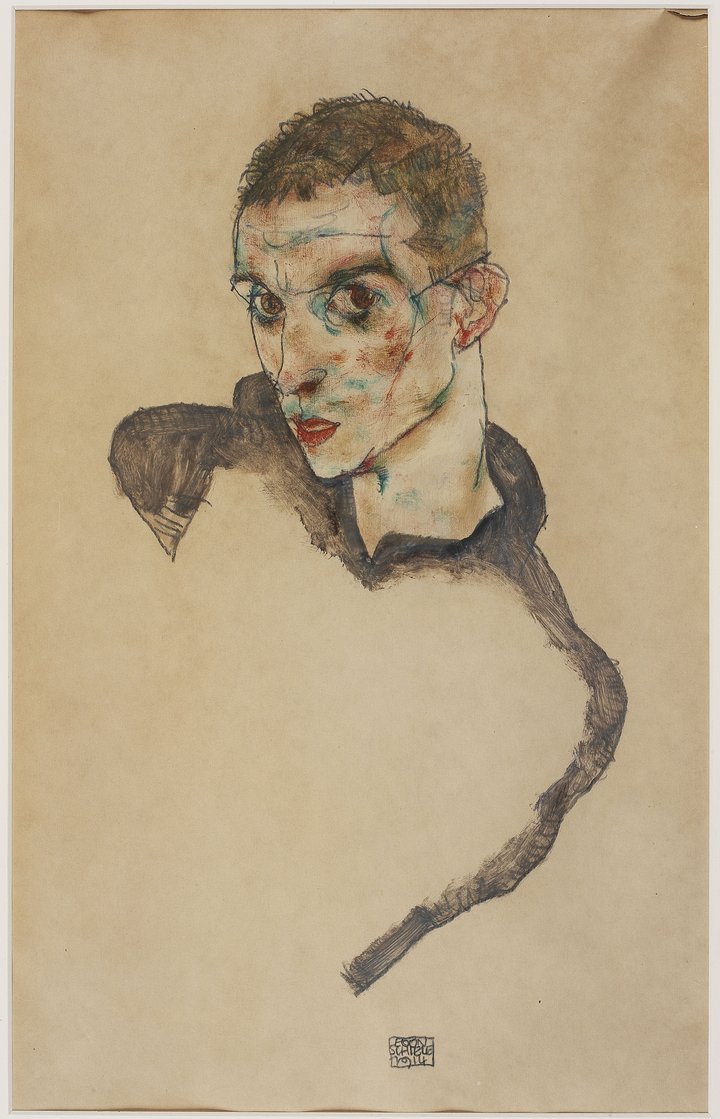


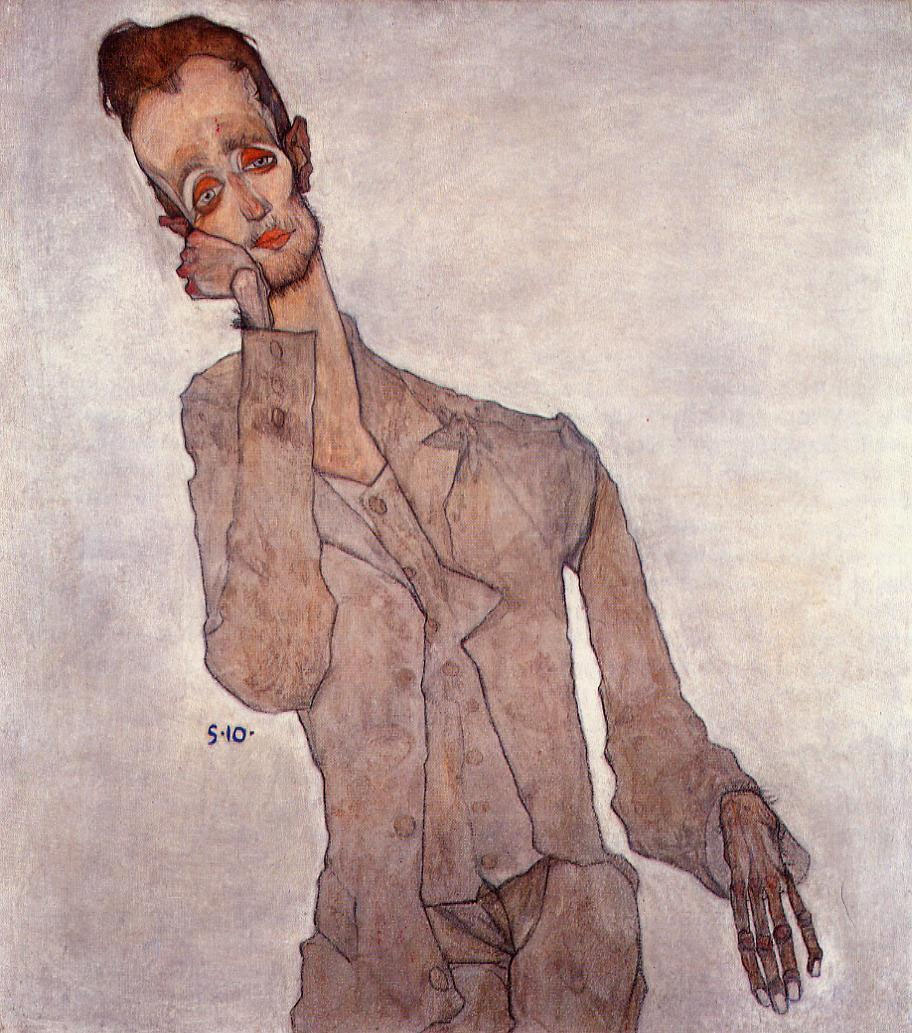


“The Hokusai Manga (北斎漫画, “Hokusai’s Sketches”) is a collection of sketches of various subjects by the Japanese artist Hokusai. Subjects of the sketches include landscapes, flora and fauna, everyday life and the supernatural. The word manga in the title does not refer to the contemporary story-telling manga, as the sketches in the work are not connected to each other. Block-printed in three colours (black, gray and pale flesh), the Manga comprise literally thousands of images in 15 volumes, the first published in 1814, when the artist was 55. The final three volumes were published posthumously, two of them assembled by their publisher from previously unpublished material. The final volume was made up of previously published works, some not even by Hokusai, and is not considered authentic by art historians.”

“The first volume of ‘Manga‘ (Defined by Hokusai as ‘Brush gone wild’), was an art instruction book published to aid his troubled finances. Shortly after he removed the text and republished it.The Manga evidence a dedication to artistic realism in portrayal of people and the natural world. The work was an immediate success, and the subsequent volumes soon followed. The work became known to the West since Philipp Franz von Siebold’s lithographed paraphrases of some of the sketches appeared in his Nippon: Archiv Zur Beschreibung von Japon in 1831. The work began to circulate in the West soon after Matthew C. Perry’s entry into Japan in 1854.”


N50
“This folio is one of the most closely filled in the notebook. In the centre, we see a naked figure of a man, on the point of stabbing himself with a dagger held in his right hand. In a later emblem in the notebook, Blake suggests that those who take their own lives cannot go to heaven, yet here the man is turning his face towards heaven with a hopeful – and possibly ironic – gaze.”

N99 & N98
“We see workings here of several poems for which the notebook has been rotated to enter fair copies of poems. We see workings here of several poems, including ‘Several Questions Answerd’ in the top left, with lines salvaged from previous drafts in the notebook (see N103). To the right of this poem, ‘Let the Brothels of Paris be opened’ is a strongly felt criticism of the overindulgent French monarchy. The poet’s attack on Marie Antoinette in the final stanza (‘The Queen of France just touchd this Globe And the Pestilence darted from her robe’) distorts Edmund Burke’s romantic description of the French Queen and Court in his Reflections on the Revolution in France (1790): ‘surely never lighted on this orb, which she hardly seemed to touch, a more delightful vision.'”


Image from Wiki
More info from Peacay:
“The remarkable Ripley Scroll is, in simple terms, an alchemical manuscript that shows in pictorial cryptograms the production of the philosopher’s stone (the elusive ingredient that produces incorruptible gold out of lesser metals; and/or the elixir of life).”
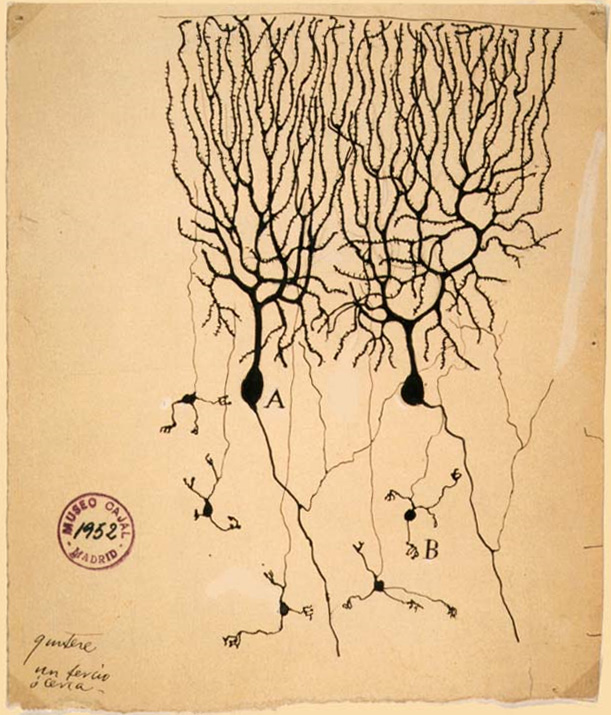
 Paul Greer