
By A. O. SCOTT
NY Times Published: December 9, 2010
“Here is a description of some of the most innovative and important American theater of the last quarter of the 20th century. A man sits at a table and starts talking. If he has props, they are minimal — a spiral notebook, a record player, a box of pictures — and his costume is correspondingly modest, consisting usually of a flannel shirt, blue jeans or chinos, and sneakers. He speaks mostly about himself, digressing from anecdotes about his childhood and professional life into more serious confessional territory, though always with reserve and good humor.
When Spalding Gray, the man at that table, began performing his autobiographical monologues in the late 1970s and early ’80s — first as a member of the Wooster Group, then on his own — they felt radical and revelatory, like bulletins from newly discovered artistic territory. By 2004, when Mr. Gray committed suicide by jumping from the Staten Island Ferry, his work was a familiar and widely appreciated feature of the cultural landscape. He made occasional appearances in movies, television series and conventional plays, but his great role, his great project, was himself.”
via WolfAndFox
Saw “Swimming to Cambodia” when I was quite young and it made a huge impression on me, found & read transcriptions of his other performances (no internet). It hurt me when I found out that he had gone.

“Pinter did what Auden said a poet should do. He cleaned the gutters of the English language, so that it ever afterwards flowed more easily and more cleanly. We can also say that over his work and over his person hovers a sort of leonine, predatory spirit which is all the more powerful for being held under in a rigid discipline of form, or in a black suit…The essence of his singular appeal is that you sit down to every play he writes in certain expectation of the unexpected. In sum, this tribute from one writer to another: you never know what the hell’s coming next.”
— David Hare in Harold Pinter:A Celebration Faber and Faber 2000 p 21
“How many times have we heard the tired injunction, “Show, don’t tell”? Of all the specious screenwriting rules peddled by gurus fleecing the young, this is the most annoying of the lot, because it’s plain to anyone who’s ever bothered to watch a play or a film carefully that the best writers invariably achieve their effects by mixing showing and telling. It’s how you configure showing and telling that makes you great. In fact, it’s the amount of one you mix with the other to which we give the name “personal style”. Read one page of Shakespeare, a writer fond of interior monologue. First he tells, then he shows. And that’s how Pinter does it as well.”
– Adultery, alcohol and menace,
via i12bent

Recorded this film off the telly on ye olde VHS when I was a child, and it was one of the films, (along with the Terror of Mechagodzilla)that I watched over and over again. Bela plays Ygor, who’s neck was broken in the Noose at the end of “Bride”. I remember the sound it made when he tapped it, to let you know it was actually broken and he was actually still alive.
Images courtesy of Obscure Hollow.
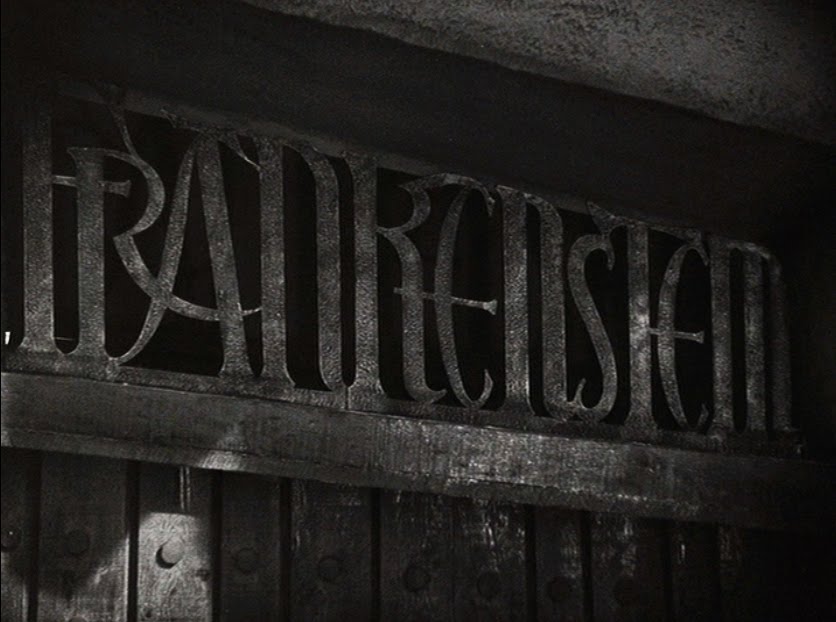
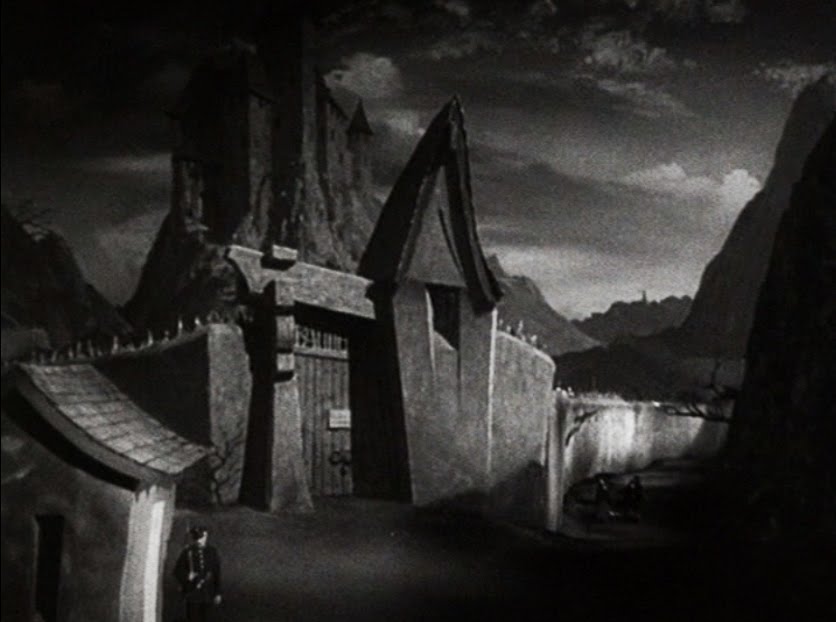
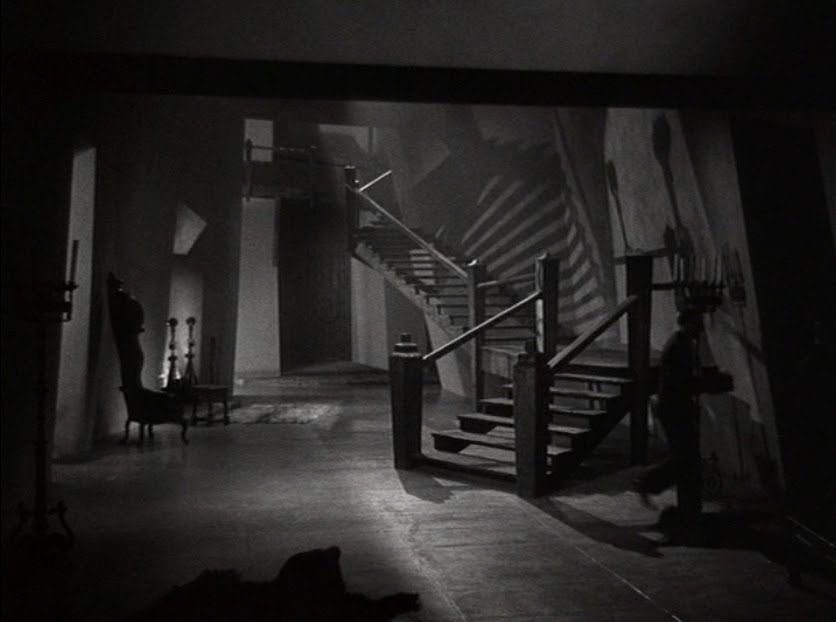
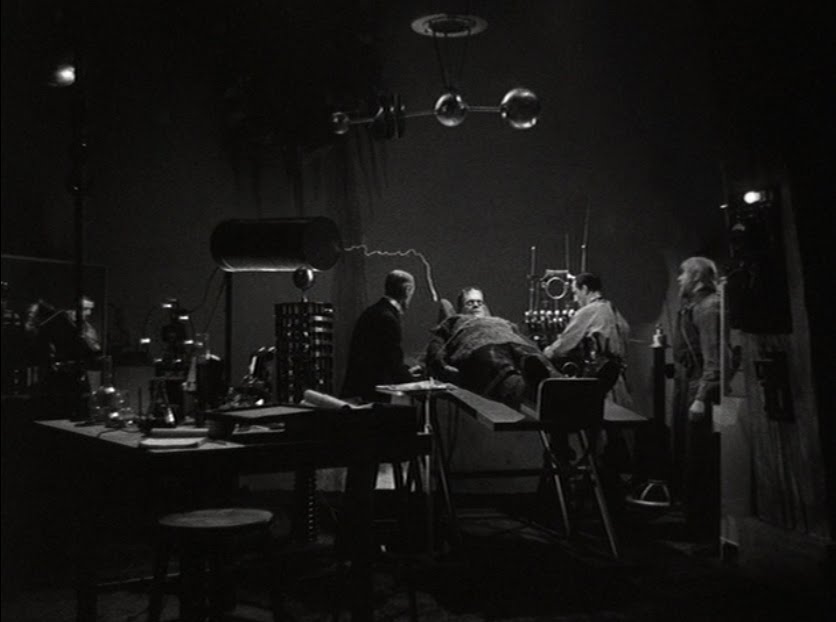
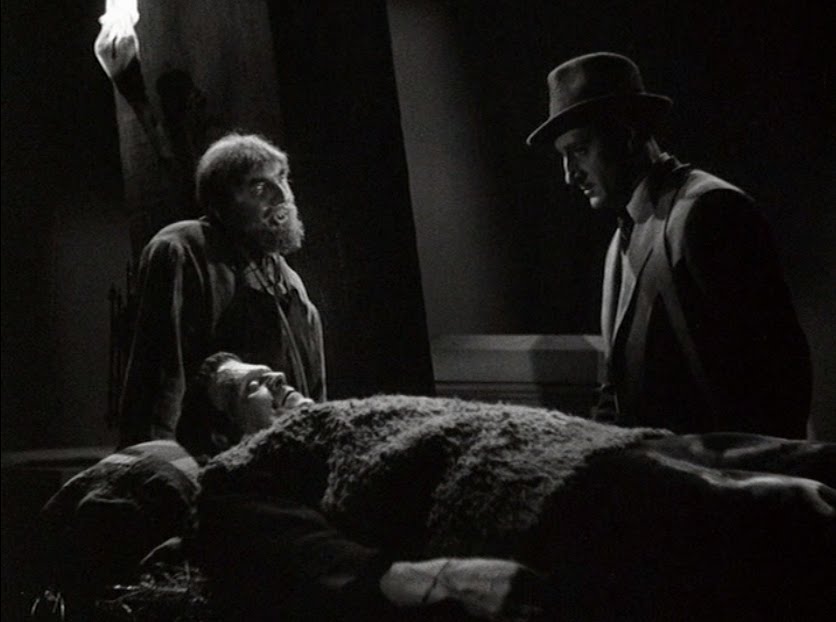
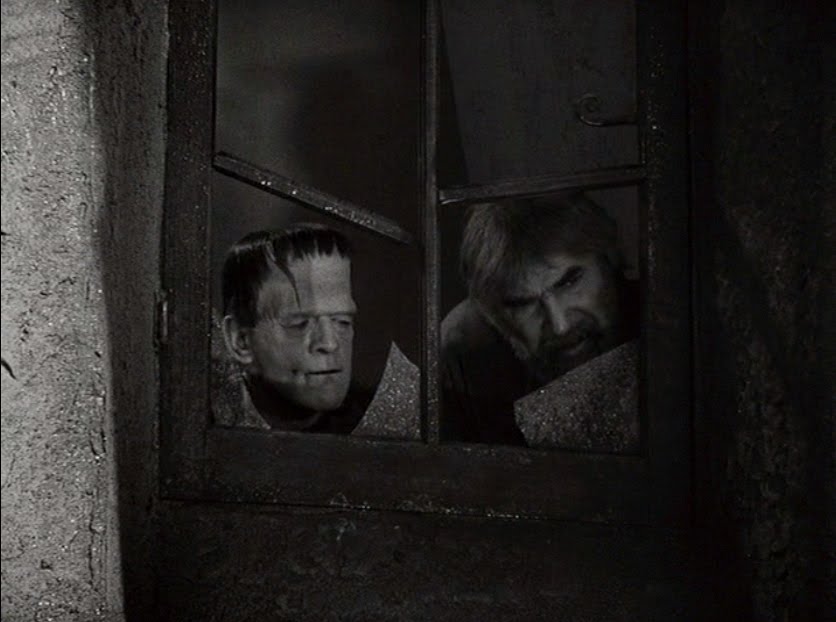
See more great stills from this film here.

 Paul Greer