Born in Moscow, Val Telberg lived in China, Japan, and Korea during his youth. He studied painting at the Art Student’s League, New York, in 1942, where he was exposed to the surrealism movement and experimental filmmaking. To support his painting, Telberg traveled from Florida to Massachusettes, printing photographs of nightclub patrons and working at photographic concession stands where people posed with cutouts of celebrities. In 1945, he returned to New York and produced narrative, surrealist photographs using sandwiched, bleached or burned negatives and double exposure within the camera. His later work evolved to large scale, scroll-like multiple images.
Around that time, Mr. Telberg began experimenting with the multiple-image photographic technique for which he became known. His photomontages, which sometimes were mural-size, consisted of layered images of figures in motion and had a dreamlike weightlessness associated with Surrealism. He had his first major show at the Brooklyn Museum in 1948. In the mid-1950’s he collaborated with Nin, creating images for the 1958 edition of her book “The House of Incest.”
In 1942 he began to study painting at the Art Students League in New York City; there he met Kathleen Lambing, who taught him photography and whom he married in 1944. His first professional photographic experience came that year, when he was employed as a nightclub photographer in Florida and later at a portrait concession in Fall River, Massachusetts. In 1948 he returned to New York and did freelance photography. In addition to his commercial endeavors, Telberg did his own work, much of which involved experimental printing from multiple negatives.
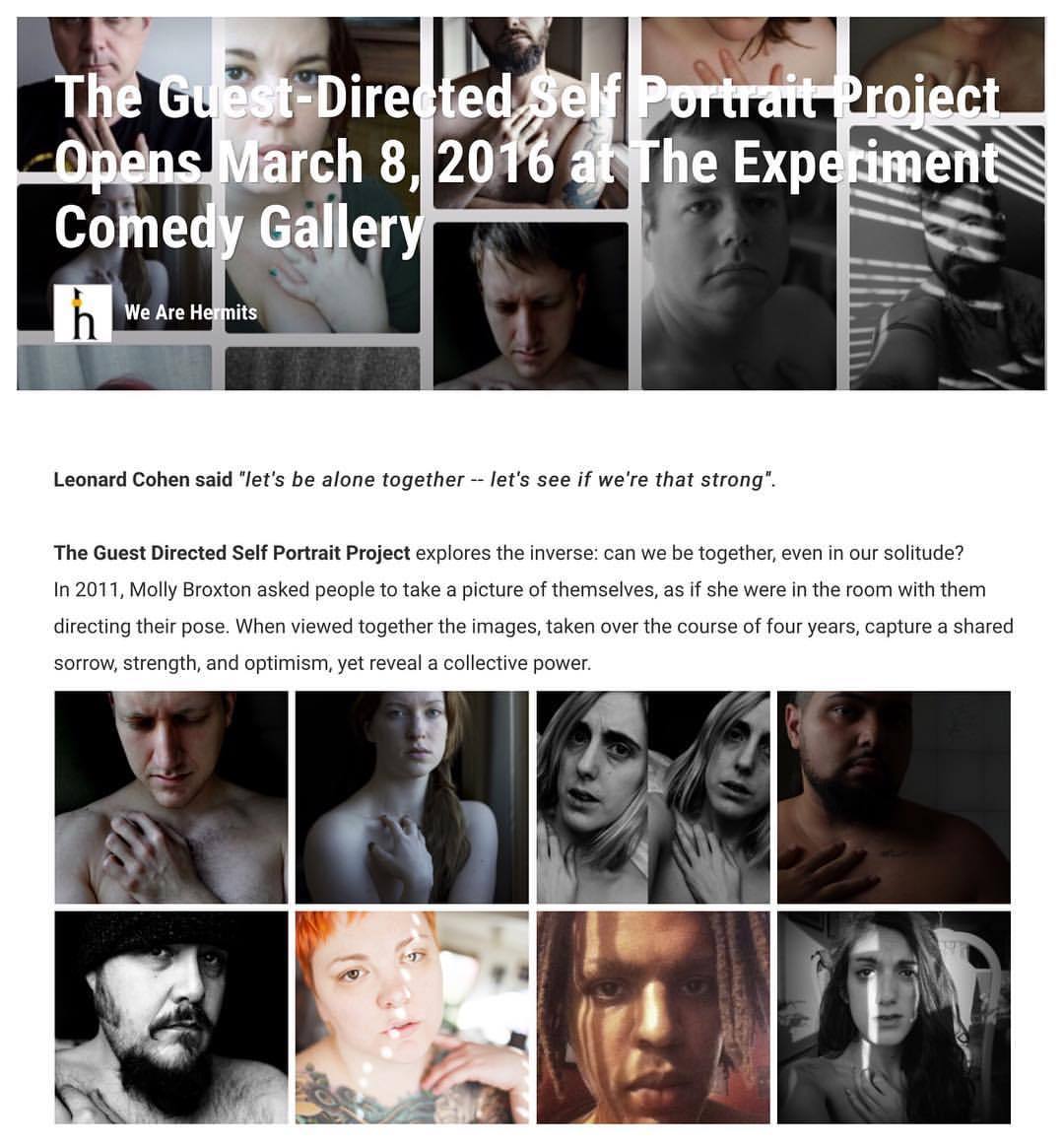
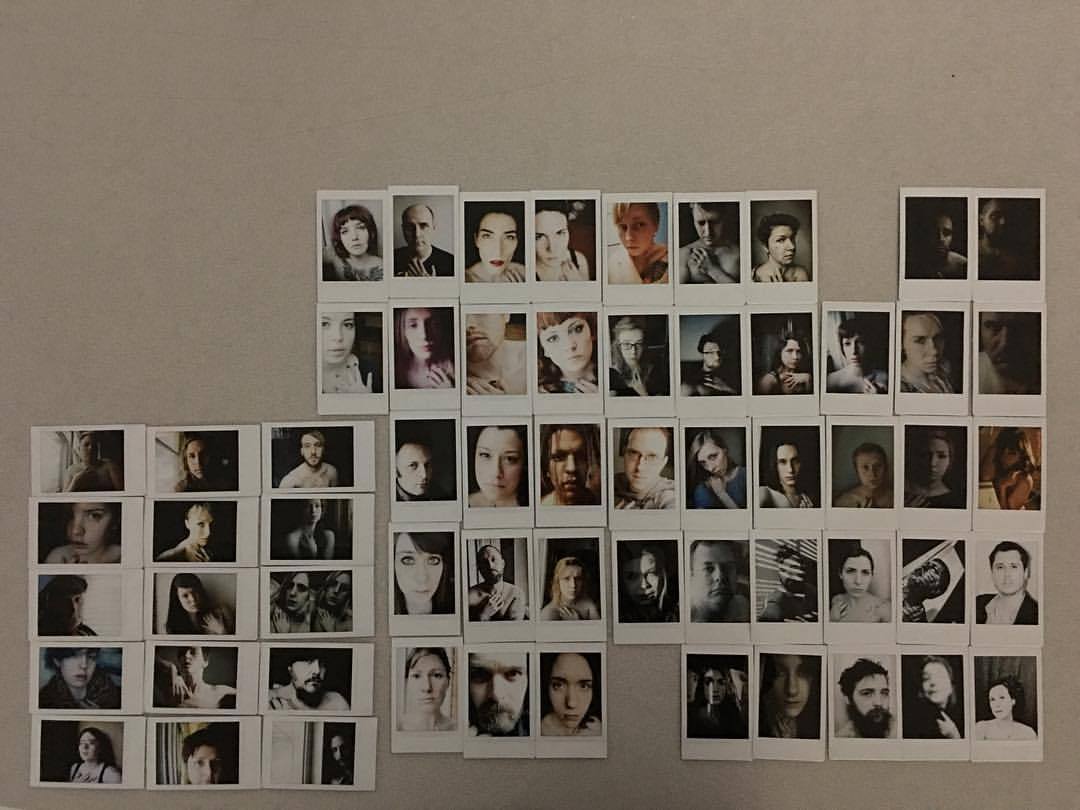
Dear People of New York, I have some work in this show taking place on Tuesday March 8th, 8pm @theexcomedy – 20 Broadway in Brooklyn.
I am unable to attend myself due to a very large body of water being in the way, but if you can manage to attend I can guarantee there’s some awesome work to see and excellent people to meet. 👌
(get there for 5:30 to also see Mic Against Humanity)
Why does anyone share anything ever. Does it help people? These are all thoughts and findings and I collected them over time and then here they are. What I thought was worth passing on. Perhaps I should be weaving it into some kind of artful enterprise, but for the moment there is only this. A list. I’m work on making more stuff, but there is very little time, it’s not easy. I’m posting “daily” sketches at Instagram, so follow me there if you like.
I have to say I have been haunted by thesetwo renderings from real time tech leonardo, Kyle McDonald. When I was little I remember imagining animation as it might be if each frame was as detailed as an oil painting, it didn’t take much practical experience for me to realise that such ideas would lead to certain doom of endless work, no friends and little result.
Bring on neural network analysis, the Inception Network and Google’s Deep Dream. This from the Bethge Lab.
In fine art, especially painting, humans have mastered the skill to create unique visual experiences through composing a complex interplay between the content and style of an image. Thus far the algorithmic basis of this process is unknown and there exists no artificial system with similar capabilities. However, in other key areas of visual perception such as object and face recognition near-human performance was recently demonstrated by a class of biologically inspired vision models called Deep Neural Networks. Here we introduce an artificial system based on a Deep Neural Network that creates artistic images of high perceptual quality. The system uses neural representations to separate and recombine content and style of arbitrary images, providing a neural algorithm for the creation of artistic images. Moreover, in light of the striking similarities between performance-optimised artificial neural networks and biological vision, our work offers a path forward to an algorithmic understanding of how humans create and perceive artistic imagery.
and the algorithm, the dream doings that wre blowing people away a month or so ago there are people around the word making this mad math work on images like this, and as you can read here, it’s not at After Effects plug-in utility level yet (there appears to be many lvels of adjustment and feedback loops), but i’m sure it’s only a matter of time and several levels of genius away.




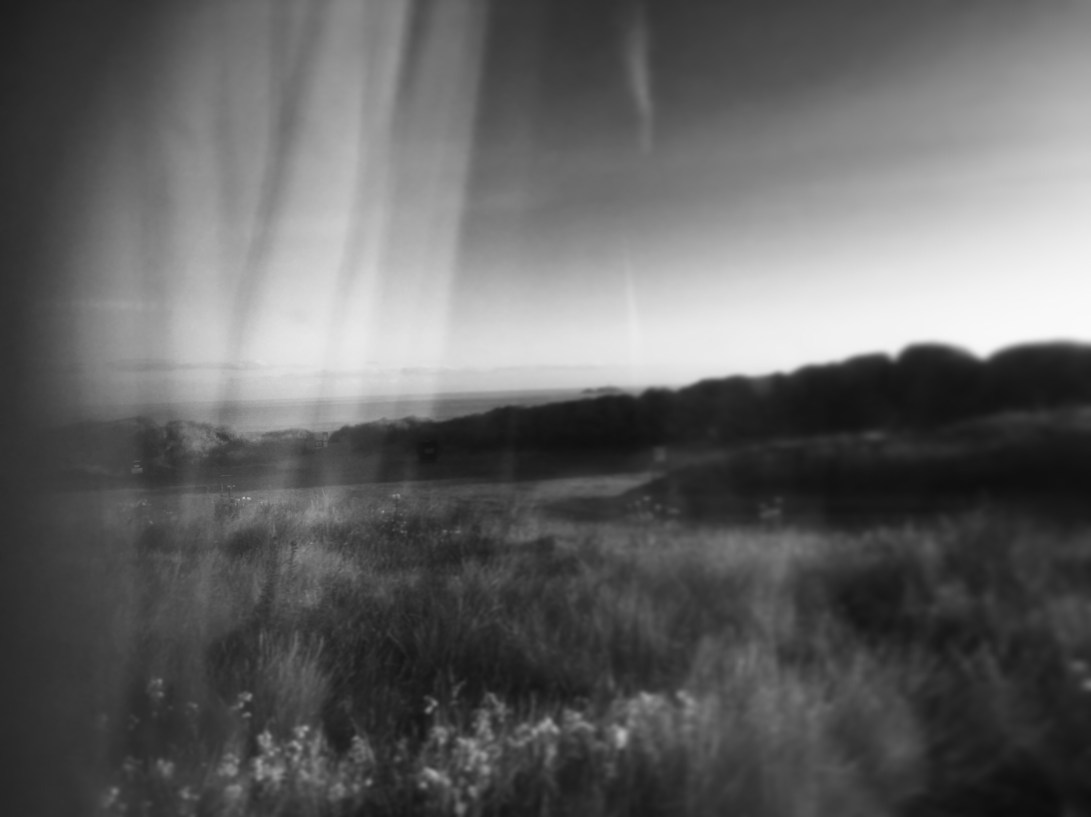
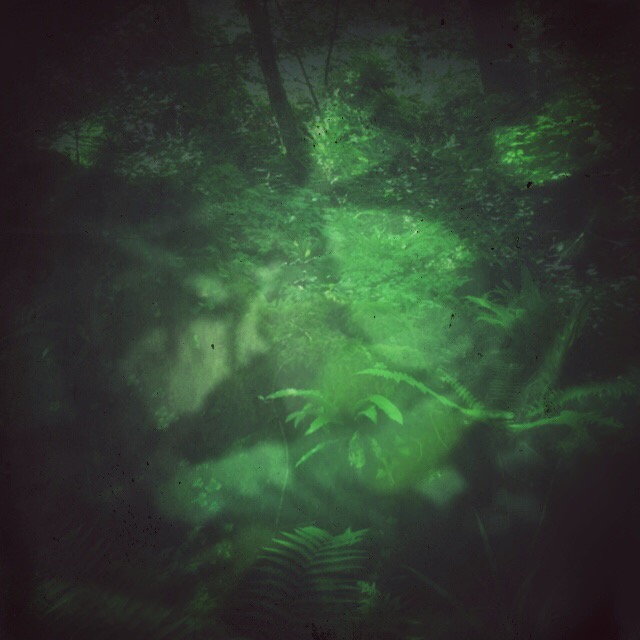
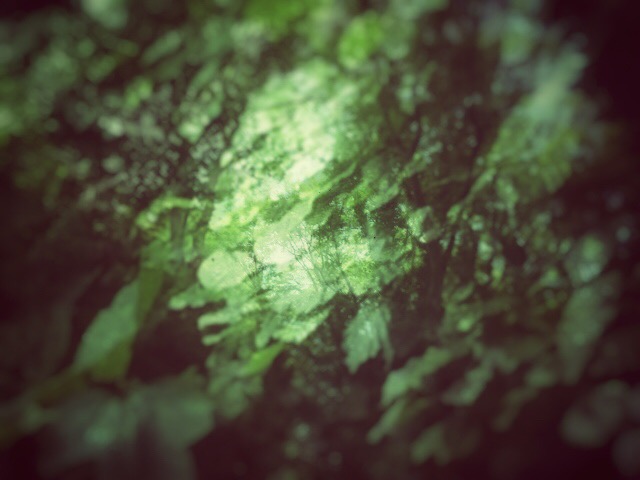
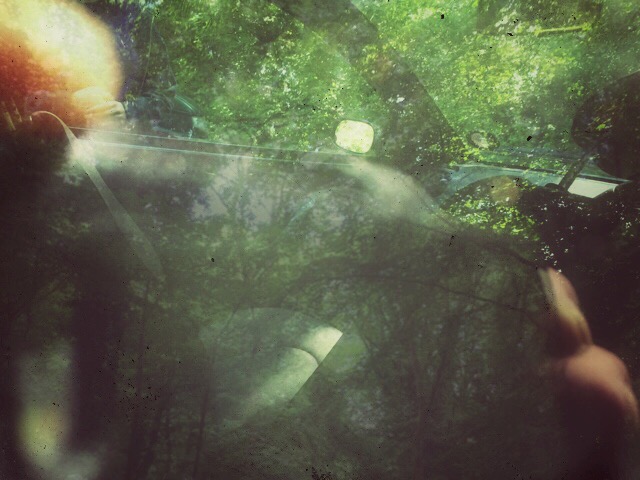


 Paul Greer