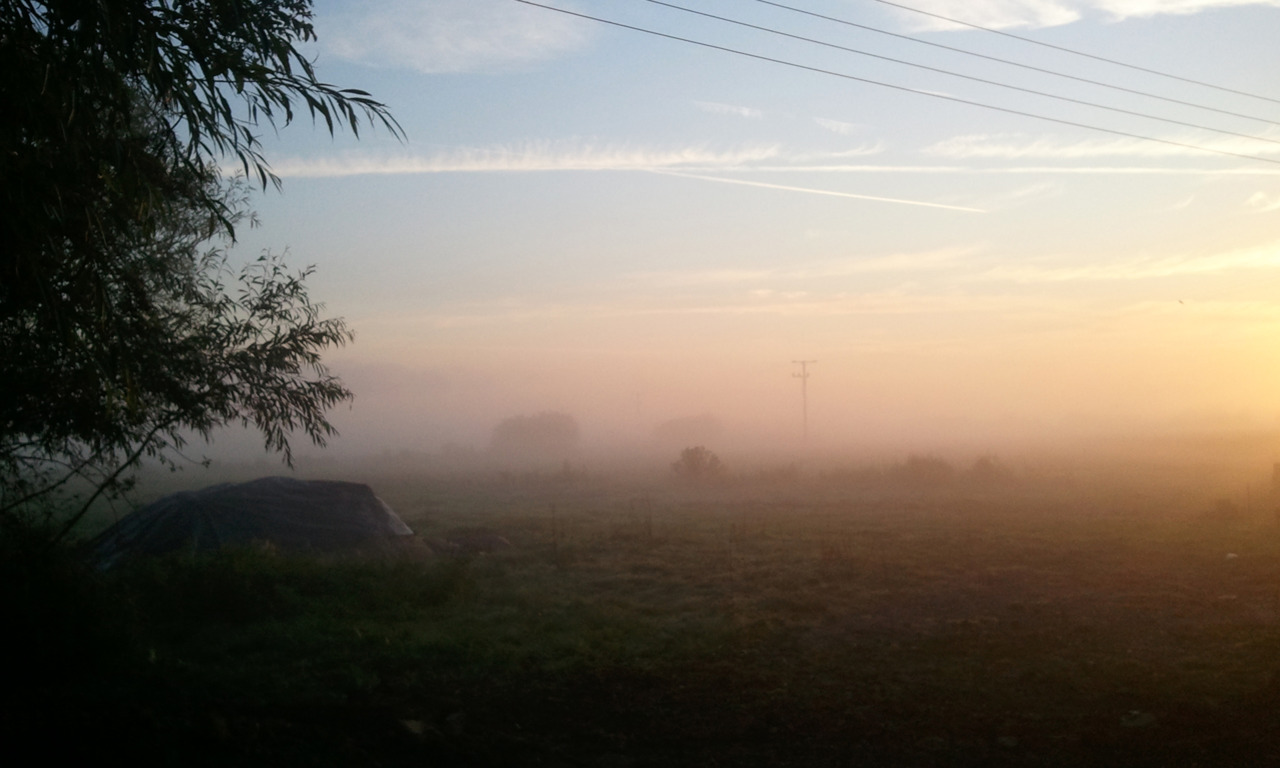
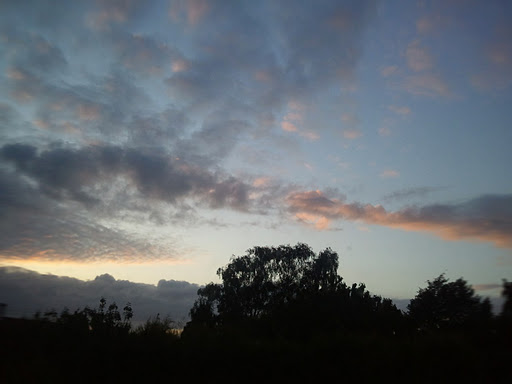
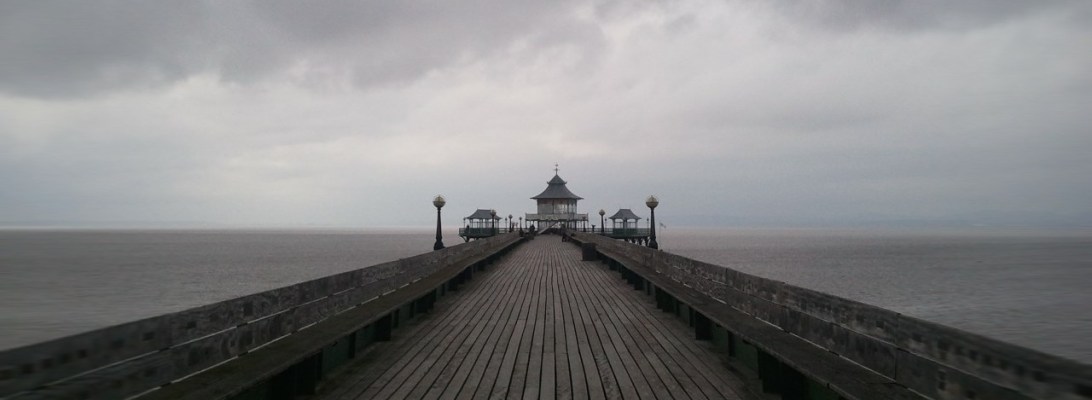
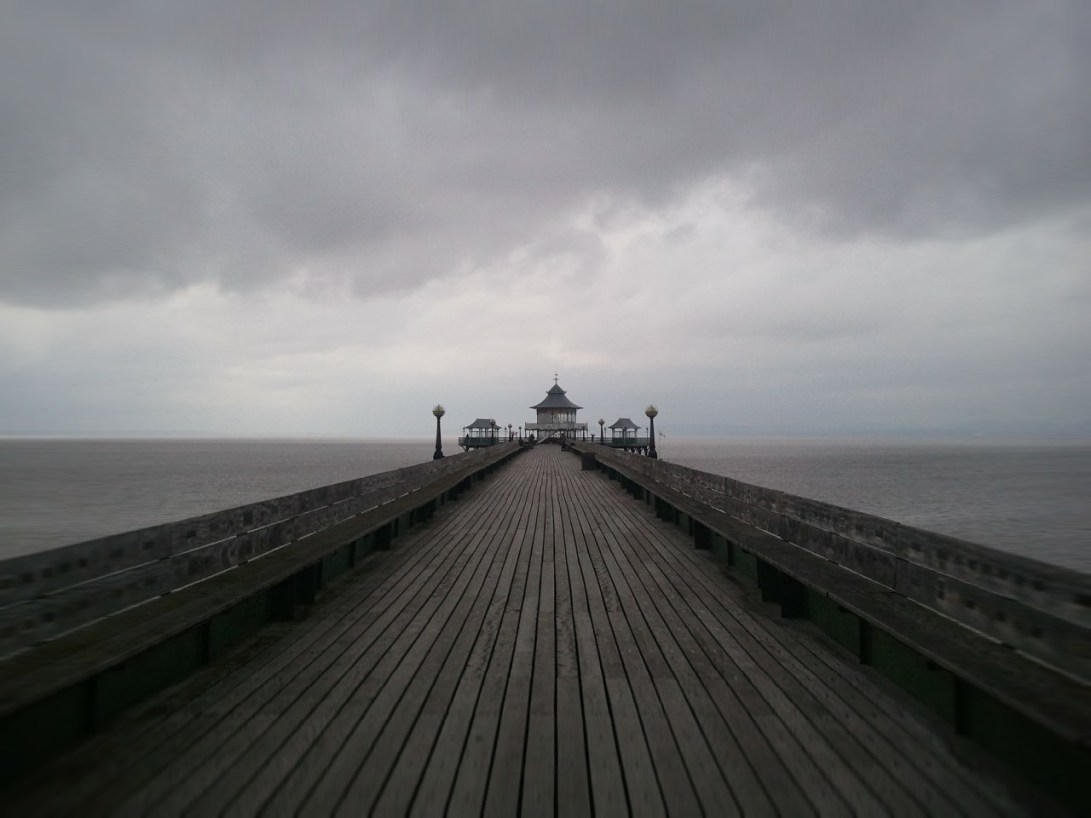
 Taken dawnish on the region of Sand Bay, when running at stupid o’clock during the summer (remember the summer?).
photography
Envelope Full of Art.
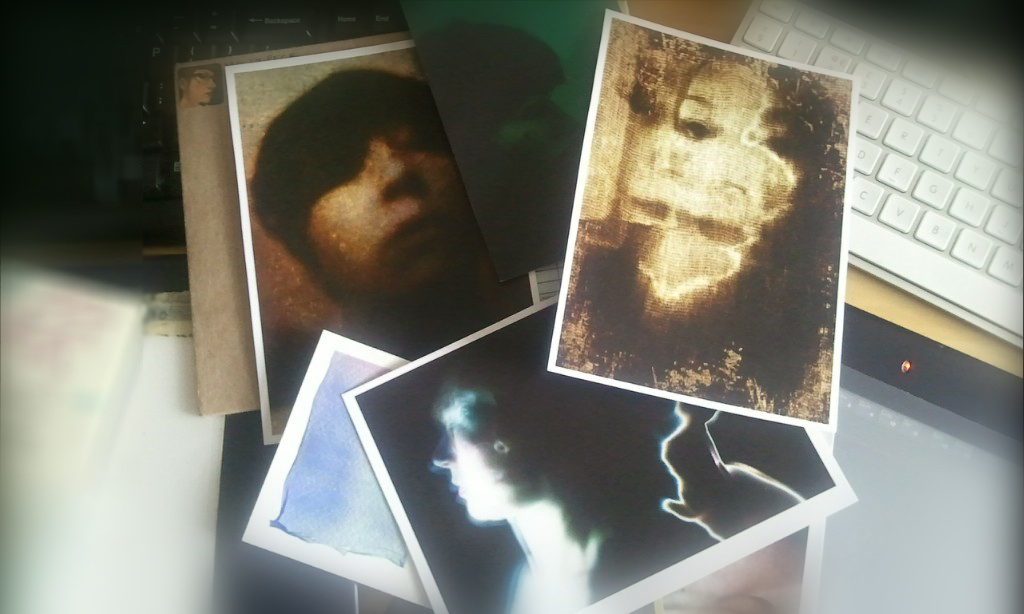
Camera Phone






Etienne-Jules Marey and his Chronophotographic Gun

“A polymorphic scientific, Etienne Jules Marey explored numerous techniques and disciplines, obsessed by one unique concept: movement. First interested in flight, he studied birds and imagined mechanical devices capable of flying. From 1878, he focused on movement within human beings and, inspired by Edward Muybridge he had met in 1881, used photography to document his research. He thus imagined, in 1882, a camera entitled photographic gun that enabled him to capture a moving subject in twelve poses. Etienne Jules Marey thus decomposed the gestures of men practicing sports, animals in motion, everyday tasks precisely observed and even the migration of air. He also invented the chonophotography that would be the precursor of cinema. Photography in its early days was the ultimate accomplice of reality but with Etienne Jules Marey (and Edward Muybridge), photography suddenly also captured the invisible.”

“Marey started by studying blood circulation in the human body. Then he shifted to analyzing heart beats, respiration, muscles (myography), and movement of the body. To aid his studies he developed many instruments for precise measurements. For example, in 1859, in collaboration with the physiologist Auguste Chauveau and the watch manufacturer Breguet, he developed a wearable Sphygmograph to measure the pulse. This sphygmograph was an improvement on an earlier and more cumbersome design by the German physiologist Karl von Vierordt.[3] In 1869 Marey constructed a very delicate artificial insect to show how an insect flies and to demonstrate the figure-8 shape it produced during movement of its wings. Then he became fascinated by movements of air and started to study bigger flying animals, like birds. He adopted and further developed animated photography into a separate field of chronophotography in the 1880s. His revolutionary idea was to record several phases of movement on one photographic surface. In 1890 he published a substantial volume entitled Le Vol des Oiseaux (The Flight of Birds), richly illustrated with photographs, drawings, and diagrams. He also created stunningly precise sculptures of various flying birds.”

”
“Marey studied other animals too. He published La Machine animale in 1873 (translated as “Animal Mechanism”). The English photographer Eadweard Muybridge carried out his “Photographic Investigation” in Palo Alto, California, to prove[dubious – discuss] that Marey was right when he wrote that a galloping horse for a brief moment had all four hooves off the ground. Muybridge published his photos in 1879 and received some public attention.”
“Marey’s chronophotographic gun was made in 1882, this instrument was capable of taking 12 consecutive frames a second, with all the frames recorded on the same picture. Using these pictures he studied horses, birds, dogs, sheep, donkeys, elephants, fish, microscopic creatures, molluscs, insects, reptiles, etc. Some call it Marey’s “animated zoo”. Marey also conducted the famous study about cats always landing on their feet. He conducted very similar studies with a chicken and a dog and found that they could do almost the same. Marey also studied human locomotion. He published another book Le Mouvement in 1894.”

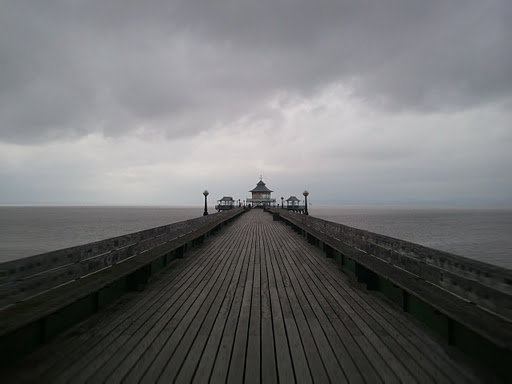
Clevedon Pier
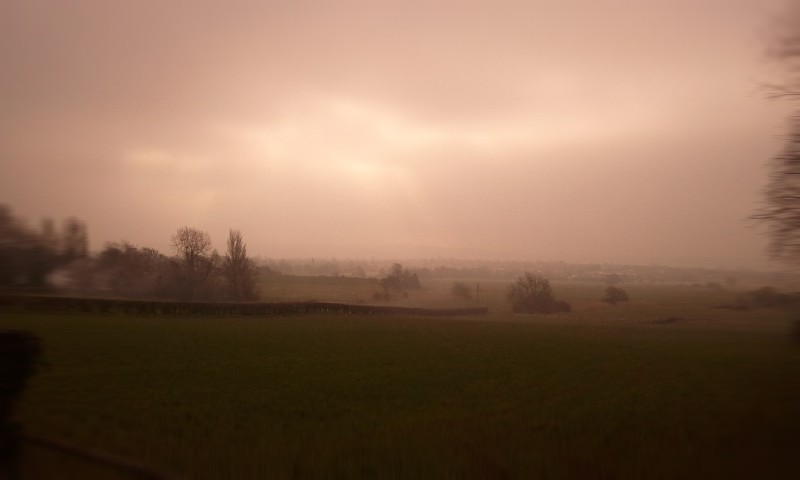
Morning light across the valley from Tickenham.
Floris Neusüss (1937)

“Neusüss’s frames are very large, and reproduce the human body in life size, but also other objects. They look like ghosts, ectoplasms, magical light creatures. And they constitute a different point of view on bodies and things. The German artist says: “In the frame the observer distinguishes the fragmentariness of the object as a citation of reality”.”
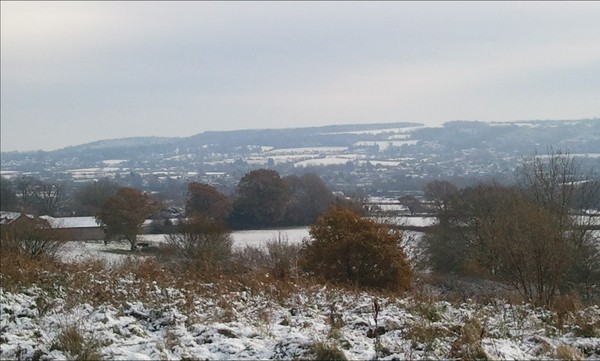
Snowsville,Englandshire
Las Polaroid de Tarkovsky
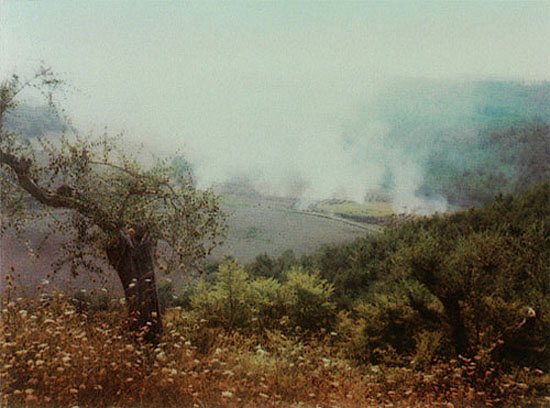
“No es muy conocido que Tarkovsky, cuyas películas parecen estar compuestas a veces por un montaje de fotografías estáticas, se dedicó durante algún tiempo, efectivamente, a tomar fotos con una Polaroid. Estas fotos, a pesar de sus imperfecciones técnicas, atestiguan la misma forma de mirar y el mismo mundo visual de sus grandes films.”
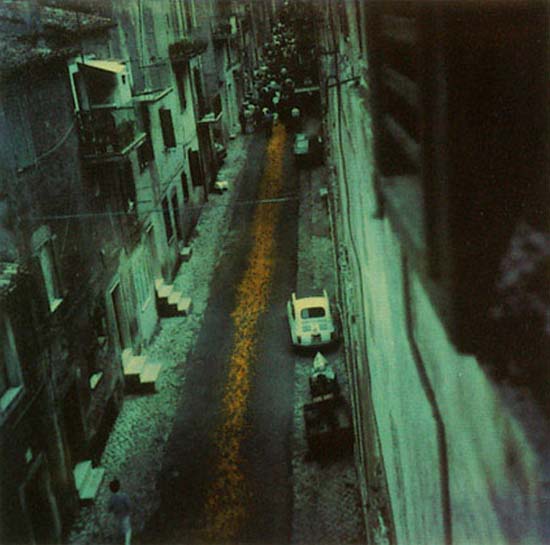
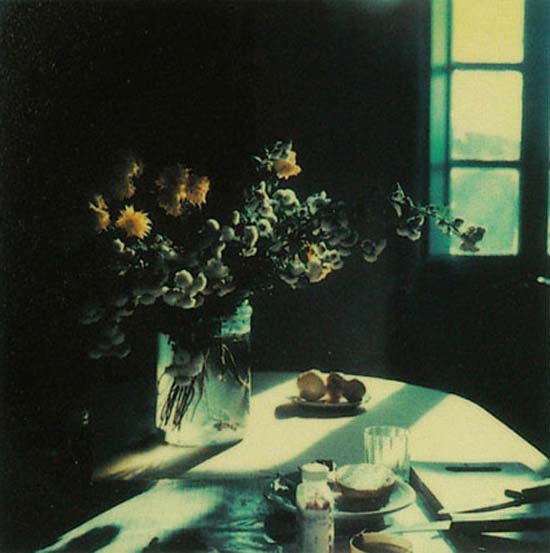
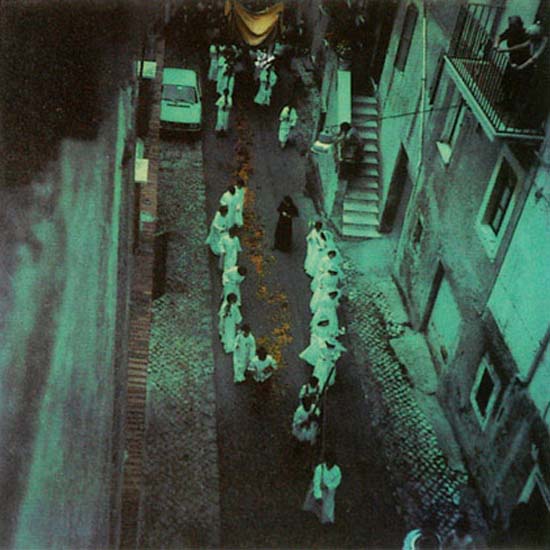
more at: Poemas del río Wang
 Paul Greer