
aka: Intermittently Regular #365 Sketch Project Update 172-182
It’s been a while so I am all out of sorts with drawings and order etc.
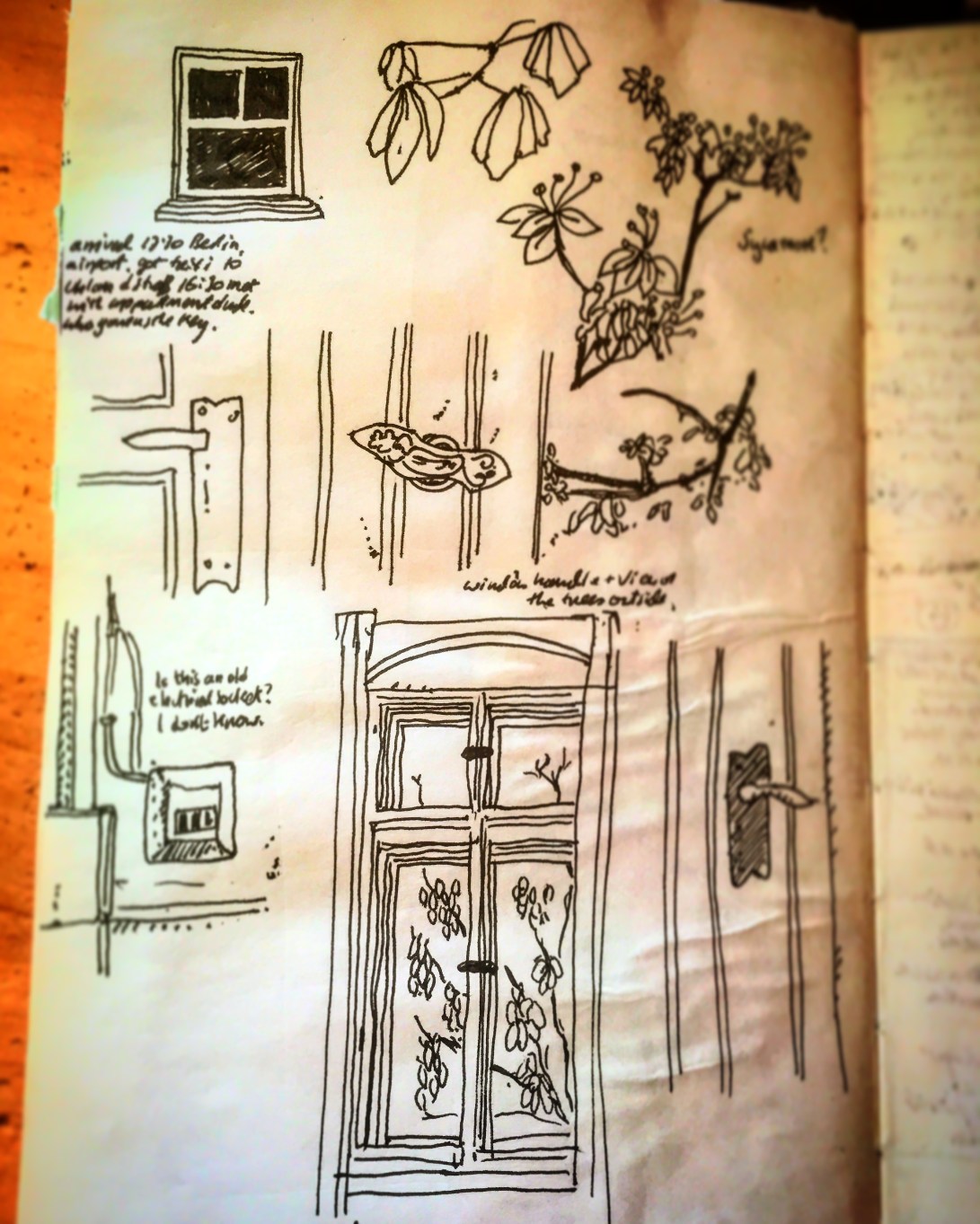
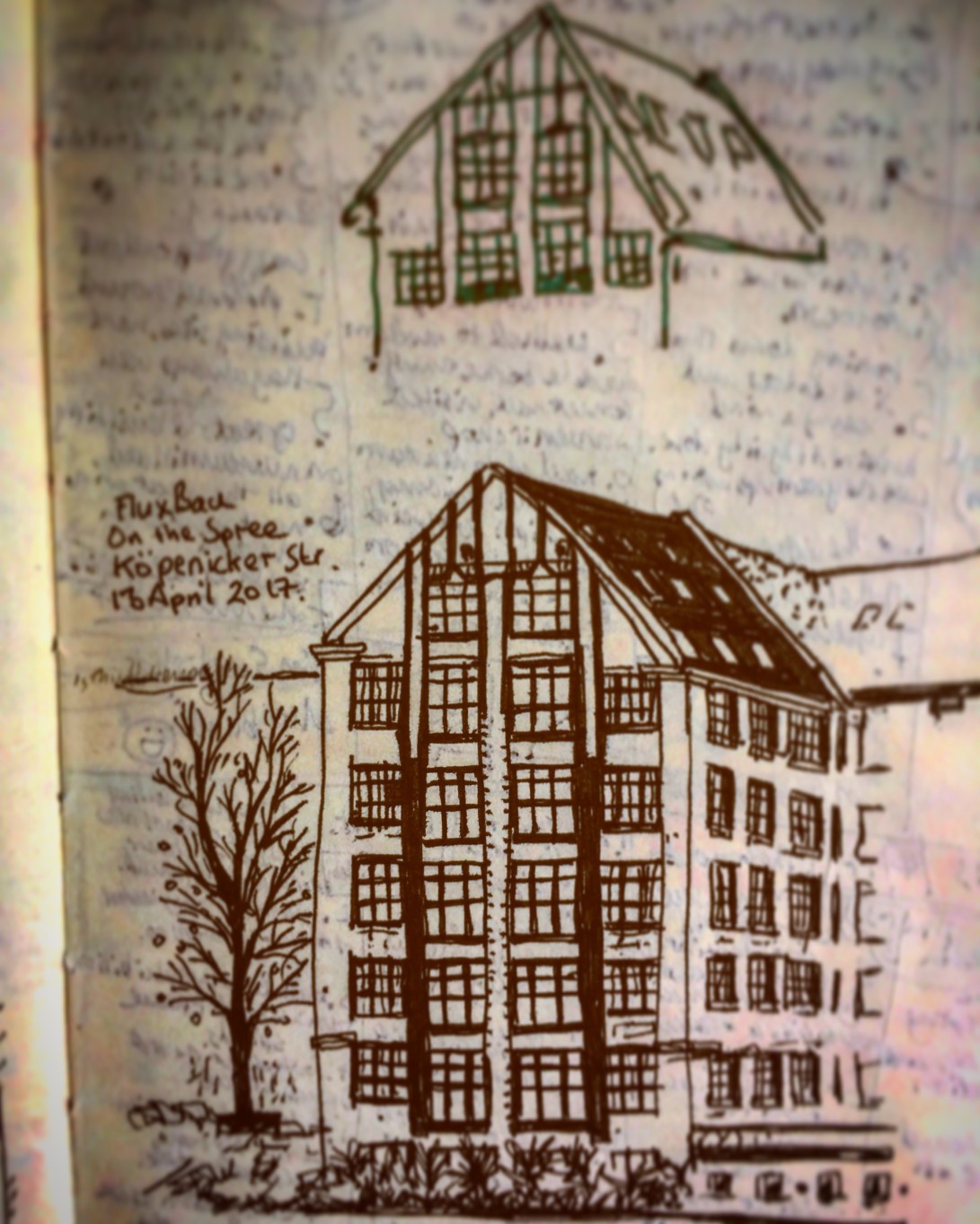
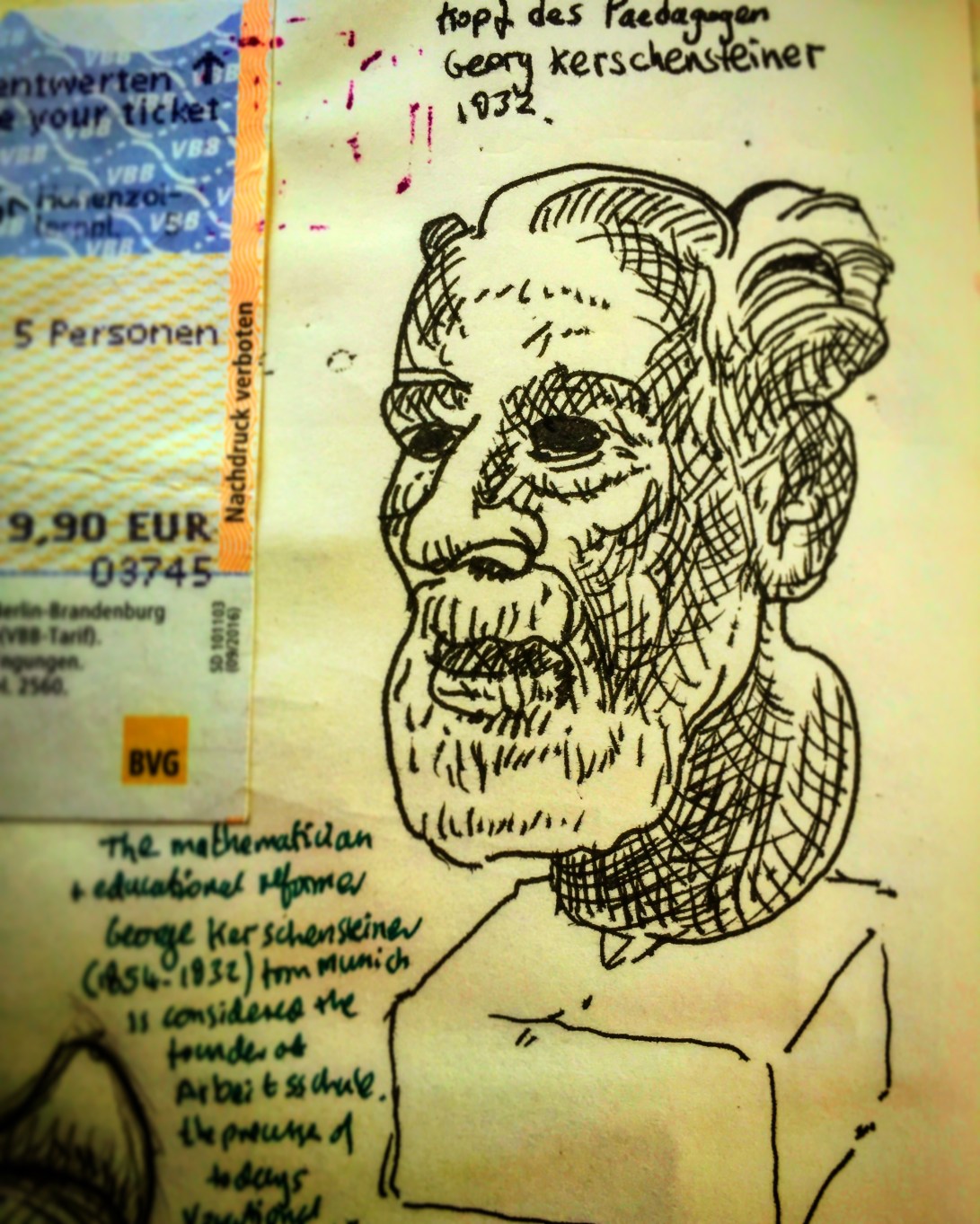
This is a batch from our Spring trip to Berlin. I have some more of these and I will post them in due course as some of them were scribbled on site and need a little bit of finishing off.
There’s some good advice here on drawing animals by Aaron Blaise, which could be applied to drawing from life of any kind. Mainly:
- Draw from Life
- Do your research before you go out.
- Bring the right supplies and be prepared.
- Observe first draw later.
- Keep it loose and make quick observations.
- Adjust revise your proportions as you go.
- Take lots of pictures and build your personal reference library.
You should definitely read the whole post here.
Anyways, back to Berlin:

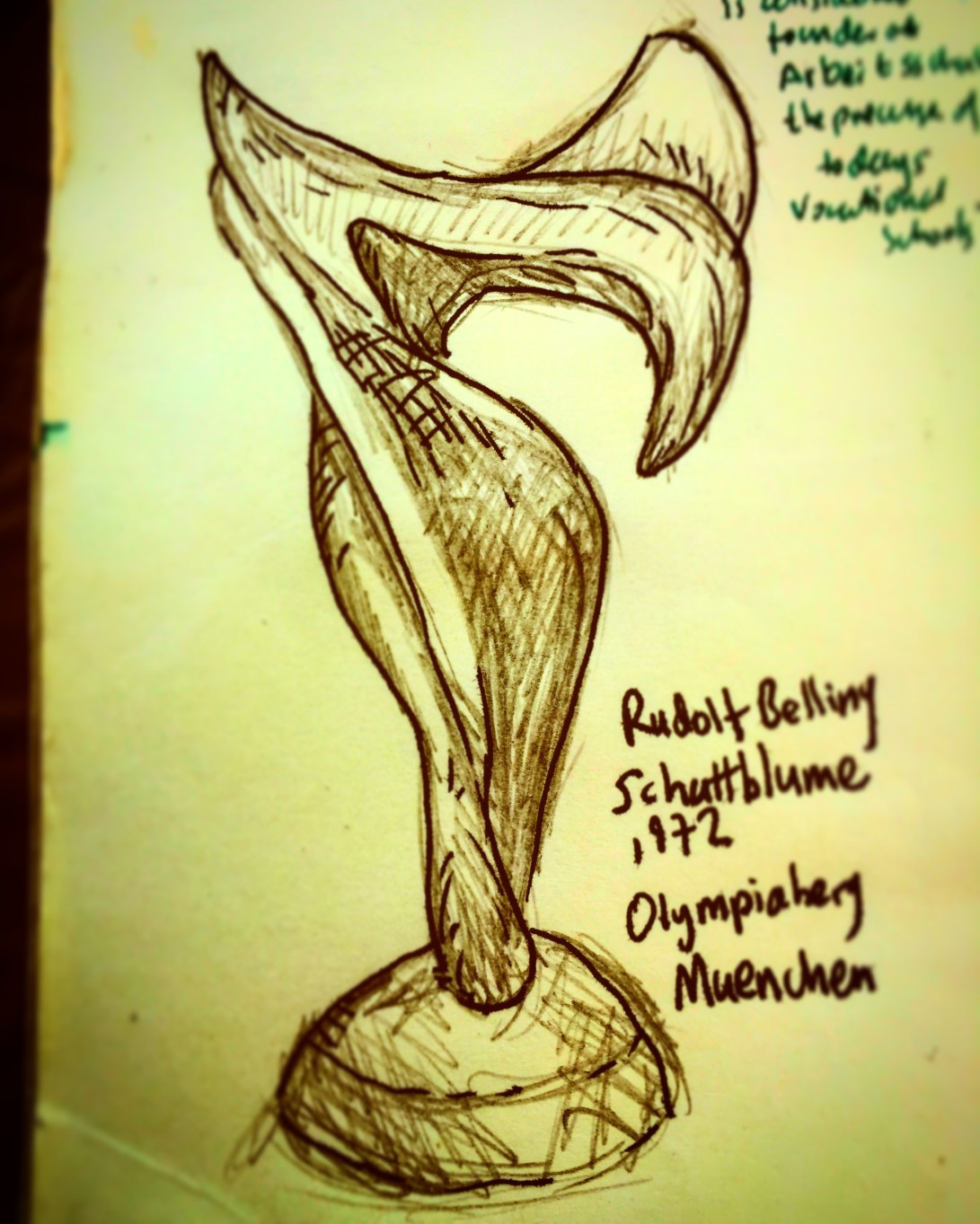
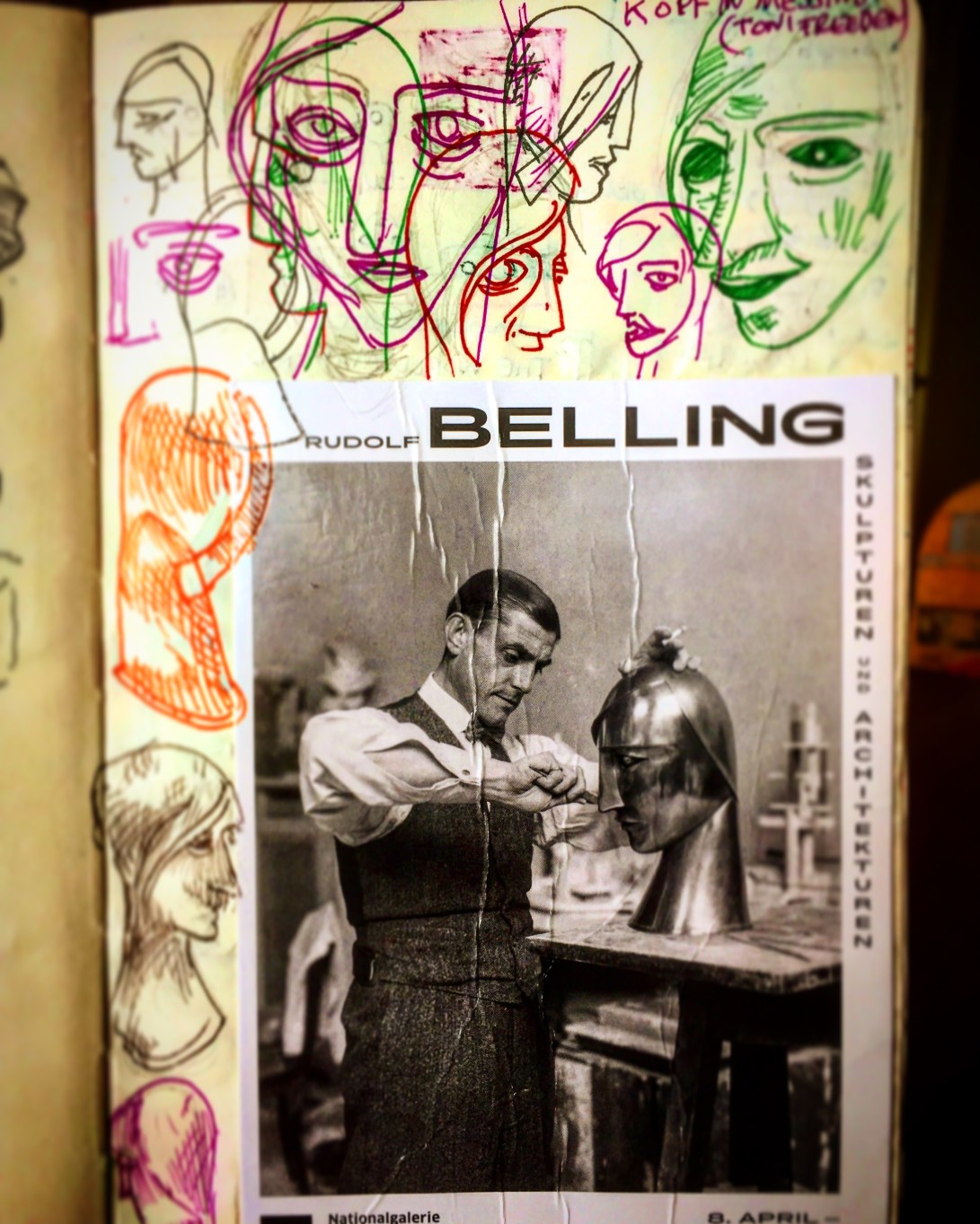
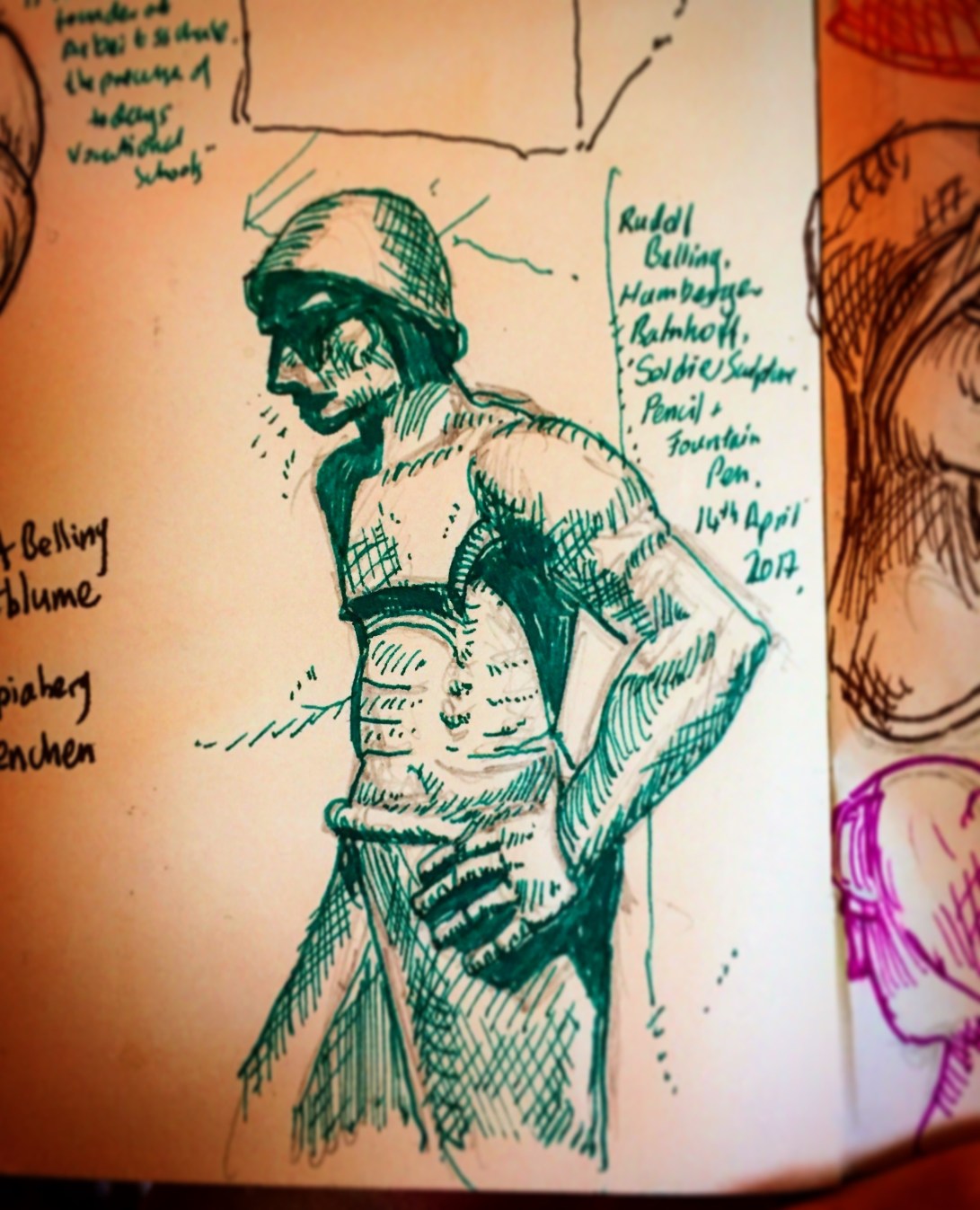
During out stay we were fortunate enough to visit the Rudolf Belling exhibition at the Hamberger Bahnhof museum. I was relatively unfamiliar with his work before this but we all really enjoyes seeing his work.
This from Wikipedia:
At the very beginning of the 20th century Rudolf Belling’s name was something like a battlecry. The composer of the “Dreiklang” (triad) evoked frequent and hefty discussions. He was the first, who took up again thoughts of the famous Italian sculptor Benvenuto Cellini (1500-1570), who, at his time, stated, that a sculpture should show several good views. These were the current assumptions at the turn of the century. However they foreshadow an indication of sculpture being three-dimensional.
Rudolf Belling amplified: a sculpture should show only good views. And so he became an opponent to one of the German head scientists of art in Berlin, Adolf von Hildebrandt, who, in his book, The problem of Form in Sculpture (1903) said: “Sculpture should be comprehensible – and should never force the observer to go round it”. Rudolf Belling disproved the current theories with his works.
His theories of space and form convinced even critics like Carl Einstein and Paul Westheim, and influenced generations of sculptors after him. It is just this point which isn’t evident enough today.
I hope to make a more comprehensive post about his work in the future.
 Paul Greer