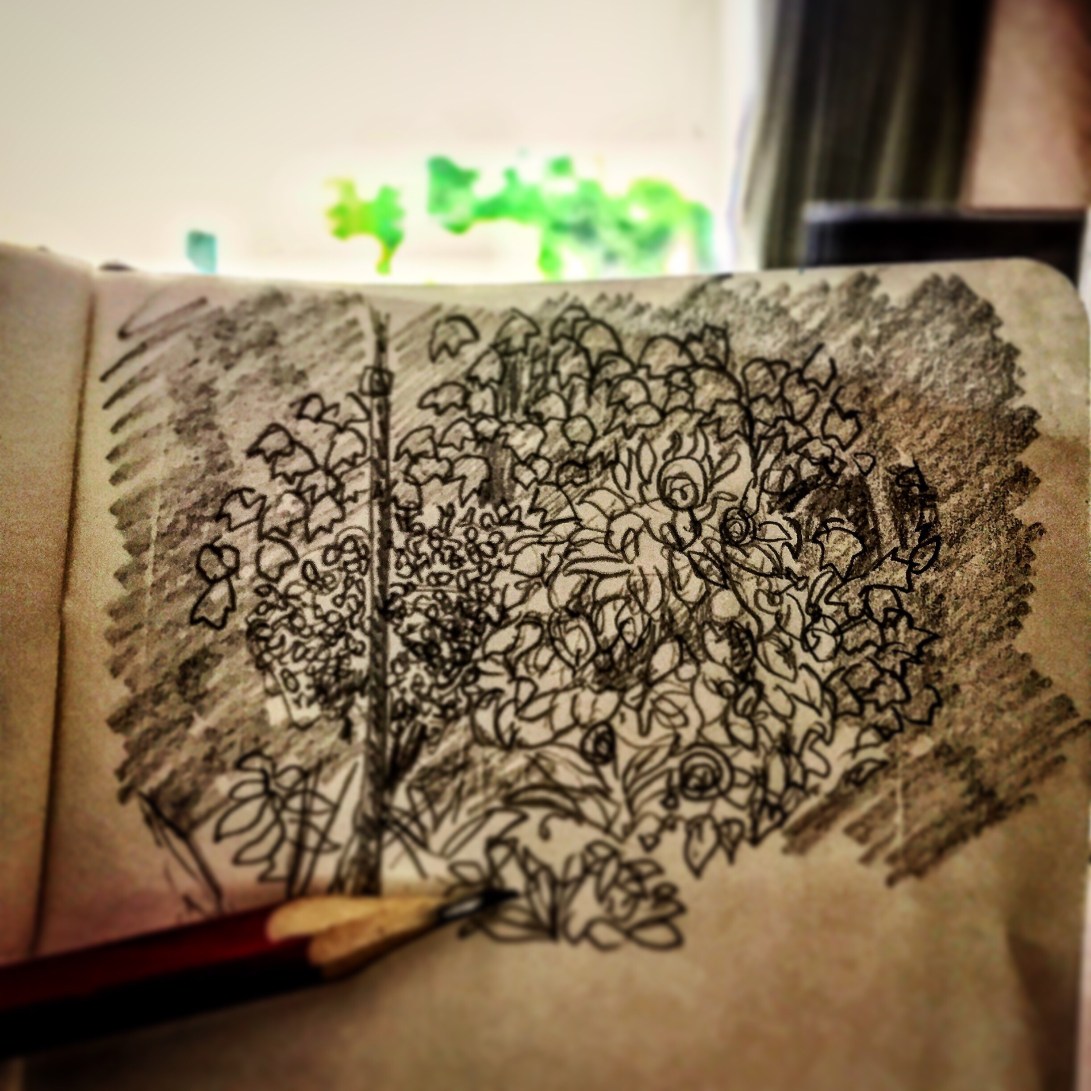
212/365
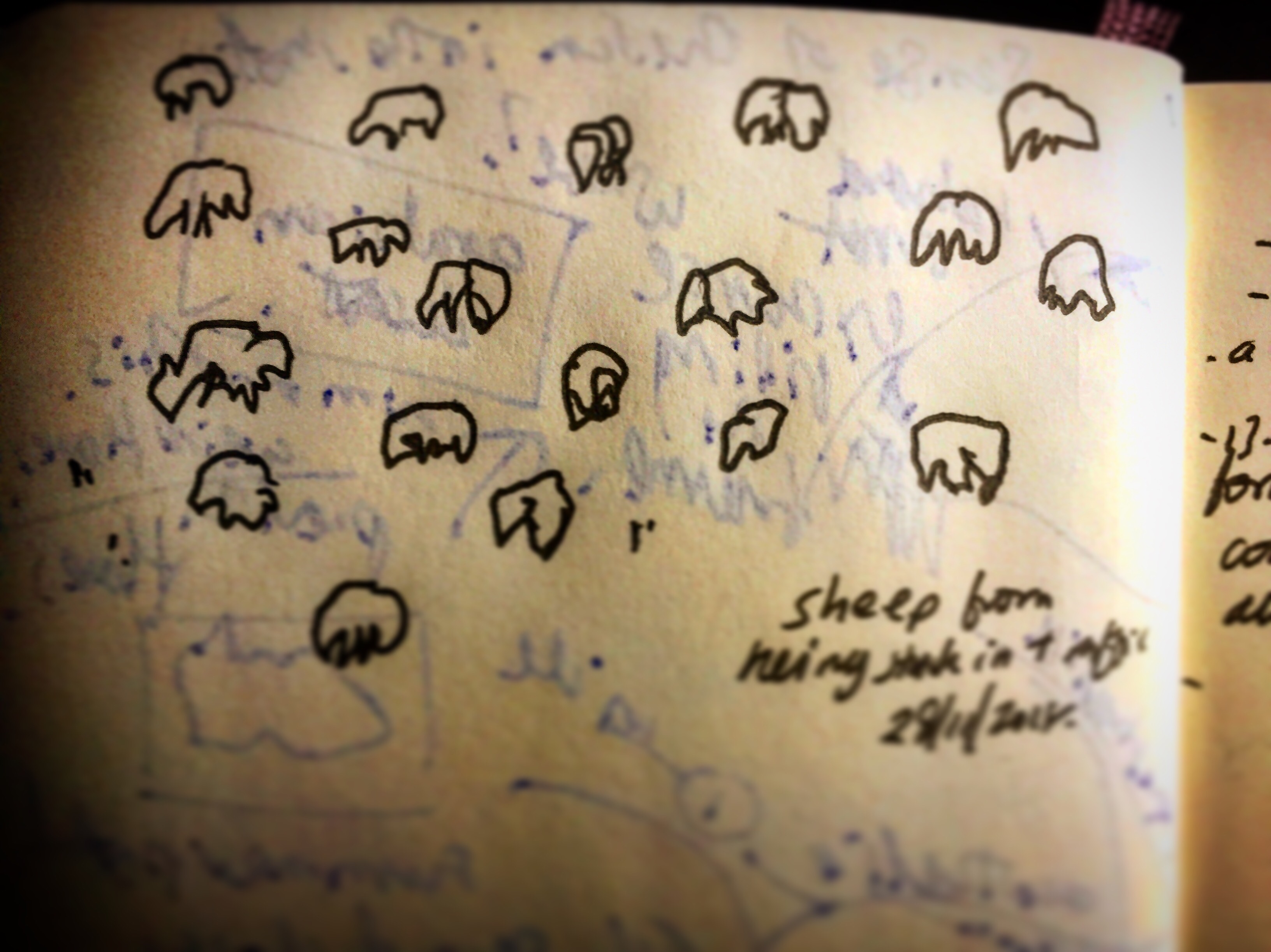
Going nowhere in the A370 for a good 40 minutes due to very high winds.
Drew some sheep.
Sheep in the wind.
Notebook: Beto
V-ball
🐑 🚌 💨

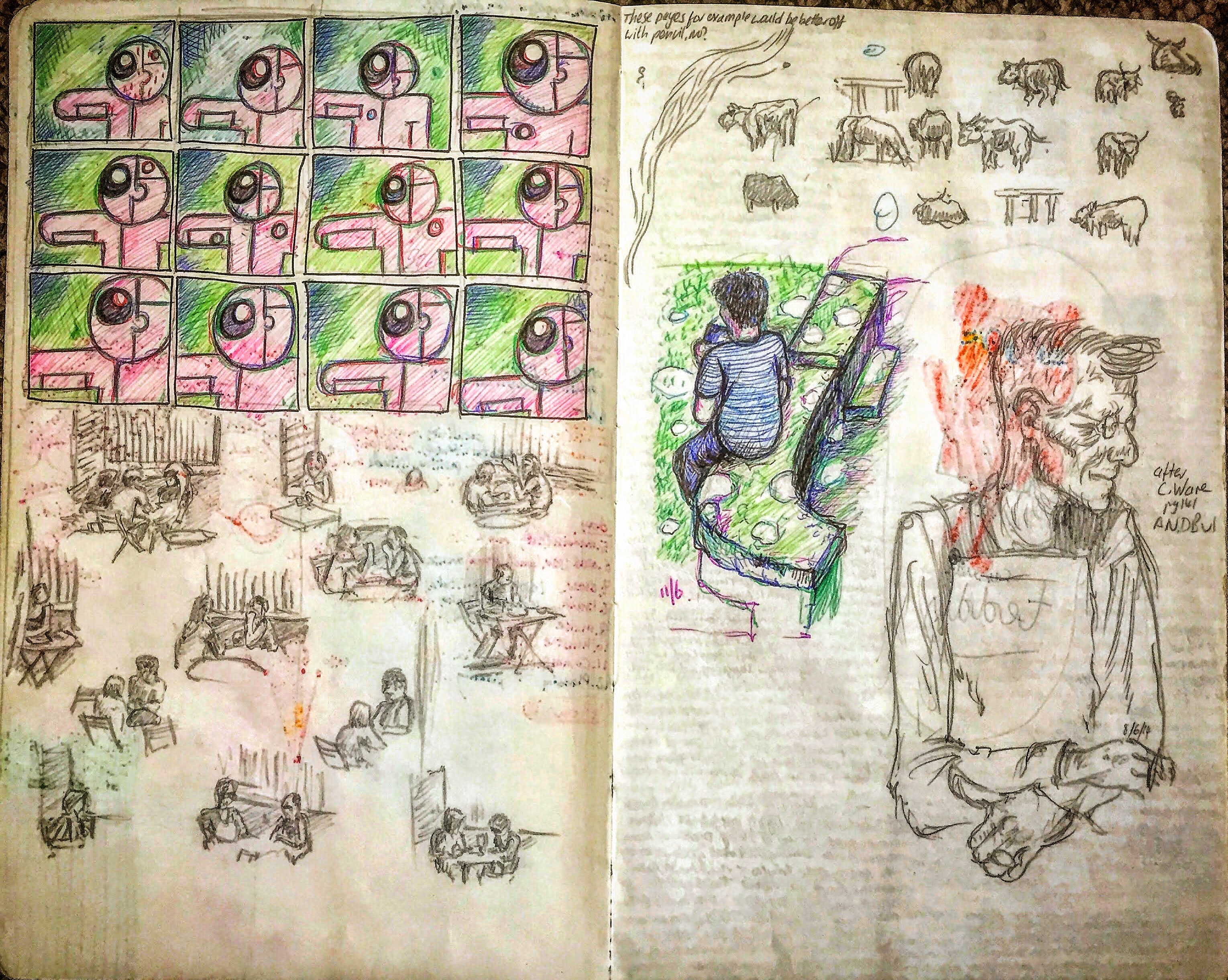
Continuing the project of uploading most pages form Notebook Ethel. As I said before these are from a few years ago now.
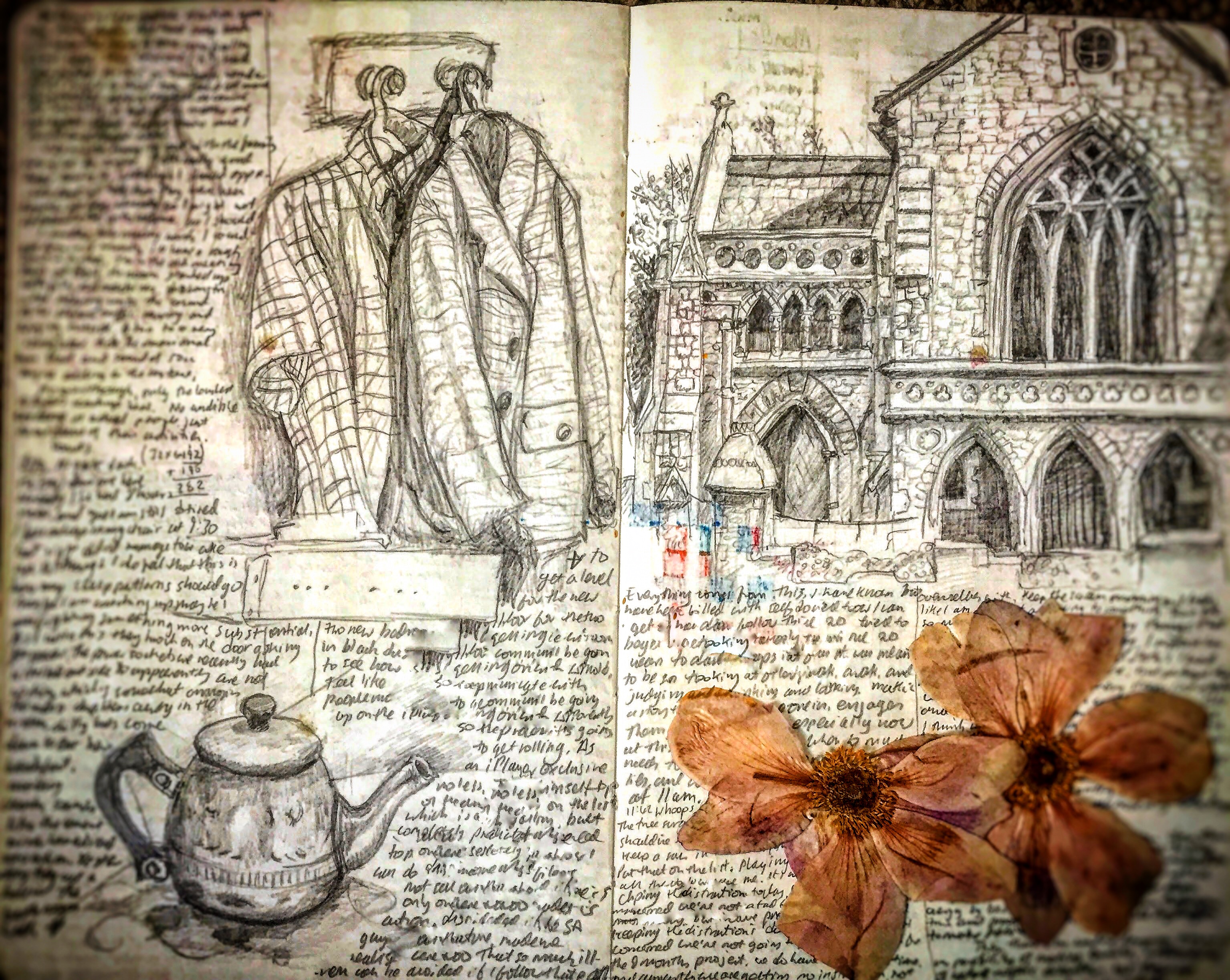
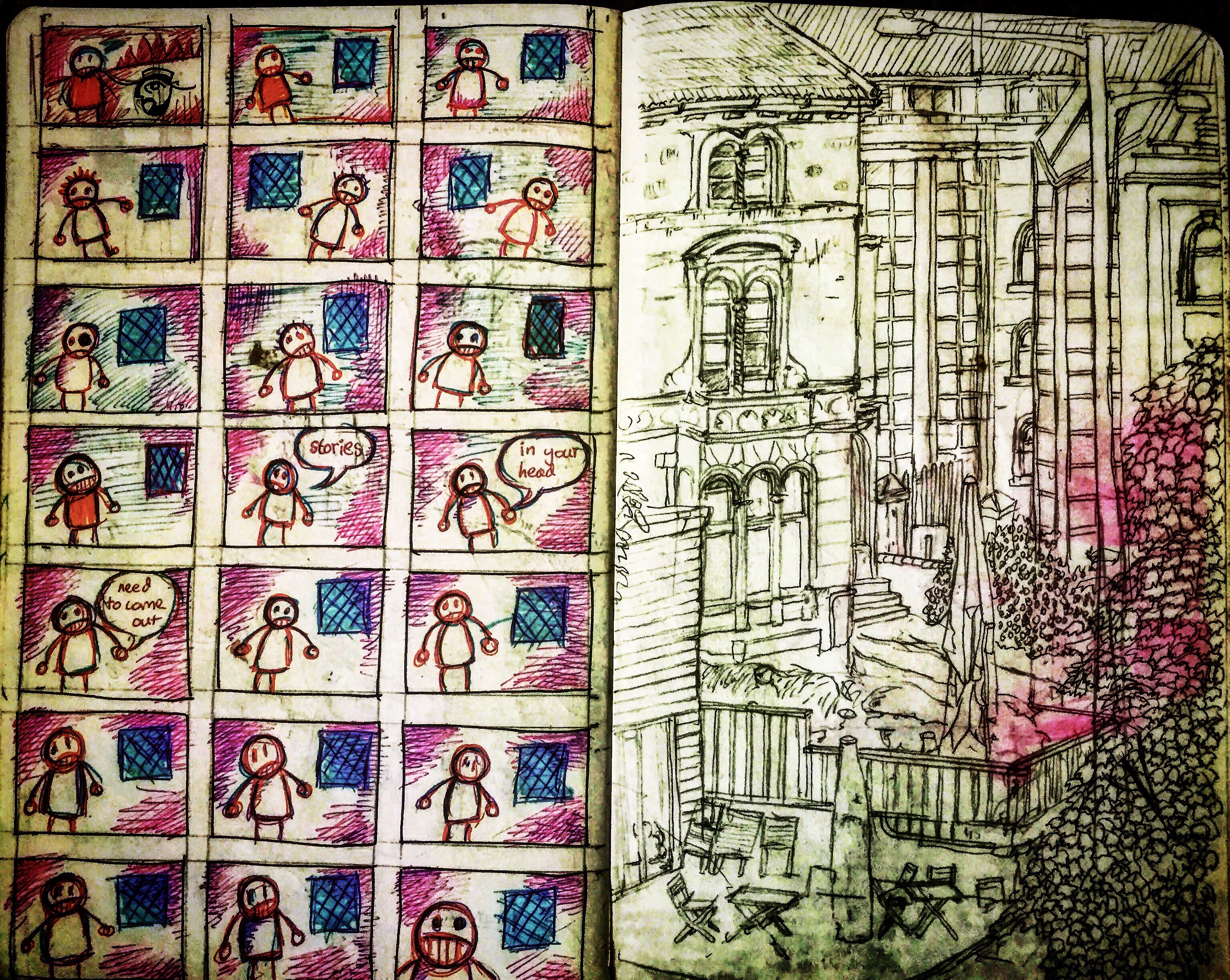
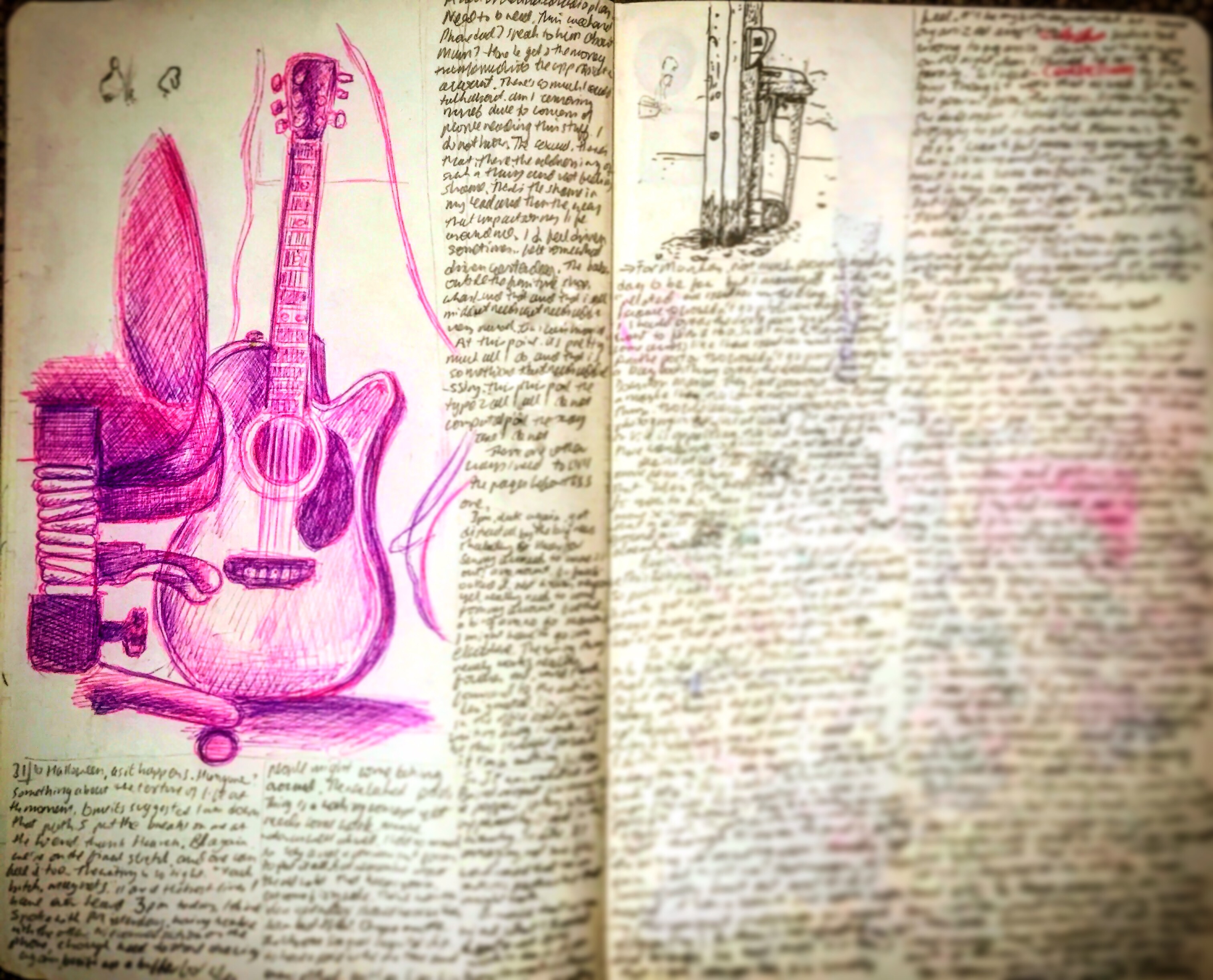


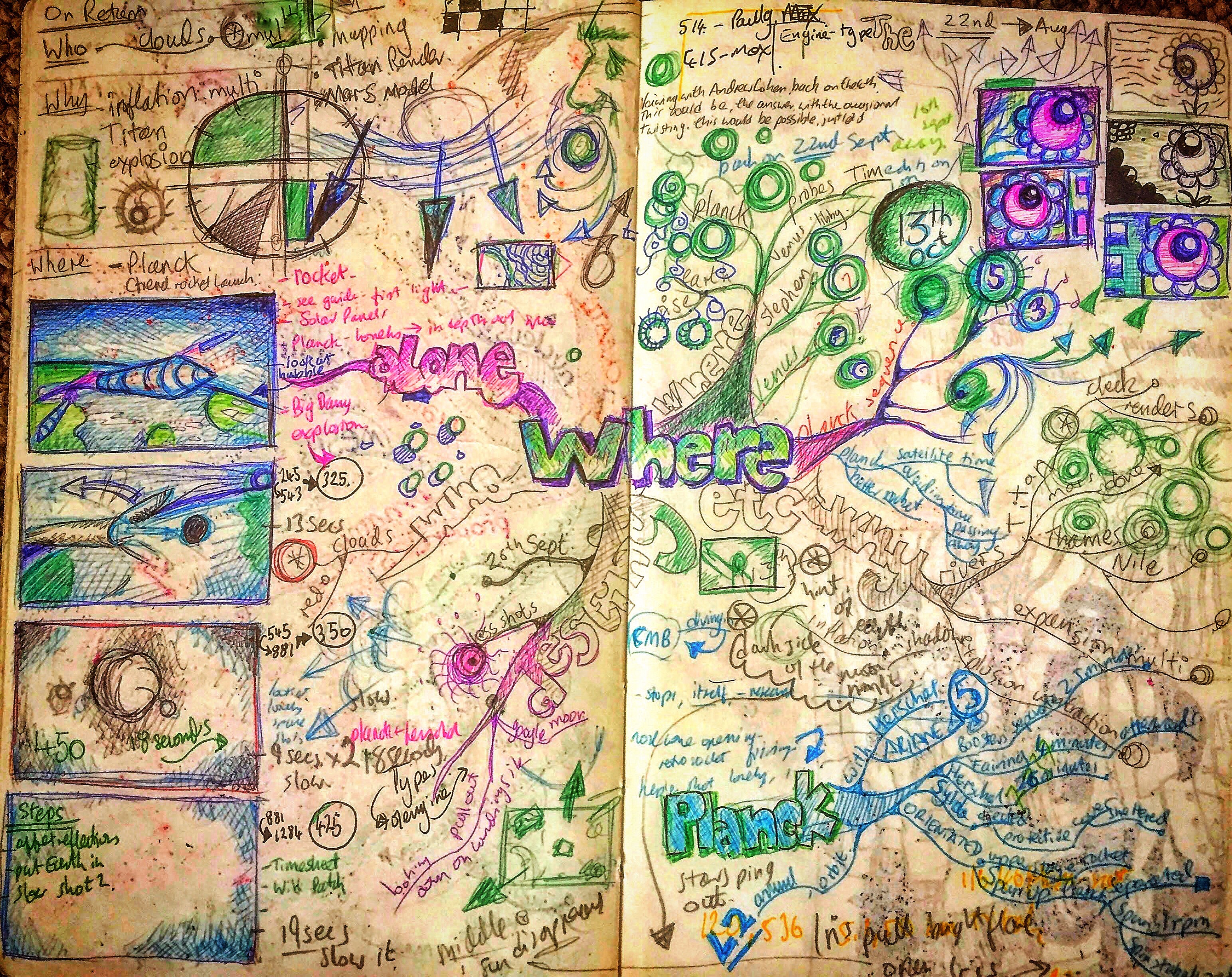
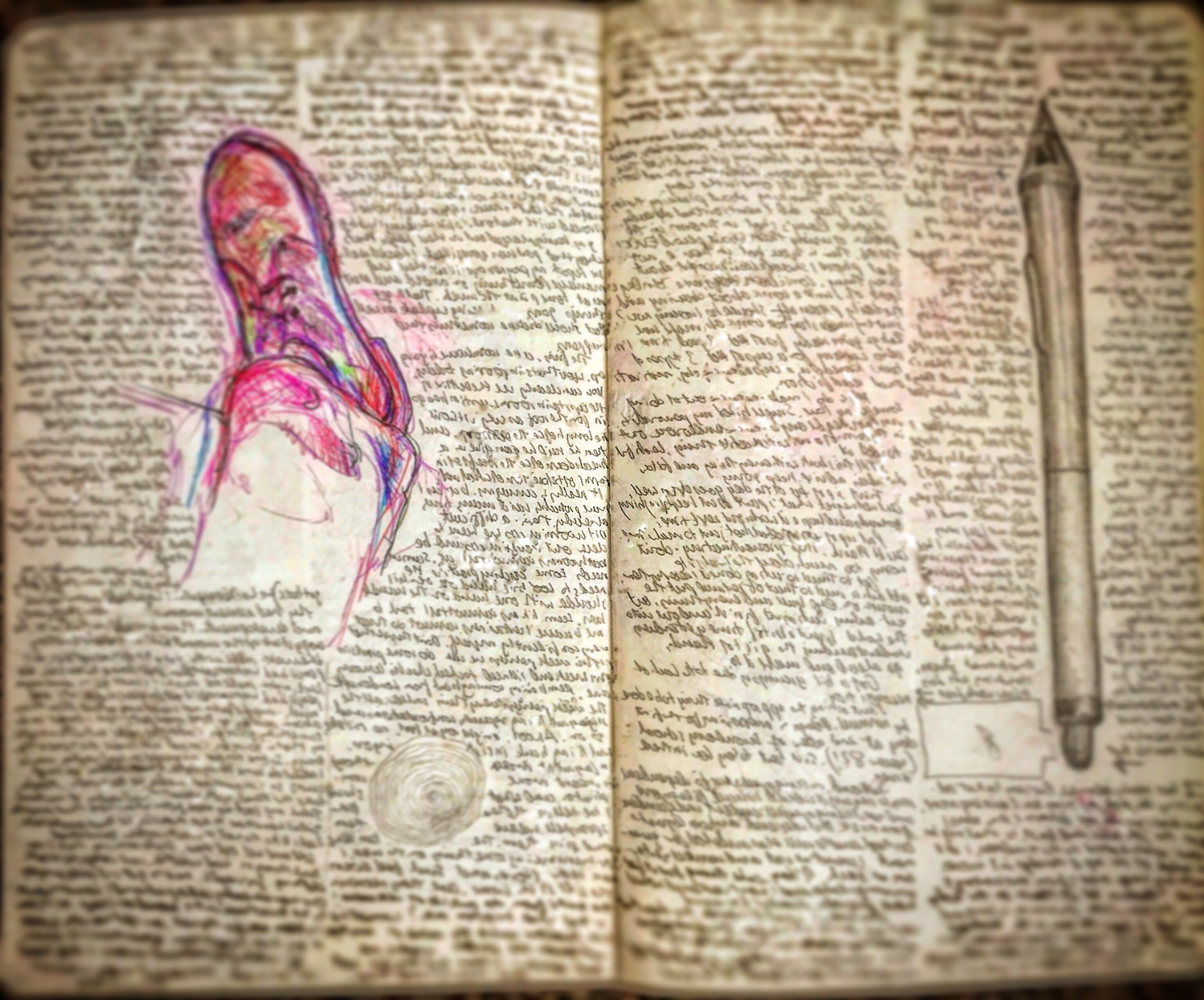
According to art historian Albert Elsen, Schiele used Auguste Rodin’s continuous drawing technique to create his loose, fluid figurative sketches.
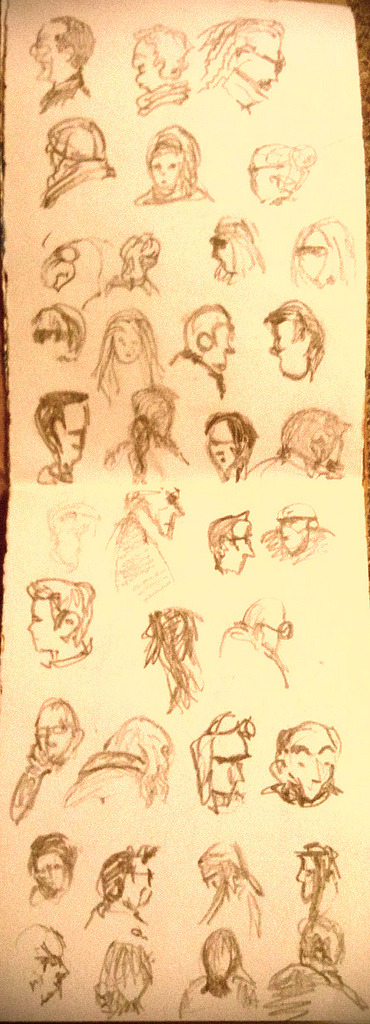
Faces of passers by. Graphite, paper etc.
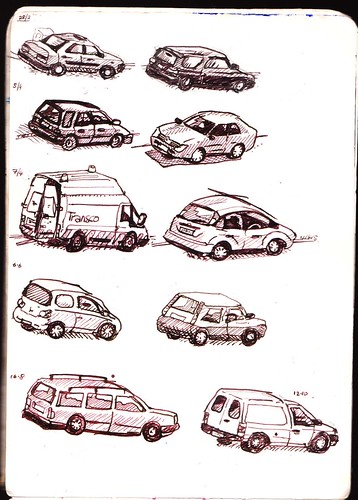


“The Hokusai Manga (北斎漫画, “Hokusai’s Sketches”) is a collection of sketches of various subjects by the Japanese artist Hokusai. Subjects of the sketches include landscapes, flora and fauna, everyday life and the supernatural. The word manga in the title does not refer to the contemporary story-telling manga, as the sketches in the work are not connected to each other. Block-printed in three colours (black, gray and pale flesh), the Manga comprise literally thousands of images in 15 volumes, the first published in 1814, when the artist was 55. The final three volumes were published posthumously, two of them assembled by their publisher from previously unpublished material. The final volume was made up of previously published works, some not even by Hokusai, and is not considered authentic by art historians.”

“The first volume of ‘Manga‘ (Defined by Hokusai as ‘Brush gone wild’), was an art instruction book published to aid his troubled finances. Shortly after he removed the text and republished it.The Manga evidence a dedication to artistic realism in portrayal of people and the natural world. The work was an immediate success, and the subsequent volumes soon followed. The work became known to the West since Philipp Franz von Siebold’s lithographed paraphrases of some of the sketches appeared in his Nippon: Archiv Zur Beschreibung von Japon in 1831. The work began to circulate in the West soon after Matthew C. Perry’s entry into Japan in 1854.”
 Paul Greer