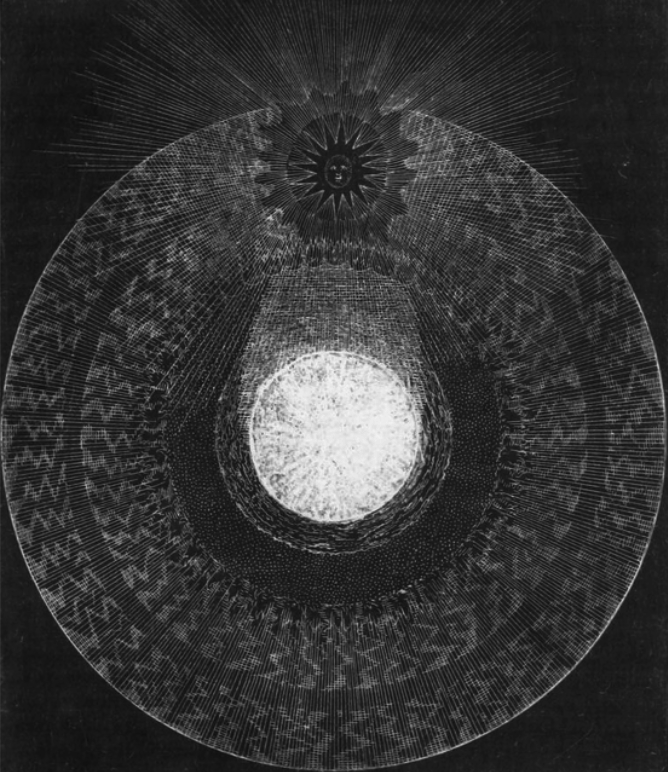
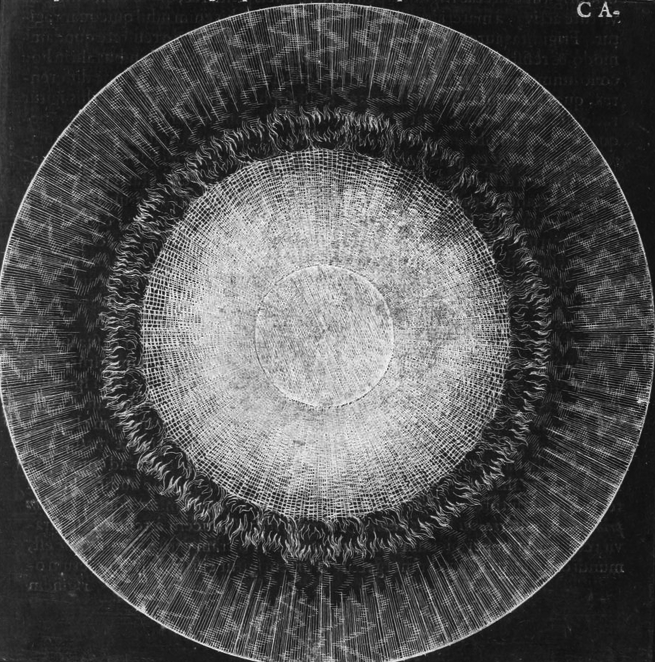
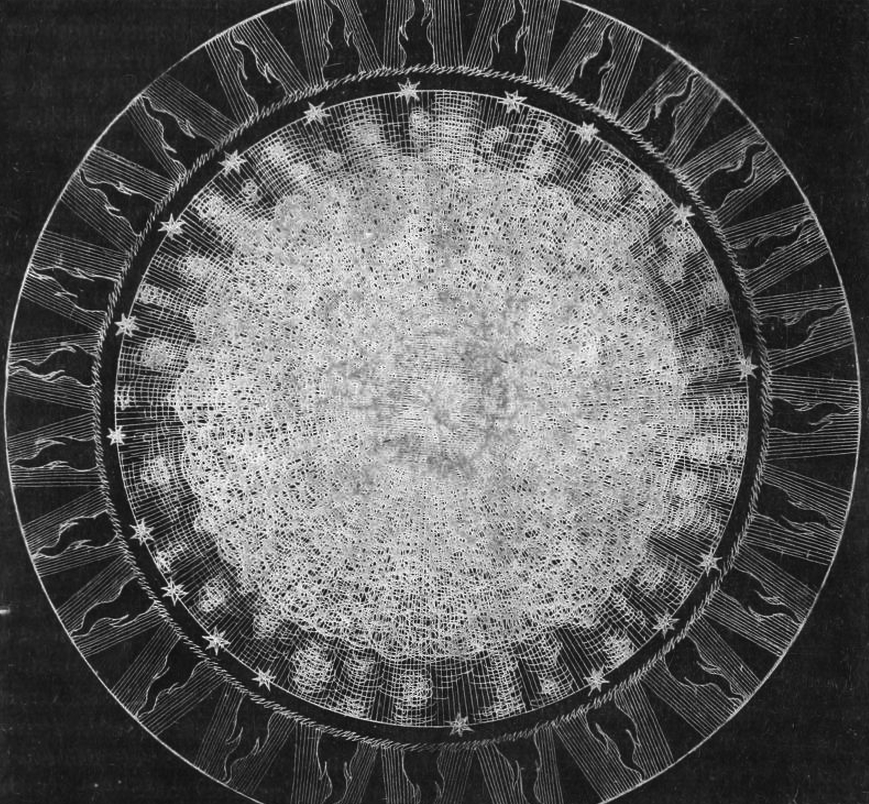
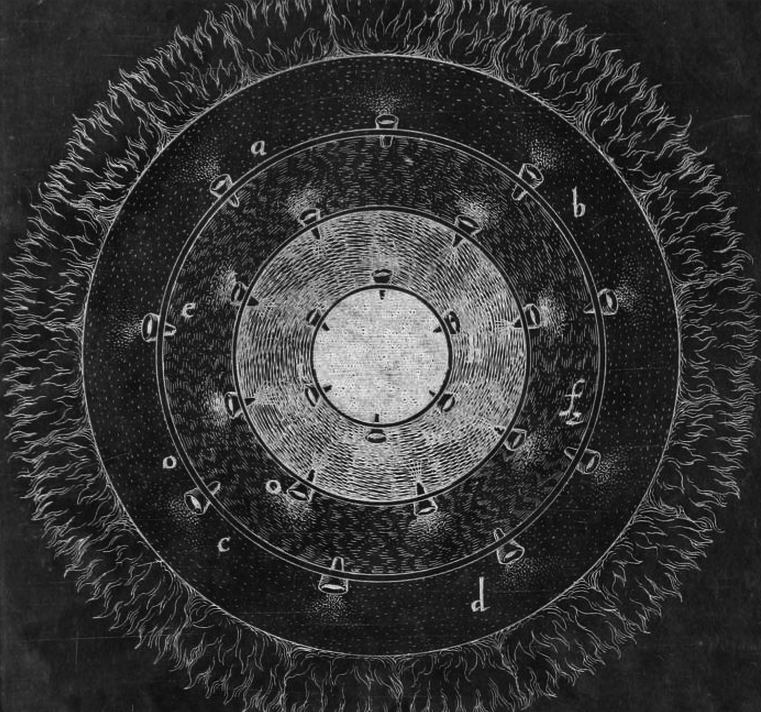
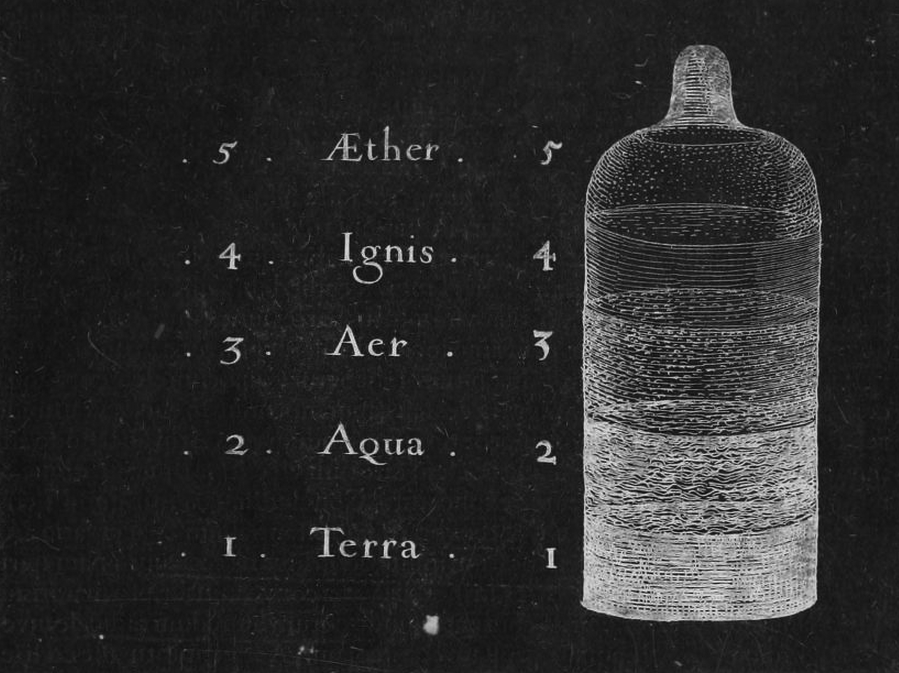
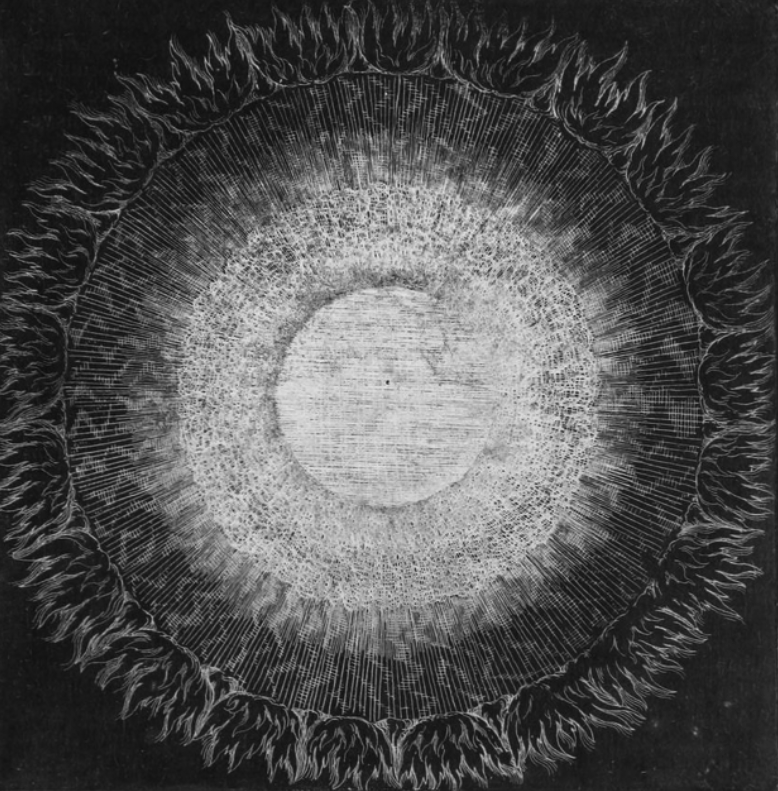
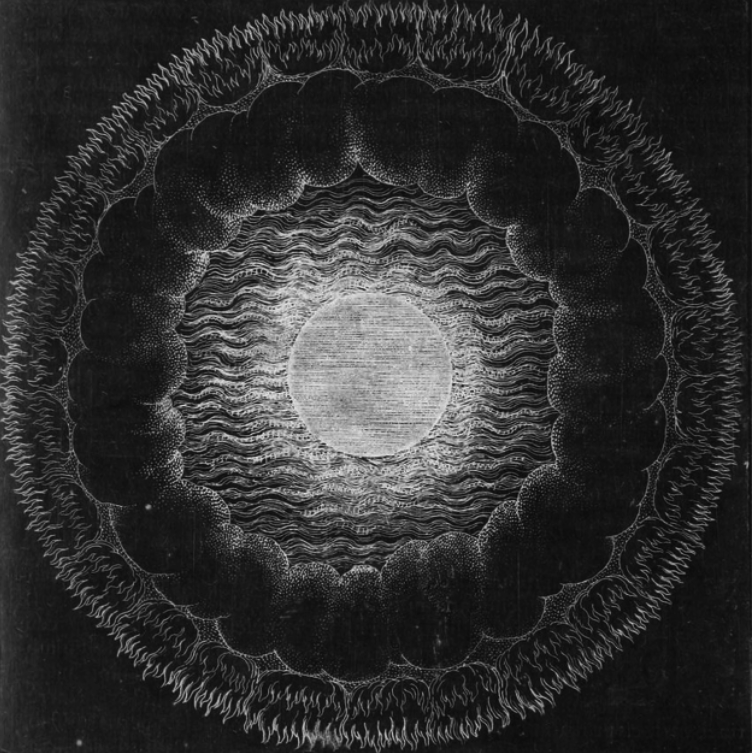
Robert Fludd – Utriusque Cosmi Maioris Scilicet et Minoris Metaphysica, 1617


Robert Fludd - Utriusque Cosmi Maioris Scilicet et Minoris Metaphysica, 1617


Robert Fludd - Utriusque Cosmi Maioris Scilicet et Minoris Metaphysica, 1617


Robert Fludd - Utriusque Cosmi Maioris Scilicet et Minoris Metaphysica, 1617


Robert Fludd - Utriusque Cosmi Maioris Scilicet et Minoris Metaphysica, 1617


Robert Fludd - Utriusque Cosmi Maioris Scilicet et Minoris Metaphysica, 1617


Robert Fludd - Utriusque Cosmi Maioris Scilicet et Minoris Metaphysica, 1617


Robert Fludd - Utriusque Cosmi Maioris Scilicet et Minoris Metaphysica, 1617


Robert Fludd - Utriusque Cosmi Maioris Scilicet et Minoris Metaphysica, 1617


Robert Fludd - Utriusque Cosmi Maioris Scilicet et Minoris Metaphysica, 1617

via bloodmilk


“Robert Fludd was a respected English physician (of Welsh origins) employed at the court of King James I of England. He was a prolific writer of vast, multi-volume encyclopaedias in which he discussed a universal range of topics from magical practices such as alchemy, astrology, kabbalism and fortune-telling, to radical theological thinking concerning the inter-relation of God with the natural and human worlds. However, he also proudly displayed his grasp of practical knowledge, such as mechanics, architecture, military fortifications, armaments, military manoeuvres, hydrology, musical theory and musical instruments, mathematics, geometry, optics and the art of drawing, as well as chemistry and medicine. Fludd used the common metaphor for the arts as being the “ape of Nature,” a microcosmic form of the manner in which the universe itself functioned.

“Fludd’s most famous work is the History of the Two Worlds (Utriusque Cosmi … Historia, 1617-21) published in five volumes by Theodore de Bry in Oppenheim. The two worlds under discussion are those of the Microcosm of human life on earth and the Macrocosm of the universe (which included the spiritual realm of the Divine).”

PublicDomainReview

“The Amphitheater of Eternal Knowledge,” Hamburg, 1595.


“The Amphitheater of Eternal Knowledge,” Hamburg, 1595.


“The Amphitheater of Eternal Knowledge,” Hamburg, 1595.


“The Amphitheater of Eternal Knowledge,” Hamburg, 1595.


“The Amphitheater of Eternal Knowledge,” Hamburg, 1595.

“The images, in other words, invite the viewer to engage in a meditation on the nature of the universe and on the links between the earthly and the divine, the corporeal and the spiritual. Of course, such a statement would be equally true of many other instances of early modern alchemical and Hermetic symbolism. I suspect that a lot of the meaning in these images and the text that accompanies them has actually been lost, due to the fact that alchemical practice depended upon face-to-face interactions (like the one between John Dee and Khunrath) which were never recorded. And this was precisely what was intended – the true secrets of early modern alchemy were intended for a small number of the “elect” and were elaborately concealed in complex and often inscrutable language when they were allowed into printed works.”

Benjamin Breen

see more on his excellent blog post.

Cosmos

“The size and age of the Cosmos are beyond ordinary human understanding. Lost somewhere between immensity and eternity is our tiny planetary home. In a cosmic perspective, most human concerns seem insignificant, even petty. And yet our species is young and curious and brave and shows much promise. In the last few millennia we have made the most astonishing and unexpected discoveries about the Cosmos and our place within it, explorations that are exhilarating to consider. They remind us that humans have evolved to wonder, that understanding is a joy, that knowledge is prerequisite to survival. I believe our future depends on how well we know this Cosmos in which we float like a mote of dust in the morning sky.”

Carl Sagan