Images
Nüshu

reblogging notational:
“Nüshu (literally “women’s writing” in Chinese) is a syllabic script created and used exclusively by women in the Jiangyong County in Hunan province of southern China. Up until the late Qing Dynasty (1644-1912) women were forbidden access to formal education, and so Nüshu was developed in secrecy as a means to communicate. Since its discovery in 1982, Nüshu remains to be the only gender-specific writing system in the world.”
Selfie in daisies

The Tibetan Book of Proportions
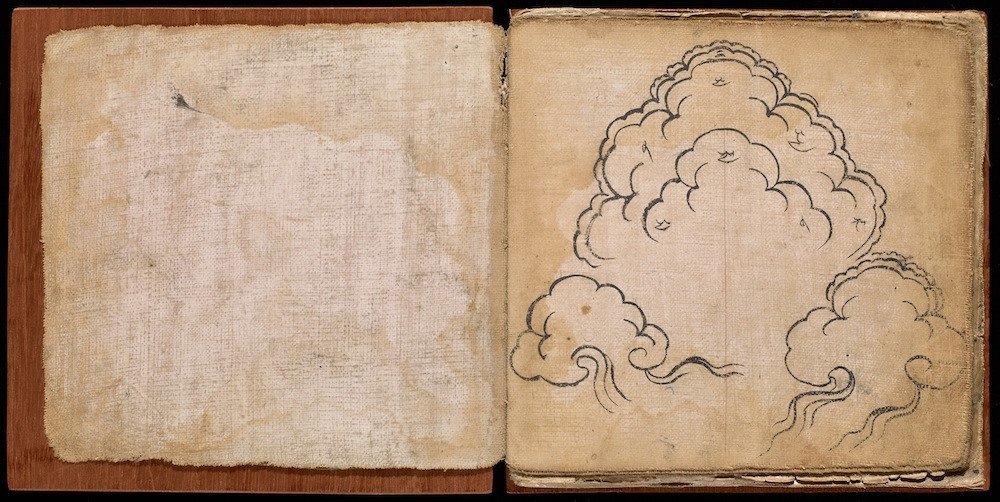
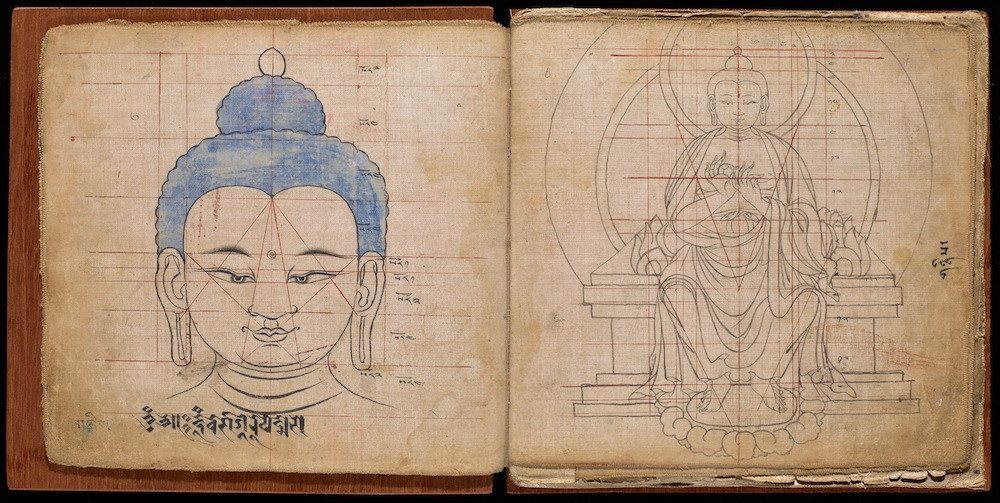
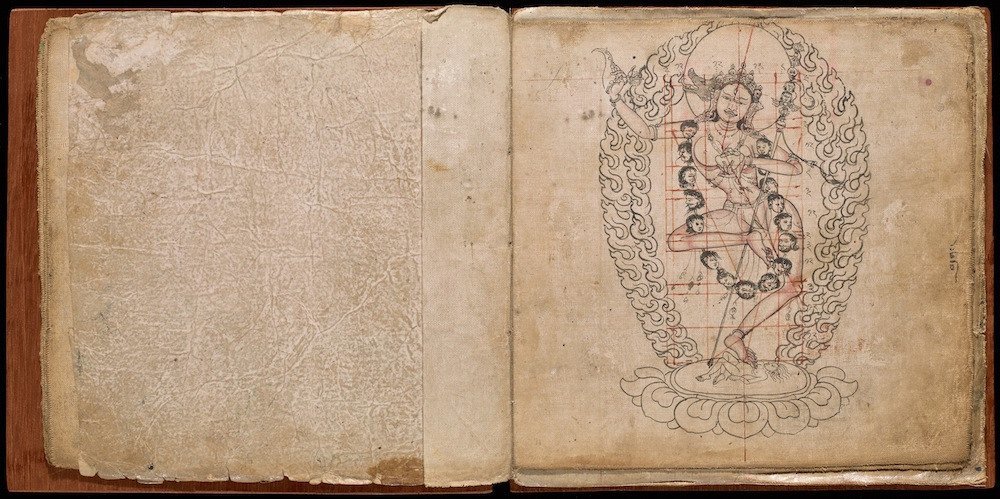
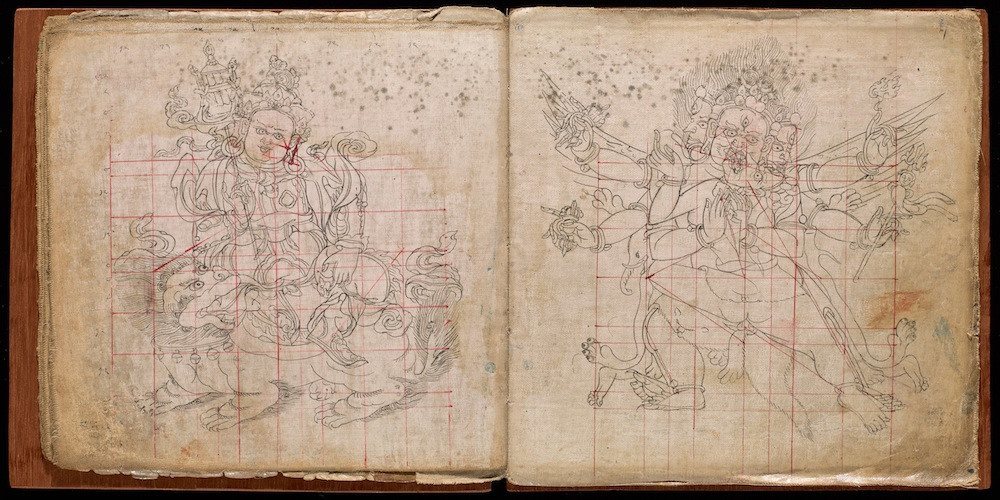
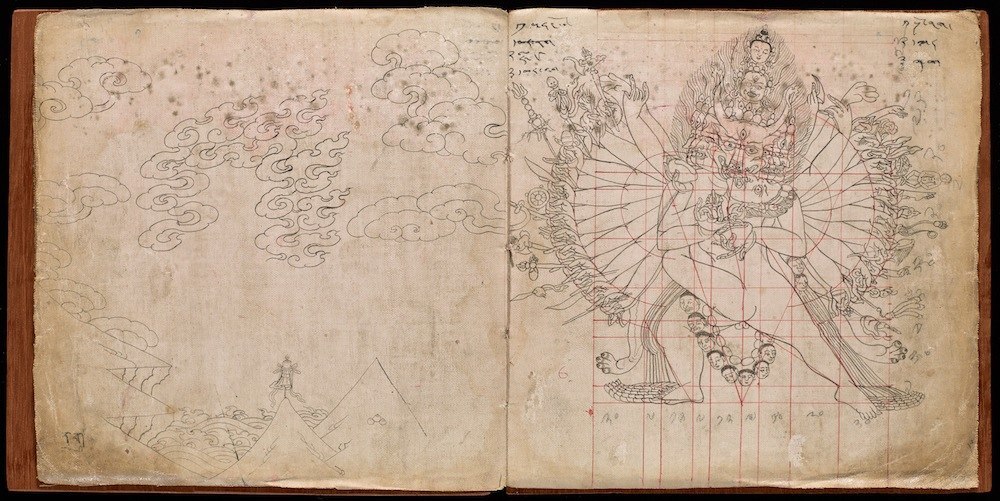
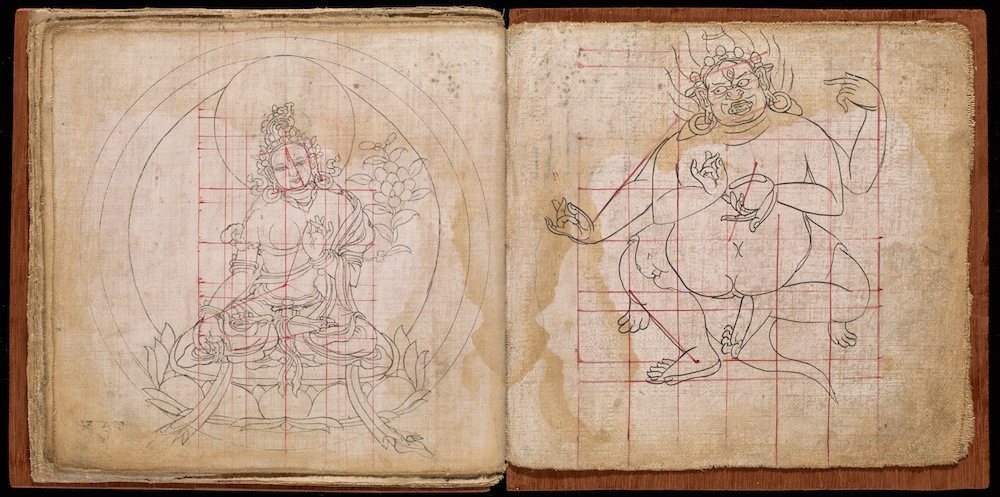
“Born some time around the early 4th century B.C., Siddhārtha Gautama was a Nepalese monk and wandering sage whose teachings went on to underpin Buddhism. As Buddhism spread, pictorial representations Gautama —the Buddha—were expected to be so particular that guidelines emerged as to how he should be drawn. Public Domain Review points to a book from the 1700s that shows, precisely, how the Buddha and other important Buddhist figures should appear.
Written in Newari script with Tibetan numerals, the book was apparently produced in Nepal for use in Tibet. The concept of the ‘ideal image’ of the Buddha emerged during the Golden Age of Gupta rule, from the 4th to 6th century. As well as the proportions, other aspects of the depiction – such as number of teeth, colour of eyes, direction of hairs – became very important.”
link updated, more to see here:
originally via .
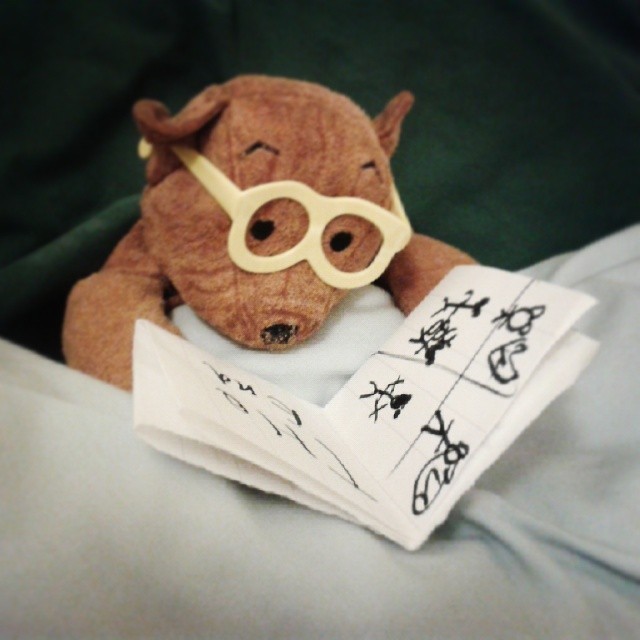
Youngest made Teddy some comics due to lack of appropriate reading material.
Athanasius Kircher’s Mundus Subterraneus, 1665.

“Athanasius Kircher’s diagrams of the interconnectedness of fire (above) and water (below) in Earth. The diagrams are just a piece of his large, multi-volume work Mundus Subterraneus, published in 1665.”

“On a visit to southern Italy in 1638, the ever-curious Kircher was lowered into the crater of Vesuvius, then on the brink of eruption, to examine its interior. He was also intrigued by the subterranean rumbling which he heard at the Strait of Messina. His geological and geographical investigations culminated in his Mundus Subterraneus of 1664, in which he suggested that the tides were caused by water moving to and from a subterranean ocean.
“Kircher was also puzzled by fossils. He understood that fossils were the remains of animals. He ascribed large bones to giant races of humans.[24] Not all the objects which he was attempting to explain were in fact fossils, hence the diversity of explanations. He interpreted mountain ranges as the Earth’s skeletal structures exposed by weathering.
“Kircher’s map of Atlantis, oriented with south at the top, from Mundus Subterraneus.
Mundus Subterraneus includes several pages about the legendary island of Atlantis including a map with the Latin caption “Situs Insulae Atlantidis, a Mari olim absorpte ex mente Egyptiorum et Platonis descriptio.” translating as “Site of the island of Atlantis, in the sea, from Egyptian sources and Plato’s description.”
[YOUR ART IS BETTER THAN YOU THINK IT IS] – Problem Glyphs by Eliza Gauger
![[YOUR ART IS BETTER THAN YOU THINK IT IS]](https://78.media.tumblr.com/349f333e74a951ff16e12d648fa3b3dc/tumblr_n4az0b2Ief1tnsksko1_r1_1280.png)
[YOUR ART IS BETTER THAN YOU THINK IT IS]
Anonymous asked:
“November 4th 2013, 12:09:00 am · 5 months ago
“I’m terrified that if i can’t create something of meaning, then i don’t even exist . I am constantly failing to measure up, humiliated to be ‘not quite good enough’. Sometimes despair causes me to be tempted to become destructive and hateful just so i leave a mark. I feel disposable. I need the courage to grow, the faith to try. Is there a sigil for that?”
“Problem Glyphs is a project by Eliza Gauger in which sigils are drawn in response to problems you send in. There are over 200 glyphs so far. You can support this project on Patreon or with a one time contribution.”
Trying out the Blend app for a friend.
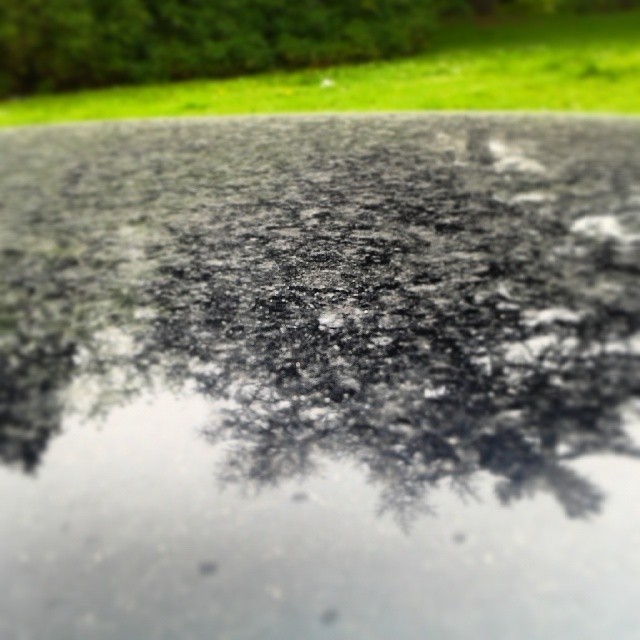
Saharan Sand on the roof of my car.
 Paul Greer
