
Images
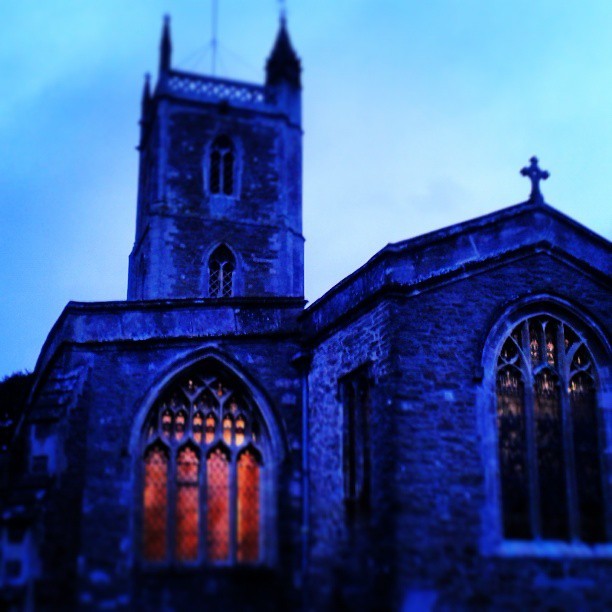
Gothic Somerset
Etc
Up late again for no reason than to look at this.
Bristol Water

(at Arnolfini)
“In the 18th century, the docks in Liverpool grew larger and so increased competition with Bristol for the tobacco trade. Coastal trade was also important, with the area called “Welsh Back” concentrating on trows with cargoes from the slate industry in Wales, stone, timber and coal. The limitations of Bristol’s docks were causing problems to business, so in 1802 William Jessop proposed installing a dam and lock at Hotwells to create the harbour. The £530,000 scheme was approved by Parliament, and construction began in May 1804. The scheme included the construction of the Cumberland Basin, a large wide stretch of the harbour in Hotwells where the Quay walls and bollards have listed building status.
The tidal new cut was constructed from Netham to Hotwells, with another dam installed at this end of the harbour. The Feeder Canal between Temple Meads and Netham provided a link to the tidal river so that boats could continue upstream to Bath. However, the new scheme required a way to equalise the levels inside and outside the Dock for the passage of vessels to and from the Avon, and bridges to cross the water. Jessop built Cumberland Basin with two entrance locks from the tidal Avon, of width 45 ft (13.7 m) and 35 ft (10.7 m), and a 45 feet (13.7 m) wide junction lock between the Basin and what became known as the Floating Harbour. This arrangement provided flexibility of operation with the Basin being used as a lock when there were large numbers of arrivals and sailings. The harbour was officially opened on 1 May 1809.”
Lardy dar at the @RTS_Bristol awards.
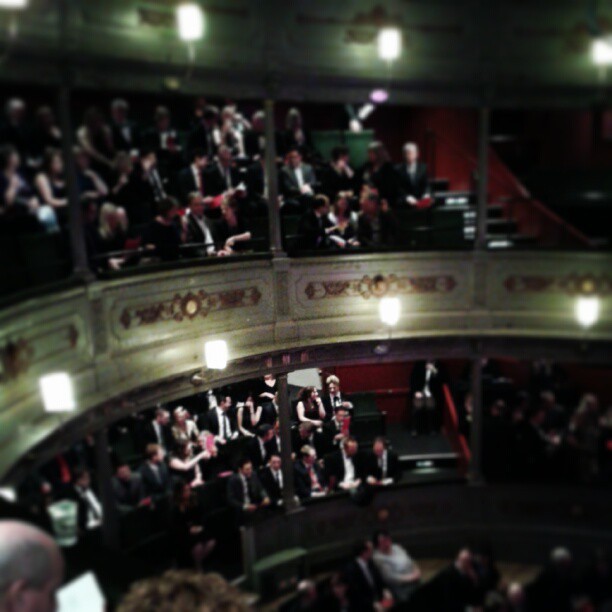
(at Old Vic Theatre)
Galileo GALILEI. Autograph notes on the satellites of Jupiter, 14–25 January 1611
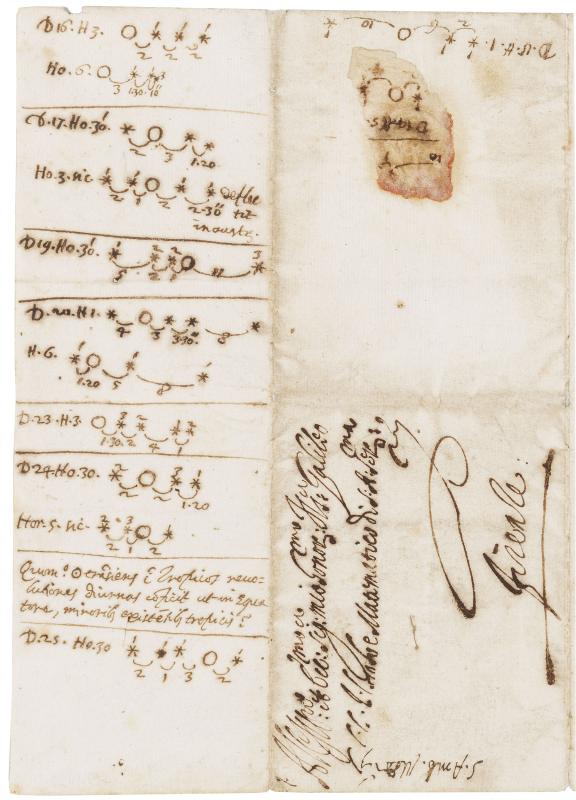
“On this scrap of paper (an unfolded envelope), Galileo recorded the positions of four satellites of Jupiter over a period of several nights. He had observed the moons with the aid of his newly constructed telescope and published his findings in his revolutionary book The Starry Messenger (1610). He then worked to define more precisely the periods of the orbits of the Jovian moons, setting up his telescope night after night and making notes such as these. In a radical departure from his university training, Galileo insisted that scientific theory be grounded in observation and physical evidence rather than reliance on ancient authority.”
Snowfall
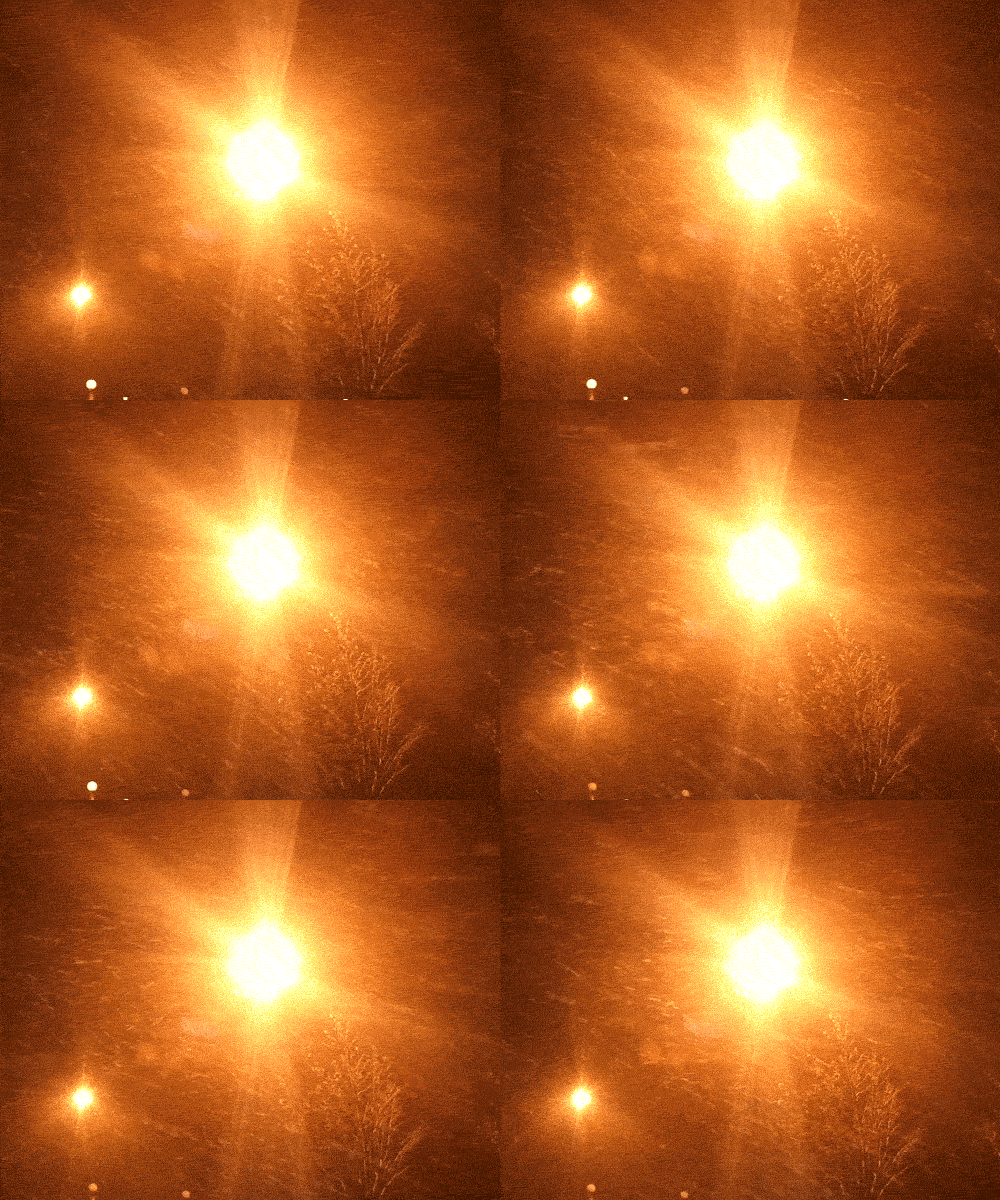
Snow Render
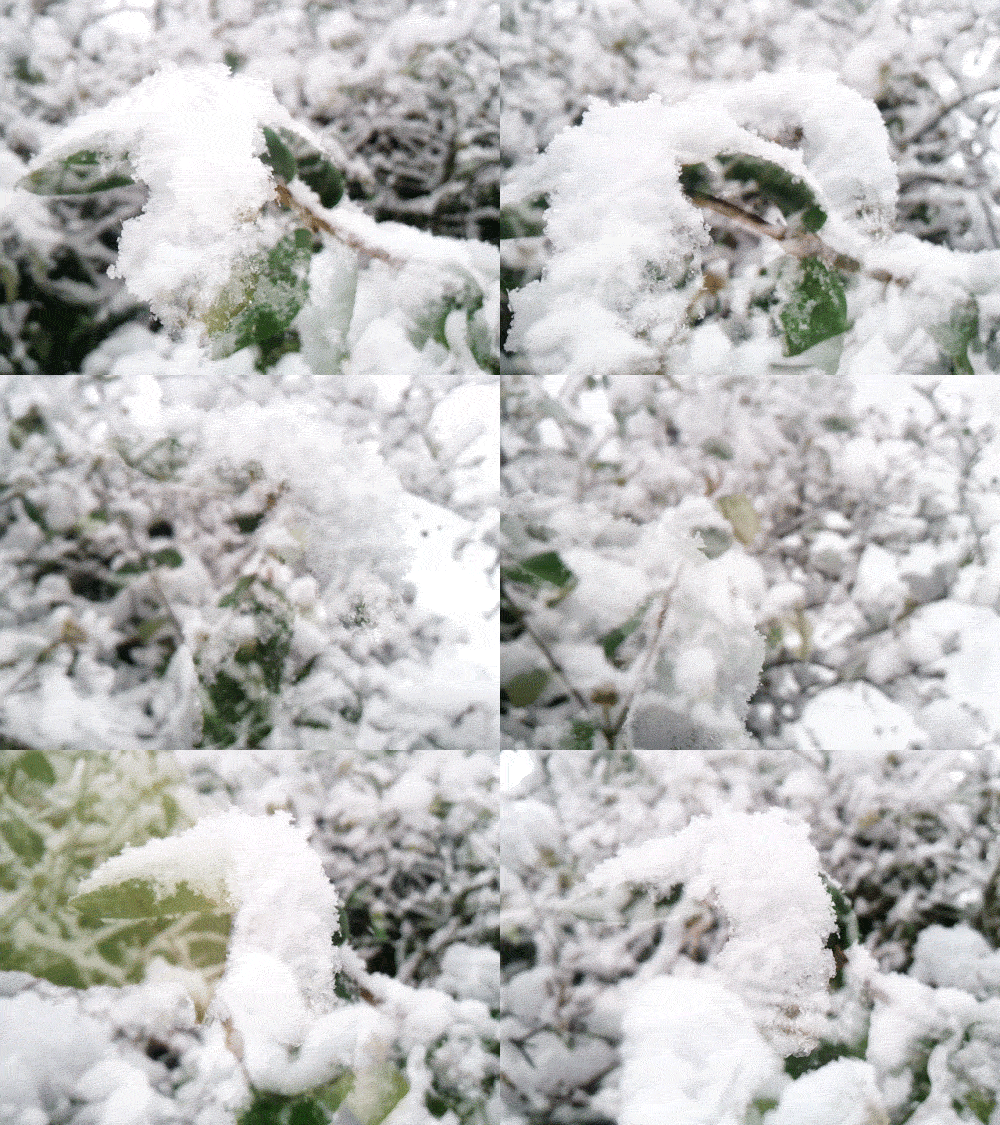
 Paul Greer