Gustav Klimt. Philosophy (1899).

Klimt University of Vienna Ceiling Paintings

Philosophy was the first of the three pictures presented to the Austrian Government at the seventh Vienna Secession exhibition in March 1900. It had been awarded a gold medal at the World Exhibition in Paris, but was attacked by those in his own country. Klimt described the painting as follows: “On the left a group of figures, the beginning of life, fruition, decay. On the right, the globe as mystery. Emerging below, a figure of light: knowledge.” Critics were disturbed by its depiction of men and women drifting in an aimless trance. The original proposal for the theme of the painting was “The Victory of Light over Darkness”, but what Klimt presented instead was a dreamlike mass of humanity, referring neither to optimism nor rationalism, but to a “viscous void””

“Klimt came under attack for ‘pornography’ and ‘perverted excess’ in the paintings. None of the paintings would go on display in the university.
In May 1945, it is contended that all three paintings were destroyed by retreating SS forces.”
via

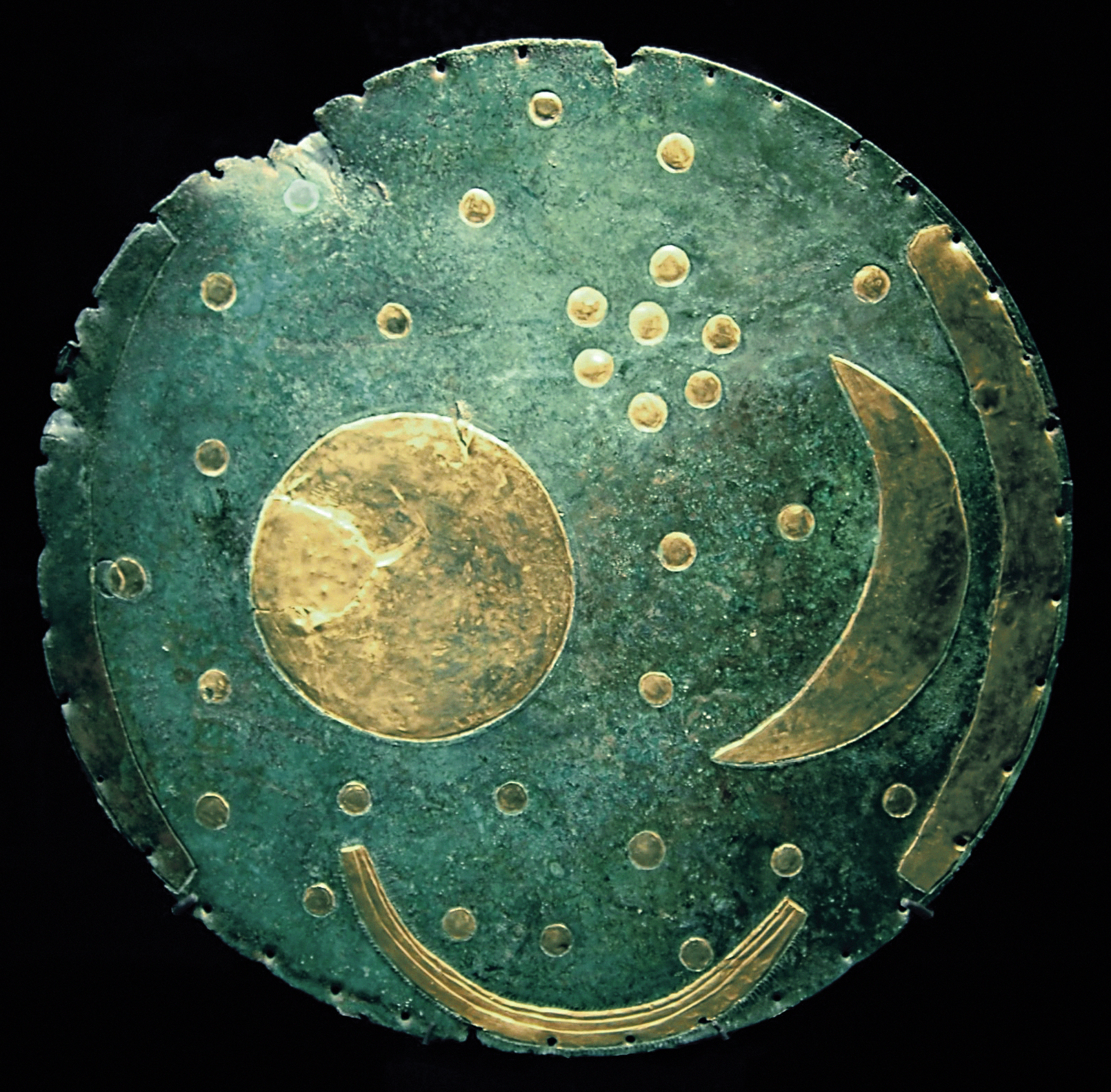
The Nebra Sky Disk (1600 BC)


The Nebra sky disk

The Nebra sky disk is a bronze disk of around 30 centimeters (12 in) diameter and a weight of 2.2 kilograms (4.9 lb), with a blue-green patina and inlaid with gold symbols. These are interpreted generally as a sun or full moon, a lunar crescent, and stars (including a cluster interpreted as the Pleiades). Two golden arcs along the sides, marking the angle between the solstices, were added later. A final addition was another arc at the bottom surrounded with multiple strokes (of uncertain meaning, variously interpreted as a Solar Barge with numerous oars, as the Milky Way, or as a rainbow).”

“The disk may be an astronomical instrument as well as an item of religious significance. The blue-green patina of the bronze may have been an intentional part of the original artifact. The find is regarded as reconfirming that the astronomical knowledge and abilities of the people of the European Bronze Age included close observation of the yearly course of the Sun, and the angle between its rising and setting points at summer and winter solstice. While much older earthworks and megalithic astronomical complexes such as the Goseck circle and Stonehenge had already been used to mark the solstices, the disk is the oldest known “portable instrument” to allow such measurements. Pásztor, however, sees no evidence that the disk was a practical device for solar measurements.”

via trixietreats

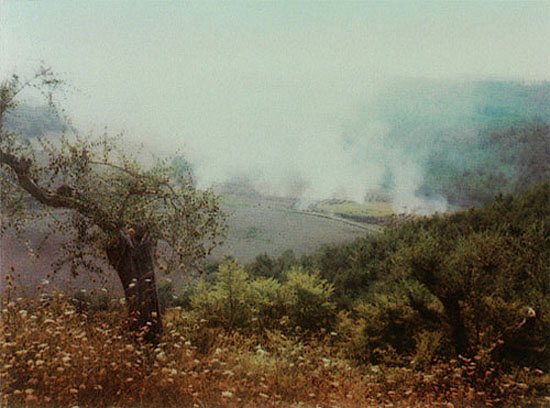
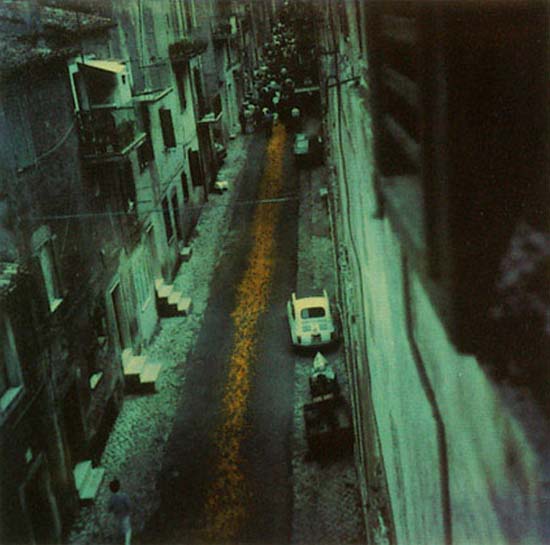
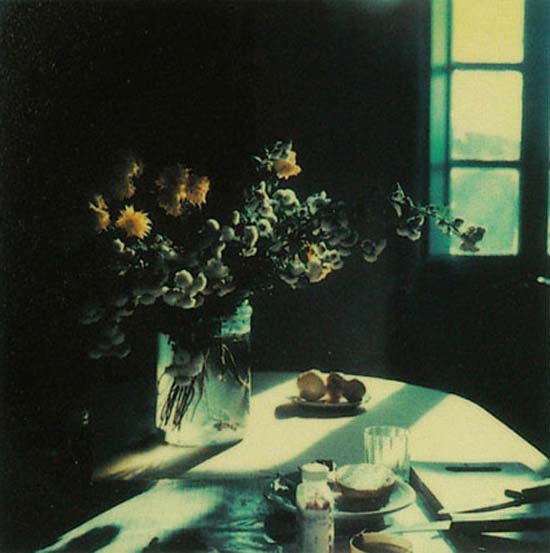
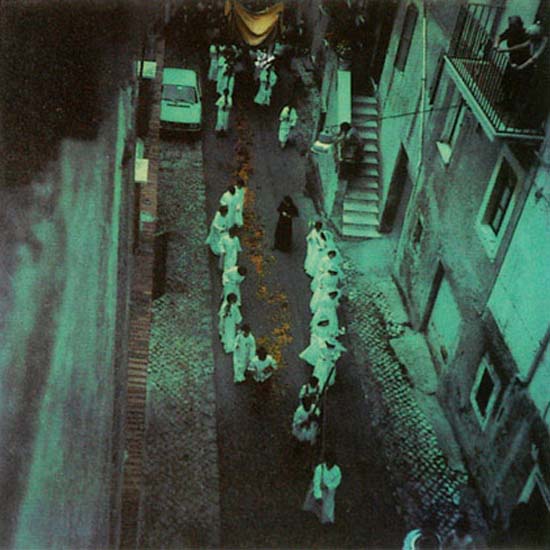
Las Polaroid de Tarkovsky


HTML tutorial

“No es muy conocido que Tarkovsky, cuyas películas parecen estar compuestas a veces por un montaje de fotografías estáticas, se dedicó durante algún tiempo, efectivamente, a tomar fotos con una Polaroid. Estas fotos, a pesar de sus imperfecciones técnicas, atestiguan la misma forma de mirar y el mismo mundo visual de sus grandes films.”


Las Polaroid de Tarkovsky


Las Polaroid de Tarkovsky


Las Polaroid de Tarkovsky

more at: Poemas del río Wang