
I’m scheduling these to happen on Sundays now, as I have said before the page builds itself during the week and it’s just a case of slight formatting to get to publish it.
I’m scheduling these to happen on Sundays now, as I have said before the page builds itself during the week and it’s just a case of slight formatting to get to publish it.
On Blogs, RSS and Social Media:
The Open Web movement asserts a special role for public, cooperative, and standard World Wide Web communications; it opposes private, exclusive, proprietary Web solutions.
Computer scientist Tantek Çelik gives three aspects of the Open Web:
- publish content and applications on the web in open standards
- code and implement the web standards depend on
- access and use content / code / web-apps / implementations
— Wiki
An information silo, or a group of such silos, is an insular management system in which one information system or subsystem is incapable of reciprocal operation with others that are, or should be, related. Thus information is not adequately shared but rather remains sequestered within each system or subsystem, figuratively trapped within a container like grain is trapped within a silo: there may be a lot of it, and it may be stacked quite high and freely available within those limits, but it has no effect outside those limits.
— Wiki
Sometimes I wonder what it’d be like to go full-bore blog again, like in the old days. Twitter’s only real use is as a notification system, after all, so you’d just pump out post links to it from your blog. You know, the way people used to, when having a place for your own voice and your own thoughts was a good thing.
When I was in the swing of it, way back when, it was like the world’s most minimalist radio station. A Station Ident post to start the day, a Night Music or Closedown post at the end of the day, littered with whatever strangeness and wonder passed my screen in between.
I miss that long moment when the web seemed full of people doing the same thing, or thinking in public. It happens in the Republic Of Newsletters, now. But it was nice to have all those little radio stations broadcasting in the night.
The above tweeter, RSS pioneer, David Winer has made an RSS feed for journalists. Eliot Landrum has followed suit with an RSS feed for Open Architects. These are in the form of OPML files that can be read in your RSS reader of choice.
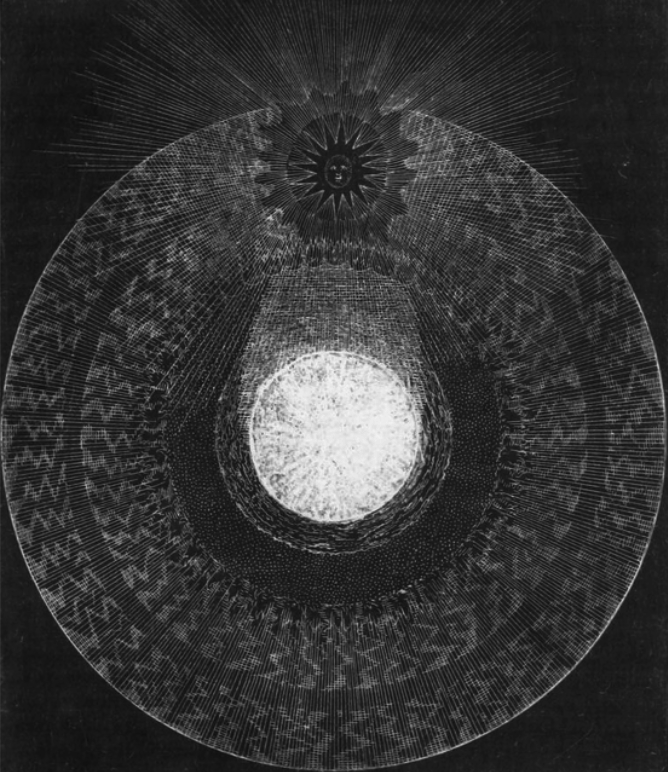
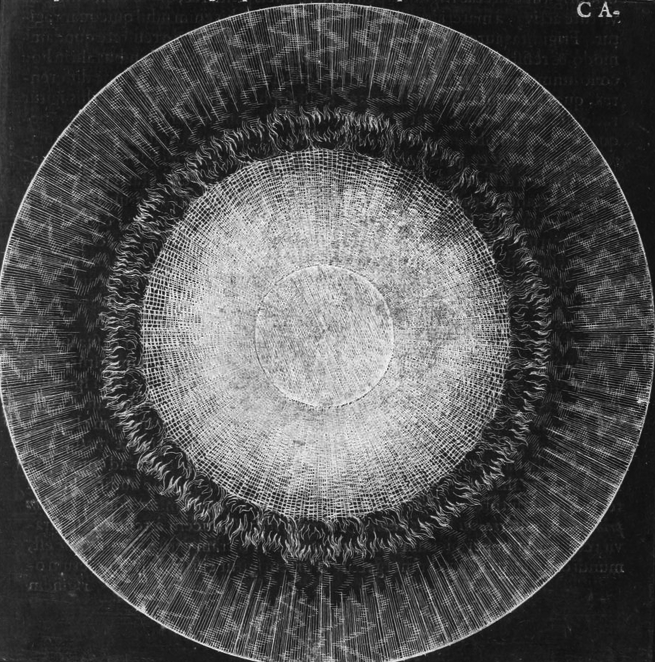
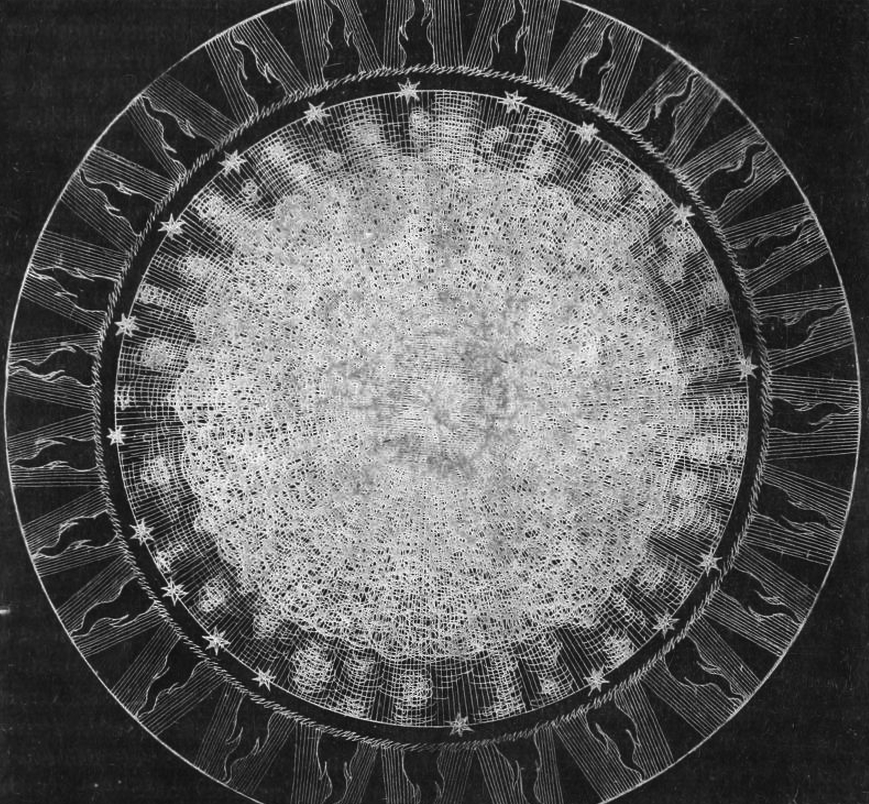
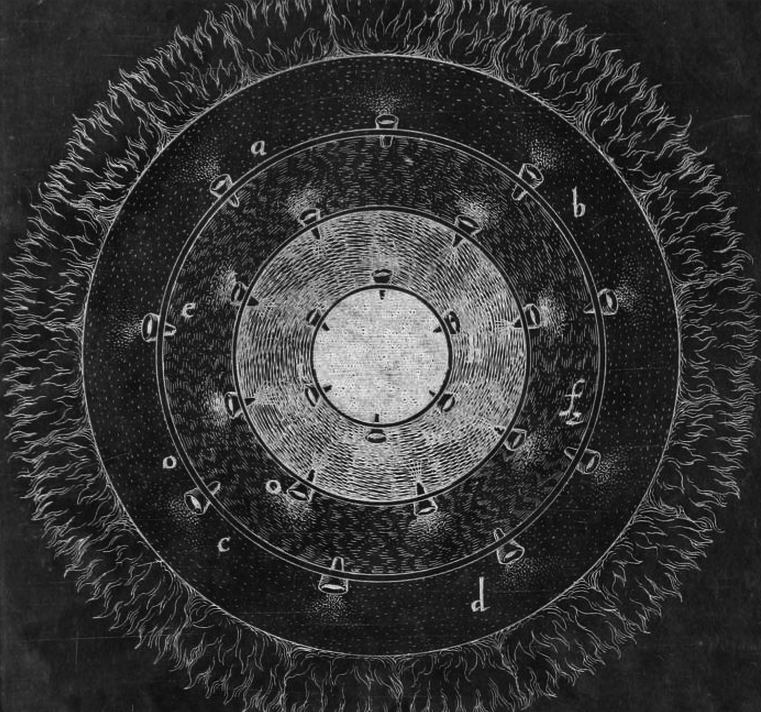

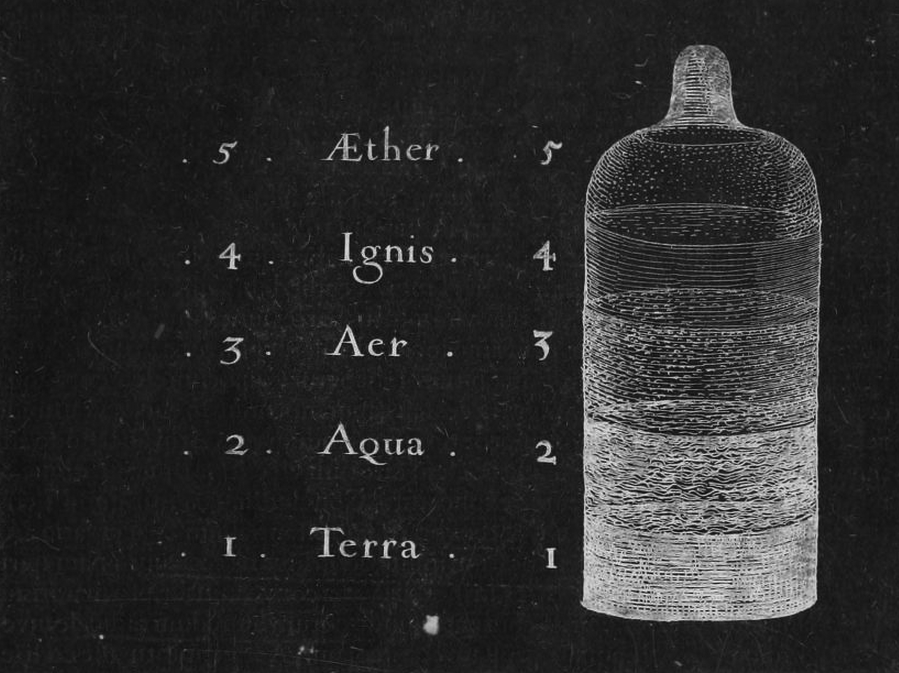
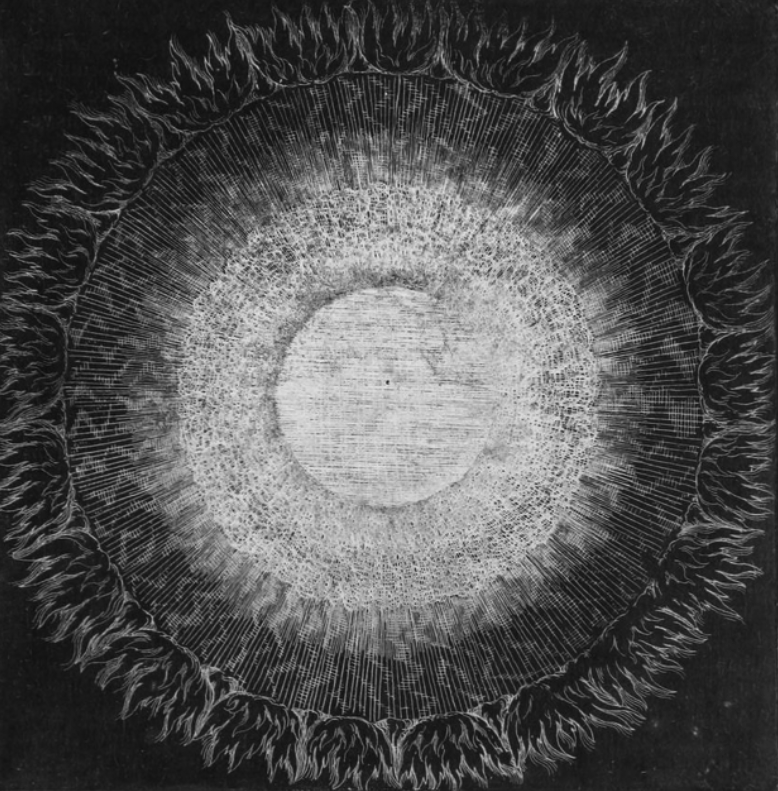
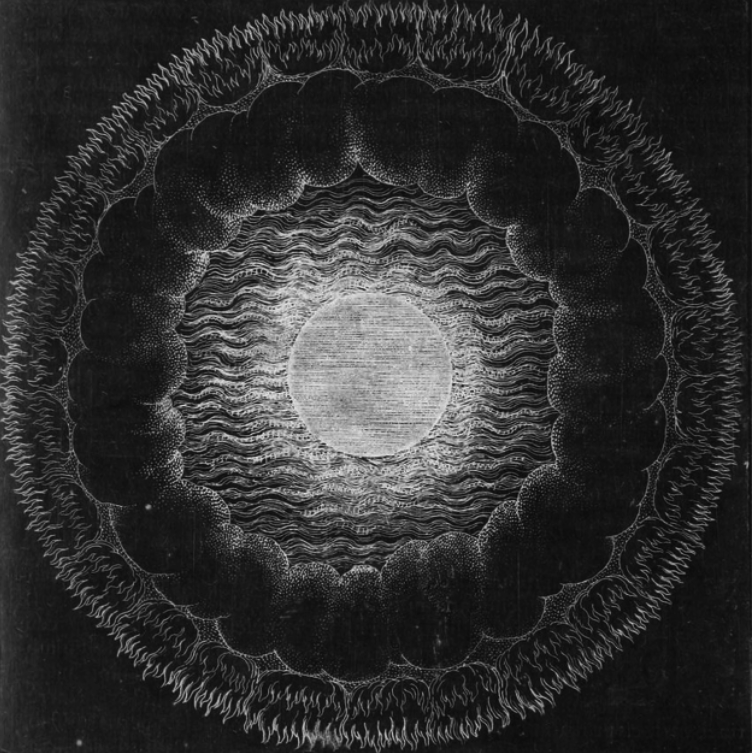
via bloodmilk
“Robert Fludd was a respected English physician (of Welsh origins) employed at the court of King James I of England. He was a prolific writer of vast, multi-volume encyclopaedias in which he discussed a universal range of topics from magical practices such as alchemy, astrology, kabbalism and fortune-telling, to radical theological thinking concerning the inter-relation of God with the natural and human worlds. However, he also proudly displayed his grasp of practical knowledge, such as mechanics, architecture, military fortifications, armaments, military manoeuvres, hydrology, musical theory and musical instruments, mathematics, geometry, optics and the art of drawing, as well as chemistry and medicine. Fludd used the common metaphor for the arts as being the “ape of Nature,” a microcosmic form of the manner in which the universe itself functioned.
“Fludd’s most famous work is the History of the Two Worlds (Utriusque Cosmi … Historia, 1617-21) published in five volumes by Theodore de Bry in Oppenheim. The two worlds under discussion are those of the Microcosm of human life on earth and the Macrocosm of the universe (which included the spiritual realm of the Divine).”
“I hope you live without the need to dominate, and without the need to be dominated. I hope you are never victims, but I hope you have no power over other people. And when you fail, and are defeated, and in pain, and in the dark, then I hope you will remember that darkness is your country, where you live, where no wars are fought and no wars are won, but where the future is. Our roots are in the dark; the earth is our country. Why did we look up for blessing — instead of around, and down? What hope we have lies there. Not in the sky full of orbiting spy-eyes and weaponry, but in the earth we have looked down upon. Not from above, but from below. Not in the light that blinds, but in the dark that nourishes, where human beings grow human souls.”
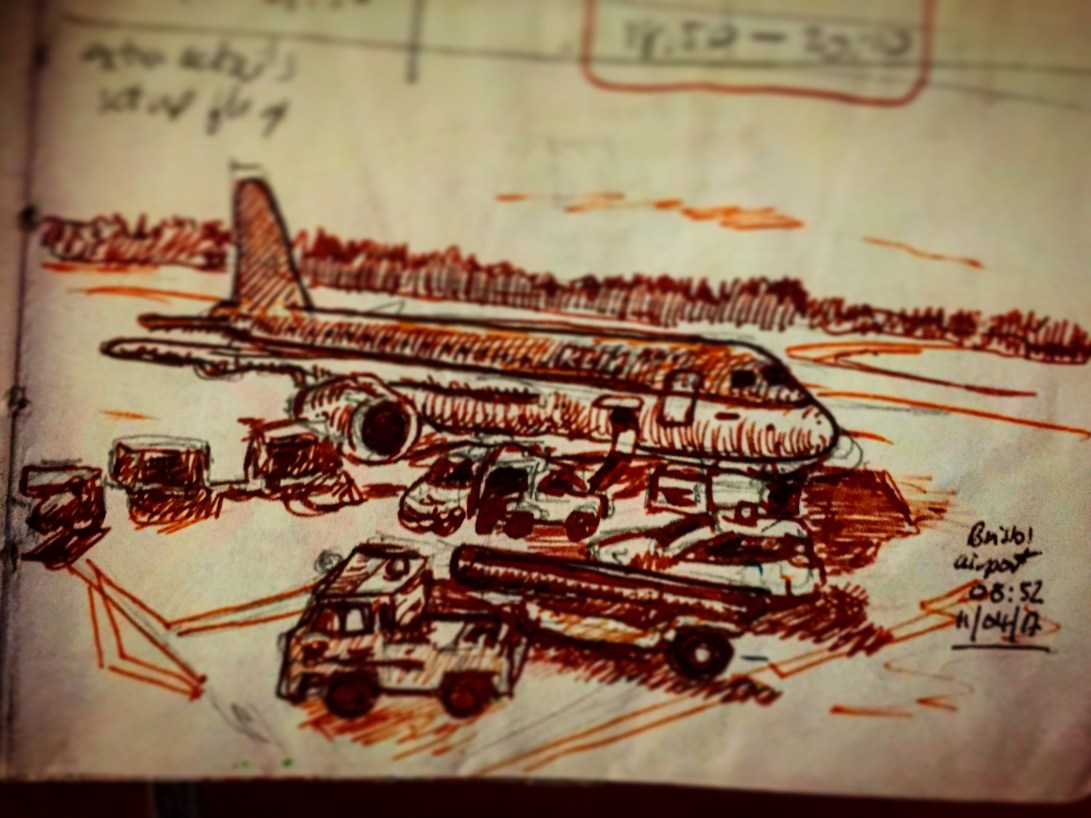
Digging out some old ones I forgot to post at the time.
This is one of the aeroplanes that took us to Berlin last April.
Around 8:45 am 11/04/17.
Bristol Airport.
Pencil, fountain pen and Stabilo marker.
Notebook: Ichabod.
- “What’s something you wish someone told you when you started making art?”
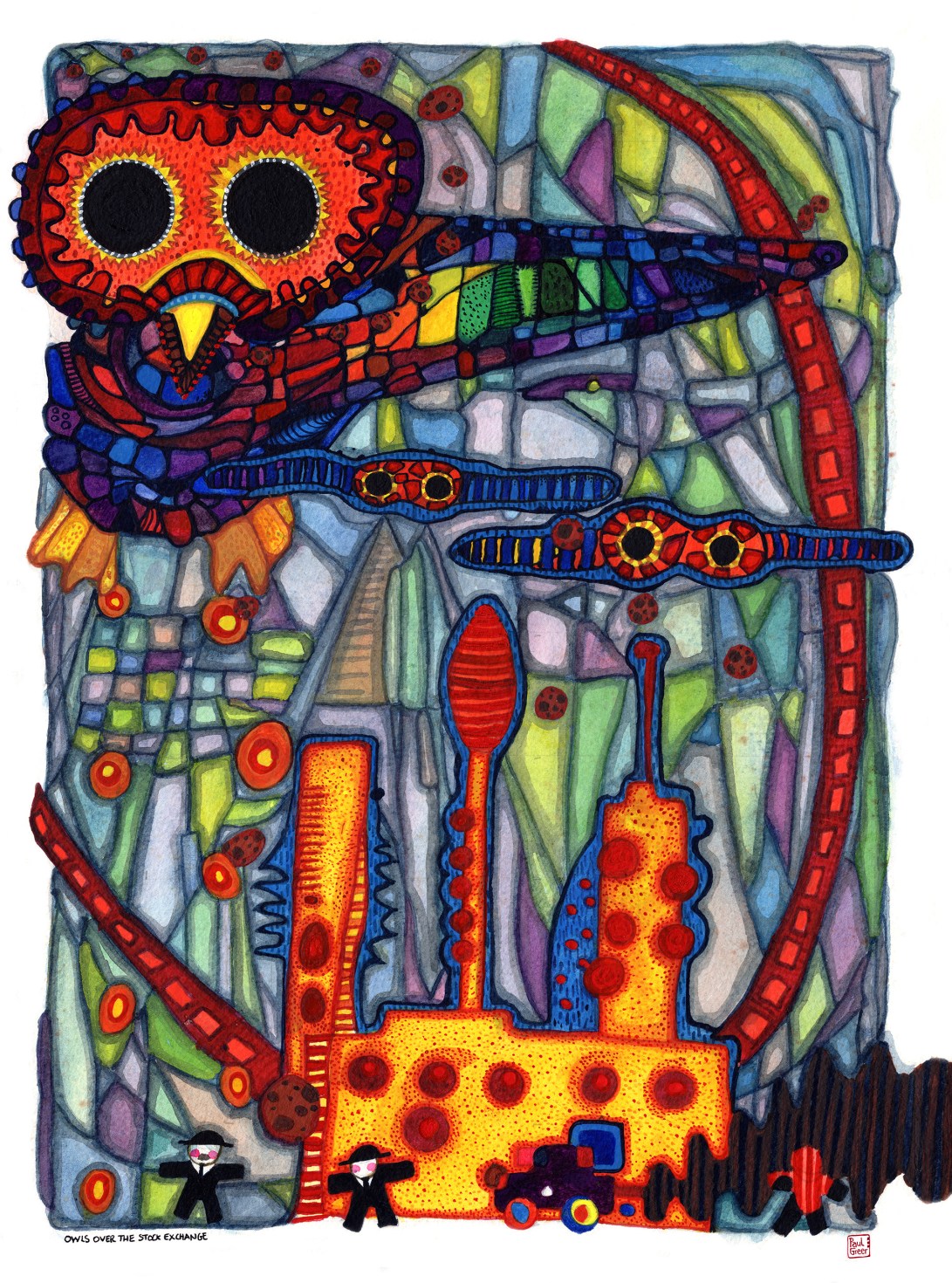
Painting of mine from a dream had during one of the past financial crash cycles. Signed prints (below) and products on Society6 now available.


Watercolour on Paper, 297 x 420 mm.
There were owls hunting down the tiny money people as the bubble burst.
Part of the Postcards from the Other Side of Sleep series.
 Paul Greer