Author: Paul Greer
lockscreen

Is this episode going on the air live ?
“No, Homer, very few cartoons go out live, it’s a terrible strain on the animator’s wrist.”
“There’s a place in the Sun…
…for anyone,
Who has the will to chase one.”

“I’ve zig-zagged all over America,”
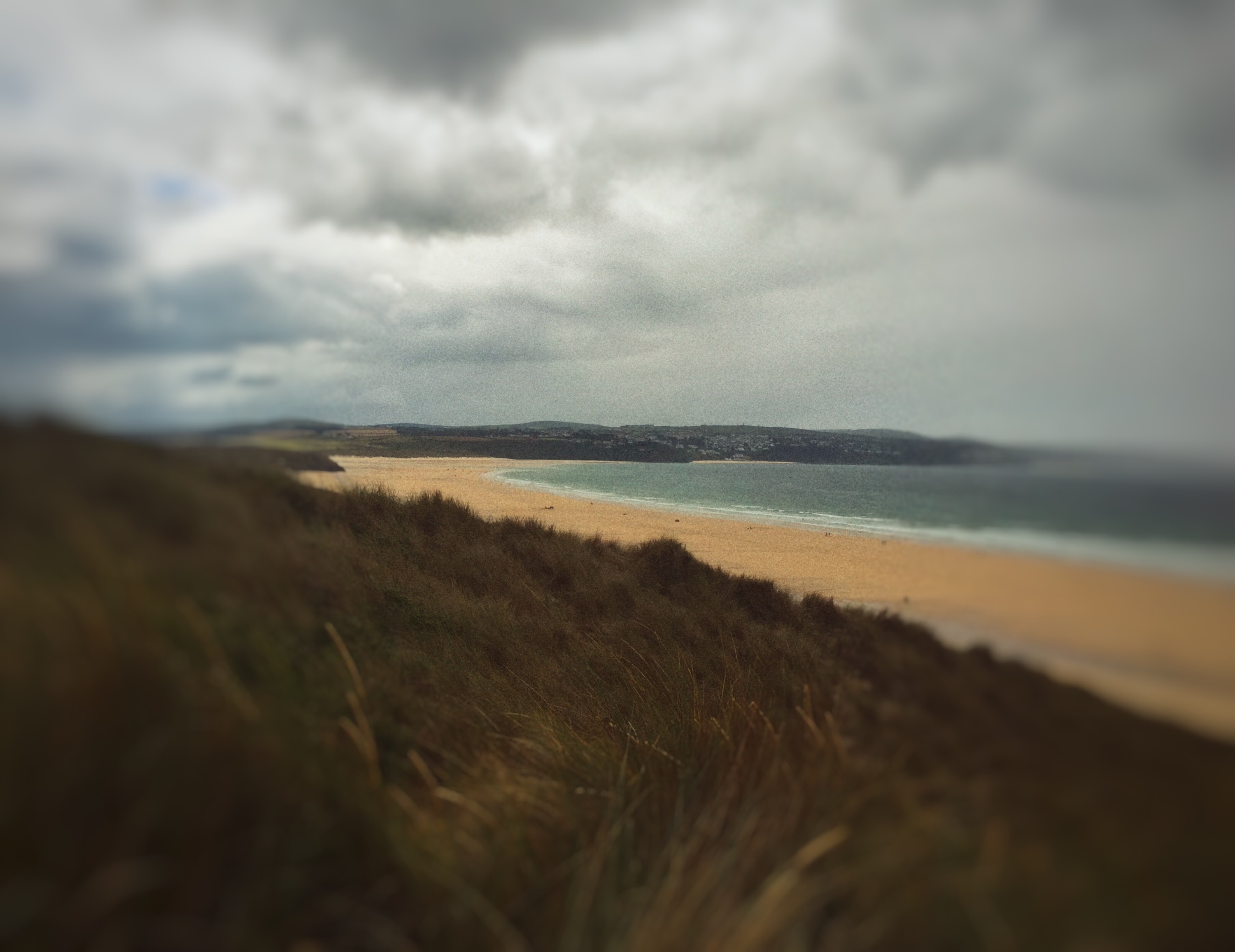
“and I haven’t found my safety haven,”
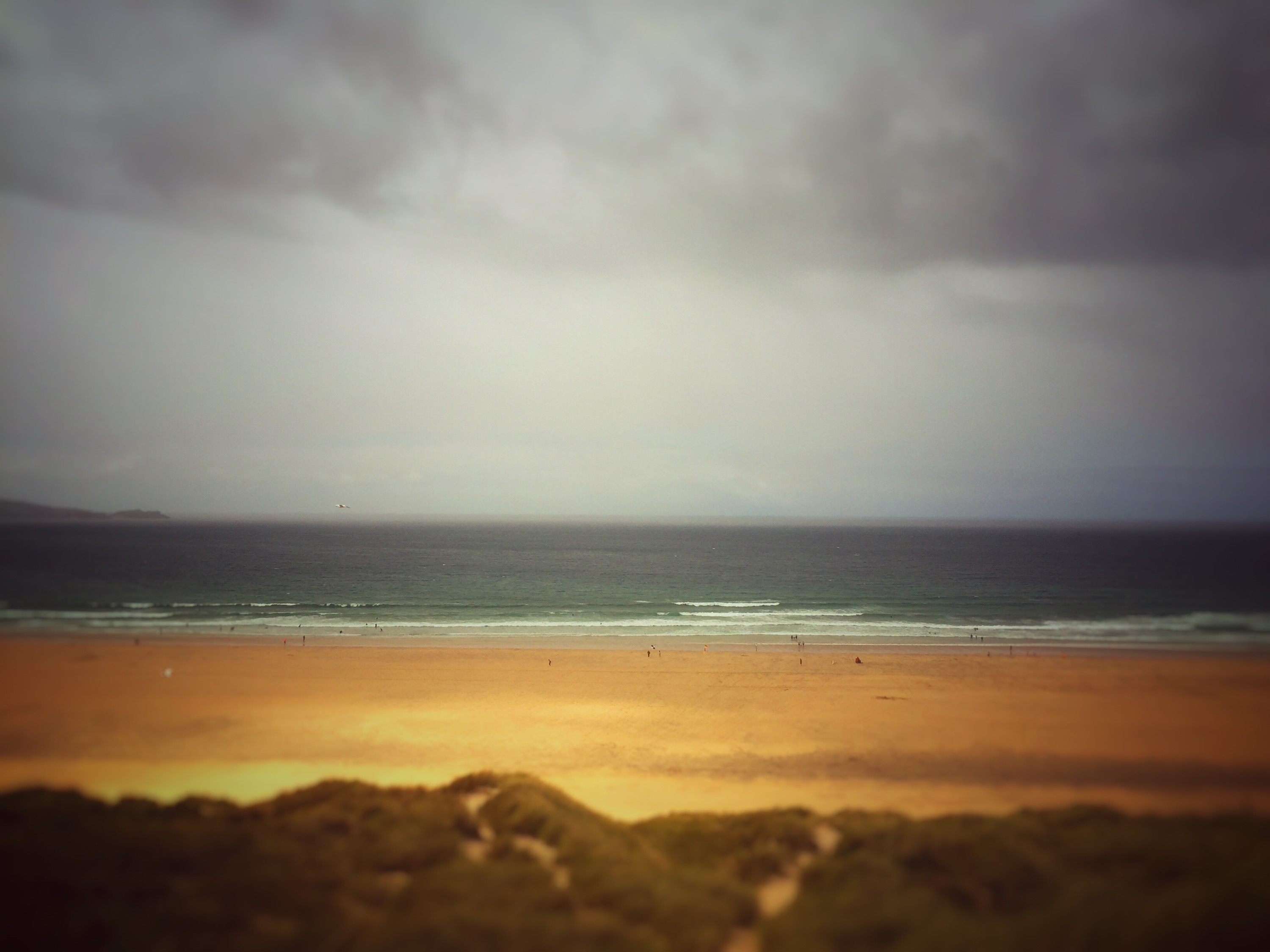
“SAY! would you let me cry on your shoulder?”

“I’ve heard you’ll try..”
“…anything twice.”
The Ocean Wants You Today
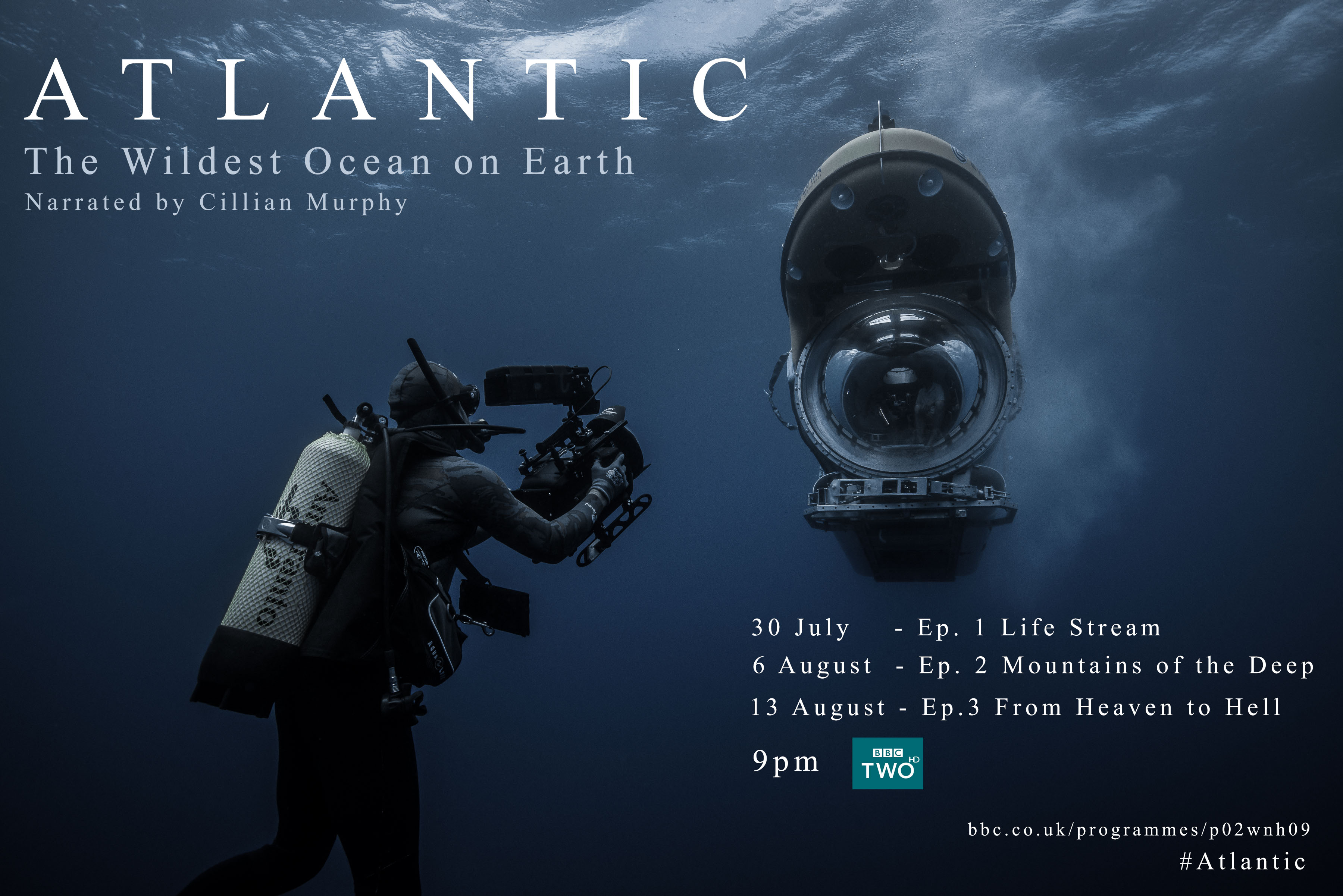
Last night was the BBC2 premier of the first episode of Atlantic. At BDH we had the honour of providing some graphics for this fantastic eye feast. Now available on the iPlayer I’m sure.
“L’Œil du Cyclone” Video clip by Masanobu Hiraoka (2015)
Frightened Control Freaks
“Whenever I’ve had to write prose I always find writing the description is really frustrating, because I think I could just draw this. And also there’s always so much more content to a drawing than to a prose description. I feel like there’s always so much more to be done with that. Plus when you’re writing prose you’re competing against Tolstoy and Dostoevsky and it’s very difficult to do anything that would be ultimately satisfying in terms of really differentiating yourself. At best I could write a halfway decent novel. That’s all I could ever hope for and that would be quite an accomplishment.”
“It sometimes seems like that’s the overriding trend in comics right now, beautiful drawings and empty stories.
I can’t tell if that’s just the result of a generation of kids who are raised with this different form of receiving media. Is it that or is it just that they’re coming out of the art world more than they used to? I don’t know, but there is something very strange about that. It doesn’t seem to be attracting people who just want to create stories and aren’t that visually oriented. You would sort of think that would be a part of the comics world that was opening up. At least I haven’t really seen that. Or they could just be doing stories I’m not very interested in.”
A Very Partial History in the Evolution of the Animator
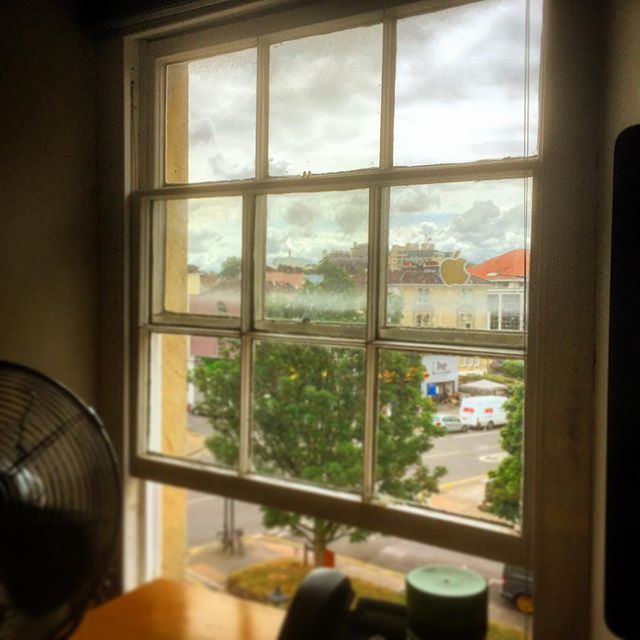
 Today in Workspace we decided to move one of the machines that has lived under my desk to another room, and after some rearrangement and a removal of one large screen, We unobscured the direct view to the window. I immediately noticed a 12% upswing in my mood as the sunshine spilled in onto my blinking face. It also provides me with the option of slight head turn to look at Far Away Things, a method suggested by many internet guru spanners to minimise the eye trauma suffered from working at close proximity to computer screens.
This sequence of events made me think back to my observation of the animator species during the course of the nineties. The decade began with the steadfast traditional animation techniques, light boxes and sealed, blacked out rooms where the precious things were moved very slightly frame by frame, or drawings carefully crafted, with, very often the curtains closed. Consequently animators were often pasty-skinned hunched-over morlocks with staring blank eyes and a tendency to euphoric inebriation at the animation festivals on meeting their fellow selves, as very often this was the only time they got out.

As the decade developed and the computer was carefully introduced to workflows, from one festival to the next one could observe the increase in the tanned skin, the bright eyes, the straighter back, and a sense that these people were opening windows and going outside more. Some of them even took to surfing.
Nowadays one couldn’t really tell an animator from any other kind of general human just by looks alone. Some would argue that that is a bad thing and computers are ruining everything. This partly true, of course.
Removal of second screen and severe desk rearrangement means window view is now enabled. Most pleasing.
 Paul Greer