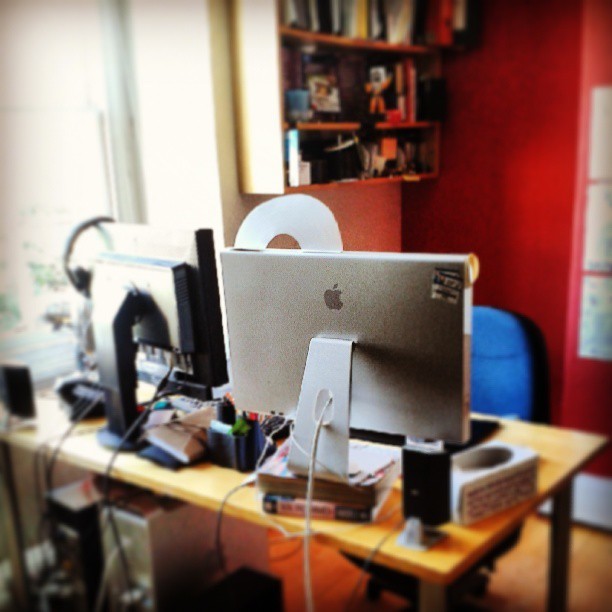
macro
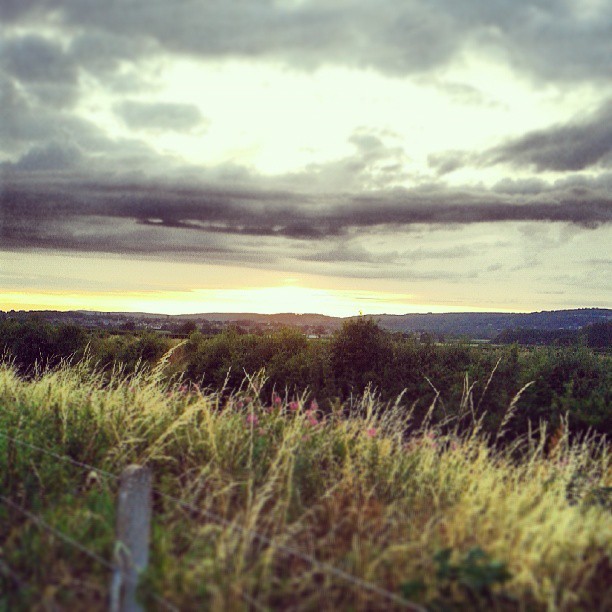
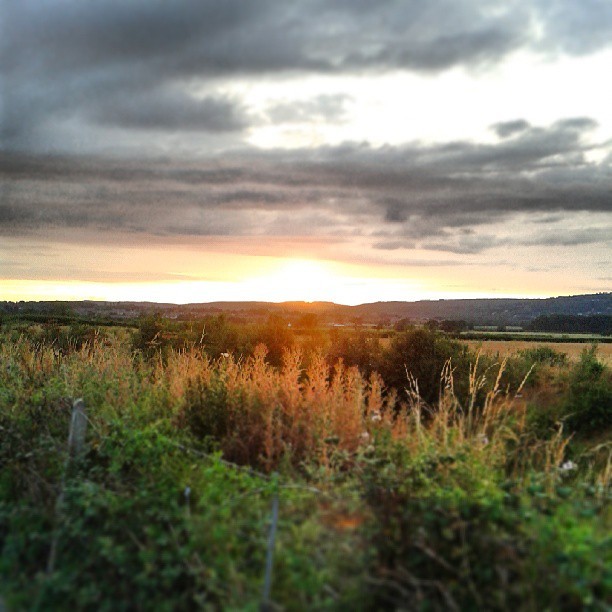
Somerset Sunset
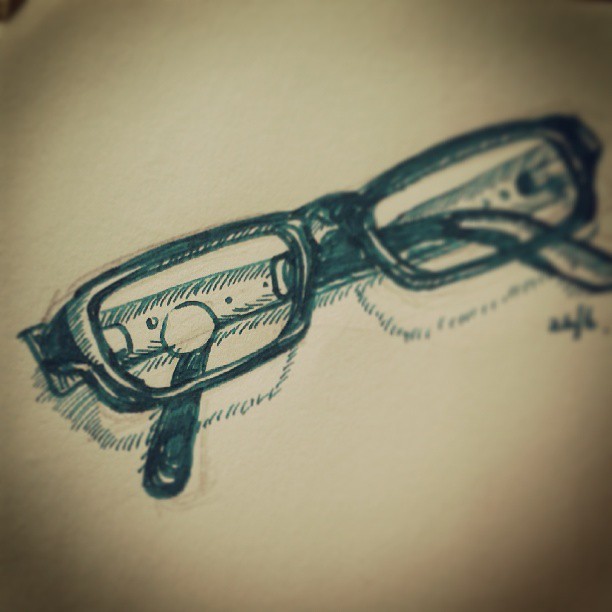
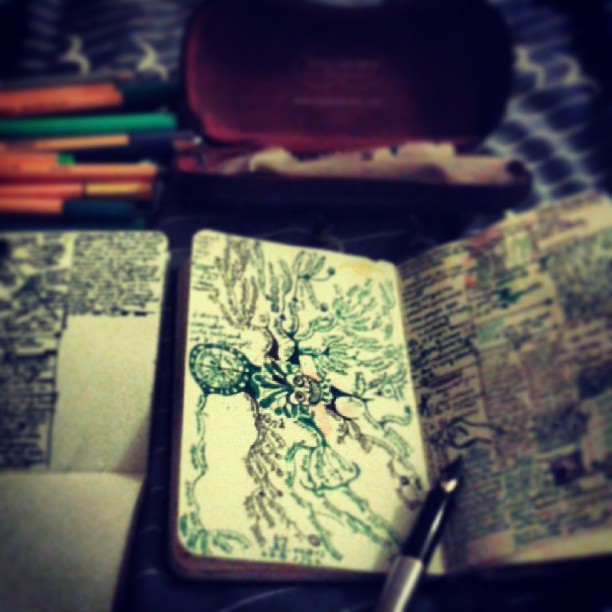
I took my glasses off so I could draw them.
Things I missed when not having a phone for 3 weeks.
- Using Vine.
- A request to dogsit.
- A phone call from my friends’ cat.
“How many rainbows can light create for the untutored eye?” – Vine and Me
Yes, so I got a bit excited when they released Vine for Android. It suddenly seemed the whole inventing smart phone thing suddenly had an actual purpose for me. I could make animated journal type entries actually on the go, without having to record everything and go back to base to put it together.
A real stroke of genius for me is that you can’t upload previously made movies, you have to go live, so creating animation becomes a superpower of being able to tap the screen with sufficient deftness you only trigger one frame and then some people go to the next level with using external lenses and tripods and things.
Unfortunately my phone is at the menders (dodgy power socket on those Samsung Galaxy Mini’s apparently), but the only thing I am really missing is the Vining.
I began by deleting a lot of early attempts but then came to the conclusion it’s best just to put it all out there, because often there’s a quality that comes out of the Vine you were not expecting, and the imperfection of it is the best thing.
Most of these have sound, and it’s usually relevant.
These next three are taken at various stages of making my way home after the pub.
(The title of this post is a quote from the mighty mighty Stan Brakhage)
Smiley Cake Icing Man says “HAI”!

Late night at the (home) office.
Rise Of The Continents
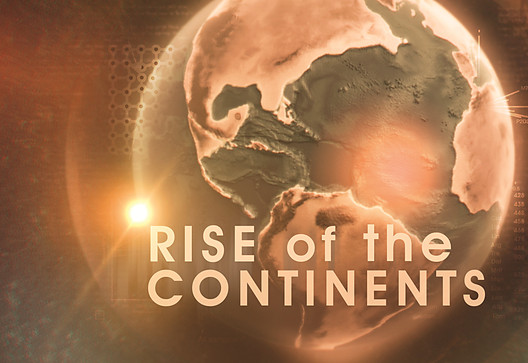
Rise Of The Continents, which we did extensive work for at BDH, is currently airing at 9pm on BBC2 on Sundays. If you are in the UK you can catch up with the whole series here on the iPlayer.
There is also some words on the process on the BBC website:
“The first stop was to understand and interpret the geological data. The production team at the BBC approached Professor Christopher Scotese, a leading expert in paleogeology from the University of Texas and creator of the Paleomap Project. This virtual reconstruction is a thirty year undertaking which aims to map the changing distribution of land and sea. By combining data from various fields of earth science, he mapped the movement and formation of our continents over the last billion years.
With Professor Scotese acting as a scientific advisor to the programme, the graphics team were able to use the geological data relating to land and plate tectonics to build the graphics. By subsequently playing with colour, size and special lens effects, the team created bold CGI sequences that would help clearly explain how the Earth works.”
Read more here.
June 27, 2013, 3:14pm
 Paul Greer