LITERATURES
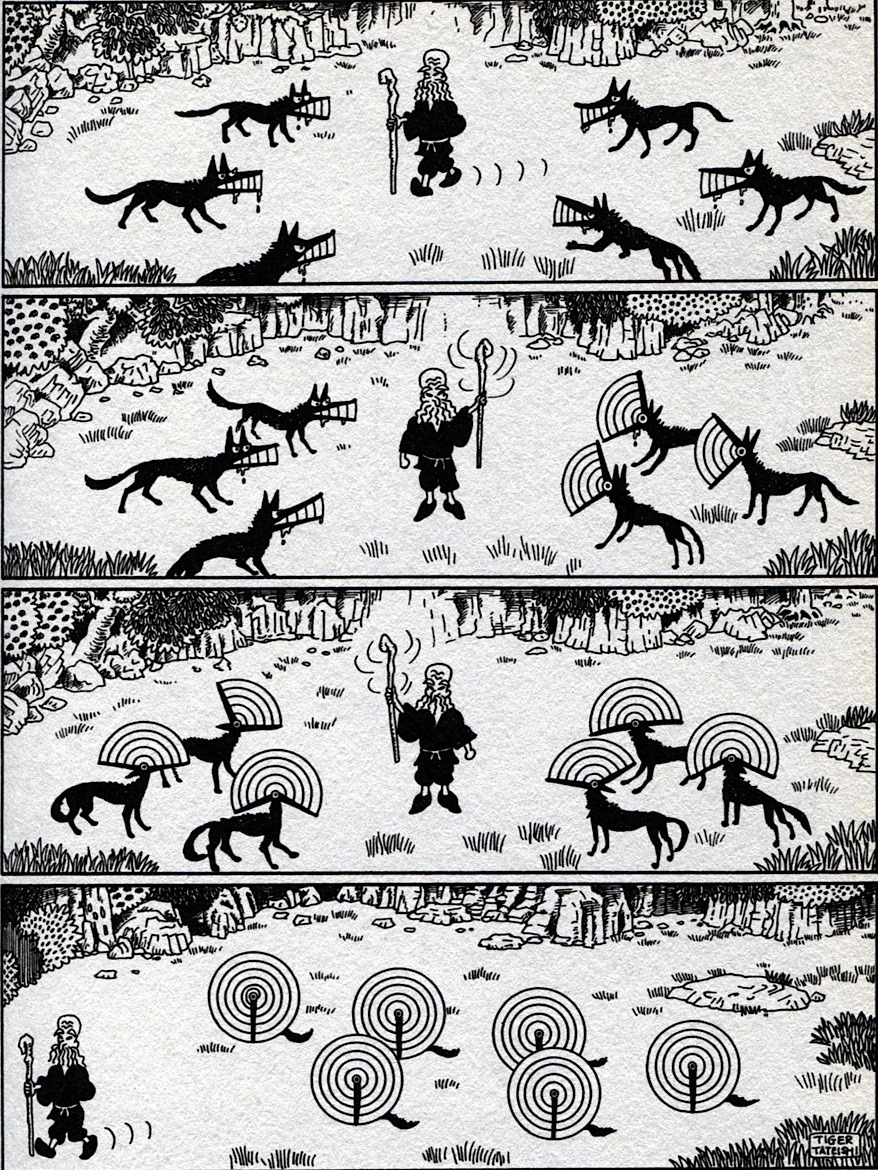
Alternative Comics, Sequential visual narrative, photo stories, cave paintings. Little comics everywhere.
Dragon’s Breath and other true stories by MariNaomi


reblogging: marinaomi:
“My boooooook!”
“Dragon’s Breath and other true stories
by MariNaomi
Published by 2D Cloud + Uncivilized Books
In this collection of thought-provoking, emotionally honest graphic vignettes, many of which first appeared on TheRumpus.net as the series “Smoke In Your Eyes,” MariNaomi explores a wide spectrum of topics including youthful rebellion, mortality, disillusionment, and compassion. These poignant stories, some filled with hope, others tinged with remorse, are sure to appeal to even the most discerning reader.
Publication Date: 9/30/14
“The book is utterly absorbing, funny, intimate, and even philosophical.”
—Publishers Weekly384 pages, 6” x 9” paperback with french flaps, black & white interiors.
$24.95 + shipping
Order here or here
Distributed by Consortium“
Highly recommended.
Although comics can be funny, they can also be used to tell the most serious stories we know…
“I’ve come to think of a comic as being something like a song. It can really be about anything. We can address all sorts of things in a song —- love gone wrong, truck-driving daddies, smoking, racism, boots, birthdays, cheating, space travel, big butts, revenge, war, a turkey in the straw, regret, grandma’s hands, purple haze or mountains majesty —- in this same way we can make a comic about anything. In this class every kind of story is welcome. No matter the subject, it is welcome to find its own way into comic form.”
When I was 16 I couldn’t find a poster of this so I drew it myself as large as I could
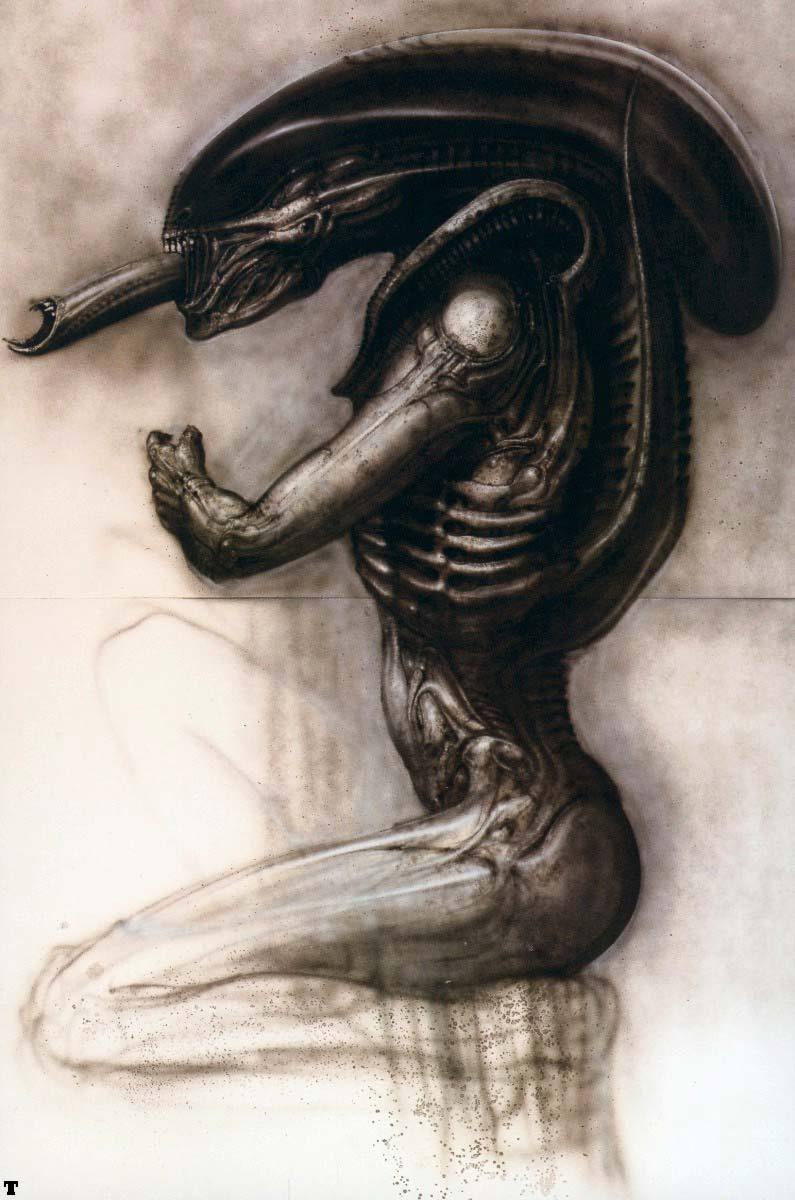
“O’Bannon introduced Scott to the artwork of H. R. Giger; both of them felt that his painting Necronom IV was the type of representation they wanted for the film’s antagonist and began asking the studio to hire him as a designer. 20th Century Fox initially believed Giger’s work was too ghastly for audiences, but the Brandywine team were persistent and eventually won out. According to Gordon Carroll: “The first second that Ridley saw Giger’s work, he knew that the biggest single design problem, maybe the biggest problem in the film, had been solved.” Scott flew to Zürich to meet Giger and recruited him to work on all aspects of the Alien and its environment including the surface of the planetoid, the derelict spacecraft, and all four forms of the Alien from the egg to the adult”
Codex Fejérváry-Mayer (Tezcatlipoca)

“The Codex Fejérváry-Mayer is an Aztec Codex of central Mexico. It is one of the rare pre-Hispanic manuscripts that have survived the Spanish conquest of Mexico. As a typical calendar codex tonalamatl dealing with the sacred Aztec calendar – the tonalpohualli – it is placed in the Borgia Group. It is a divinatory almanac in 17 sections.Its elaboration is typically pre-Columbian: it is made on deerskin parchment folded accordion-style into 23 pages. It measures 16.2 centimetres by 17.2 centimetres and is 3.85 metres long”

“The earliest history of the codex is unknown. It is named after Gabriel Fejérváry (1780–1851), a Hungarian collector, and Joseph Mayer (1803–1886), an English antiquarian who bought the codex from Fejérváry. In 2004 Maarten Jansen and Gabina Aurora Pérez Jiménez proposed that it be given the indigenous name Codex Tezcatlipoca, from the Nahuatl name of the god Tezcatlipoca (who is shown, with black-and-yellow facial striping, in the centre of its first page), although it is not certain that its creators were Nahuas.
It is currently kept in the World Museum Liverpool in Liverpool, England, having as its catalogue # 12014 M. It is published in Volume 26 of the series Codices Selecti of the Akademische Druck – u. Verlagsanstalt – Graz. It is believed to have originated specifically in Veracruz.”

“Codex Fejérváry-Mayer is an important cultural artifact from the pre-Cortes destruction of the Aztec capital Tenochtitlan. An Aztec Code from Central Mexico, it is one of very few manuscripts to survive the Spanish conquest. A typical calendar code (onalamatl), including an Aztec world calendar (tonalpohualli) – both part of a larger series of codes called Code Borgija – it’s design is characterized by pre-colombian influence. It’s made of parchment and chamois, and folded like an accordion, stretching over twelve feet long when unfurled.”

“The earliest history of the code is wrapped in darkness, it became known as Codex Fejérváry-Mayer after the Hungarian collector (Fejervaryju) and benefactor from Liverpool (Mayer) who acquired the piece. Most experts agree the true name was probably Code Tezcatlipoca, the name of the Nahuatl people’s god.”


via MagicTransistor
Frederic Edwin Church, Iceberg studies, 1859. Drawings.


The Art of Comics No. 2
“Comics, in some ways, are already structurally more synesthetic than “text-only” writing, with their combination of pictures and words inducing a flowing sense of movement and sound and sometimes even smell.”
‘Se’moin’ from the Tablet of Fonece (Oahspe ‘primordial language’ also known as Panic, from the name Pan), John Ballou Newbrough, d. 1891.
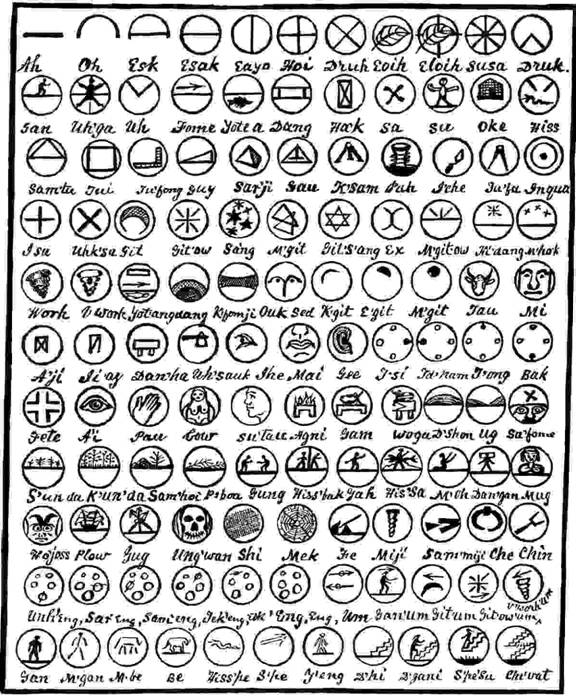
“i033 Tablet of Se’moin. Panic language means earth-language; things were named after the sounds they uttered; thus, the soul of each thing spoke, and that which was voiced was called the Panic language. Panic was the first language on earth but was not written until Se’moin, given in the time of Sethantes, being the first written language given to I’hins. As such, Se’moin represents the first explanation of creation ever given to man.”
“The Paradise Destroyed by the Straight Line,”- Friedensreich Hundertwasser on Stamps and Lines
“The stamp is an important object. Although very small in format, it carries a message. Stamps are a measure of the culture of a country. This tiny, rectangular piece of paper links the hearts of the sender and receiver. It is a bridge between peoples and nations. The stamp knows no borders. It reaches us even in prisons, asylums, and hospitals, and wherever we may be on earth. Stamps should be ambassadors of art and life and not simply soulless proofs of postage paid. The stamp must experience its destiny. The stamp must once again fulfil its purpose, which means it must serve on letters. A true stamp must feel the tongue of the sender moistening its gum. A stamp must be stuck on a letter. A stamp must experience the dark depths of the post box. A stamp must suffer franking. A stamp must sense the hand of the postman handing the letter to the addressee….The stamp is the only work of art that everyone can own, young and old, rich and poor, healthy and sick, educated and ignorant, free or robbed of freedom…“
— Hundertwasser, February 14, 1990


“In 1953 I realized that the straight line leads to the downfall of mankind. But the straight line has become an absolute tyranny. The straight line is something cowardly drawn with a rule, without thought or feeling; it is a line which does not exist in nature. And that the line is the rotten foundation of our doomed civilization. Even if there are certain places where it is recognized that this line is rapidly leading to perdition, its course continues to be plotted. The straight line is godless and immoral.
The straight line is the only uncreative line, the only line which does not suit man as the image of God. The straight line is the forbidden fruit. The straight line is the curse of our civilization. Any design undertaken with the straight line will be stillborn.
Today we are witnessing the triumph of rationalist knowhow and yet, at the same time, we find ourselves confronted with emptiness. An aesthetic void, desert of uniformity, criminal sterility, loss of creative power. Even creativity is prefabricated. We have become impotent. We are no longer able to create. That is our real illiteracy.”
 Paul Greer