“Numbers it is. All music when you come to think. Two multiplied by two divided by half is twice one. Vibrations: chords those are. One plus two plus six is seven. Do anything you like with figures juggling. Always find out this equal to that. Symmetry under a cemetery wall. He doesn’t see my mourning. Callous: all for his own gut. Musemathematics. And you think you’re listening to the etherial. But suppose you said it like: Martha, seven times nine minus x is thirtyfive thousand. Fall quite flat. It’s on account of the sounds it is.”
– James Joyce from Ulysses
MATH
Number theory, abstract science, spacial quantities,
Prof. Dr, Max Bruckner, Four Plates from the Book “Vielecke und Vielflache”, (1900)
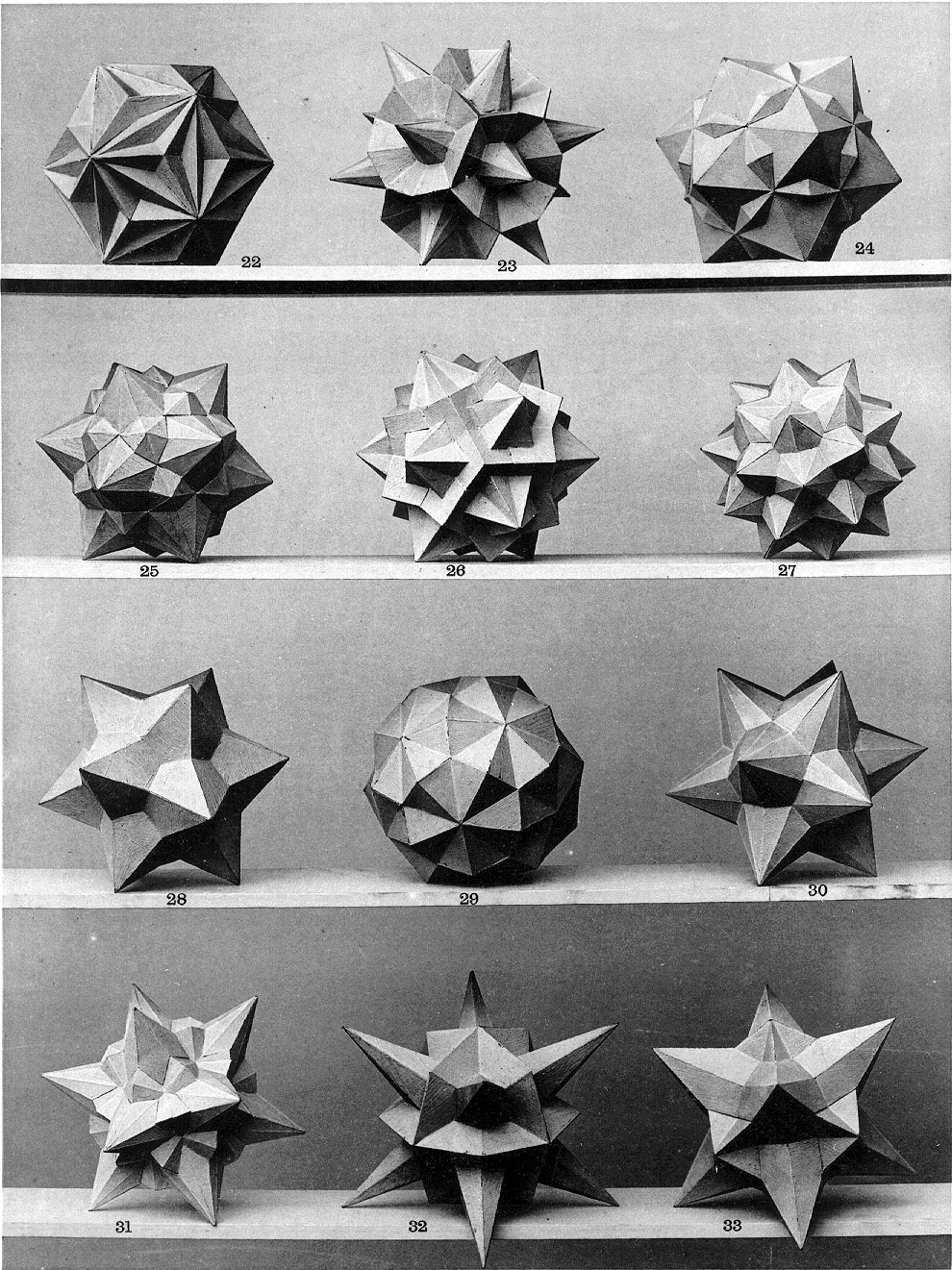
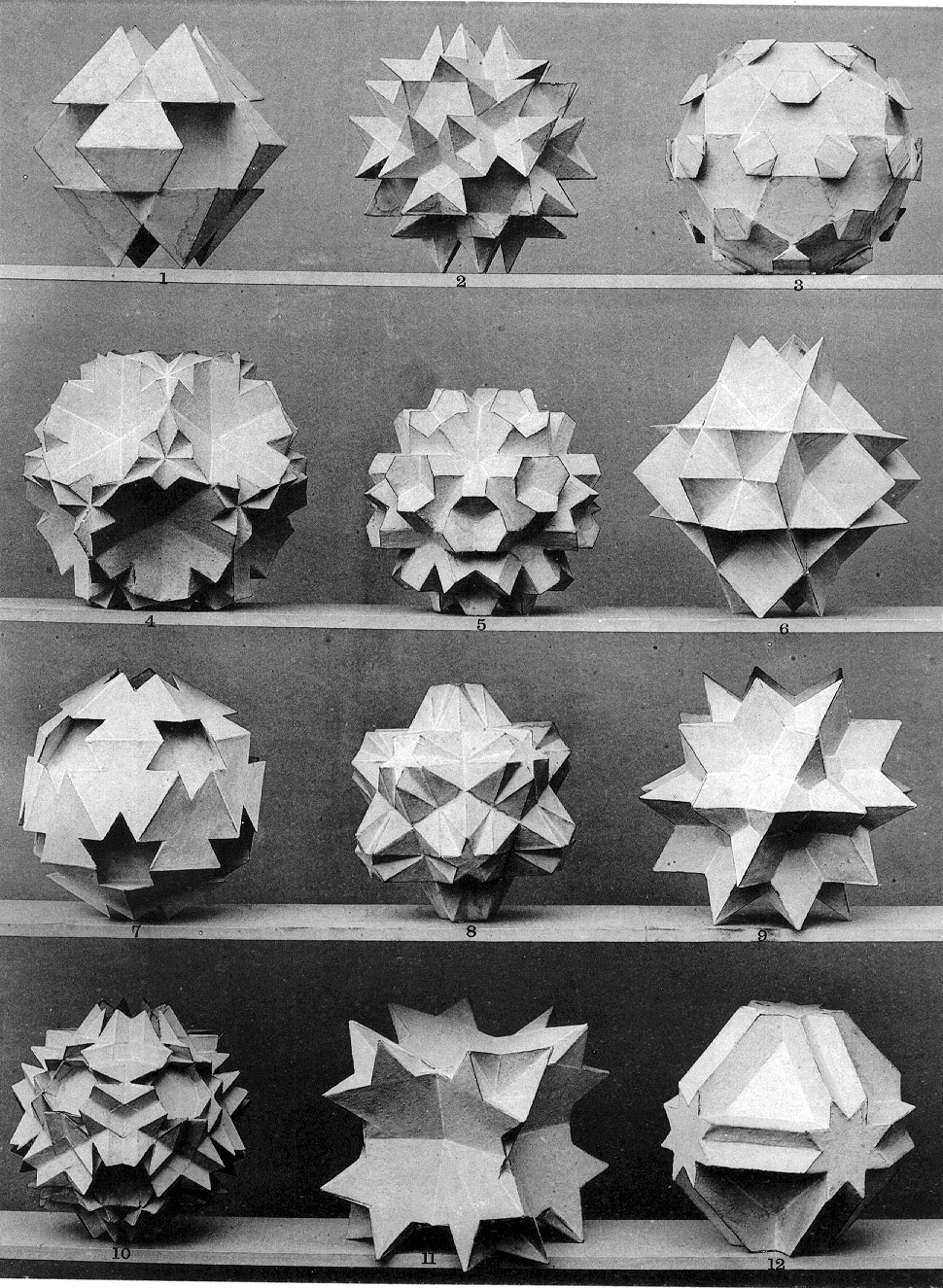
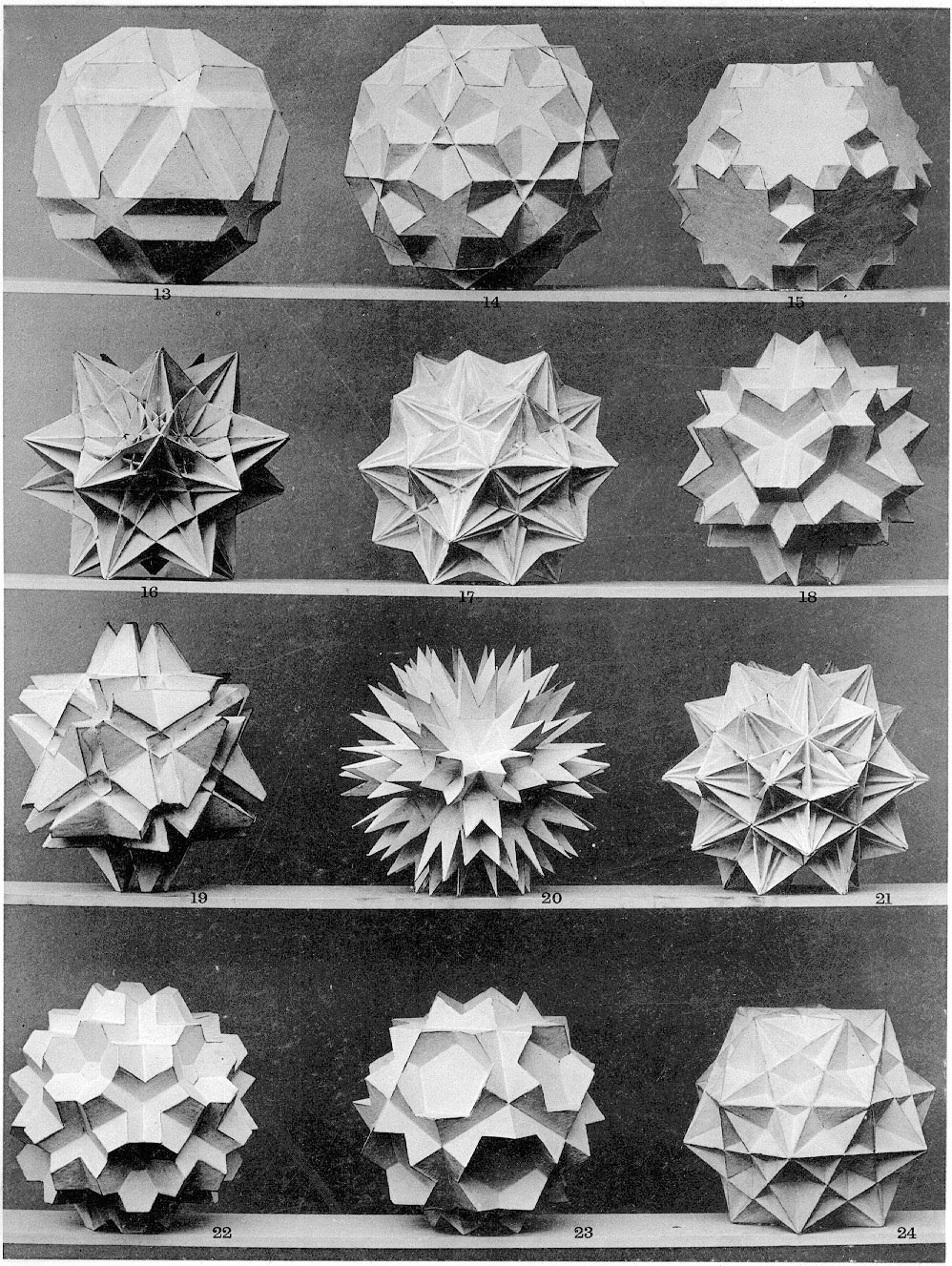
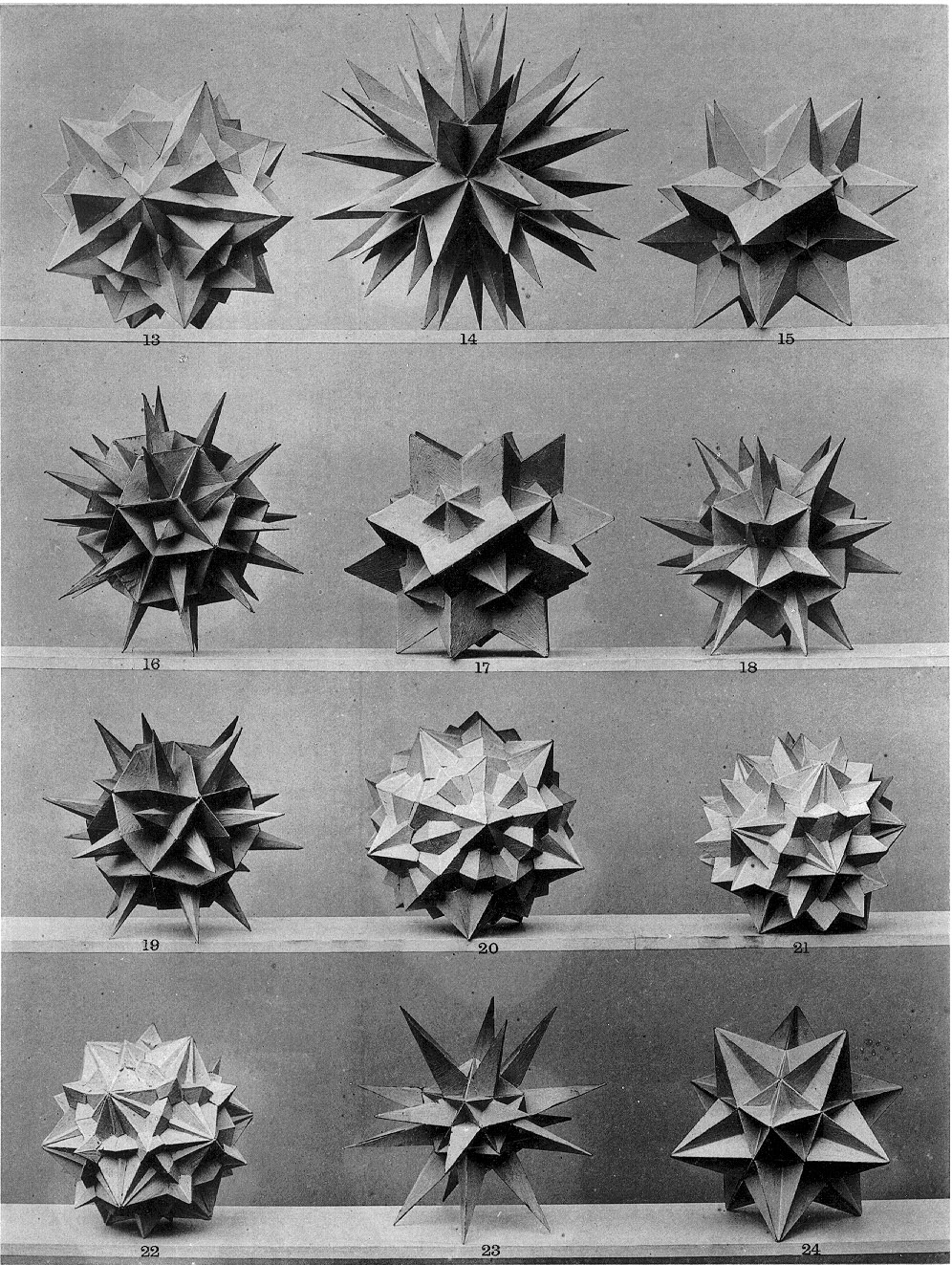
“Regular convex polyhedra, frequently referenced as “Platonic” solids, are featured prominently in the philosophy of Plato, who spoke about them, rather intuitively, in association to the four classical elements (earth, wind, fire, water… plus ether). However, it was Euclid who actually provided a mathematical description of each solid and found the ratio of the diameter of the circumscribed sphere to the length of the edge and argued that there are no further convex polyhedra than those 5: tetrahedron, hexahedron (also known as the cube), octahedron, dodecahedron and icosahedron.”
reblogging rudygodinez
From Isaac Newton’s “Waste Book”

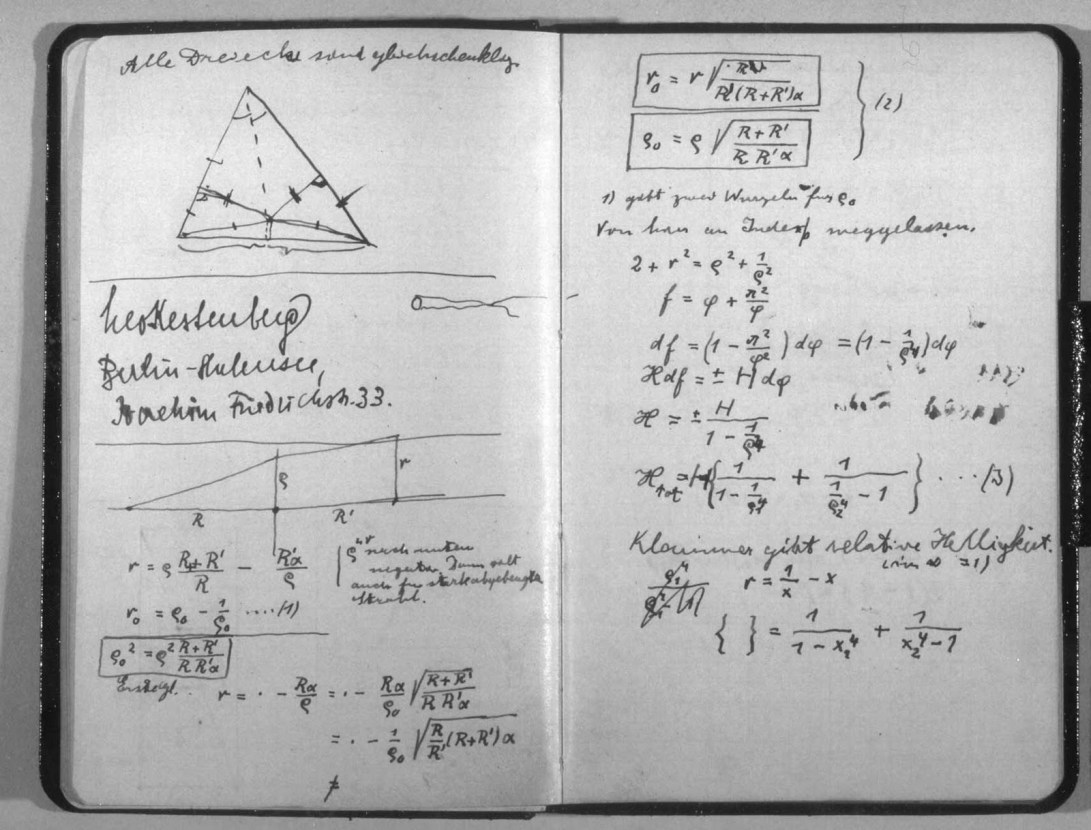
Albert Einstein’s notebook
Sesame Street: Feist sings 1,2,3,4
Egyptian Maths
via Motley Glue
The Netherlands diary

Entry from ‘Albrecht Dürer and his Legacy’ BM exh. cat. 2002, no.103:
‘This woodcut design for ornament is one of six ‘knots’, as Dürer referred to them in his Netherlands diary (see Goris and Marlier, p. 81) copied after six engravings of c. 1490-1500 thought to be designed by Leonardo da Vinci
Ten mathematical habits of mind
- Pattern Sniff
- Experiment, Guess and Conjecture
- Organize and Simplify
- Describe
- Tinker and Invent
- Visualize
- Strategize, Reason and Prove
- Connect
- Listen and Collaborate
- Contextualize, Reflect and Persevere

 Paul Greer