Inuit Genealogy

reblogging johnfass

johnfass's avatarfevered imaginings

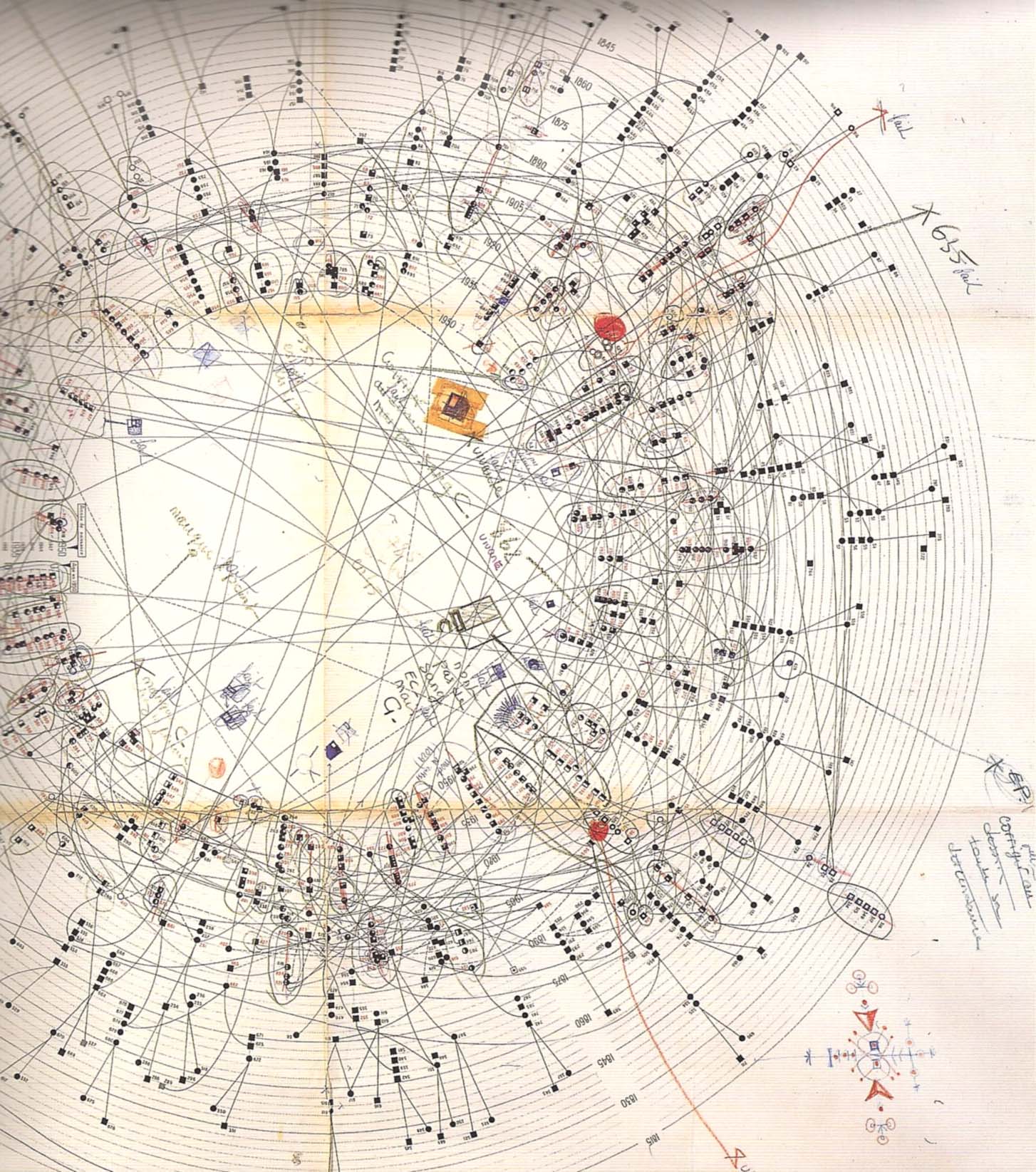
Currently working on a research project related to Canadian and Greenland Inuit with R0gMedia in Berlin. The diagram above is a genealogical diagram made in the mid 1950s by anthropologist Jean Malaurie, the first of its kind. It’s a hand made radial drawing, Malaurie has a whole series of them in his apartment in Paris, along with his extensive personal archive of research materials including photos, films, notebooks, drawings. While the broader aims of the project are to find an institution willing to host the collection, I’m trying to make an digital artefact out of this diagram that could bring the information alive and demonstrate how historical anthropological materials can be made relevant and contextualised for present and future generations. DIS2012 published a paper on this project for a workshop about slow technology. Slow technology DIS2012

View original post

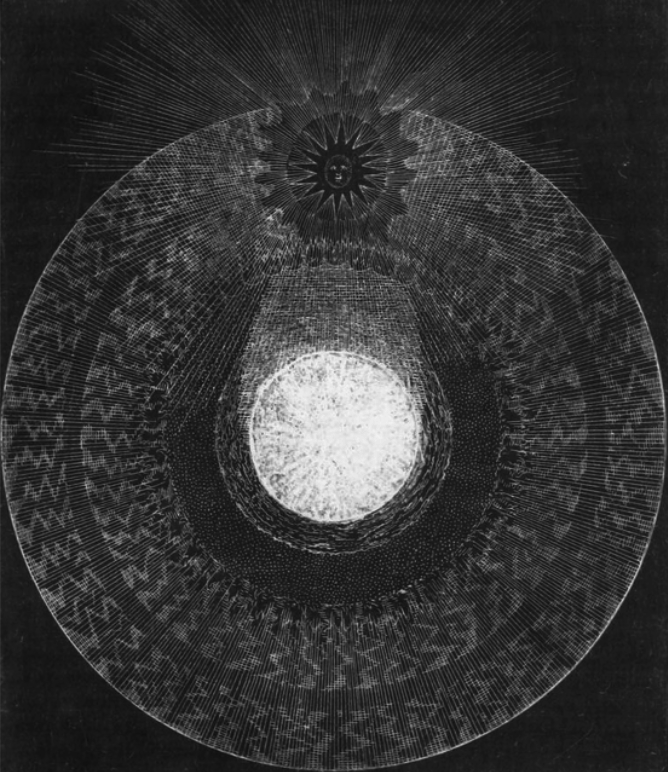
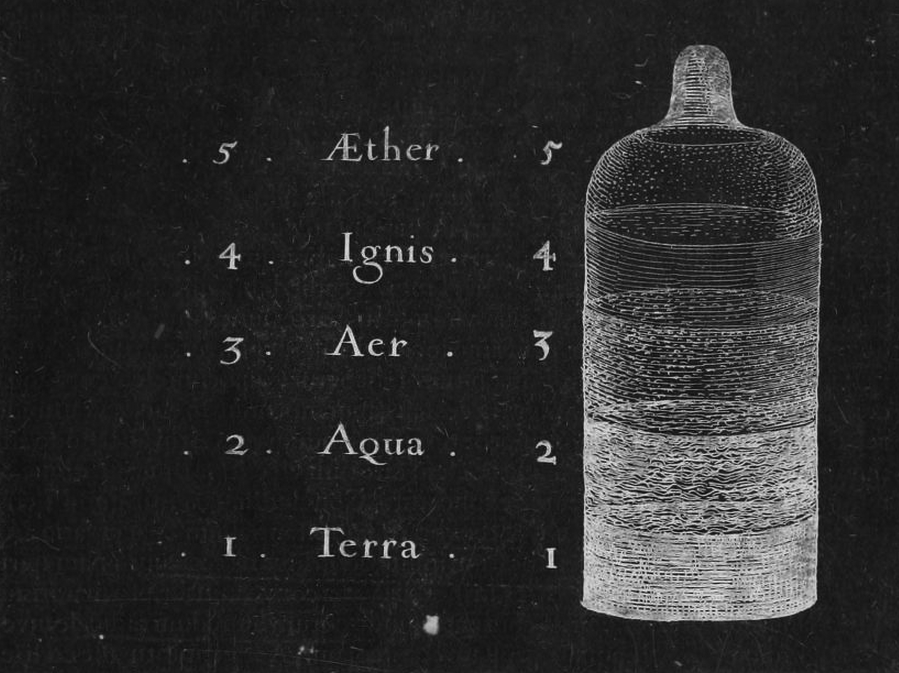
Robert Fludd – Utriusque Cosmi Maioris Scilicet et Minoris Metaphysica, 1617


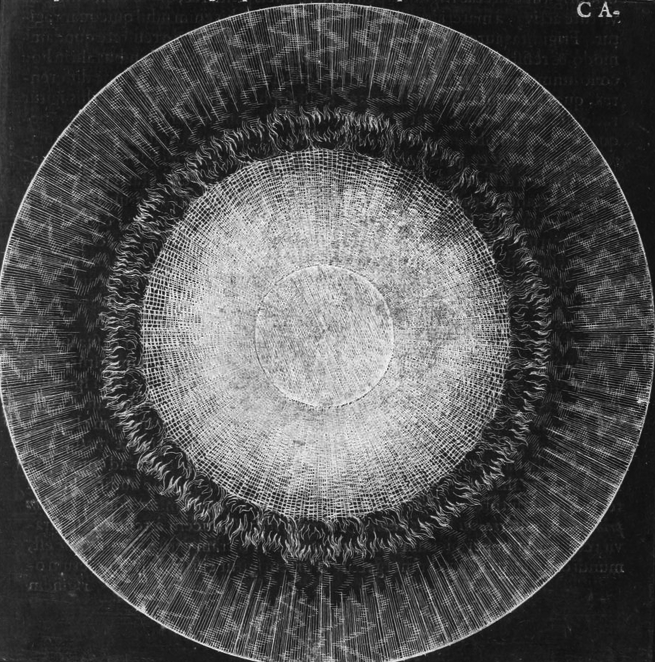
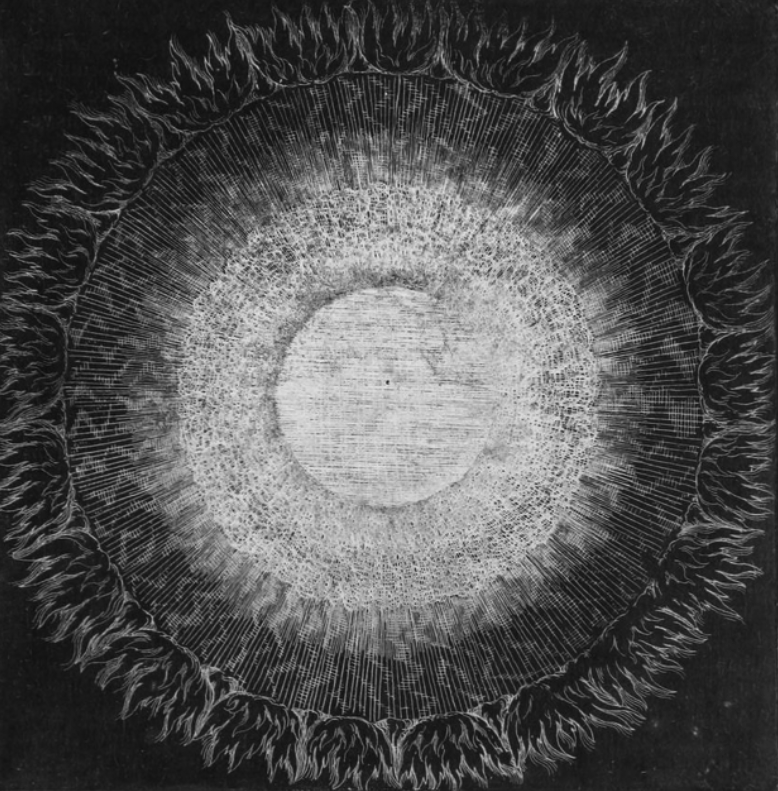
Robert Fludd - Utriusque Cosmi Maioris Scilicet et Minoris Metaphysica, 1617


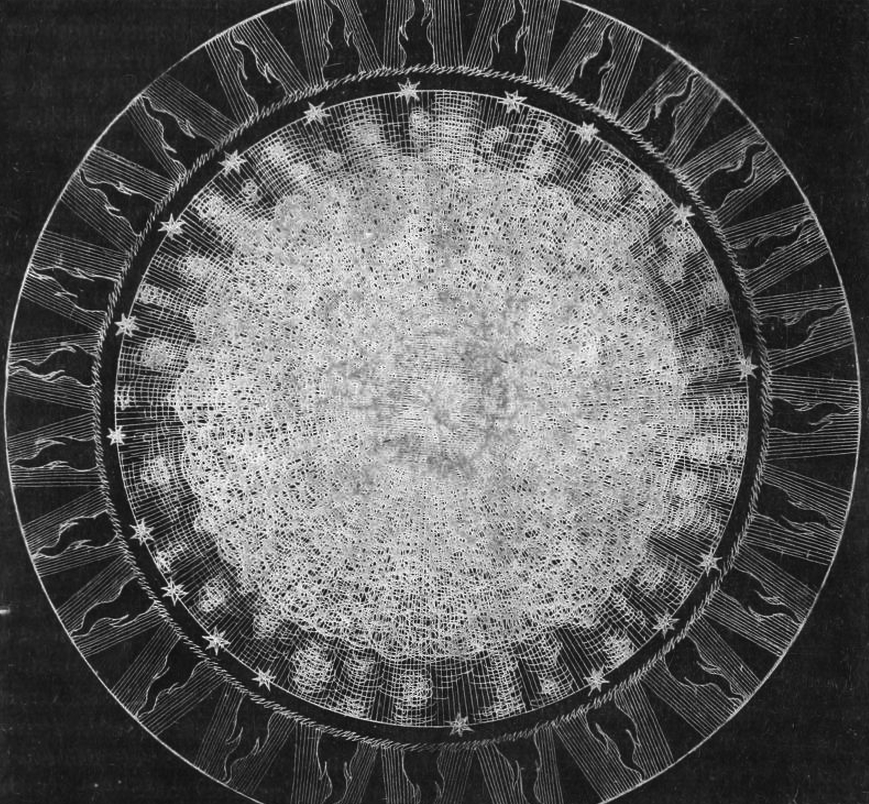
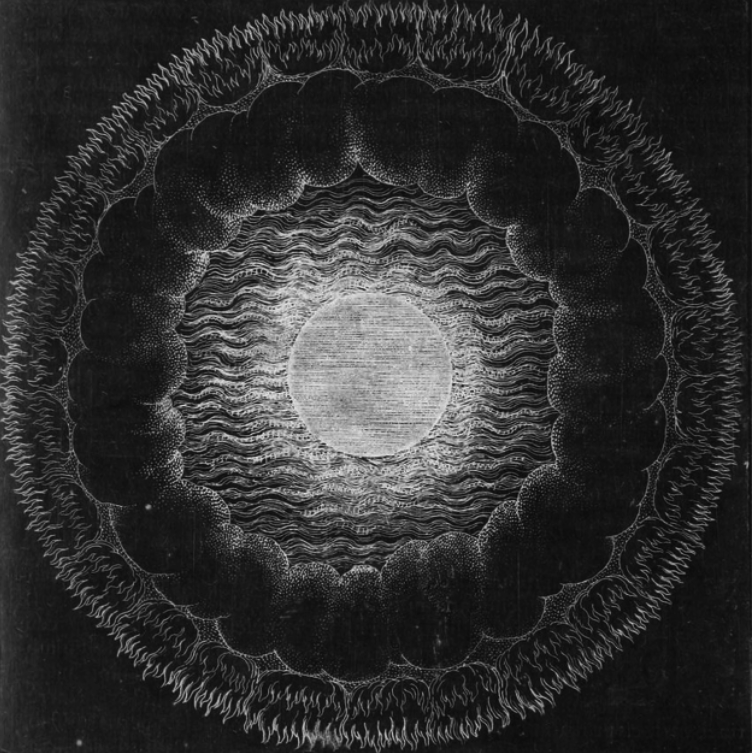
Robert Fludd - Utriusque Cosmi Maioris Scilicet et Minoris Metaphysica, 1617


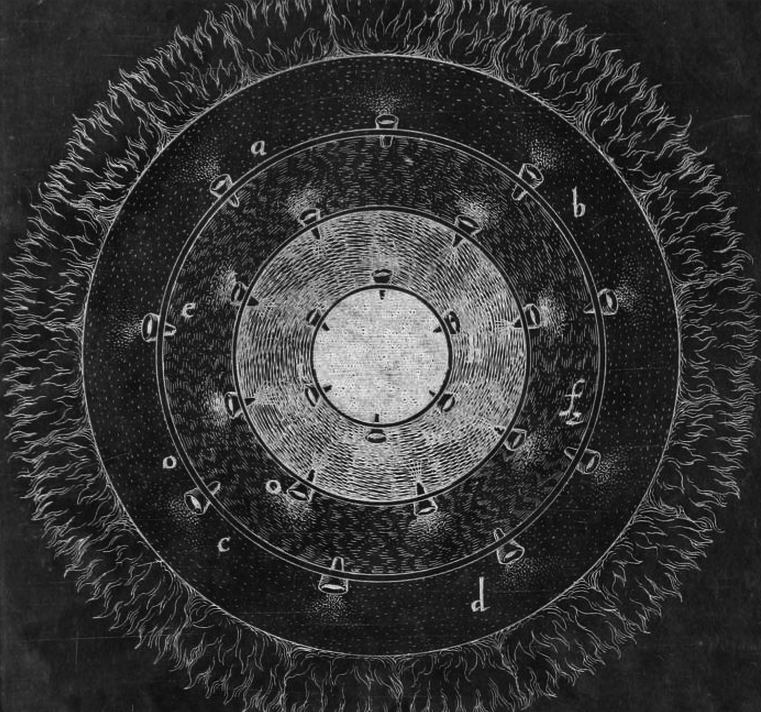
Robert Fludd - Utriusque Cosmi Maioris Scilicet et Minoris Metaphysica, 1617


Robert Fludd - Utriusque Cosmi Maioris Scilicet et Minoris Metaphysica, 1617


Robert Fludd - Utriusque Cosmi Maioris Scilicet et Minoris Metaphysica, 1617


Robert Fludd - Utriusque Cosmi Maioris Scilicet et Minoris Metaphysica, 1617


Robert Fludd - Utriusque Cosmi Maioris Scilicet et Minoris Metaphysica, 1617


Robert Fludd - Utriusque Cosmi Maioris Scilicet et Minoris Metaphysica, 1617


Robert Fludd - Utriusque Cosmi Maioris Scilicet et Minoris Metaphysica, 1617

via bloodmilk


“Robert Fludd was a respected English physician (of Welsh origins) employed at the court of King James I of England. He was a prolific writer of vast, multi-volume encyclopaedias in which he discussed a universal range of topics from magical practices such as alchemy, astrology, kabbalism and fortune-telling, to radical theological thinking concerning the inter-relation of God with the natural and human worlds. However, he also proudly displayed his grasp of practical knowledge, such as mechanics, architecture, military fortifications, armaments, military manoeuvres, hydrology, musical theory and musical instruments, mathematics, geometry, optics and the art of drawing, as well as chemistry and medicine. Fludd used the common metaphor for the arts as being the “ape of Nature,” a microcosmic form of the manner in which the universe itself functioned.

“Fludd’s most famous work is the History of the Two Worlds (Utriusque Cosmi … Historia, 1617-21) published in five volumes by Theodore de Bry in Oppenheim. The two worlds under discussion are those of the Microcosm of human life on earth and the Macrocosm of the universe (which included the spiritual realm of the Divine).”

PublicDomainReview

“Art observation skills can transfer to the medical lab”

“If you’re unfamiliar or uncomfortable with how art and science can mingle to produce something clinically beneficial, it’s a study premise that might seem far-fetched — but it didn’t seem that way to Gurwin, an ophthalmology resident at Penn, in part because she’d already seen the benefits of art education on a medical career firsthand.

“Having studied fine arts myself and having witnessed its impact on my medical training, I knew art observation training would be a beneficial practice in medical school,” she said. “Observing and describing are skills that are taught very well in fine arts training, and so it seemed promising to utilize their teachings and apply it to medicine.”

“Gurwin and Binenbaum’s findings, published in the journal Ophthalmology in September: The medical students who’ve dabbled in art just do better.

“It’s a glimpse at how non-clinical training can and does make for a better-prepared medical professional. Not only does art observation training improve med students’ abilities to recognize visual cues, it also improves their ability to describe those cues.”

via

“Isaacson argues that Leonardo’s observational powers were not innate and that with sufficient practice, we can all observe as he did. People talk in a precious way about genius, creativity, and curiosity as superpowers that people are born with but noticing is a more humble pursuit. Noticing is something we can all do.”

also via

Theorists of Colour (1665-1810)

Color is always representative. Newton’s original wheel included “musical notes correlated with color.” By the end of the 18th century, color theory had become increasingly tied to psychological theories and typologies, as in the wheel above, the “rose of temperaments,” made by Goethe and Friedrich Schiller in 1789 to illustrate “human occupations and character traits,” the Public Domain Review notes, including “tyrants, heroes, adventurers, hedonists, lovers, poets, public speakers, historians, teachers, philosophers, pedants, rulers,” grouped into the four temperaments of humoral theory.

via Open Culture

Far Flung Flora and Fauna

German biologist and artist Ernst Haeckel dedicated his life studying far flung flora and fauna, drawing each of their peculiar specificities with an immense scientific detail. Haeckel made hundreds of such renderings during his lifetime, works which were used to explain his biological discoveries to a wide audience. In addition to these visual masterpieces, Haeckel also discovered many microbes, and coined several scientific terms commonly known today, such as ecology, phylum, and stem cell.


A new book from Taschen titled The Art and Science of Ernst Haeckel outlines the 19th-century artist-biologist’s most important visual works and publications across a hefty 704 pages. The compendium includes 450 drawings, watercolors, and sketches from his research, which was in large support of Darwin’s theory of evolution. Most notably the book contains the Kunstformen der Natur (Art Forms in Nature), a collection of 100 prints of varying organisms originally published between 1899 and 1904.

You can learn more about the collection of illustrations and Haeckel’s discoveries on Taschen’s website. (via Fast Co. Design) (via Colossal)