micro
Mark Edward Smith (5 March 1957 – 24 January 2018)
“Tributes to artists often end up being more about the person writing them, but MES provided me with an alternative education, looping me into Camus, and Arthur Machen, and William Blake, and Can, and dub and old garage punk and rock’n’roll. I saw the Fall 52 times and without MES my life would have been utterly different and nowhere near as much fun. What on earth are we all going to do with ourselves now?”
“The qualities of different vowel sounds, and their transformations for the various notes…are beautifully depicted.”

NOTEPAD-2018-WEEKS-03-04

I’m scheduling these to happen on Sundays now, as I have said before the page builds itself during the week and it’s just a case of slight formatting to get to publish it.
At The Ball, That’s All.
“Alphabet Street” by Prince (1988)
Robert Fludd – Utriusque Cosmi Maioris Scilicet et Minoris Metaphysica, 1617
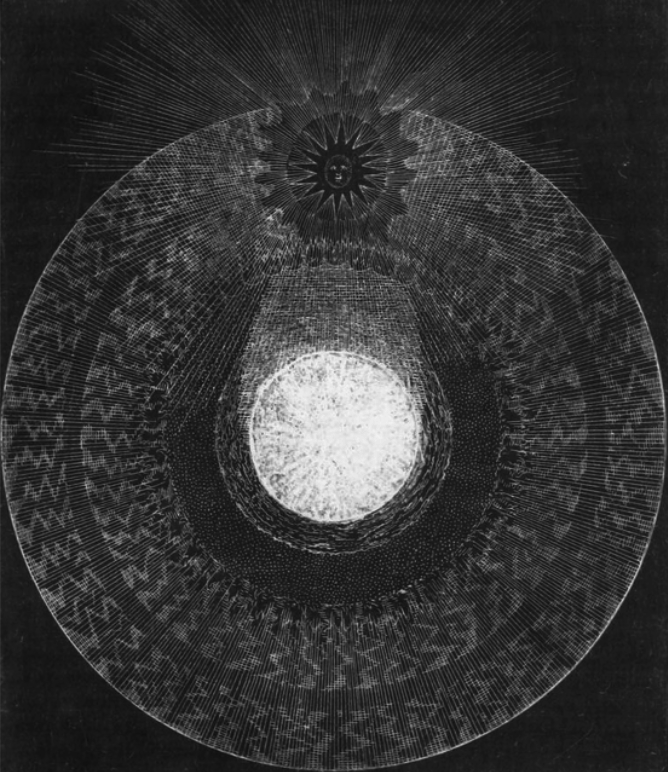
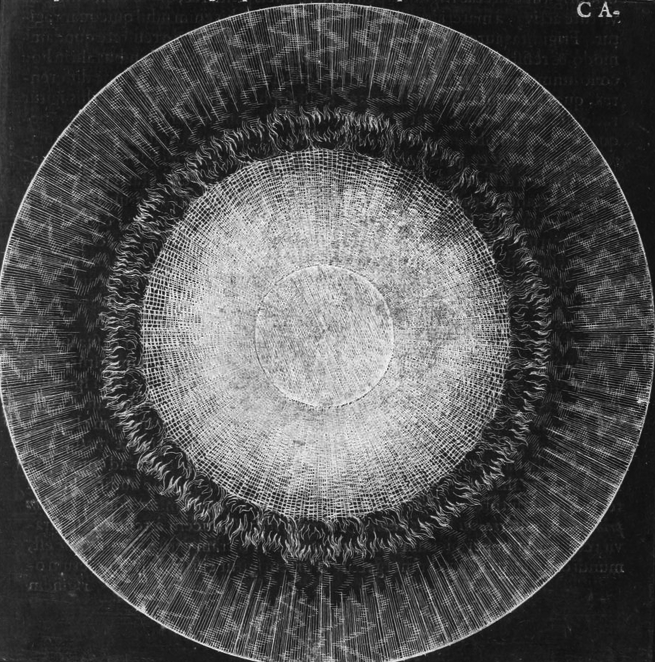
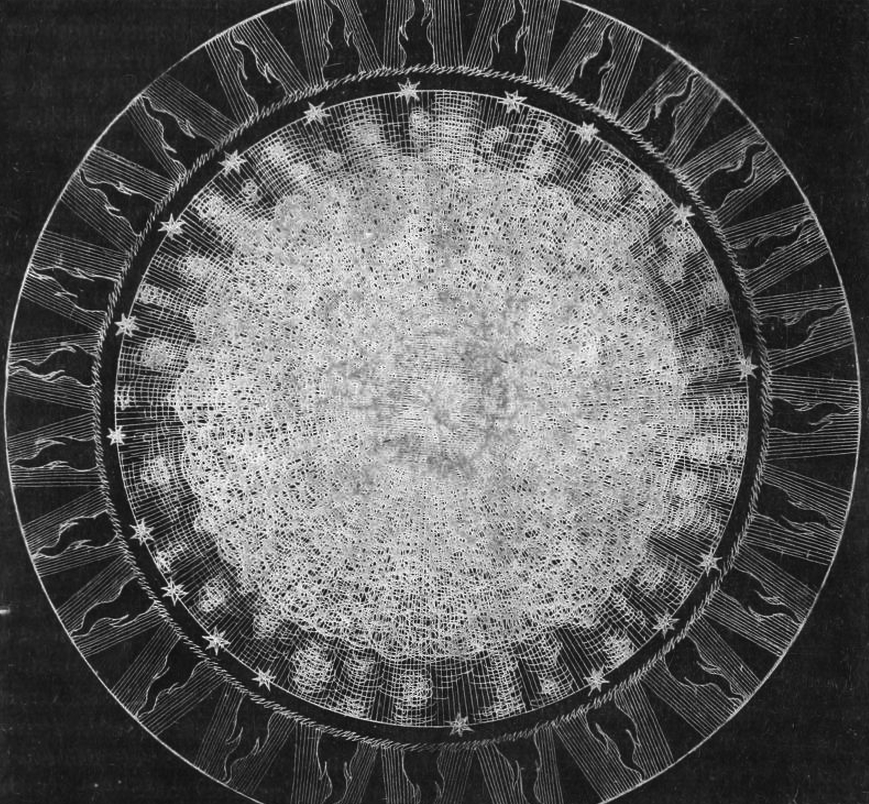
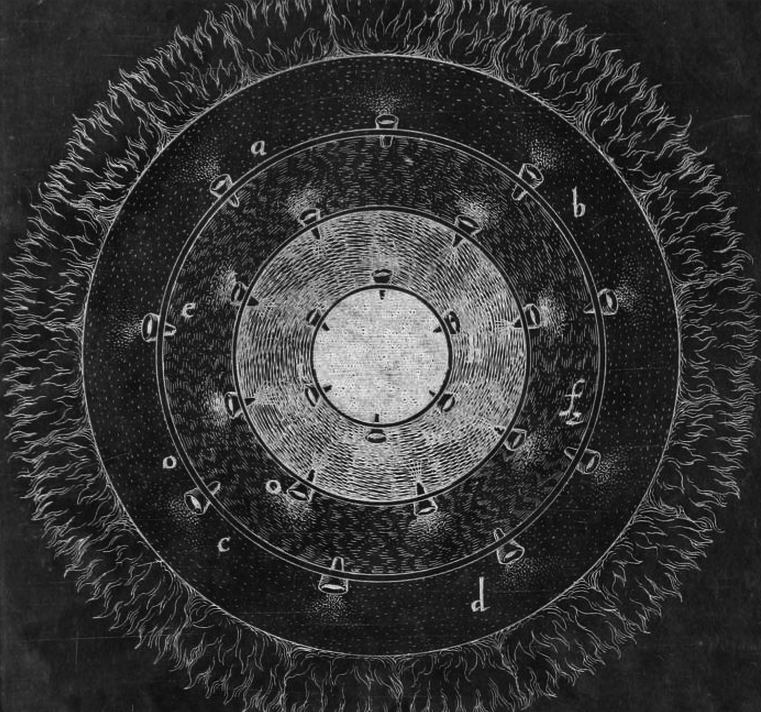

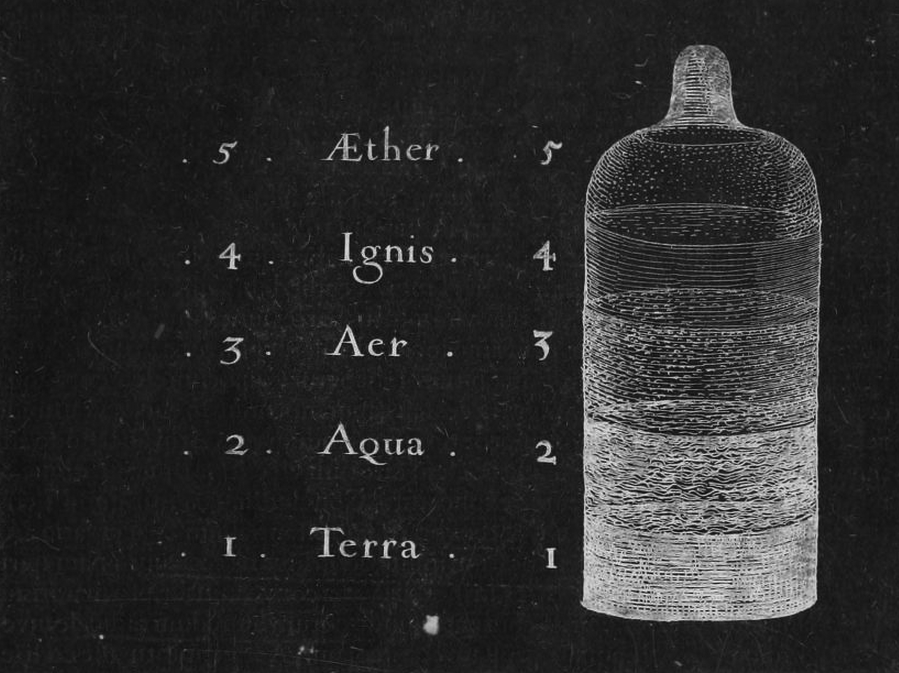
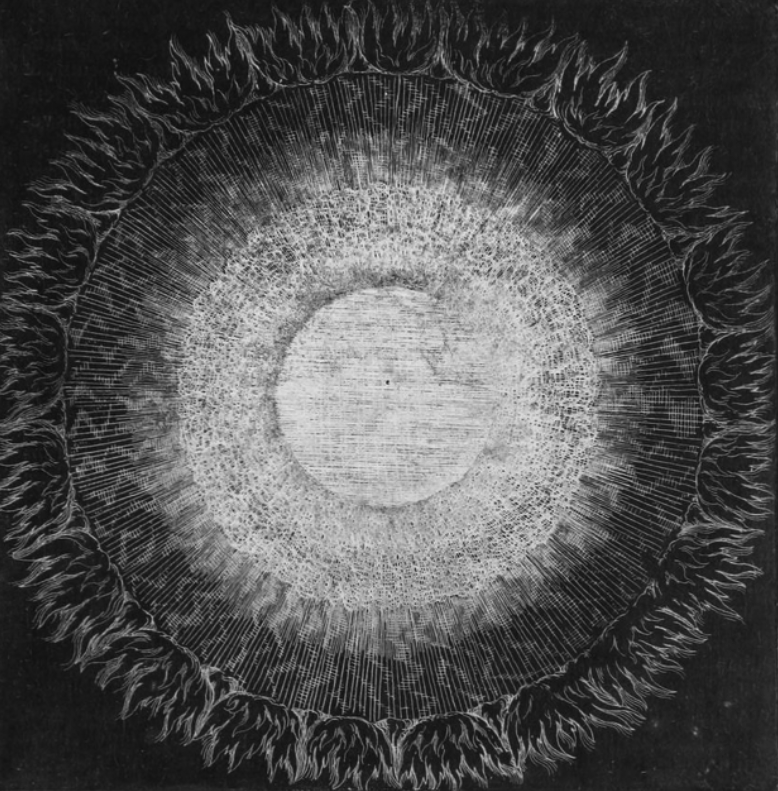
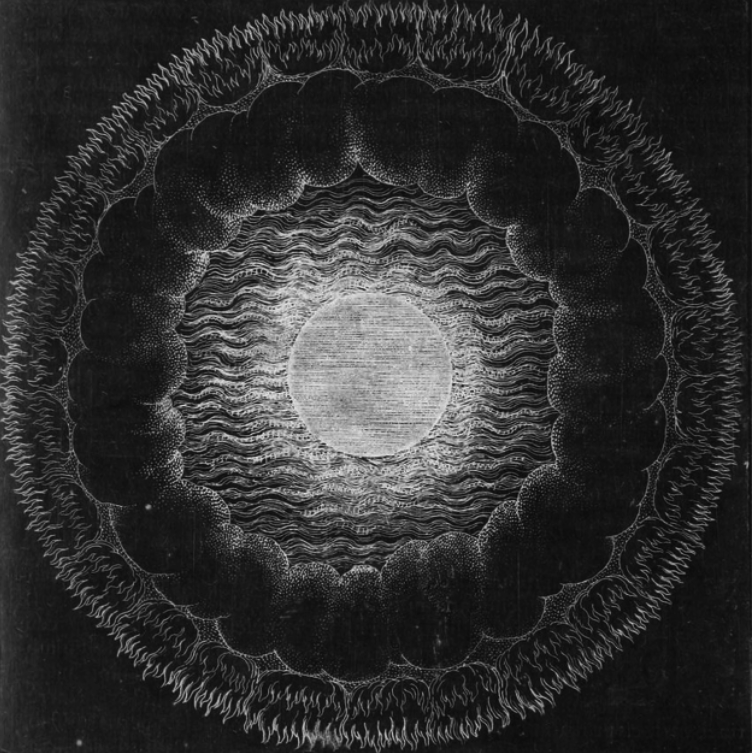
via bloodmilk
“Robert Fludd was a respected English physician (of Welsh origins) employed at the court of King James I of England. He was a prolific writer of vast, multi-volume encyclopaedias in which he discussed a universal range of topics from magical practices such as alchemy, astrology, kabbalism and fortune-telling, to radical theological thinking concerning the inter-relation of God with the natural and human worlds. However, he also proudly displayed his grasp of practical knowledge, such as mechanics, architecture, military fortifications, armaments, military manoeuvres, hydrology, musical theory and musical instruments, mathematics, geometry, optics and the art of drawing, as well as chemistry and medicine. Fludd used the common metaphor for the arts as being the “ape of Nature,” a microcosmic form of the manner in which the universe itself functioned.
“Fludd’s most famous work is the History of the Two Worlds (Utriusque Cosmi … Historia, 1617-21) published in five volumes by Theodore de Bry in Oppenheim. The two worlds under discussion are those of the Microcosm of human life on earth and the Macrocosm of the universe (which included the spiritual realm of the Divine).”
“A Left-Handed Commencement Address” (Mills College, 1983)
“I hope you live without the need to dominate, and without the need to be dominated. I hope you are never victims, but I hope you have no power over other people. And when you fail, and are defeated, and in pain, and in the dark, then I hope you will remember that darkness is your country, where you live, where no wars are fought and no wars are won, but where the future is. Our roots are in the dark; the earth is our country. Why did we look up for blessing — instead of around, and down? What hope we have lies there. Not in the sky full of orbiting spy-eyes and weaponry, but in the earth we have looked down upon. Not from above, but from below. Not in the light that blinds, but in the dark that nourishes, where human beings grow human souls.”
David O’Reilly on making sure you keep going
- “What’s something you wish someone told you when you started making art?”
 Paul Greer