“Orphanages are dense and harmonious living spaces housing hundreds of children under same roof simultaneously. Abandoned Jewish Orphanage Building in Ortaköy (OHR-tah-keuy) Istanbul (also known as El Orfelinato) has been home for thousand lives during its century old history. It holds the memory of the past in worn stairs and layers of paint.
“El Orfelinato means ‘The Orphanage’ in Spanish. The name has been used by Sephardi Jews (Jews from Spain) community in Istanbul for decades. Sephardi Jews have a 500 year history in Istanbul since they were forced to migrate with mass conversions and executions by Catholic Monarchs in Iberia in 15th century.
“oddviz sheds light upon the visual and spatial memory of El Orfelinato, documenting it as it is with photogrammetry and presenting it in doll house view.”
Blue Planet 2

Yesterday BBC Earth released the “Prequel” for the forthcoming Blue Planet 2. It features the title sequence we have been working on at BDH.
Radiohead rerecorded their track “Bloom” (originally written about the first series of Blue Planet) with series composer Hans Zimmer especially for the occasion.
Here is Radiohead performing Bloom live back in 2011.
Hans Bellmer, Madame est servie, 1969
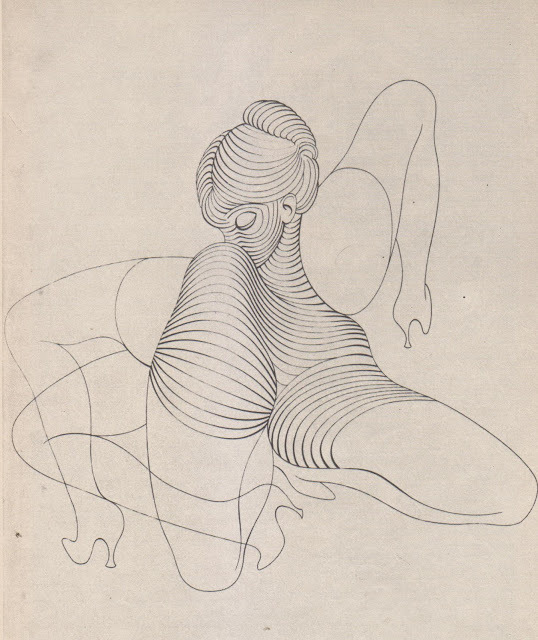
via Radimus
NOTEPAD-2017-WEEKS-34-37

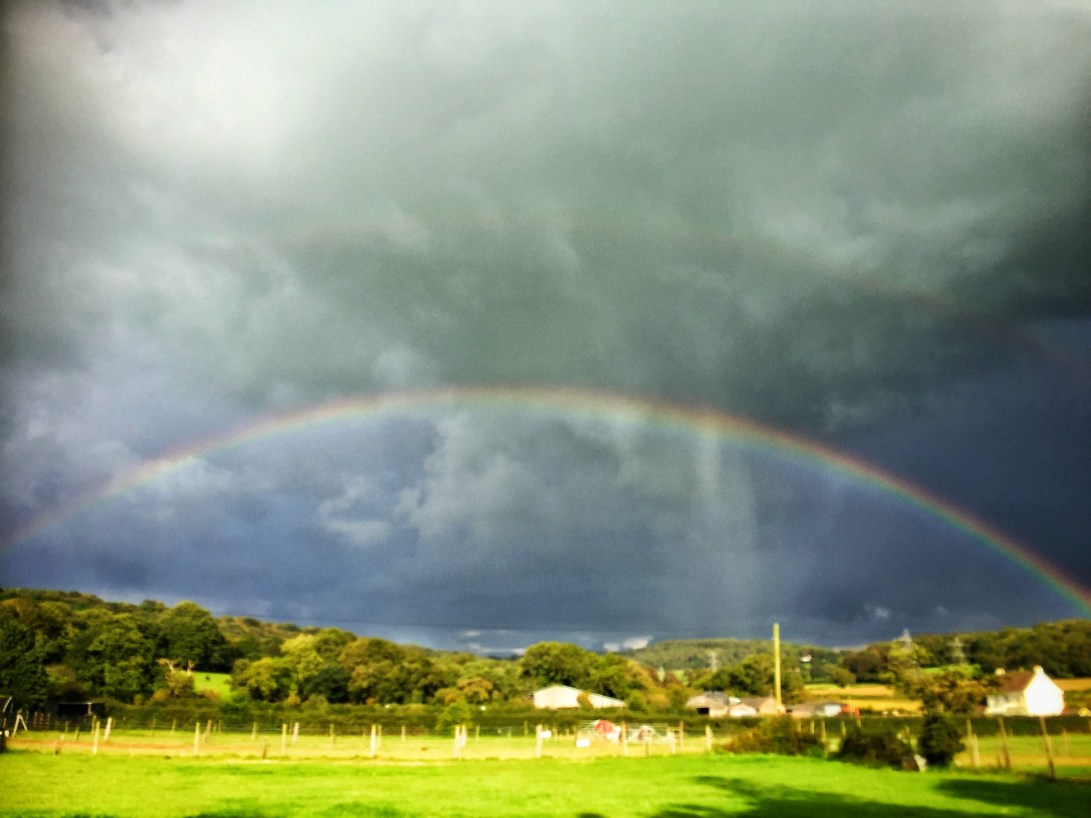
This is my variable collection of things I’ve read, seen and heard on that internet.
The weather’s turned (see above) so we have gone straight to autumn here in the UK but it does mean we get to have fires and other autumn delights.
Most of this post is automated so it doesn’t take long to assemblt once I have bookmarked things.
Hope it’s of use.
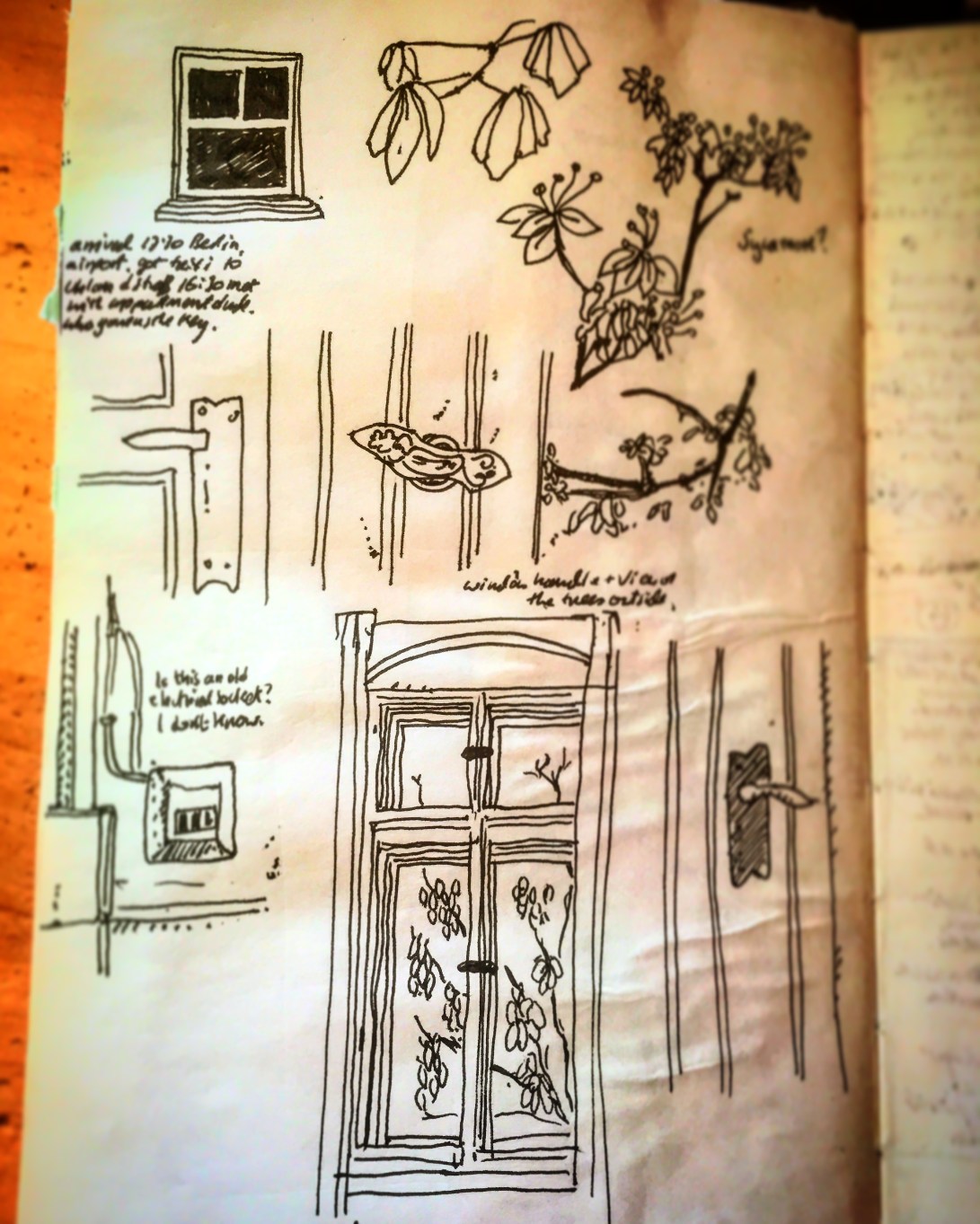
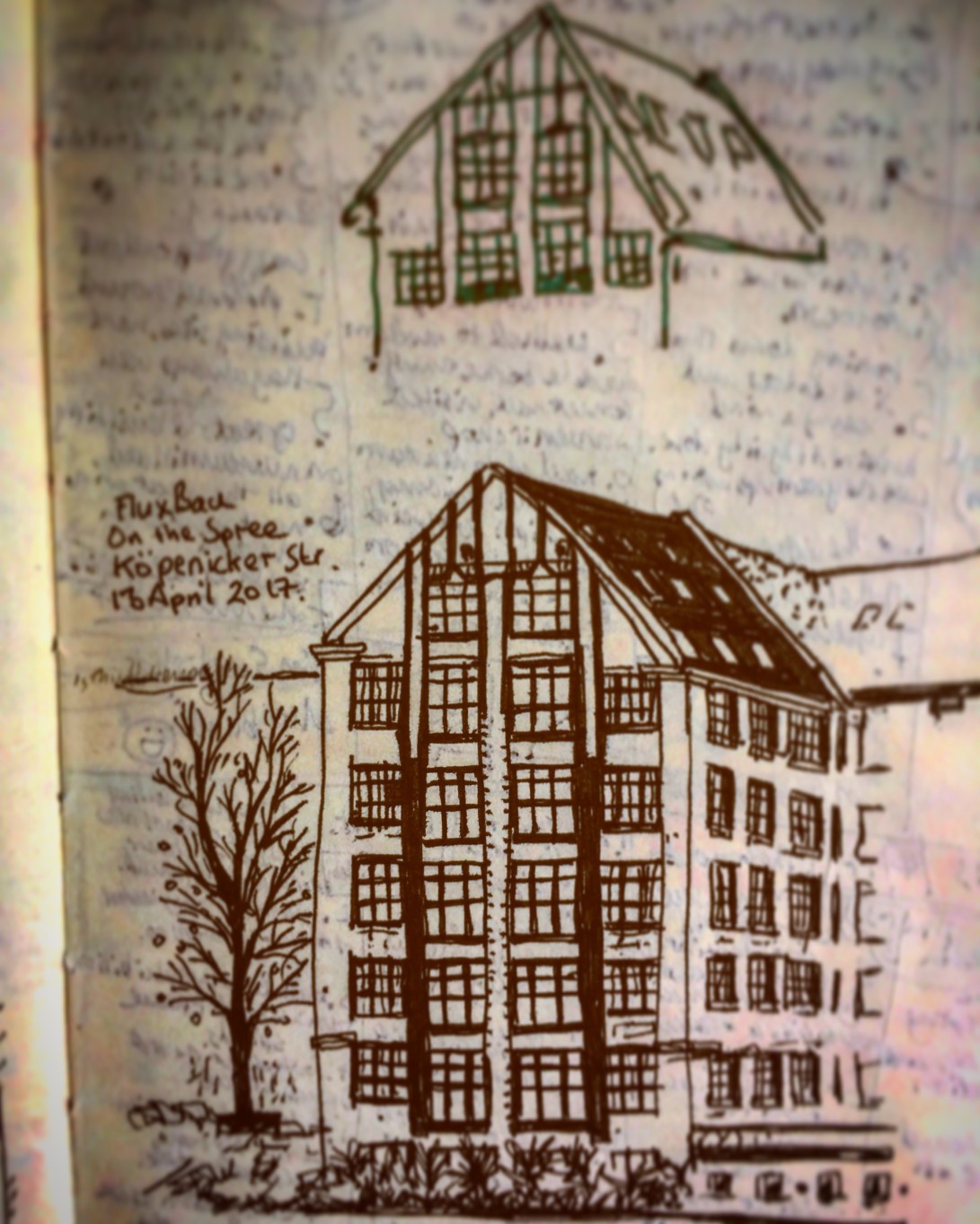
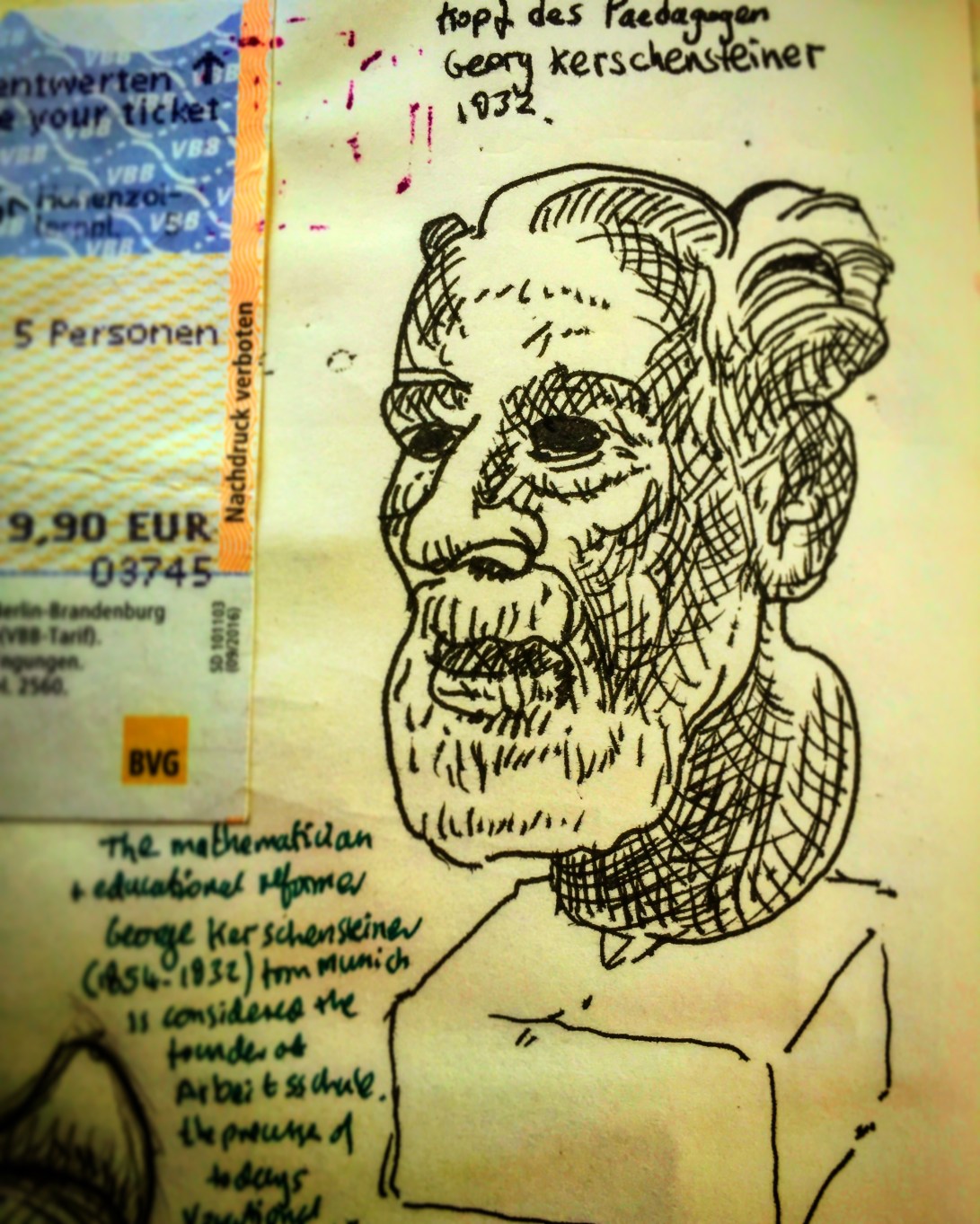
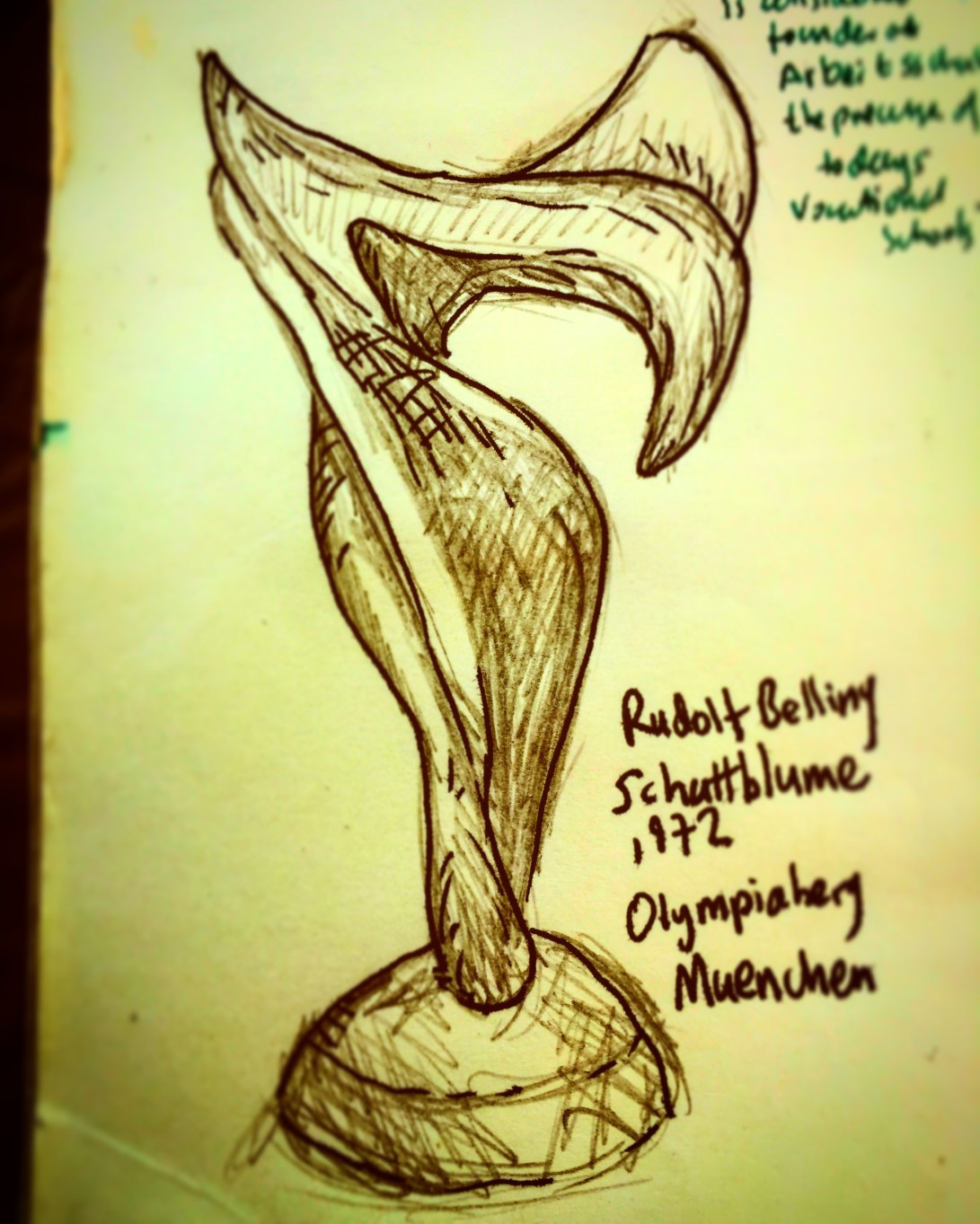
Spring trip to Berlin.
aka: Intermittently Regular #365 Sketch Project Update 172-182
It’s been a while so I am all out of sorts with drawings and order etc.
This is a batch from our Spring trip to Berlin. I have some more of these and I will post them in due course as some of them were scribbled on site and need a little bit of finishing off.
There’s some good advice here on drawing animals by Aaron Blaise, which could be applied to drawing from life of any kind. Mainly:
- Draw from Life
- Do your research before you go out.
- Bring the right supplies and be prepared.
- Observe first draw later.
- Keep it loose and make quick observations.
- Adjust revise your proportions as you go.
- Take lots of pictures and build your personal reference library.
You should definitely read the whole post here.
Anyways, back to Berlin:

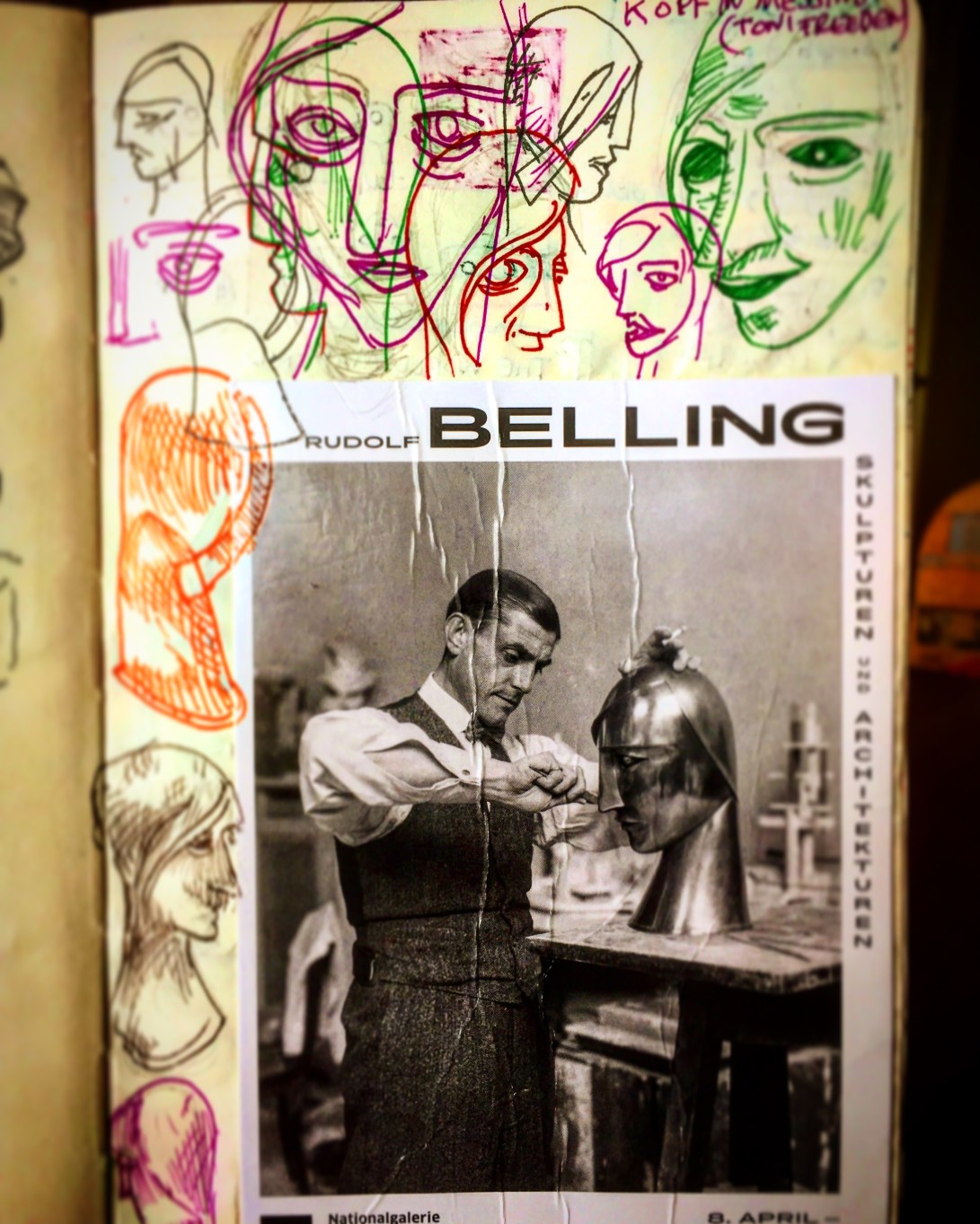
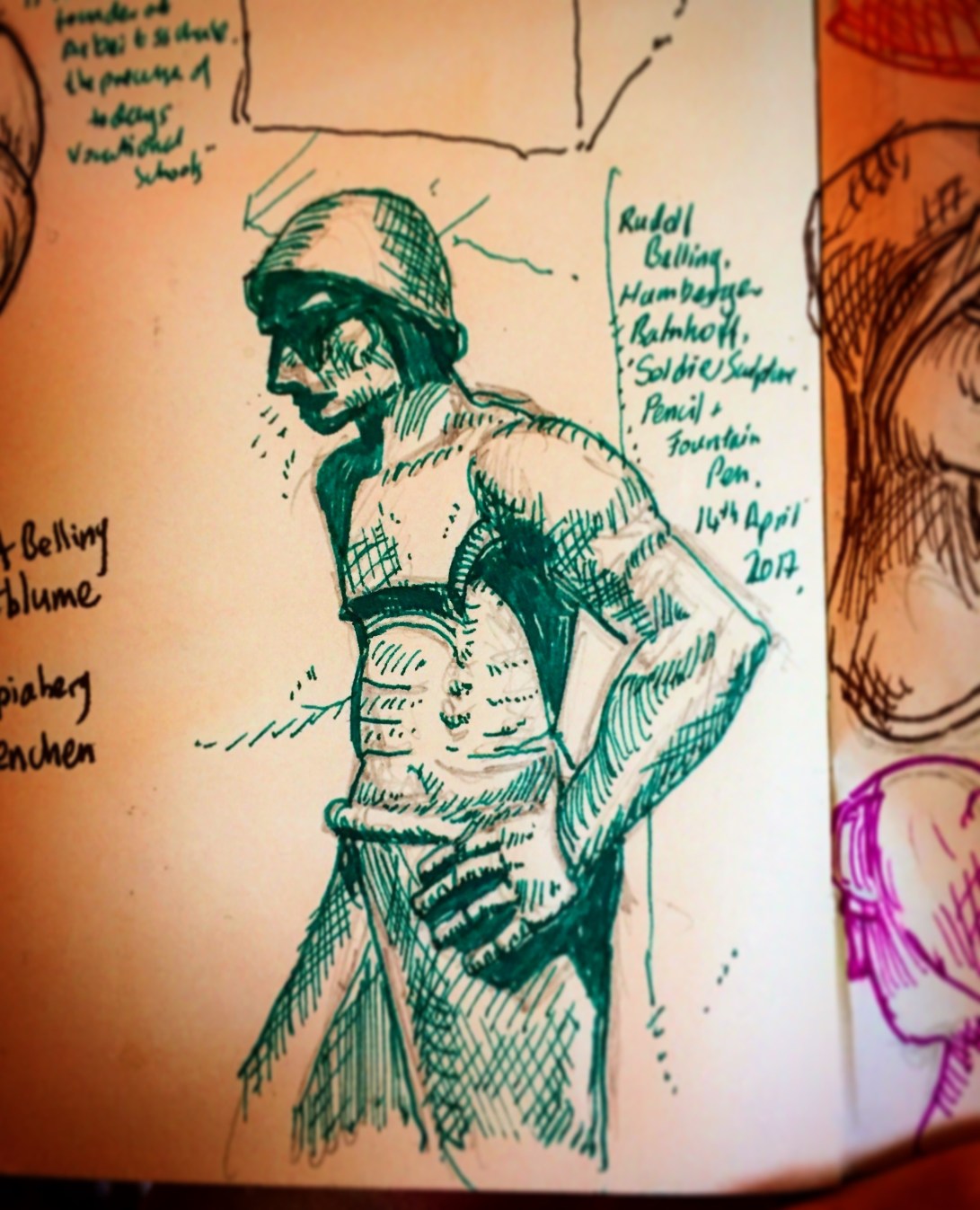
During out stay we were fortunate enough to visit the Rudolf Belling exhibition at the Hamberger Bahnhof museum. I was relatively unfamiliar with his work before this but we all really enjoyes seeing his work.
This from Wikipedia:
At the very beginning of the 20th century Rudolf Belling’s name was something like a battlecry. The composer of the “Dreiklang” (triad) evoked frequent and hefty discussions. He was the first, who took up again thoughts of the famous Italian sculptor Benvenuto Cellini (1500-1570), who, at his time, stated, that a sculpture should show several good views. These were the current assumptions at the turn of the century. However they foreshadow an indication of sculpture being three-dimensional.
Rudolf Belling amplified: a sculpture should show only good views. And so he became an opponent to one of the German head scientists of art in Berlin, Adolf von Hildebrandt, who, in his book, The problem of Form in Sculpture (1903) said: “Sculpture should be comprehensible – and should never force the observer to go round it”. Rudolf Belling disproved the current theories with his works.
His theories of space and form convinced even critics like Carl Einstein and Paul Westheim, and influenced generations of sculptors after him. It is just this point which isn’t evident enough today.
I hope to make a more comprehensive post about his work in the future.
“What was the comics scene like in Argentina…”
“..in this period in the 1950s and early ’60s? You were there with all these people I’ve already mentioned along with Oscar Zàrate and so many others. From reading about it, it feels like this was a really creative and dynamic time.”

– “Yes, it was a paradise. There were different languages, backgrounds, cultural viewpoints that were circulating around and trading funny and/or tragic stories with each other. The stories mixed together fluidly, spontaneously, through films, historietas, literature, and radio. There, reality and imaginative fiction and other fantastical stories came together to produce an intimate mix that, it seems to me, encouraged us greatly. We lived near, and in, the wide open spaces of the Argentine pampa lowlands, something that needed us to fill it with stories. I and others believed that everything that we read, watched, and listened to was happening to us, was happening there. Parallel realities leapt out from the pages and the screens into our surroundings, into our souls. Argentina tried, but did not fully succeed, in making immigrants forget their pasts. And Buenos Aires was infused with a cosmopolitan atmosphere; we were and we could be, anywhere. Calé, Arlt, Ferro, Borges, Solano López, Hudson, Dickens, Bradbury, Monicelli, Bergman, Bioy Casares, Oesterheld, Breccia, Pratt, Roume, Chandler – they all spoke to us of Buenos Aires, of Argentina, and of the world that surrounded us from the pampa to Irkutsk, being everywhere all at once. I suppose it was the same in New York. I imagine it that way as well, feverish.”
NOTEPAD-2017-WEEKS-30-33
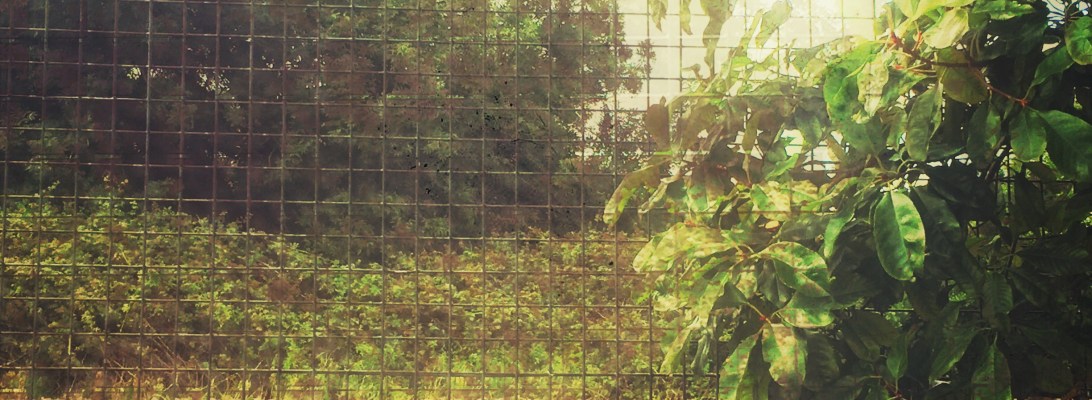
We’ve been away and I have been keeping of the internet to a degree (it always catches up with you though) so I have drawings and things all backed up and out of sequence.
This still works thought, the assembly is automatic from my bookmarking and music listening so it just takes a bit of finessing and it’s ready to go.
This is working for me now in a way that Tumblr used to.
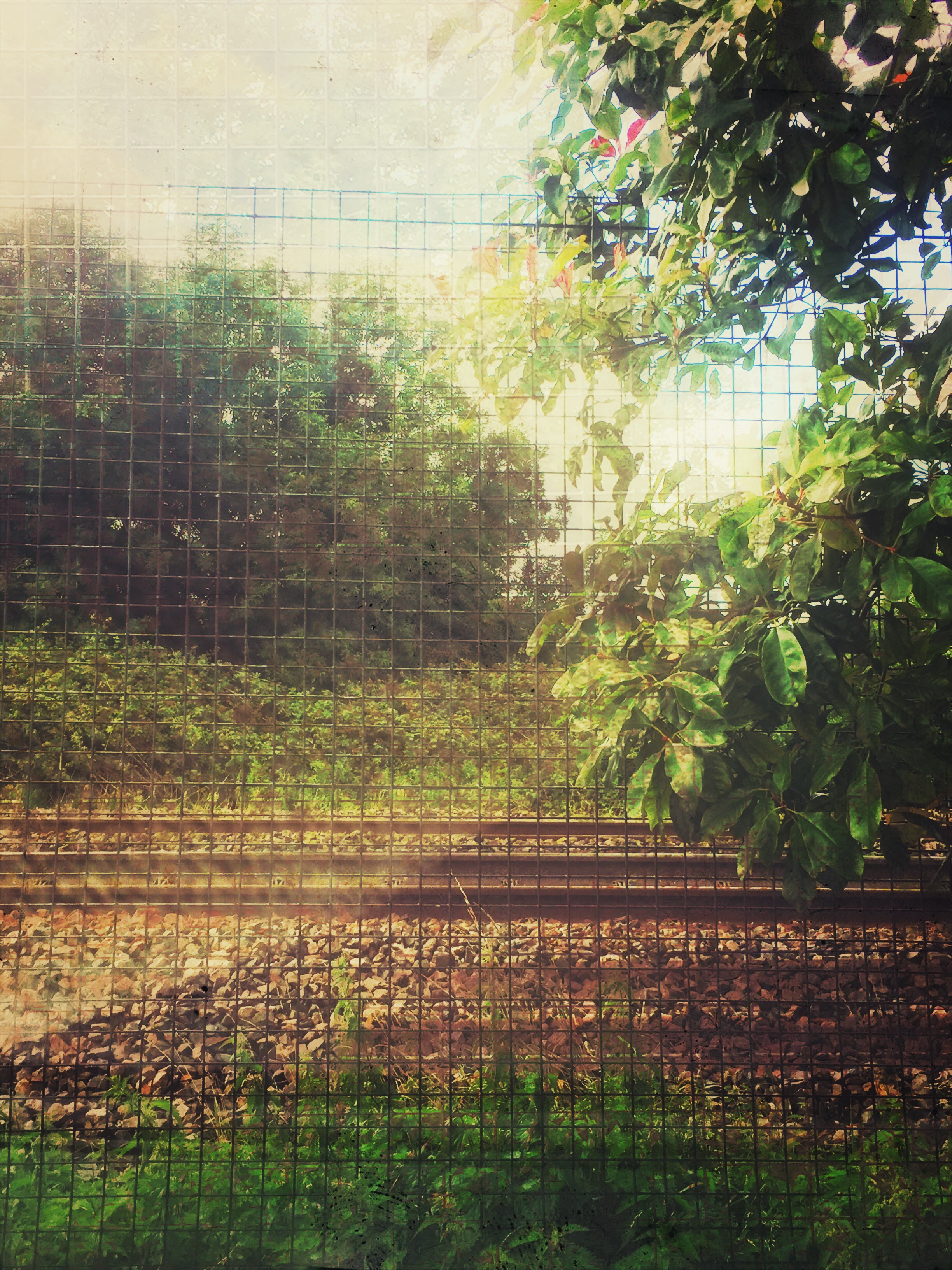
The image is of the railway line at Collumpton Services where we stopped on the way back from Cornwall.
Be warned there’s a lot of politics this time but it’s been difficult to avoid.
Some things have to be said.
Book review: “Rabbit, Run” by John Updike.
A really intense, gruelling book about a pretty loathsome wretch. Horrible thing is there’s a billion Rabbits in the actual world. Ahead of its time in many ways. This is my first Updike. His writing is profound. But yeah. Relentless.
NOTEPAD-2017-WEEKS-28-29
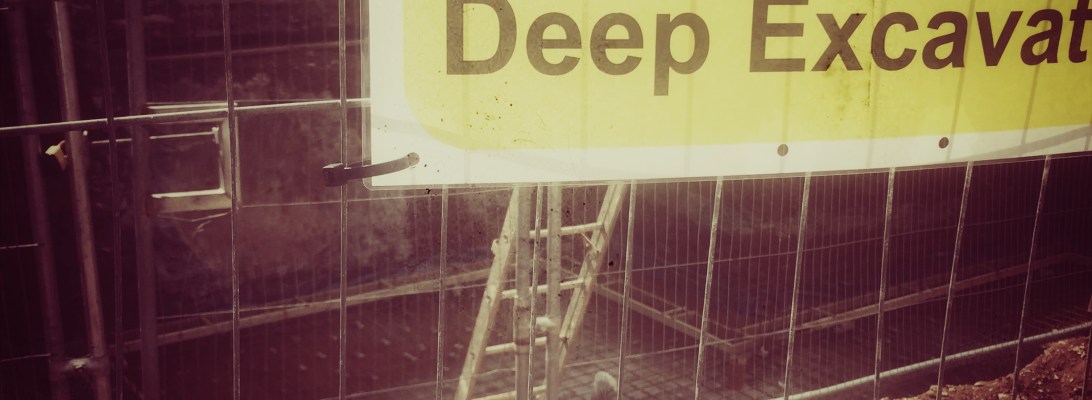
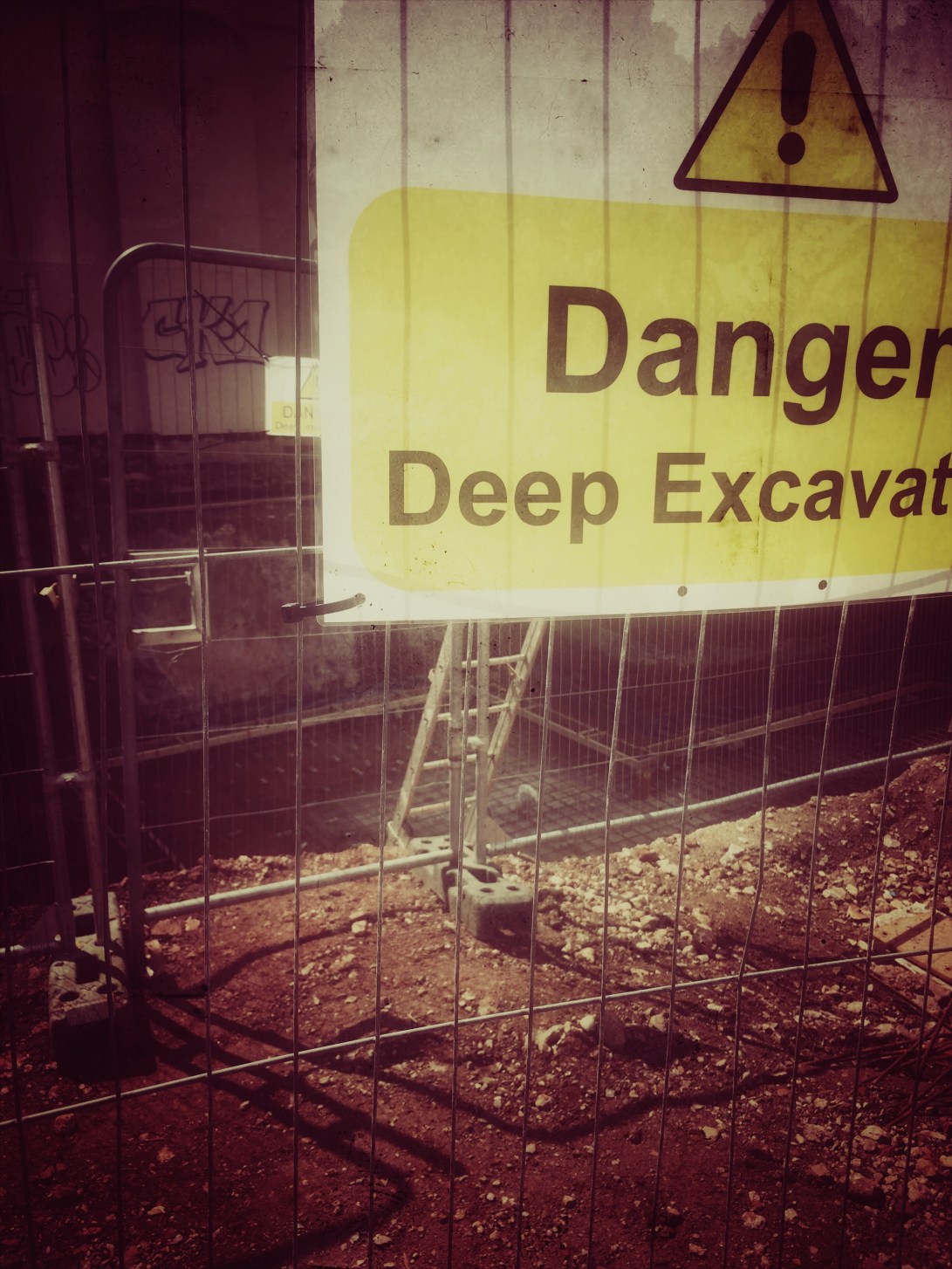
There’s building work occurring next door, they’ve dug a deep hole which we were hoping might be for a swimming pool but is probably just a basement.
Here’s this weeks big dup of links, hastily assembled. I’m keeping record of where I’ve been on the net. That’s my excuse this week.
 Paul Greer