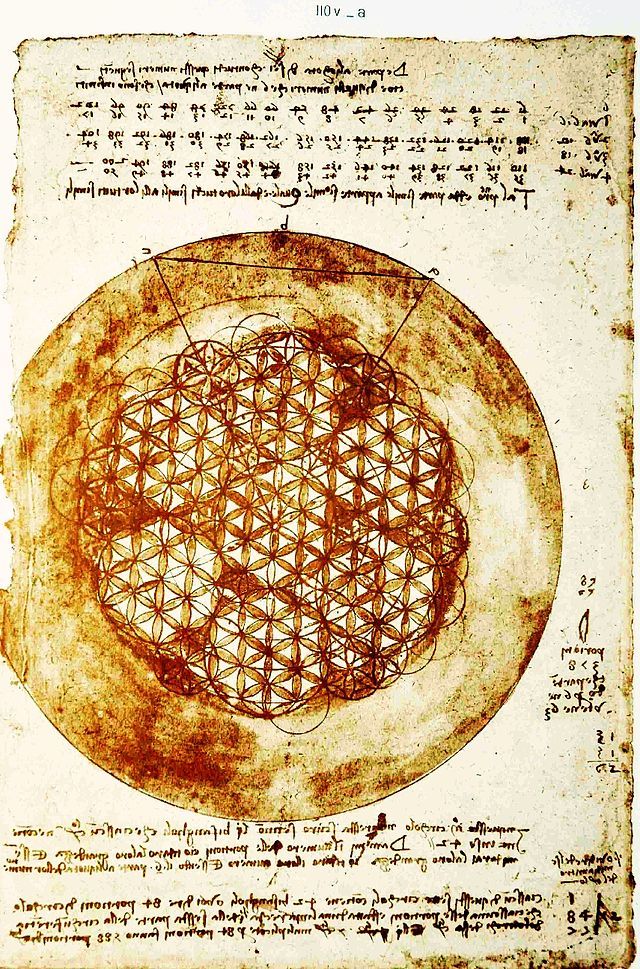
Leonardo da Vinci’s Principles for a Complete Mind:
1) Science of art.
2) Art of science.
3) Learn to see.
4) Realize everything connects to everything.
/ Sacred Geometry
Leonardo da Vinci’s Principles for a Complete Mind:
1) Science of art.
2) Art of science.
3) Learn to see.
4) Realize everything connects to everything.
/ Sacred Geometry
UPDATE 2019: with new remastered version courtesy of the Swedish Film Institute.
There’s what you intend to make things about, and there’s what you actually make things about.
(T)
“He reads them exactly the way you imagine them, or even read them aloud yourself: conversational, matter-of-fact, and incidentally just touched with Boston. He’s who you’d cast to play him.”
reblogging parisreview
“We live in a world ruled by fictions of every kind—mass merchandising, advertising, politics conducted as a branch of advertising, the instant translation of science and technology into popular imagery, the increasing blurring and intermingling of identities within the realm of consumer goods, the preempting of any free or original imaginative response to experience by the television screen. We live inside an enormous novel. For the writer in particular it is less and less necessary for him to invent the fictional content of his novel. The fiction is already there. The writer’s task is to invent the reality.”

reblogging 2000adonline:
“We are very saddened to hear of the death of artist Brett Ewins.
“Throughout his years of working for 2000 AD, Brett was responsible for some truly unmissable art – from Judge Dredd and Anderson Psi Division to Rogue Trooper and his incredible work on Bad Company with Peter Milligan and Jim McCarthy.
“He was also a hugely influential figure in British comics thanks to his founding of Deadline with Steve Dillon in 1988, something that changed the face of the industry forever.
“Our thoughts and deepest condolences are with Brett’s family and friends.”
Brett’s work had a huge influence on me in the way I saw comic story telling. I actually wrote an essay on this very issue containing ‘The Haunting of Sector House 9’ when I was studying.

“There are almost no characters in this story, and almost no dramatic confrontations, because most of the people in it are so sick and so much the listless playthings of enormous forces. One of the main effects of war, after all, is that people are discouraged from being characters.”
 Paul Greer