Rabbit Eye
Nüshu

reblogging notational:
“Nüshu (literally “women’s writing” in Chinese) is a syllabic script created and used exclusively by women in the Jiangyong County in Hunan province of southern China. Up until the late Qing Dynasty (1644-1912) women were forbidden access to formal education, and so Nüshu was developed in secrecy as a means to communicate. Since its discovery in 1982, Nüshu remains to be the only gender-specific writing system in the world.”
“Mockingbird Hill” by Ronnie Ronalde
New York seemed much farther off than Samarkand
“A flame darted from the logs and she bent over the fire, stretching her thin hands so close to it that a faint halo shone about the oval nails. The light touched to russet the rings of dark hair escaping from her braids, and made her pale face paler.”
Selfie in daisies


The Tibetan Book of Proportions
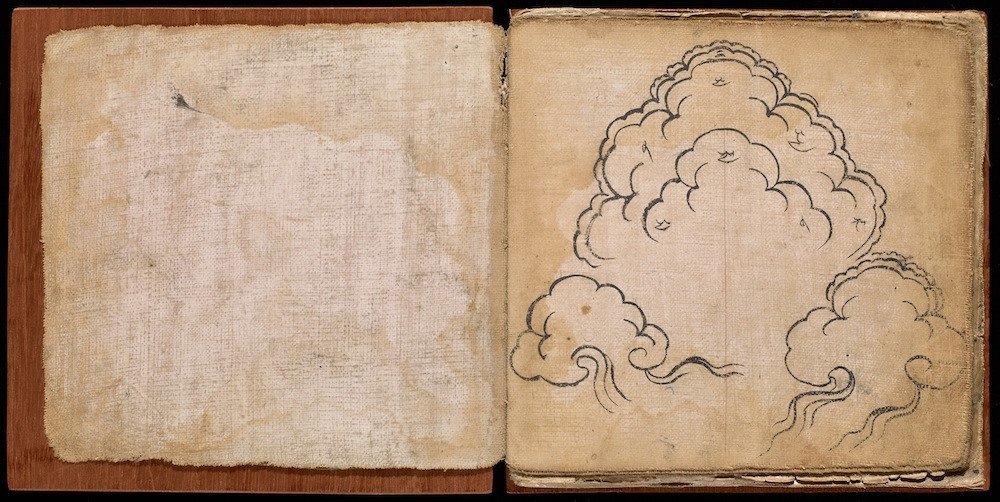
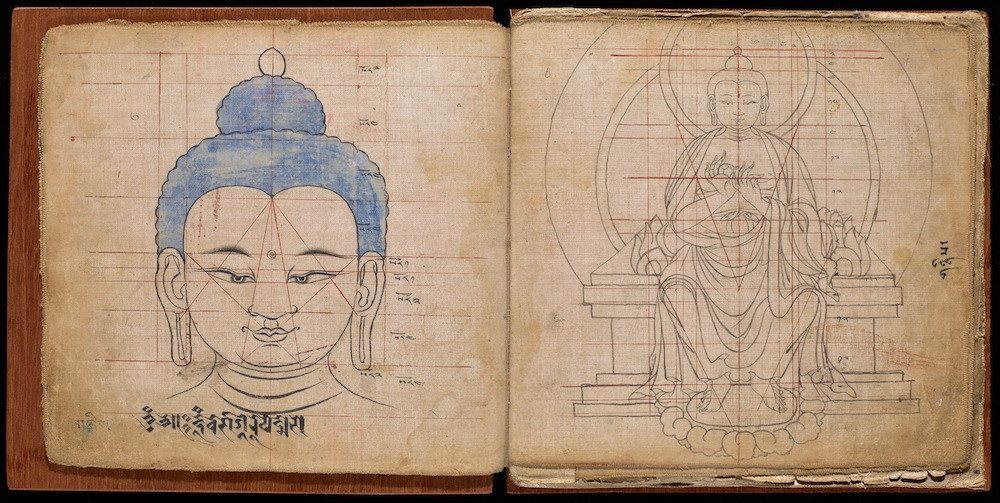
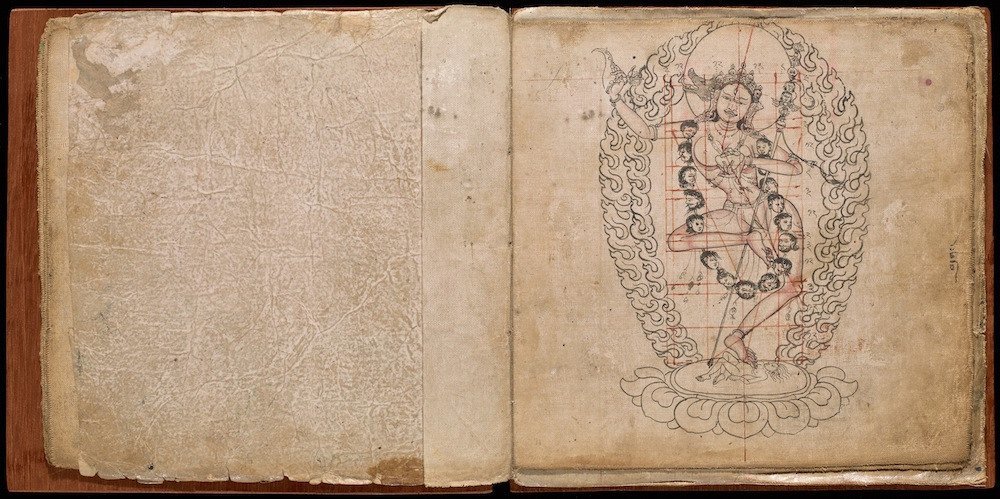
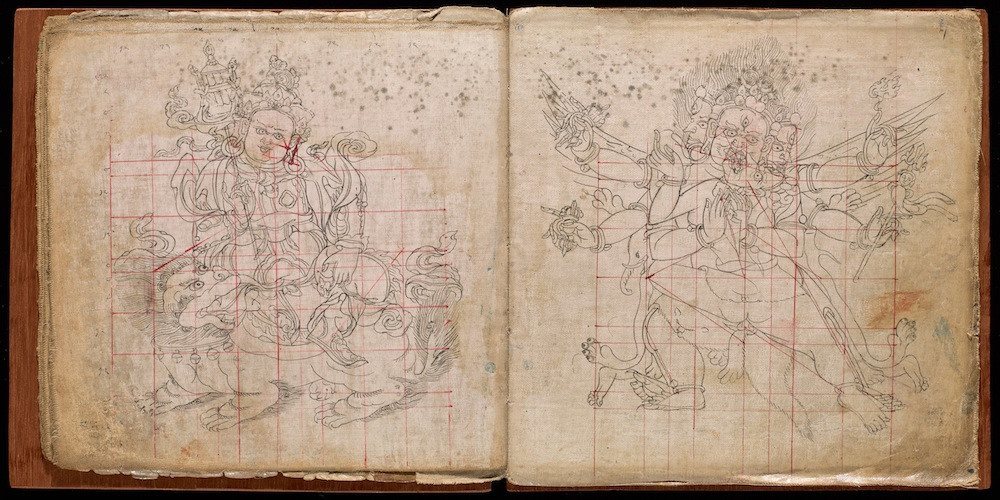
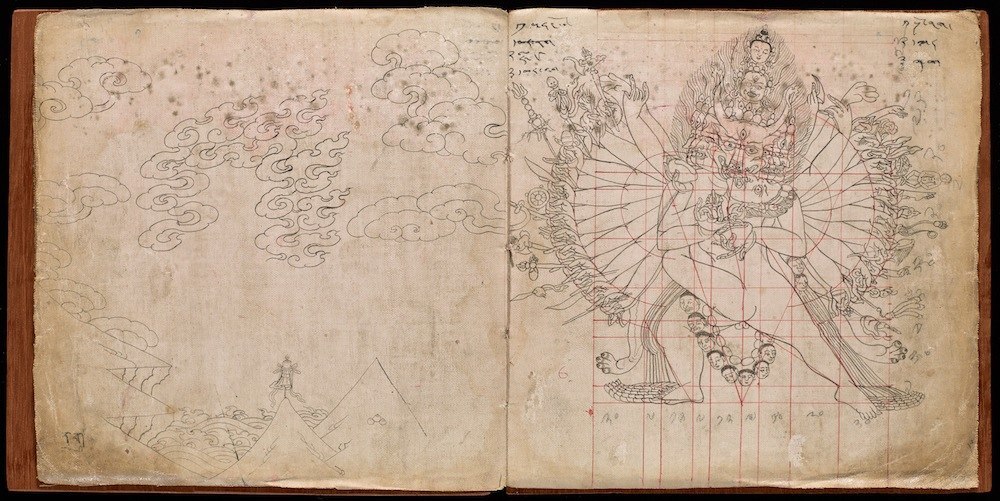
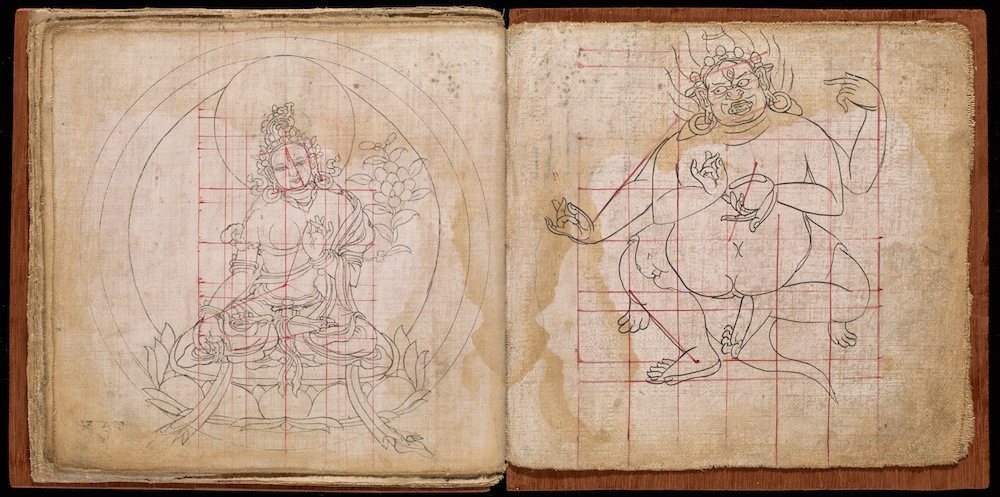
“Born some time around the early 4th century B.C., Siddhārtha Gautama was a Nepalese monk and wandering sage whose teachings went on to underpin Buddhism. As Buddhism spread, pictorial representations Gautama —the Buddha—were expected to be so particular that guidelines emerged as to how he should be drawn. Public Domain Review points to a book from the 1700s that shows, precisely, how the Buddha and other important Buddhist figures should appear.
Written in Newari script with Tibetan numerals, the book was apparently produced in Nepal for use in Tibet. The concept of the ‘ideal image’ of the Buddha emerged during the Golden Age of Gupta rule, from the 4th to 6th century. As well as the proportions, other aspects of the depiction – such as number of teeth, colour of eyes, direction of hairs – became very important.”
link updated, more to see here:
originally via .
That’s not a fence post, it’s a feather edged board.
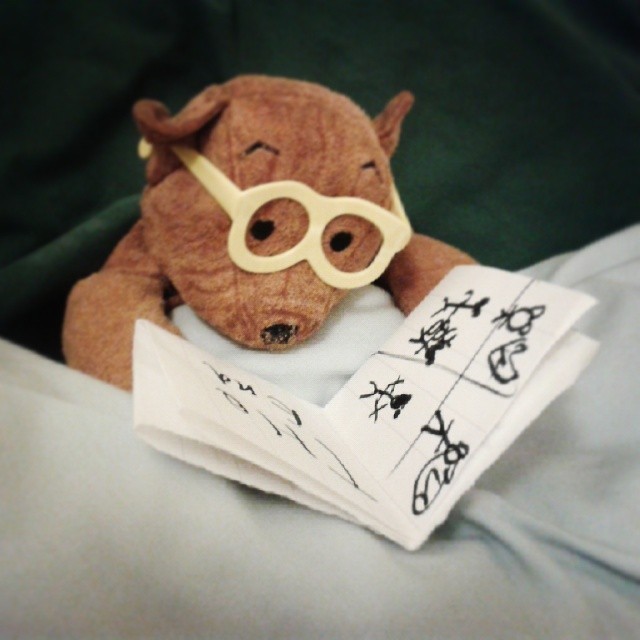
Youngest made Teddy some comics due to lack of appropriate reading material.
 Paul Greer
