“Art And Culture Are Not A Luxury, But A Central Thing That We Do.”
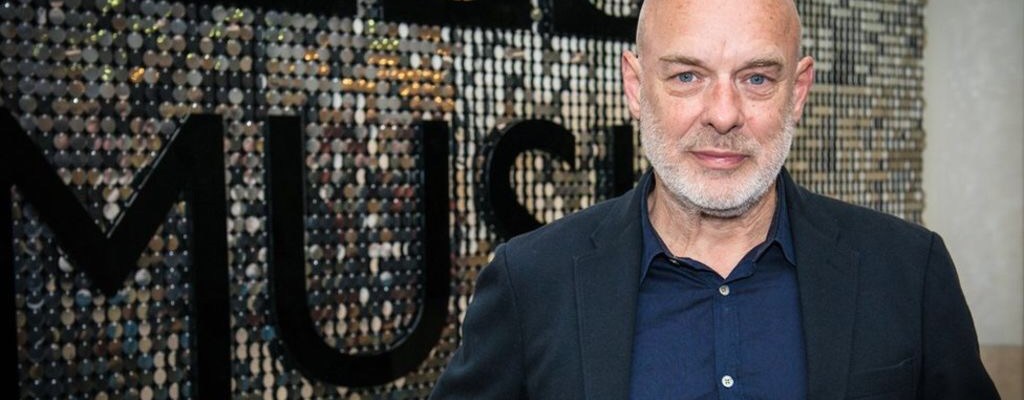
“I have a glass of water or a cup of tea. There’s a certain time I sit down, from 8:00 to 8:30, somewhere within that half hour every morning,” he explained. “I have my vitamin pill and my music, sit in the same seat, and the papers are all arranged in the same places. The cumulative purpose of doing these things the same way every day seems to be a way of saying to the mind, you’re going to be dreaming soon”
–
The Daily Habits of Famous Writers: Franz Kafka, Haruki Murakami, Stephen King etc.
(t)
How well is the BBC serving its national and international audiences?
Extremely well. With news coverage, drama and especially documentaries. I also use the podcasting feature a lot and the radio iplayer.
Which elements of universality are most important for the BBC?
The BBC is a relied upon national institution, unique in the world. It is trusted universally and is a major driving part of British culture. It is extremely important that ti’s content is advert free as it provides a space for thought and consideration free from sponsorship.
Is the BBC’s content sufficiently high quality and distinctive from that of other broadcasters? What could improve it?
The nature of the BBC allows new talent and ideas to grow organically, many cultural icons with global influence exist today because they were nurtured and allowed to grow on the BBC. The BBC should be allowed to produce the kind of content that other companies cannot due to to market forces being their main drive.
Where does the evidence suggest the BBC has a positive or negative wider impact on the market?
It is extremely important that BBC news comes free from any adverts or sponsorship for obvious reasons. The powerhouse of innovation and creativity which the unique way the BBC is funded produces some of the most important cultural forces we have today. It is a shelter for innovation which produces benefits which far out way the investment.
Is the expansion of the BBC’s services justified in the context of increased choice for audiences? Is the BBC crowding out commercial competition and, if so, is this justified?
It is essential that the BBC provides an alternative to other commercial news and online content, if people choose to use the BBC over it’s competitors because of it’s high quality then surely that proves it’s value. If other commercial companies feel they are being pushed out maybe they should rethink their strategy of connecting with people. Their audience will not increase just because the BBC is not there.
Has the BBC been doing enough to deliver value for money? How could it go further?
The BBC is incredible value for money, if one compares it with any online subscription service. To get the equivalent breadth and range of content using other services one would have to spend considerably more than £12 per month, possibly 5 to 10 times that amount.
How should we pay for the BBC and how should the licence fee be modernised?
I think the existing license fee system is fair. I would like to see the BBC supplement this by providing an fee paying subscription for the iPlayer for non-UK customers.
How should the relationship between Parliament, Government, Ofcom, the National Audit Office and the BBC work? What accountability structures and expectations, including financial transparency and spending controls should apply?
The BBC should be supported by government but this regular interference by successive administration is unhelpful. There is room for improvement in the way the BBC is run, but I do not think many politicians have the breadth of knowledge and experience to be applying their opinions to the corporation. I also believe may politicians are under the influence of corporate lobbyists representing the interests of those who want to see the BBC diminished for their own personal gain. The BBC is for the people of Great Britain, it is for them to decide if the fee is suitable and appropriate and not a few politicians.
(cross posted from Facebook)
Nice to see some of the work we’ve done at BDH featured in this piece on the benefits of feeling insignificant.
It’s great to be part of something that makes people feel small. Thanks for the heads up, to my friend Kathryn Jeffs.
“They said in the Eighties that painting was dead, well, painting hadn’t even started. It was such a narrow minded period of time, the conceptualists really tried to get rid of painting completely.
The area of imagination, the playing field for art, is so gigantic that no-one’s really explored it. That would be the legacy that I would want to leave, the exploration of what imagination can lead to, how it would compound itself to become expladential.
In other words what my generation does I would like to see another younger generation come and step on that and make that one step further into wild abstraction, to compound the poetry, make it lyrically remarkable.”
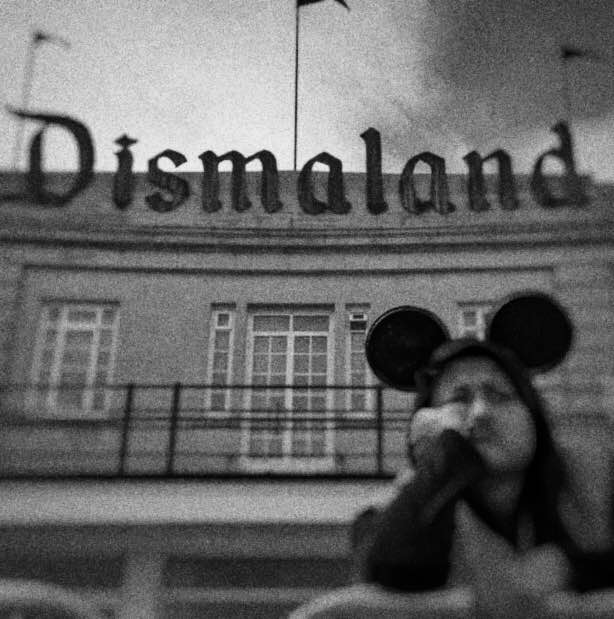
““Low-income holidaymakers” are the perfect art audience. There’s something very evocative about the British seaside experience. This show is modelled on the failed winter wonderlands they build every December that get shut down by trading standards – where they charge £20 to look at some alsatians with antlers taped to their heads towing a sleigh made from a skip. Essentially this is a theme park that Lawrence Llewelyn Bowen would endorse. The advantage of putting art in a small seaside town is you’re only competing with donkeys.I think a museum is a bad place to look at art; the worst context for art is other art.“
Watching the likes of Tony Blair and his -ites get so passionate against a distinctly democratic surge in the Labour Party with the legacy they left, makes one wonder why they didn’t think of applying that kind of passion in keeping the Tory Swing Voters they’re so adamant they need.
I missed this from Channel Four News a few weeks ago, it addresses some key points I think.
“When I look at ‘New Labour’ I wonder whether it wasn’t like trying to light a bonfire on a frozen lake – looked marvellous, bright lights, shining white, but you melted away your own support.”
“If you think academies are a red herring, a partial and inconsistent solution to a problem that has been wrongly framed, then you need to somehow respond to this; choose a school that is still local authority-controlled, and support it to stay that way. Or become a governor of an academy, to uphold the values that you loved in community schools: that they serve the whole community.”

 Paul Greer