I generally don’t post these they often contain too much personal stuff. I’ll try to get over
drawing
/ˈdrɔː(r)ɪŋ/
noun
1. a picture or diagram made with a pencil, pen, or crayon rather than paint.
“a series of charcoal drawings on white paper”
synonyms: sketch, picture, illustration, representation, portrayal, delineation, depiction, composition, study, diagram, outline, design, plan, artist’s impression; tracing
“he did a pencil drawing of the house”
2. an instance of selecting the winner or winners in a lottery or raffle.
“entrants need not be present at the drawing”
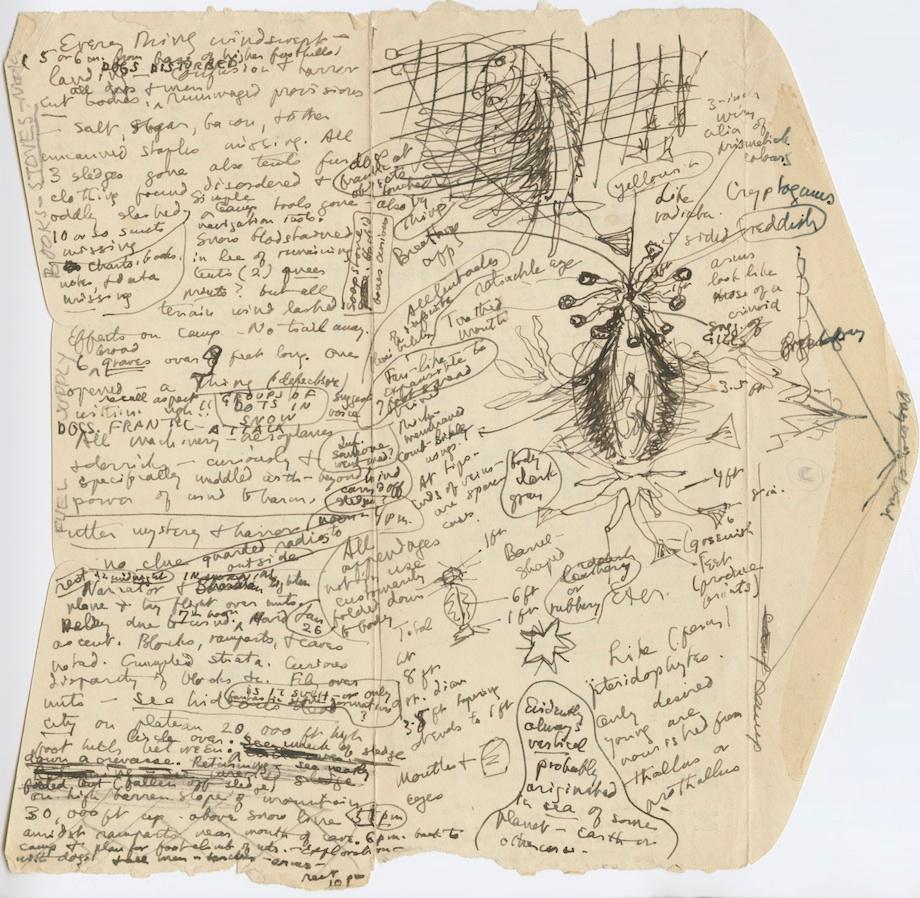
H.P. Lovecraft’s Monster Drawings: Cthulhu and “an open slice of howling fear”

“On March 23rd, the manuscript continued, Wilcox failed to appear; and inquiries at his quarters revealed that he had been stricken with an obscure sort of fever and taken to the home of his family in Waterman Street. He had cried out in the night, arousing several other artists in the building, and had manifested since then only alternations of unconsciousness and delirium.”

“Mountains featured several species of forgotten, intelligent beings, including the ‘Elder Things.’ The sketch on the right side of this page of notes (click here to view it in a larger format), with its annotations (‘body dark grey’; ‘all appendages not in use customarily folded down to body’; ‘leathery or rubbery’) represents Lovecraft working out the specifics of an Elder Thing’s anatomy.” That such things lurked in Lovecraft’s imagination have made his state of mind a subject of decades and decades of rich discussion among his enthusiasts. But just the body count racked up by Cthulhu, the Elder Things, and the other denizens of this unfathomable realm should make us thankful that Lovecraft saw them in his mind’s eye so we wouldn’t have to.”
from openculture
Edvard Munch – Moonlight (1895)

via artandthemind
Dragon and Waves 1827-1831 by Utagawa Kuniyoshi

via countryfried
On Mind Maps and Dyslexia
Why do I need mind-maps?
“There are a few things you need to know:
First, I am lucky enough to have a number of positive impacts of dyslexia. One of those is that once I have acquired new information I can process it very rapidly and often have multiple thoughts at once. That often means that I can solve the most complex problems faster than others.
Second, I have a problem writing and thinking at the same time. I believe it is to do with short-term memory. However, the bottom line is that I keep forgetting where I am in the overall flow of the thing that I am writing. As a result, my writing meanders and needs to be edited (by me) again and again until it finally expresses what I mean.
Thirdly, I see patterns in things – often before others. I use that to form and then set out compelling arguments and explanations that become very clear to readers.
Finally, I have a fairly precise use of language and so – whilst not finding it easy to write – am a fierce critic of my own work. So that means the editing can take a very long time.”
monsieur rené magritte, interview
Beinvenue yourself on down the rickety stairs to the Near Sighted Monkey Lounge where we are watching a film interview in French. It doesn’t matter if you understand it or not because no matter what it sounds good playing in the background and it features Monsieur Magritte speaking about mystery:
“Everything we see hides another thing, we always want to see what is hidden by what we see. There is an interest in that which is hidden and which the visible does not show us. This interest can take the form of a quite intense feeling, a sort of conflict, one might say, between the visible that is hidden and the visible that is present.”
Drawing of GDSP10 by MortalCompass
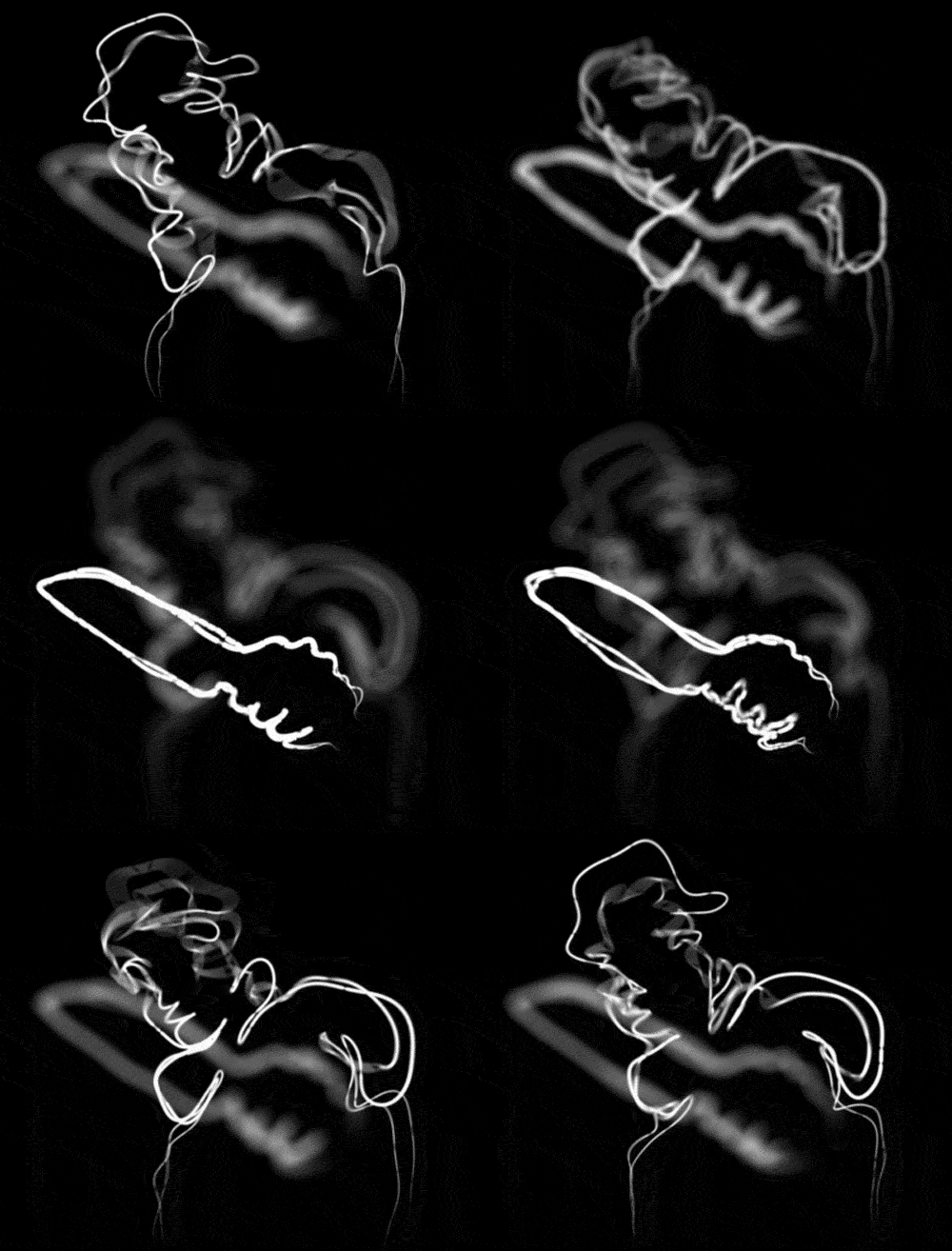
I gave the prompt for the Guest Directed Self Portrait number 10.
I took it upon myself to draw the results.
This is my drawing of MortalCompass’ contribution.
(T)
see also:
Vitruvian Man (Leonardo da Vinci, c. 1487)

— via Diagrams that changed the world
The Gilbert and Jaime Hernandez Interview
“Well, anyway it was that. And I used to get pooh-poohed for that, but that’s how stuff’s created. It’s an image that you just work with from scratch. Dan Clowes does that all the time, you just draw somebody and … Wilson was just a drawing, he said, and then he did a whole book from there.”
 Paul Greer