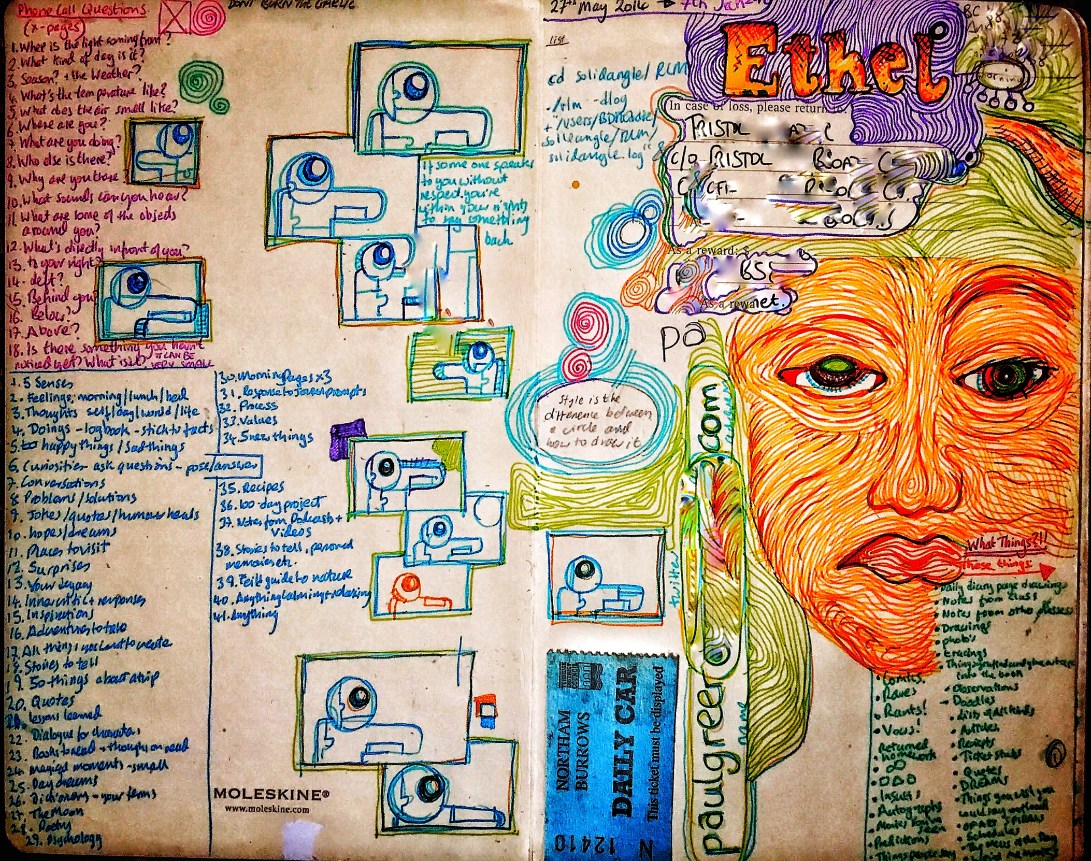
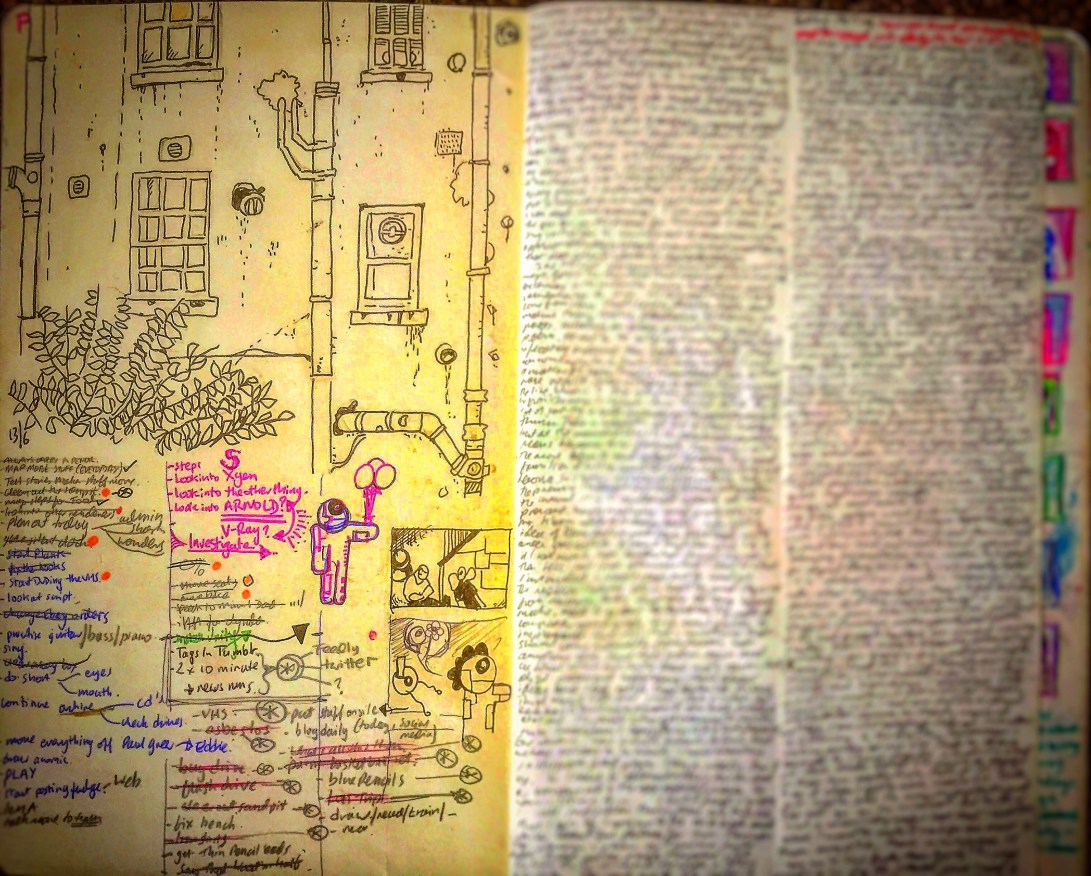
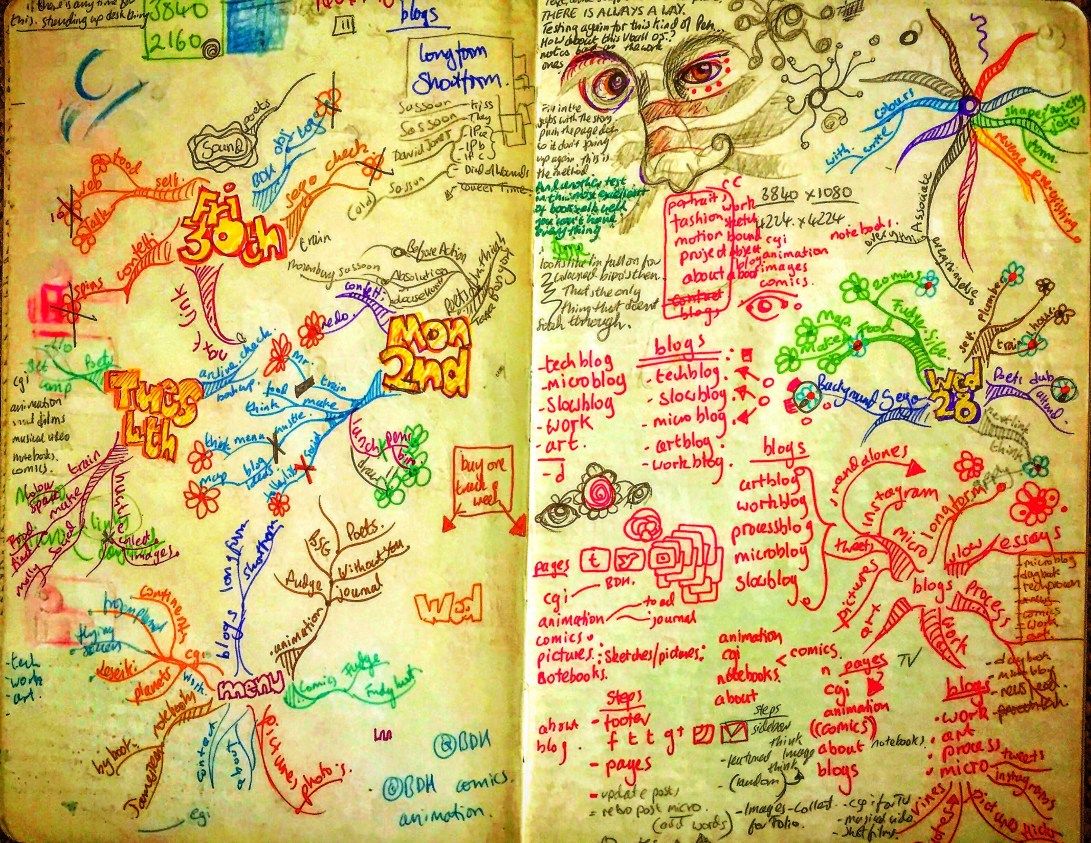
Continuing the project of uploading most pages form Notebook Ethel. As I said before these are from a few years ago now.
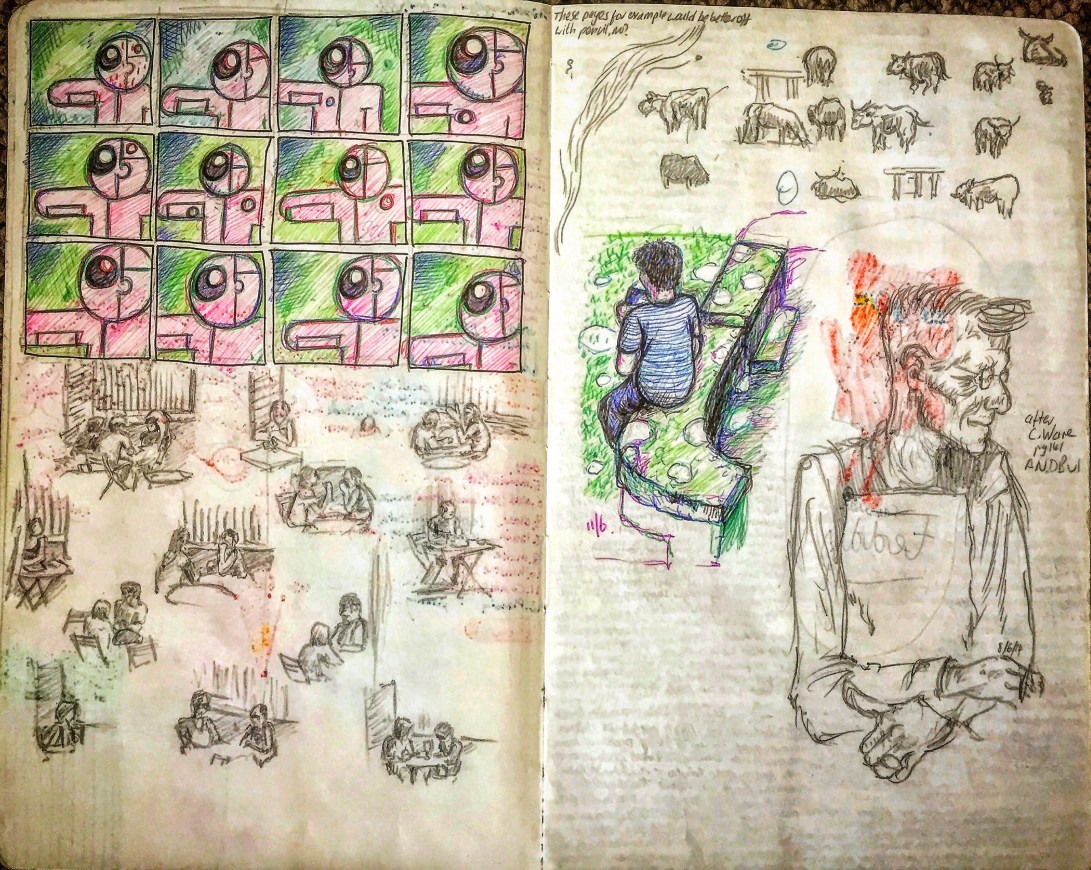
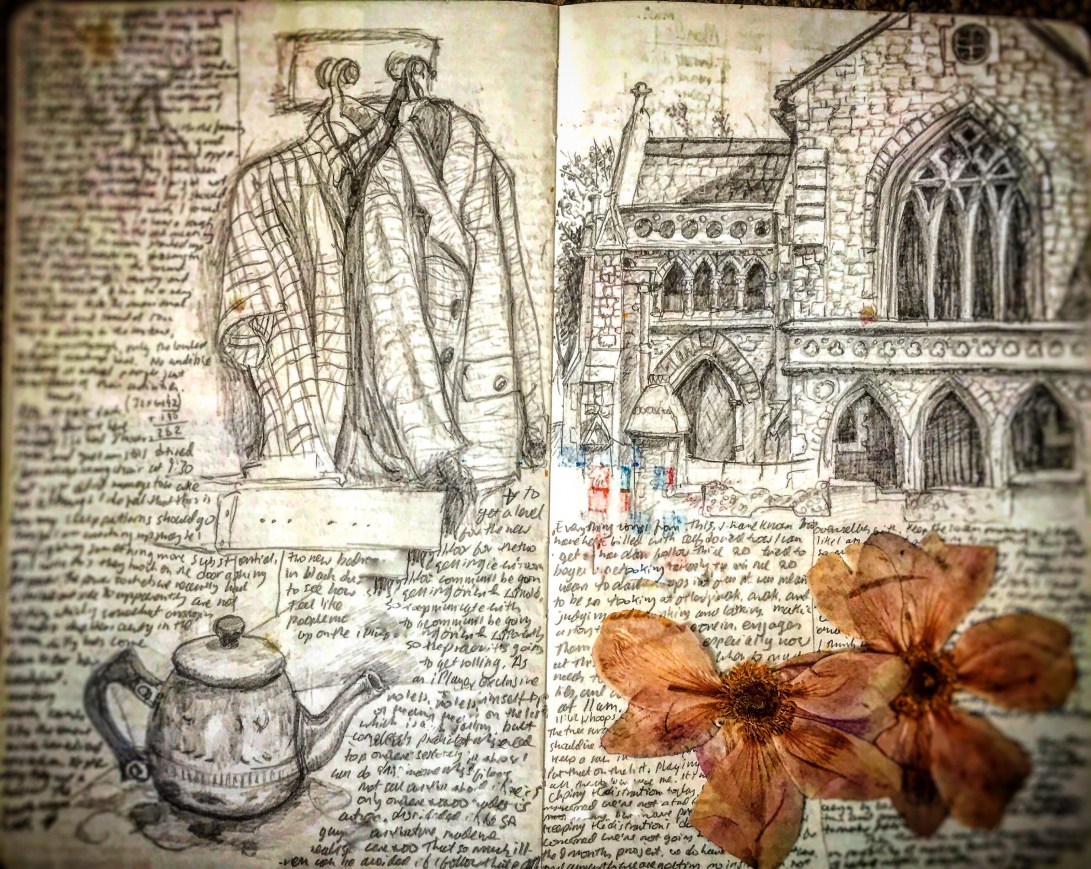
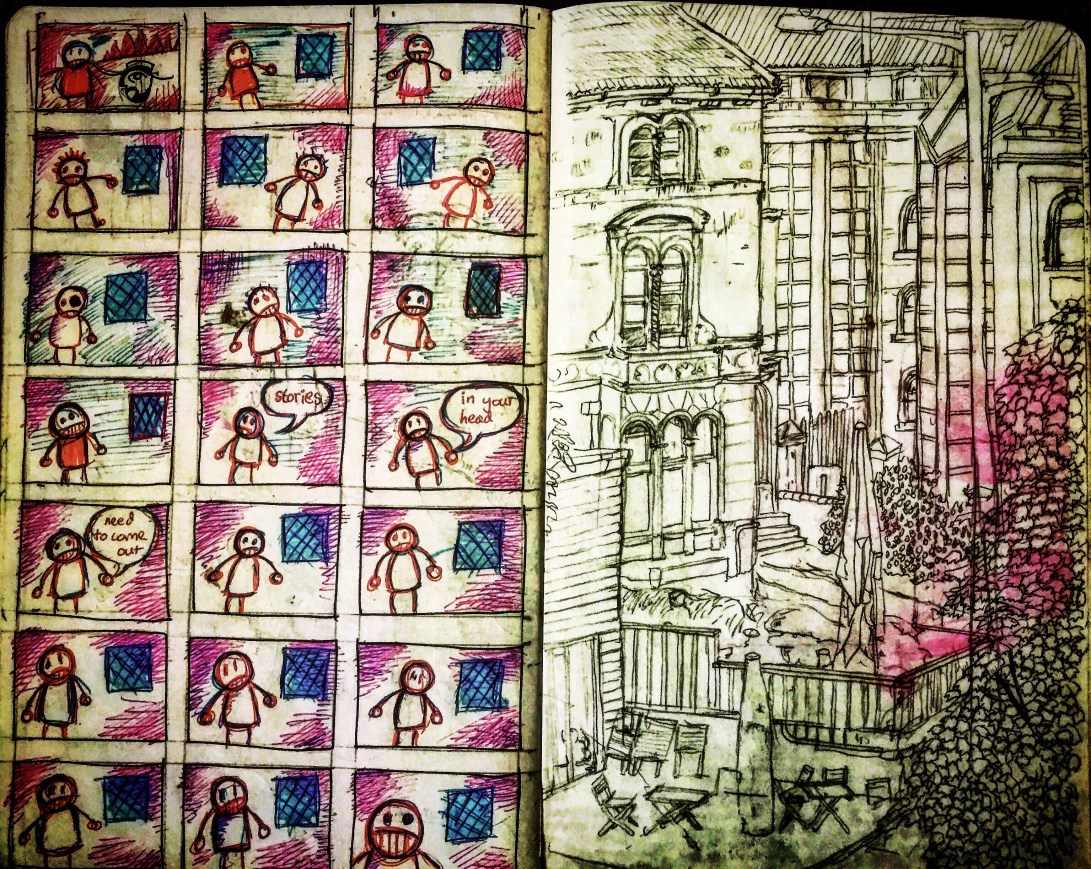
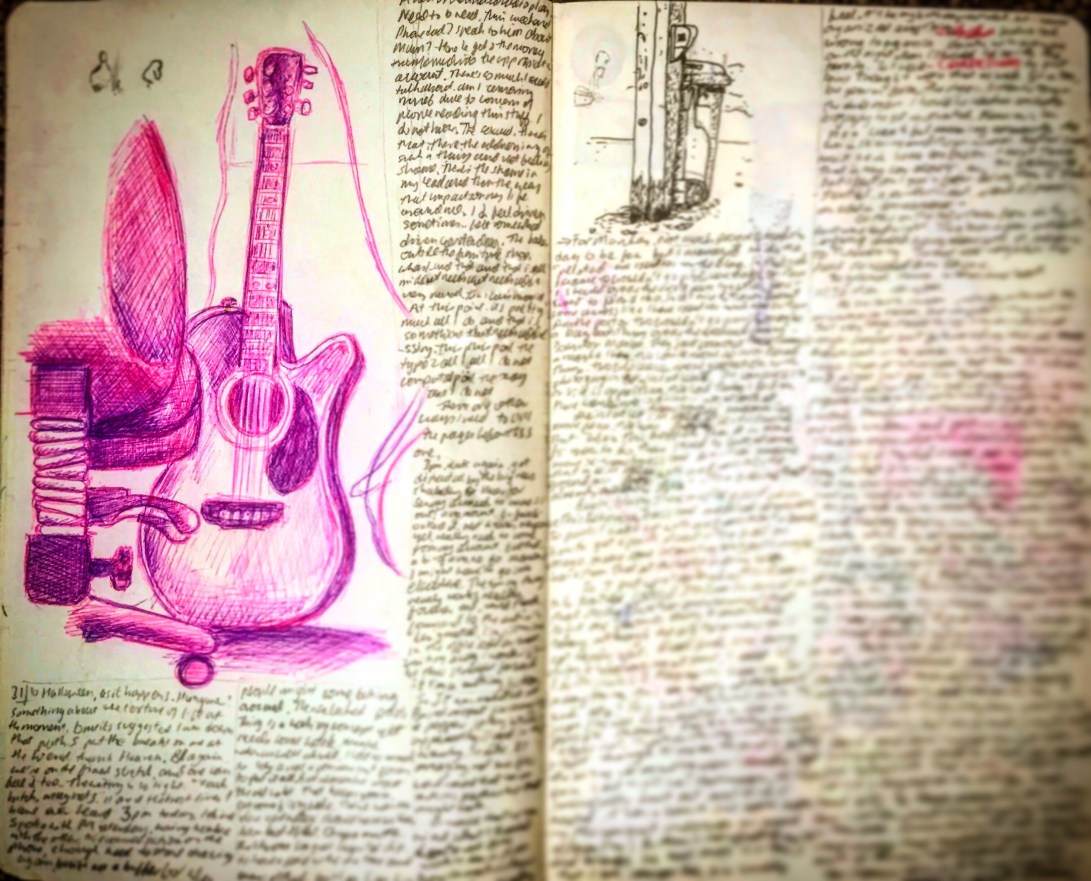
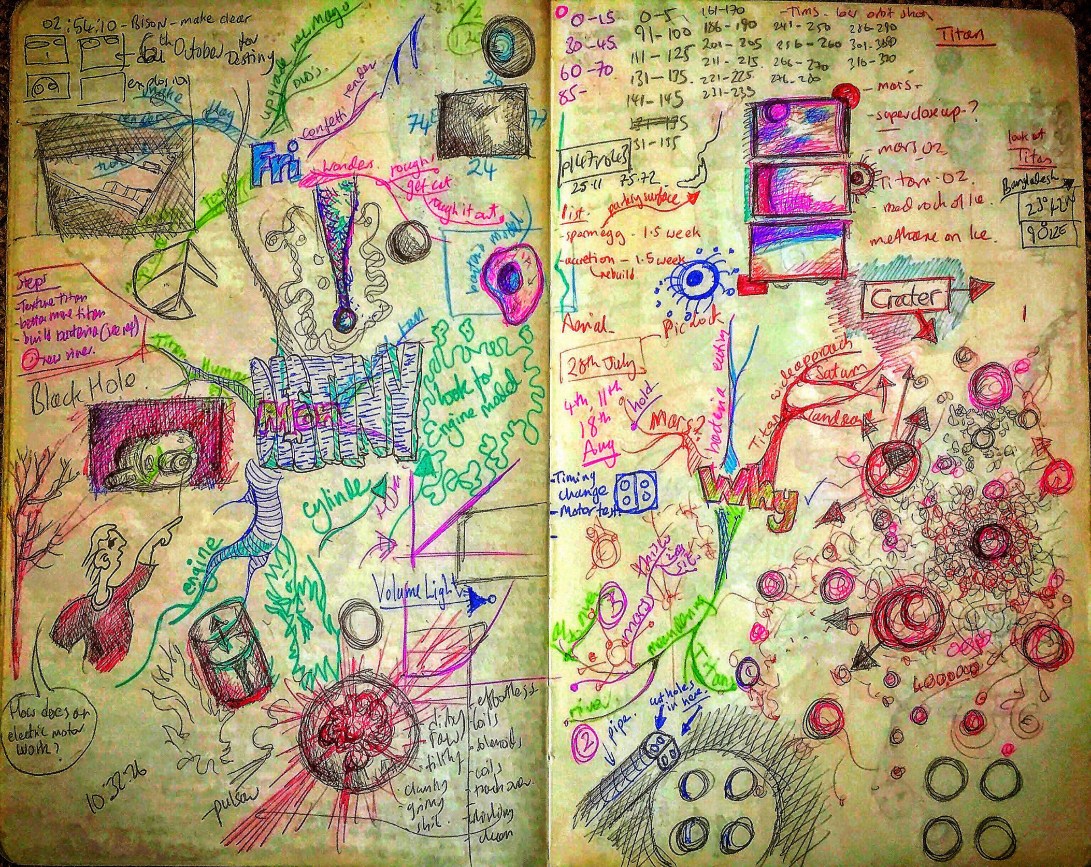
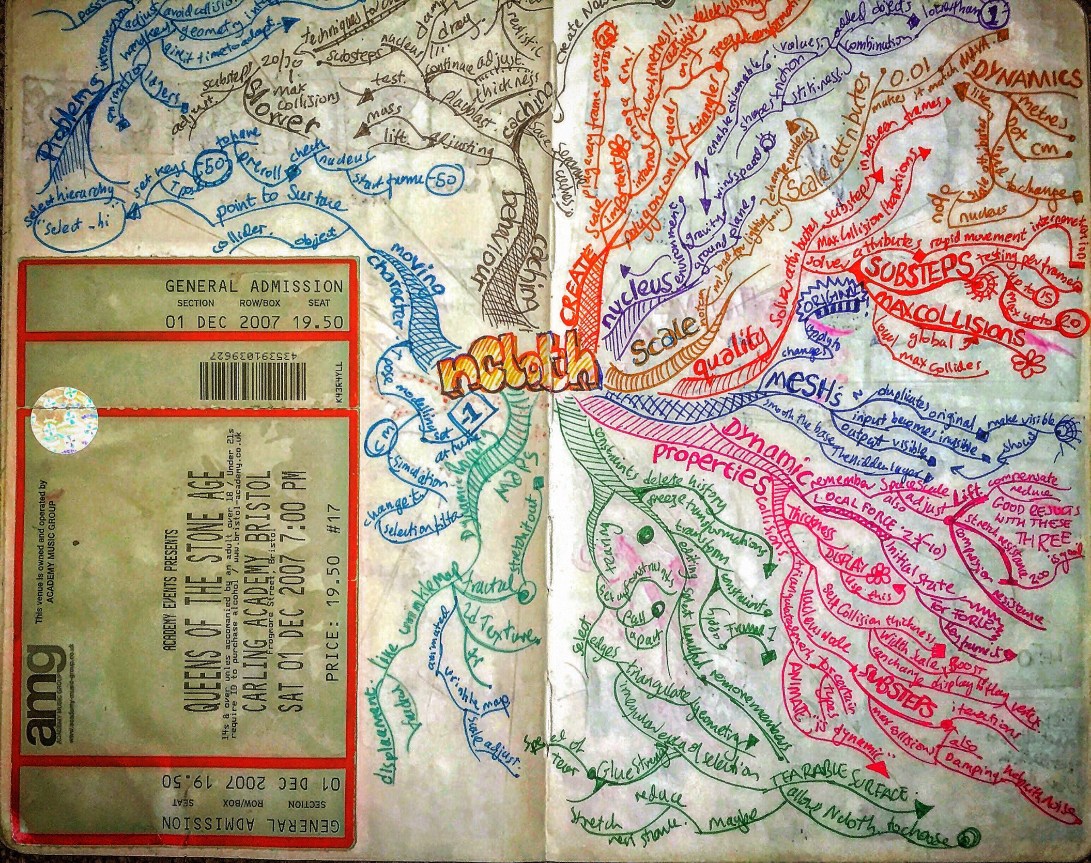


/ˈdrɔː(r)ɪŋ/
noun
1. a picture or diagram made with a pencil, pen, or crayon rather than paint.
“a series of charcoal drawings on white paper”
synonyms: sketch, picture, illustration, representation, portrayal, delineation, depiction, composition, study, diagram, outline, design, plan, artist’s impression; tracing
“he did a pencil drawing of the house”
2. an instance of selecting the winner or winners in a lottery or raffle.
“entrants need not be present at the drawing”
Continuing the project of uploading most pages form Notebook Ethel. As I said before these are from a few years ago now.
According to art historian Albert Elsen, Schiele used Auguste Rodin’s continuous drawing technique to create his loose, fluid figurative sketches.
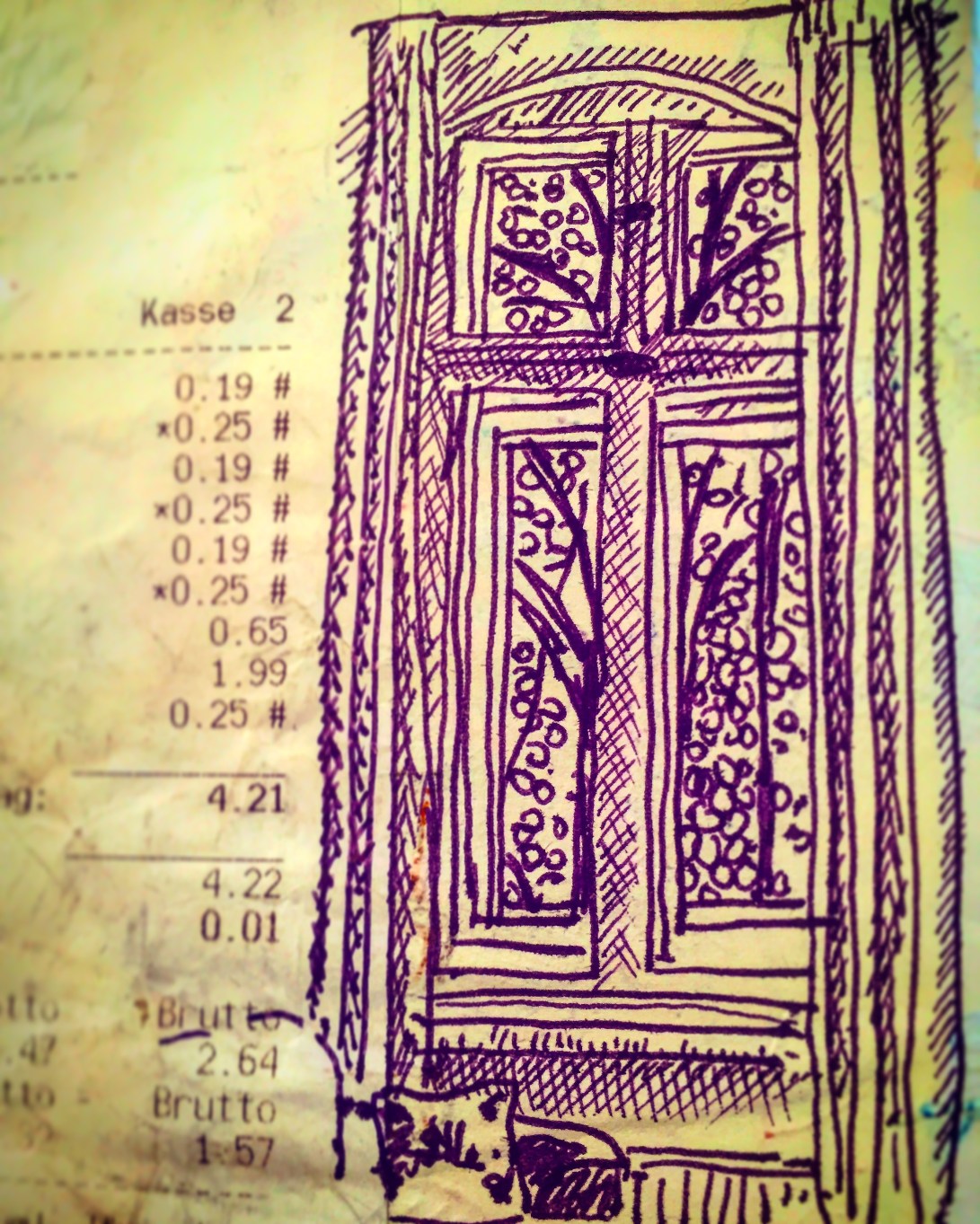
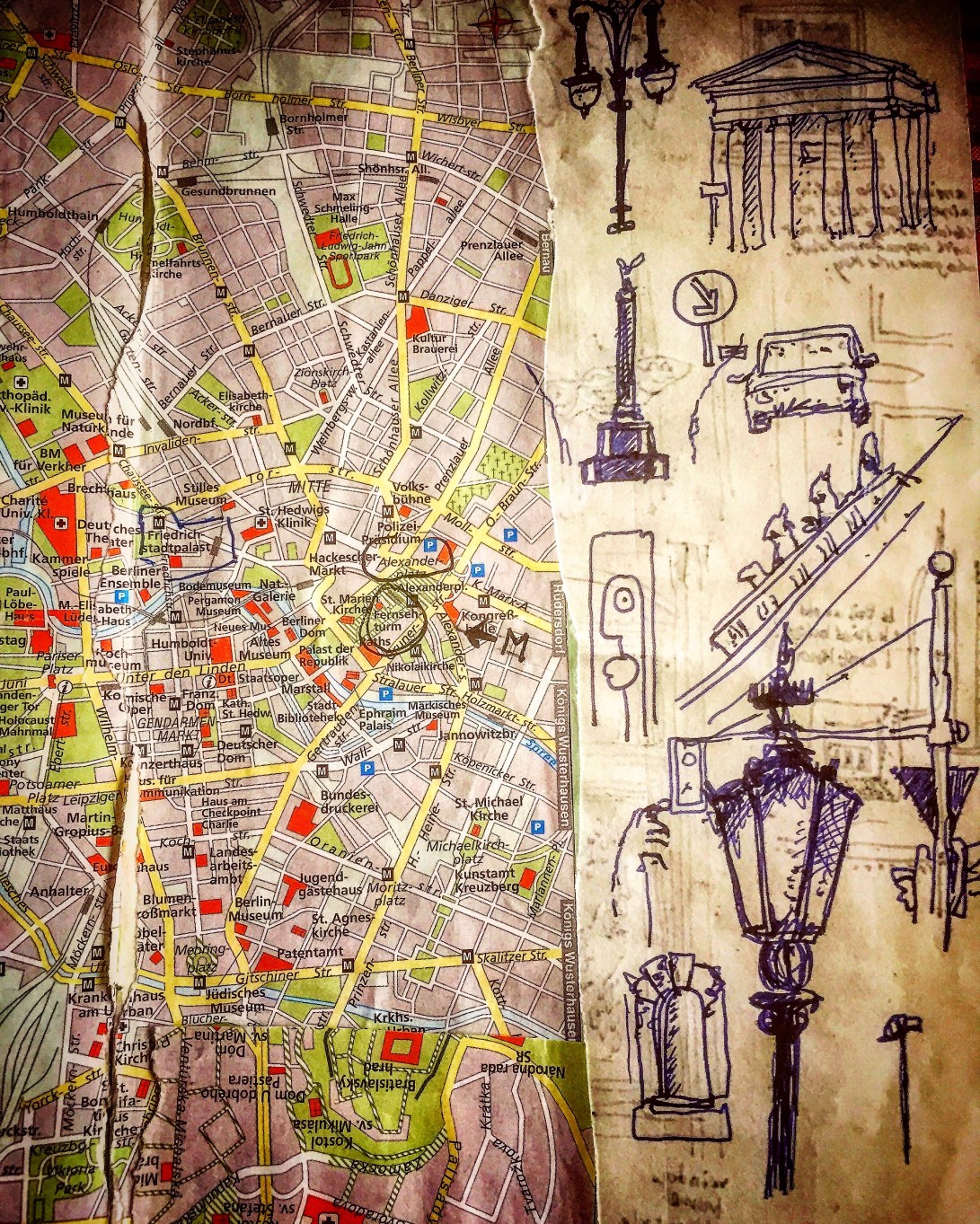
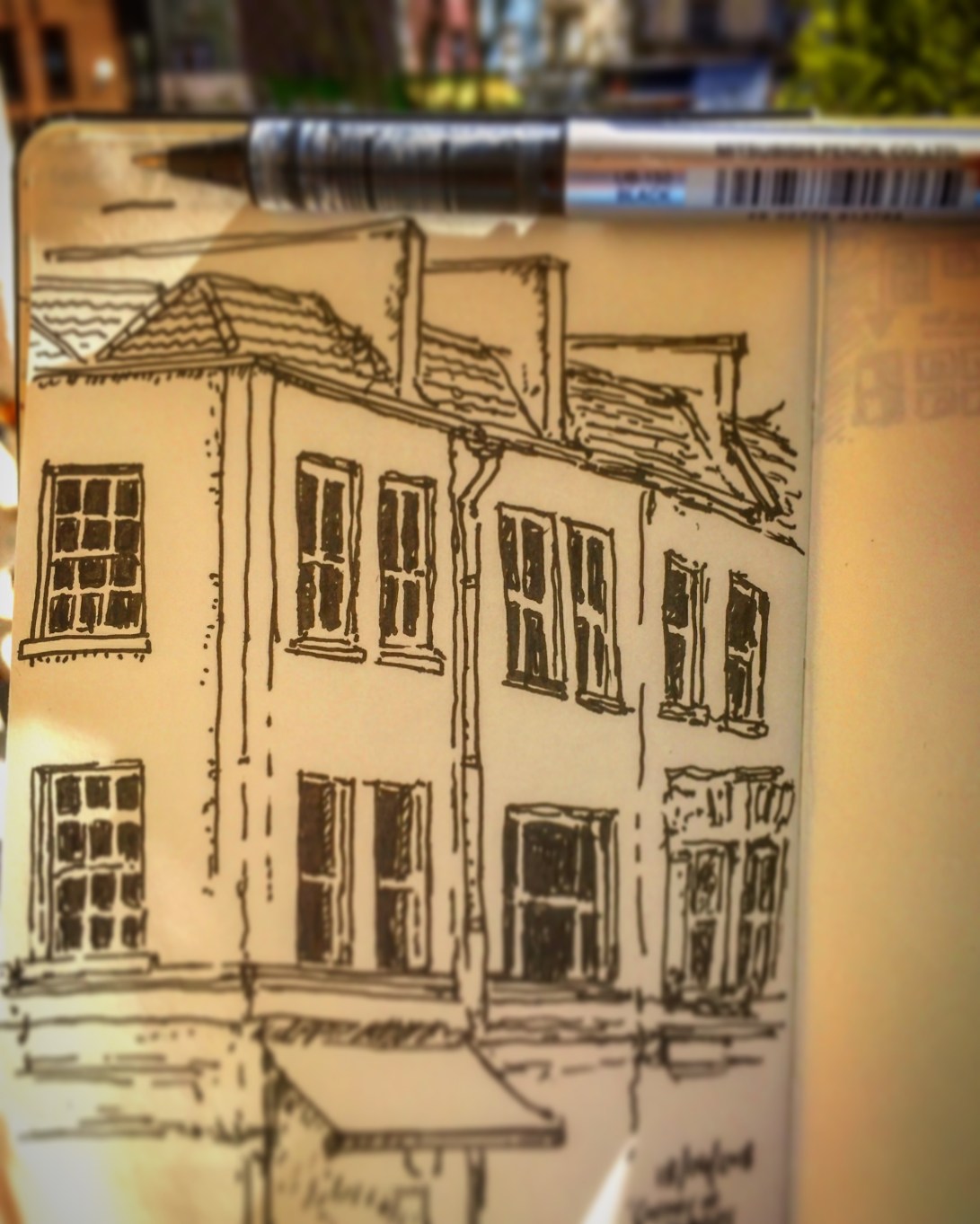
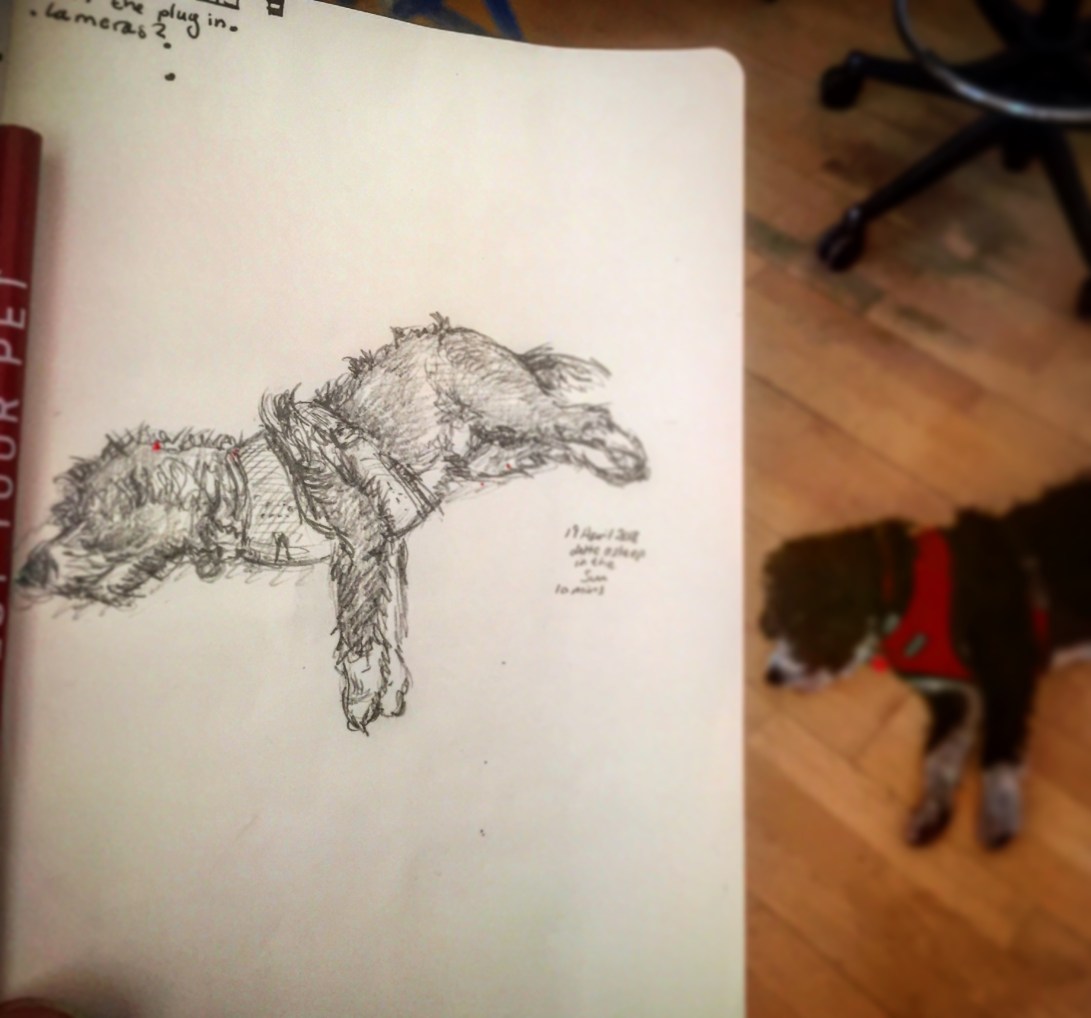
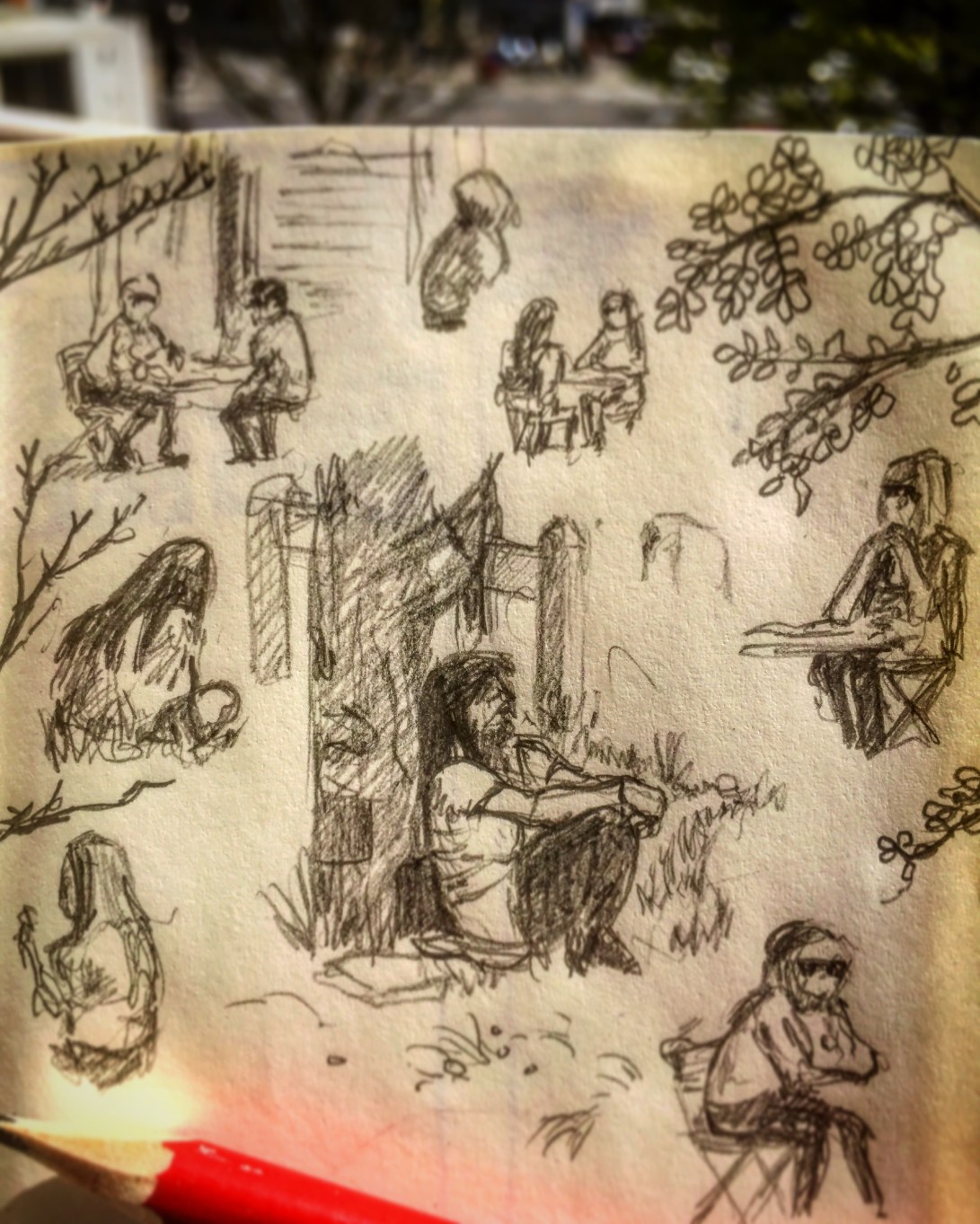
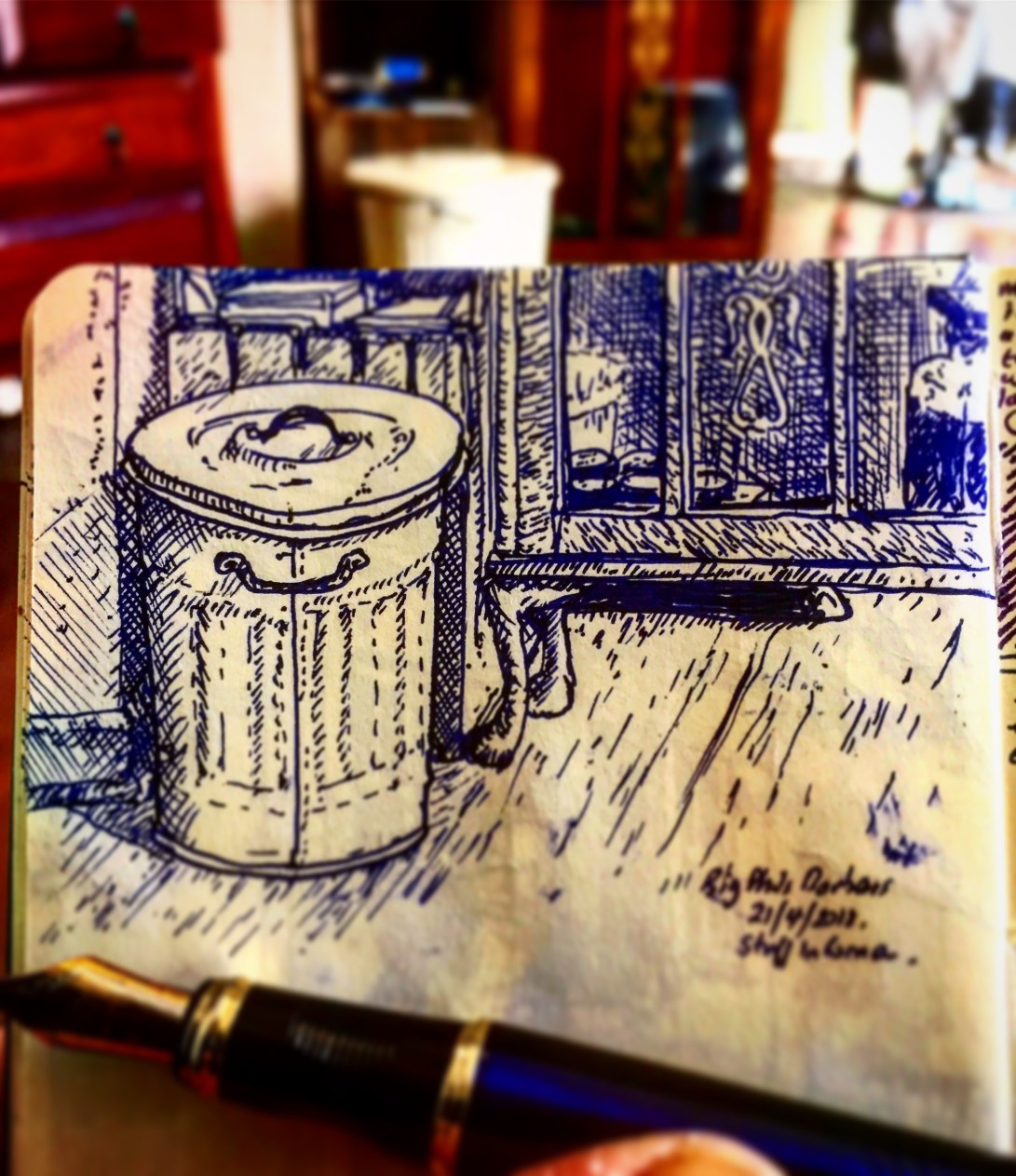
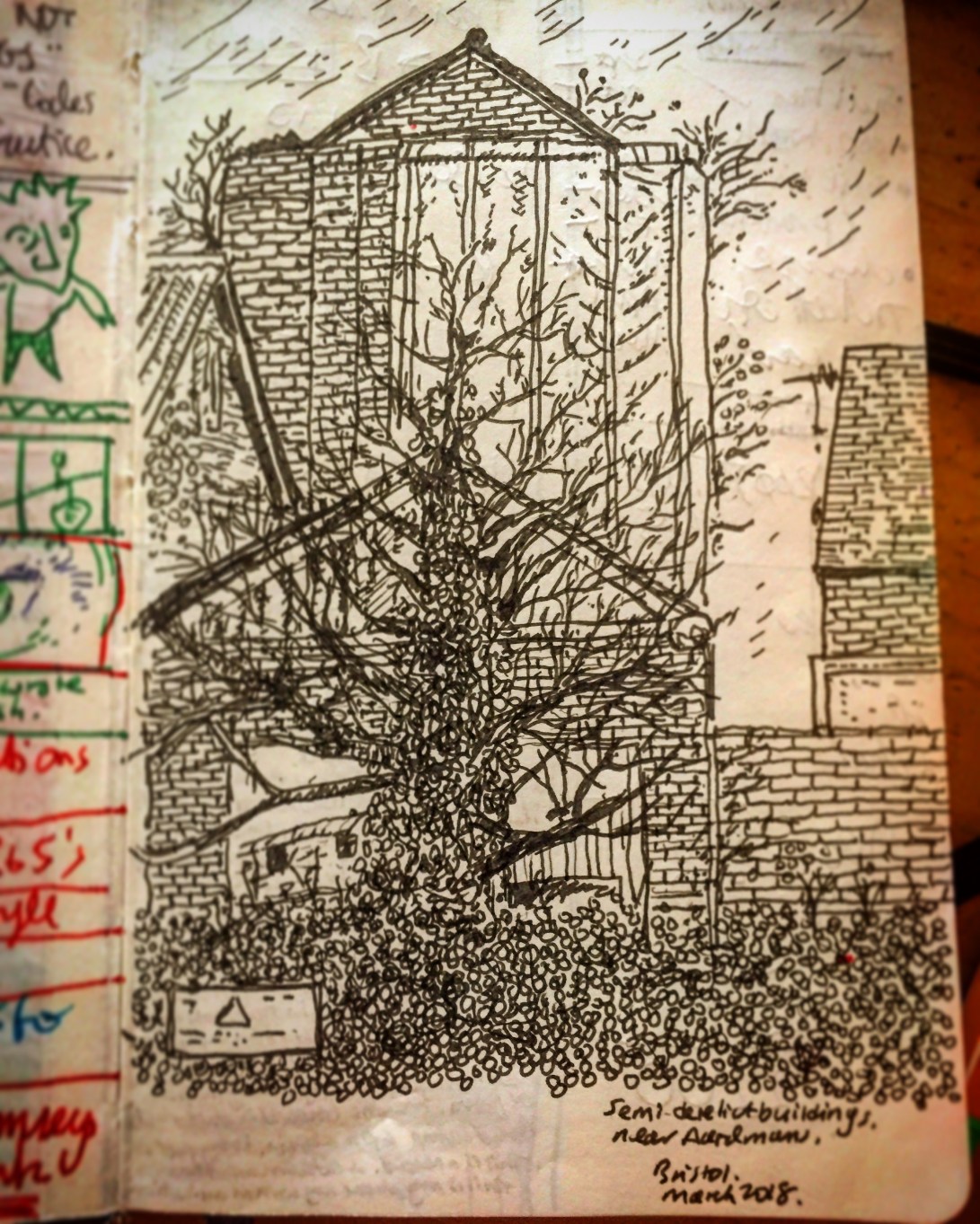
Beginning a large project of uploading old notebook pages. These are not high res scans as that would considerably increase the amount of time needed, so these would have to do for now.
These are all generally going up on Instagram first.

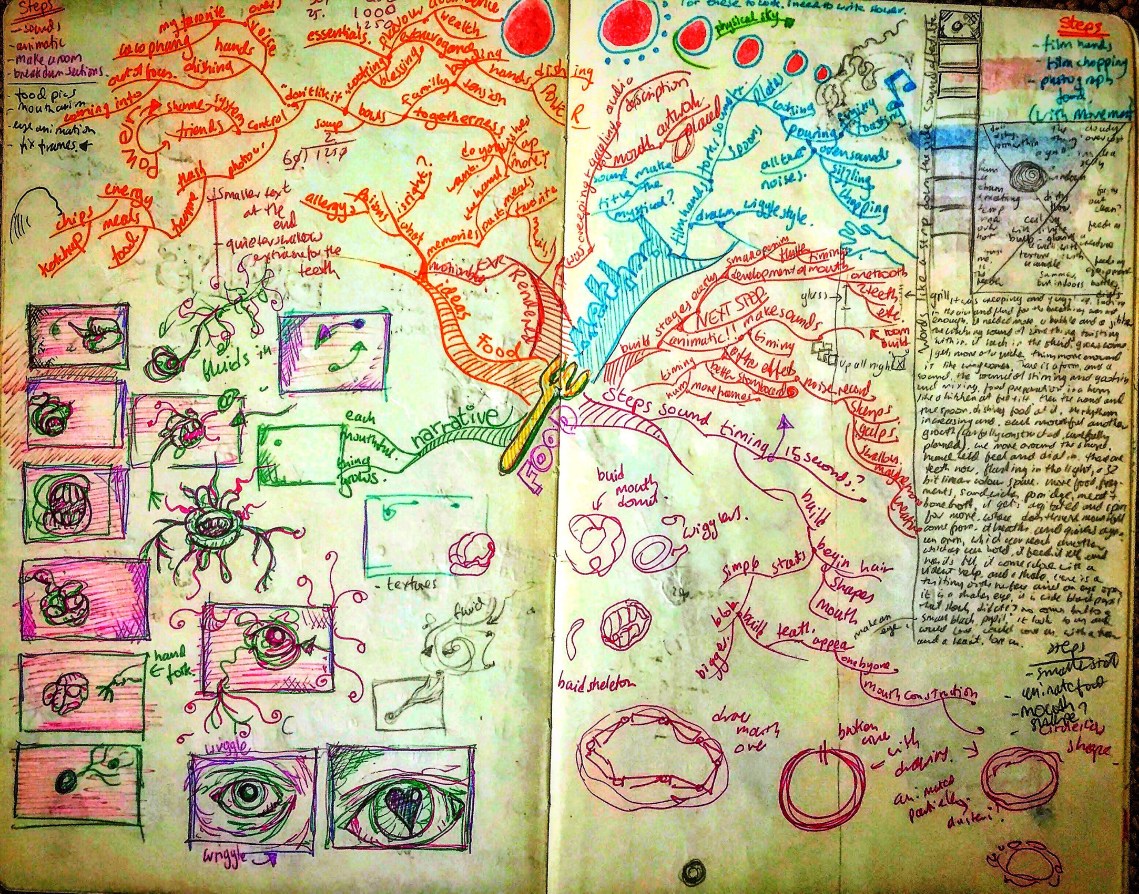
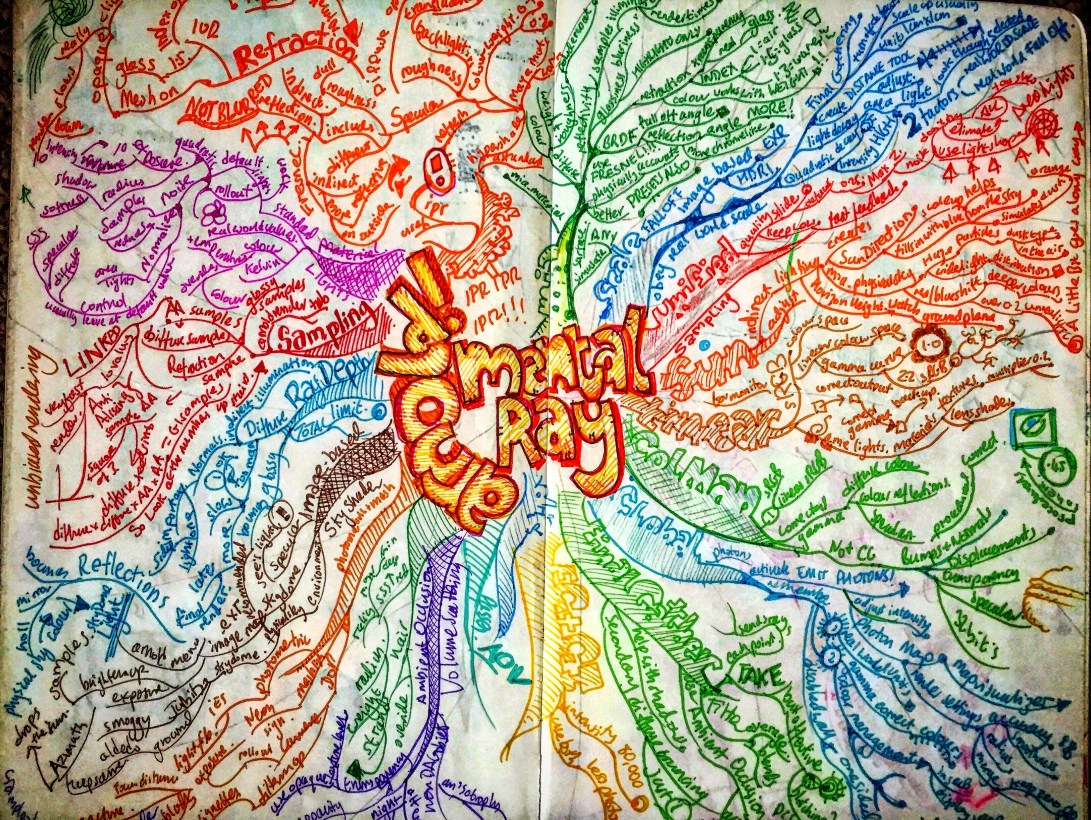
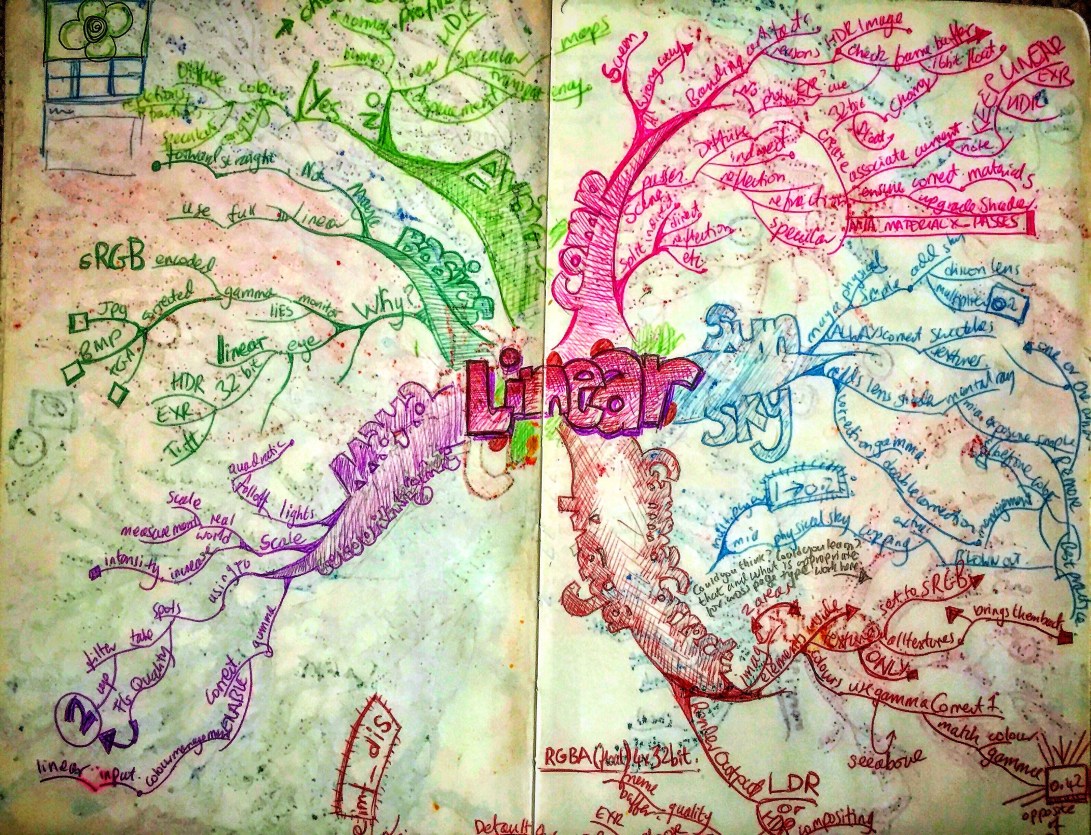
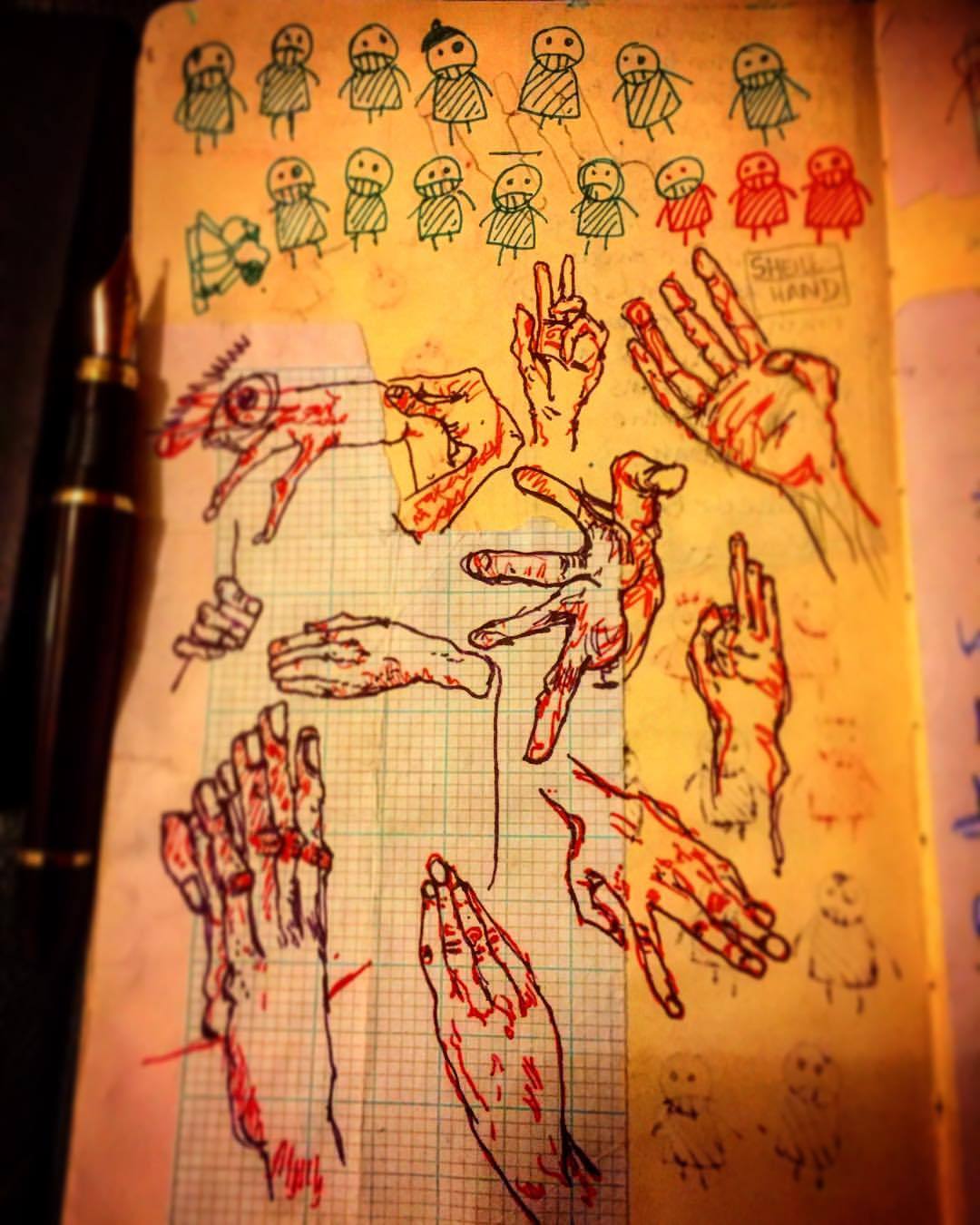
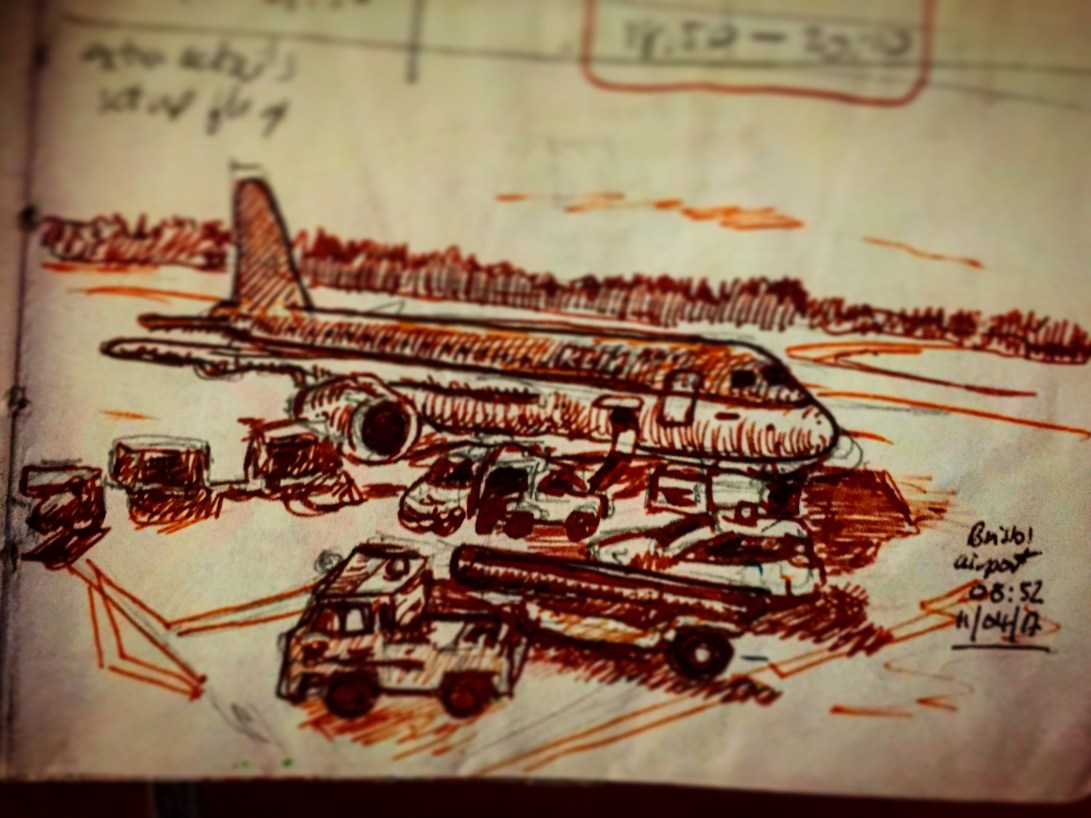
Digging out some old ones I forgot to post at the time.
This is one of the aeroplanes that took us to Berlin last April.
Around 8:45 am 11/04/17.
Bristol Airport.
Pencil, fountain pen and Stabilo marker.
Notebook: Ichabod.
“If you’re unfamiliar or uncomfortable with how art and science can mingle to produce something clinically beneficial, it’s a study premise that might seem far-fetched — but it didn’t seem that way to Gurwin, an ophthalmology resident at Penn, in part because she’d already seen the benefits of art education on a medical career firsthand.
“Having studied fine arts myself and having witnessed its impact on my medical training, I knew art observation training would be a beneficial practice in medical school,” she said. “Observing and describing are skills that are taught very well in fine arts training, and so it seemed promising to utilize their teachings and apply it to medicine.”
“Gurwin and Binenbaum’s findings, published in the journal Ophthalmology in September: The medical students who’ve dabbled in art just do better.
“It’s a glimpse at how non-clinical training can and does make for a better-prepared medical professional. Not only does art observation training improve med students’ abilities to recognize visual cues, it also improves their ability to describe those cues.”
“Isaacson argues that Leonardo’s observational powers were not innate and that with sufficient practice, we can all observe as he did. People talk in a precious way about genius, creativity, and curiosity as superpowers that people are born with but noticing is a more humble pursuit. Noticing is something we can all do.”
also via
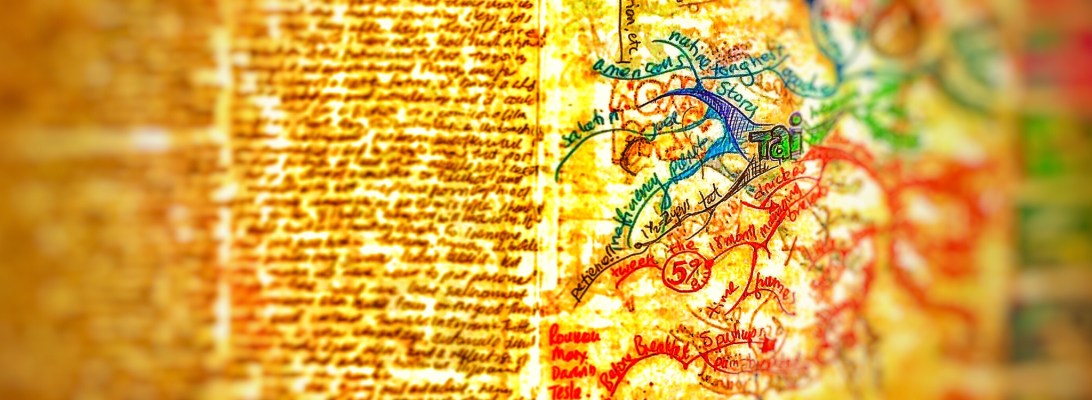
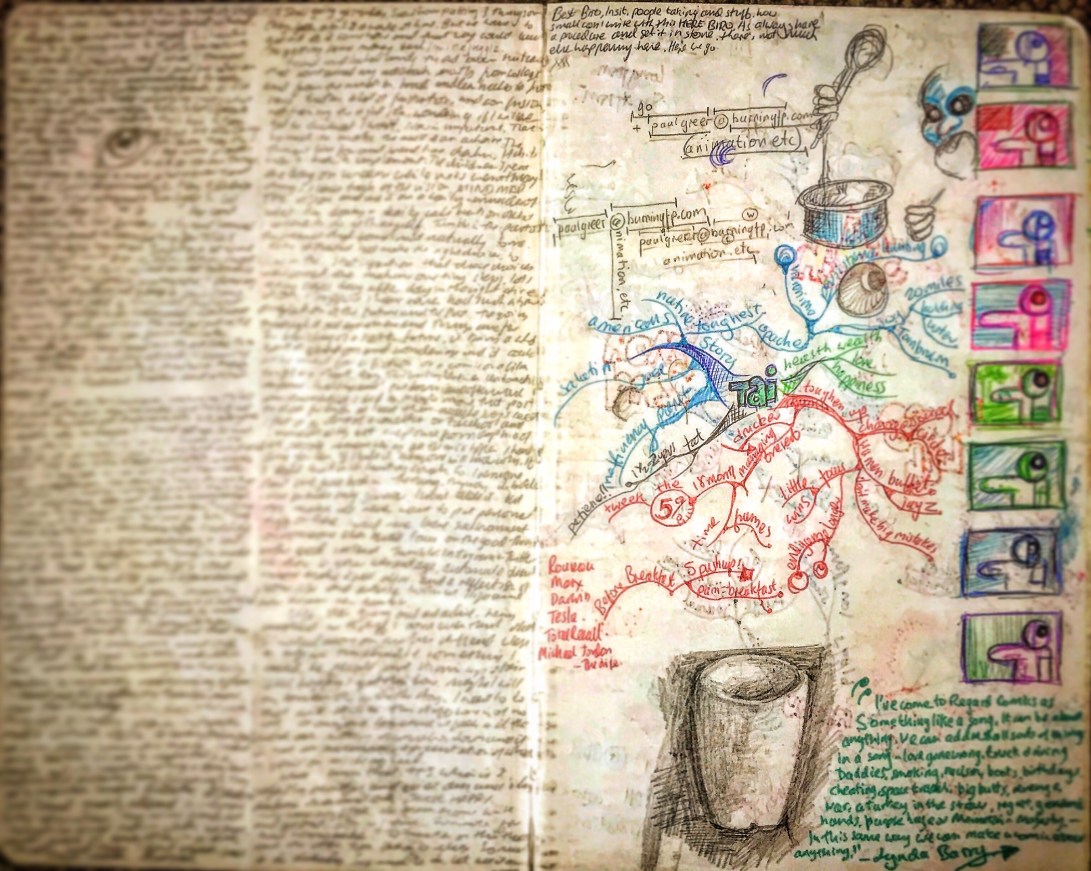
Notebook: Ethel
Spread 2.
First drafts, mug drawing, rough mind map, comics and a quote from Lynda Barry.
It’s along the lines of:
“I’ve come to regard comics as something like a song. It can be about anything. We can address all sorts of things in a song, love gone wrong, truck driving, Daddies, smoking, boots, birthdays, cheating, space travel, big butts, revenge, war, a turkey in the straw, regret, genders, hands, purple haze . We can this way we can make comics about anything.”
– Although I did write it down in a hurry!

 Paul Greer