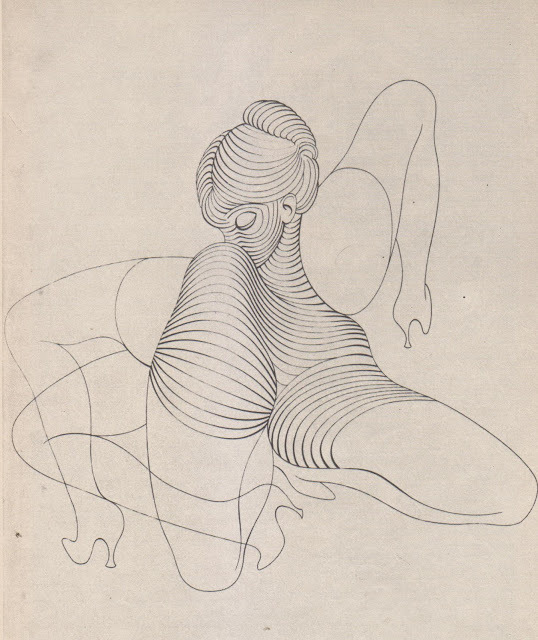
via Radimus
/ˈdrɔː(r)ɪŋ/
noun
1. a picture or diagram made with a pencil, pen, or crayon rather than paint.
“a series of charcoal drawings on white paper”
synonyms: sketch, picture, illustration, representation, portrayal, delineation, depiction, composition, study, diagram, outline, design, plan, artist’s impression; tracing
“he did a pencil drawing of the house”
2. an instance of selecting the winner or winners in a lottery or raffle.
“entrants need not be present at the drawing”
via Radimus
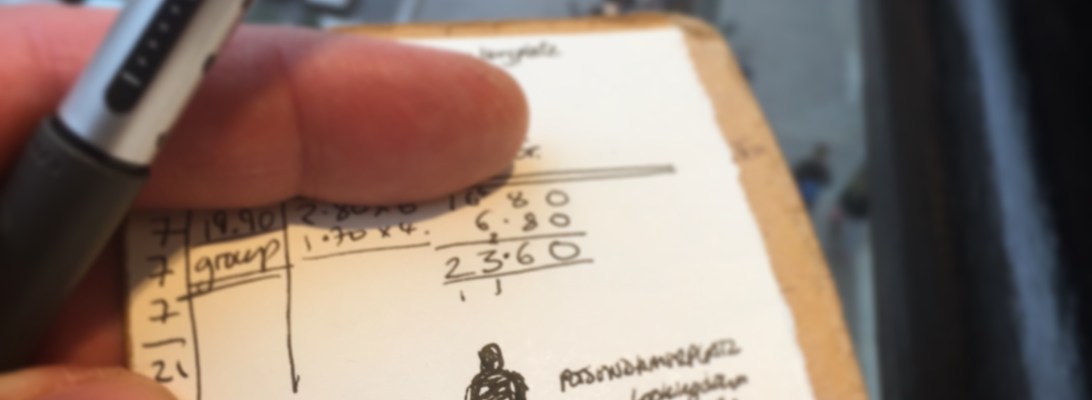
It’s been a while so I am all out of sorts with drawings and order etc.
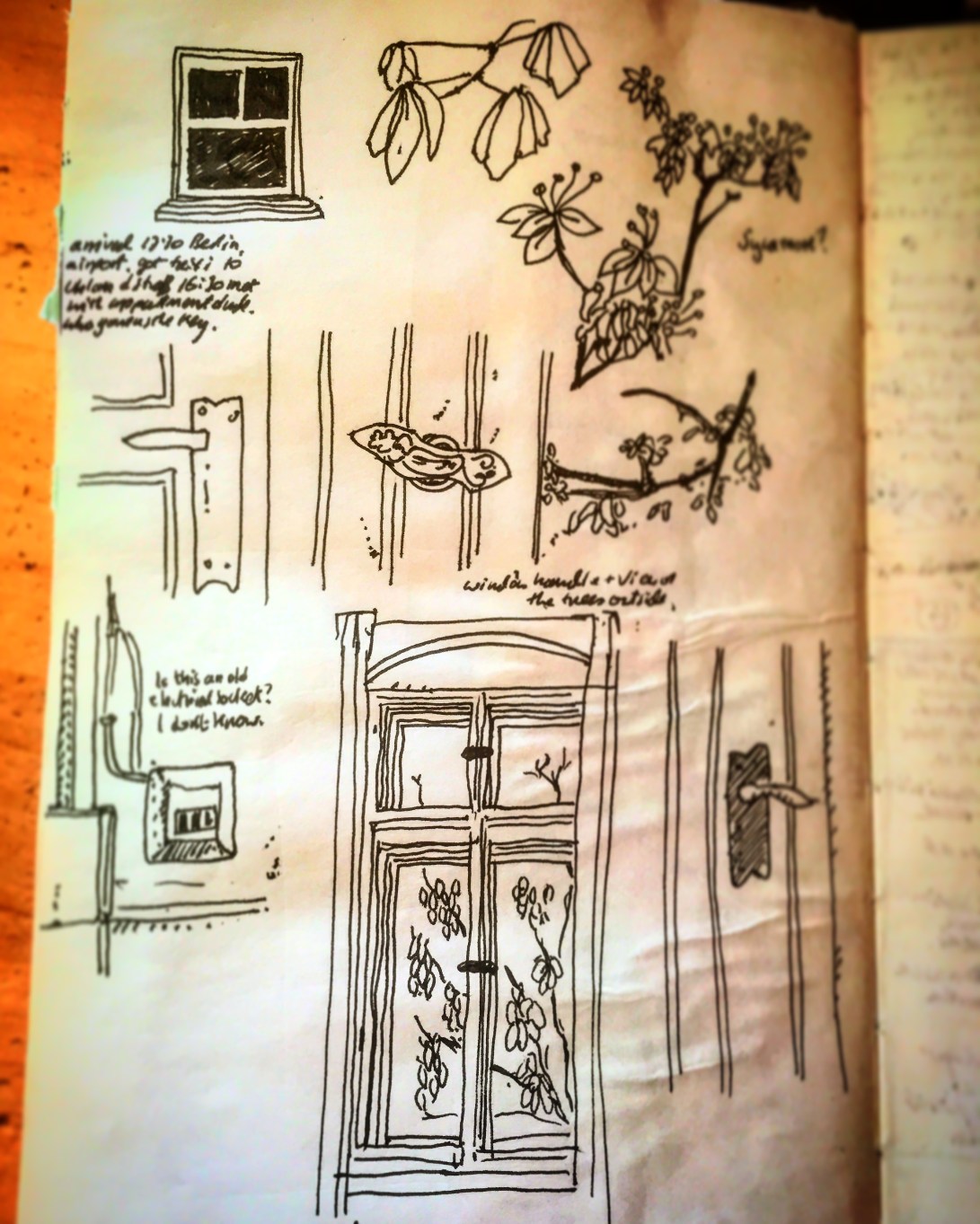
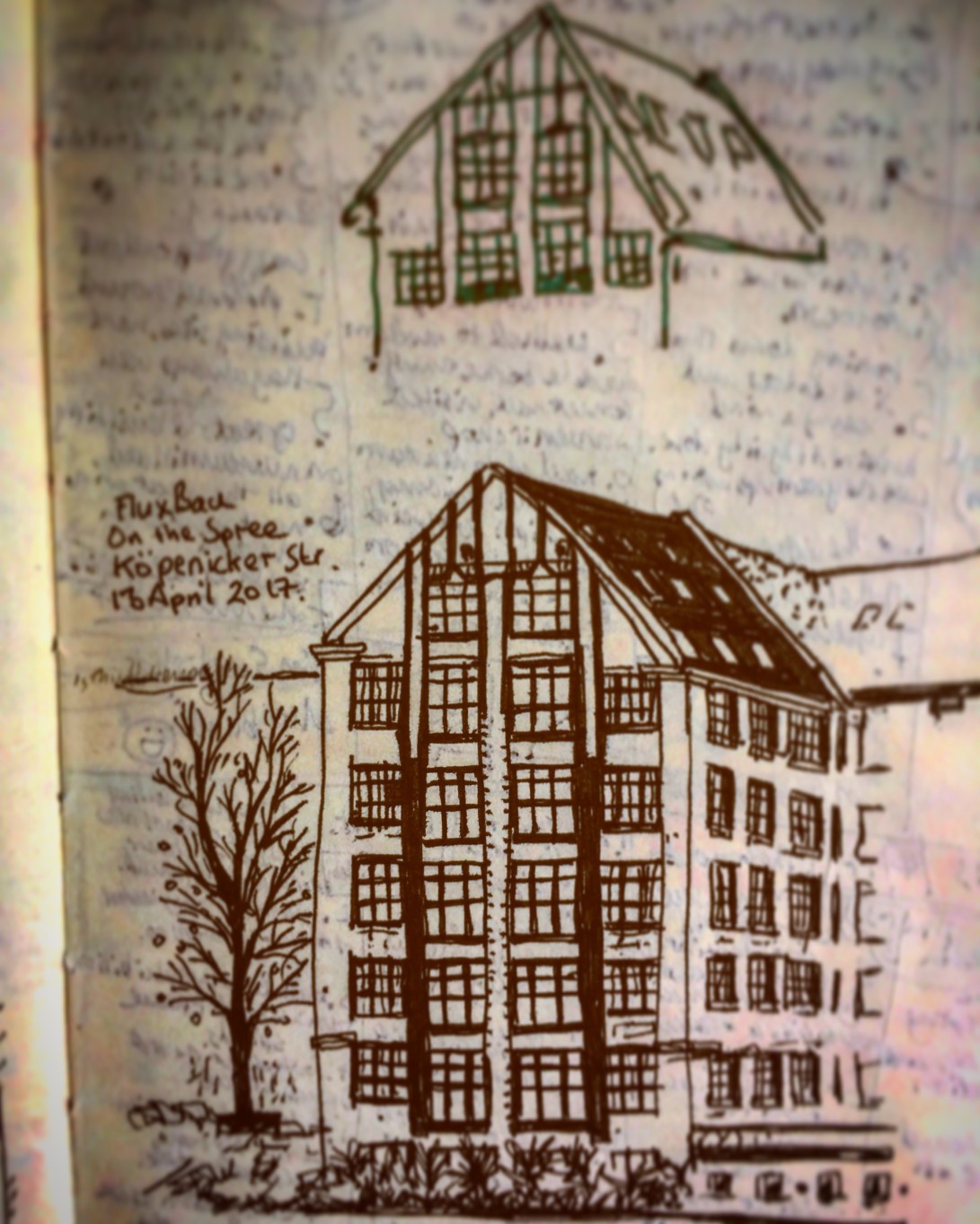
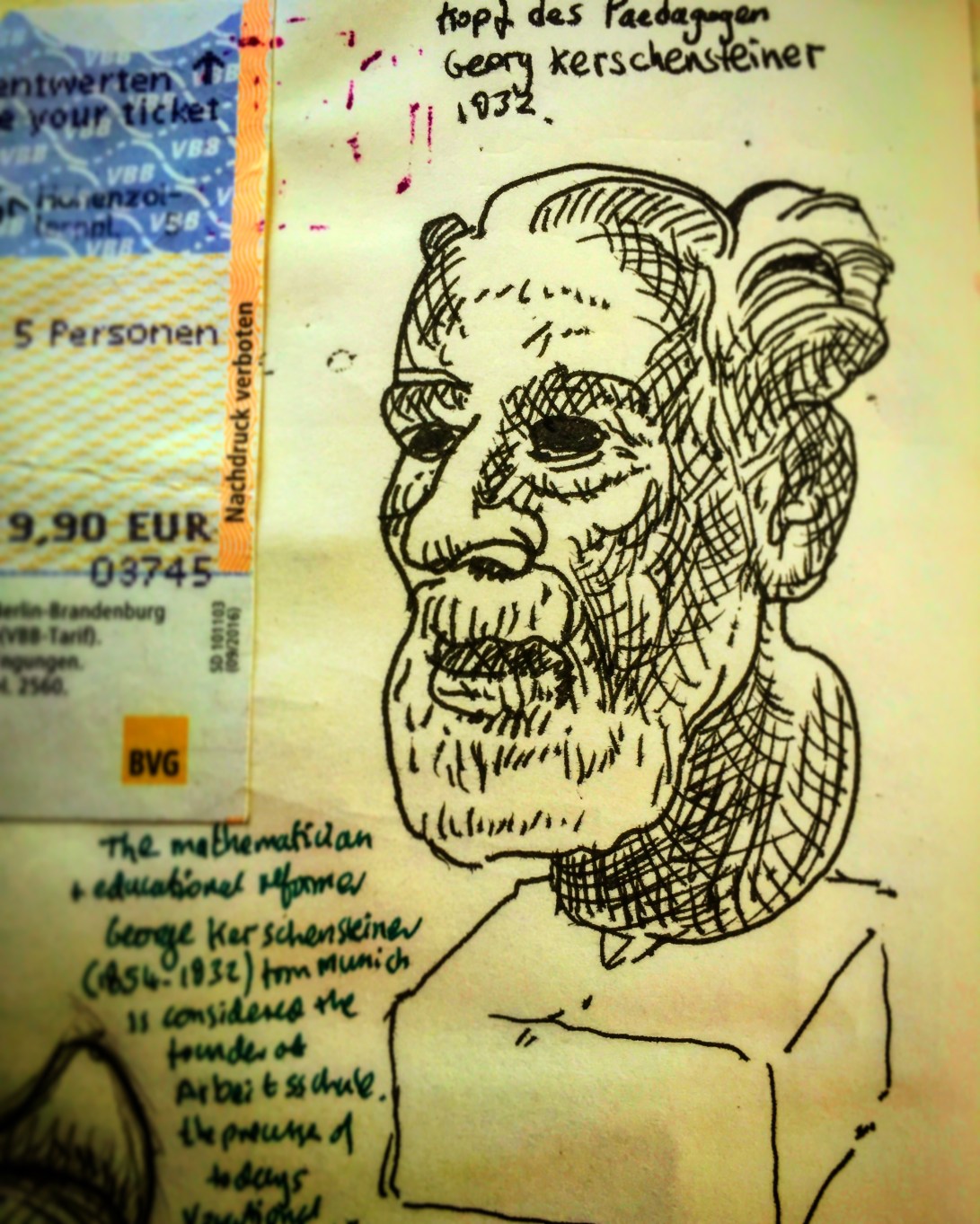
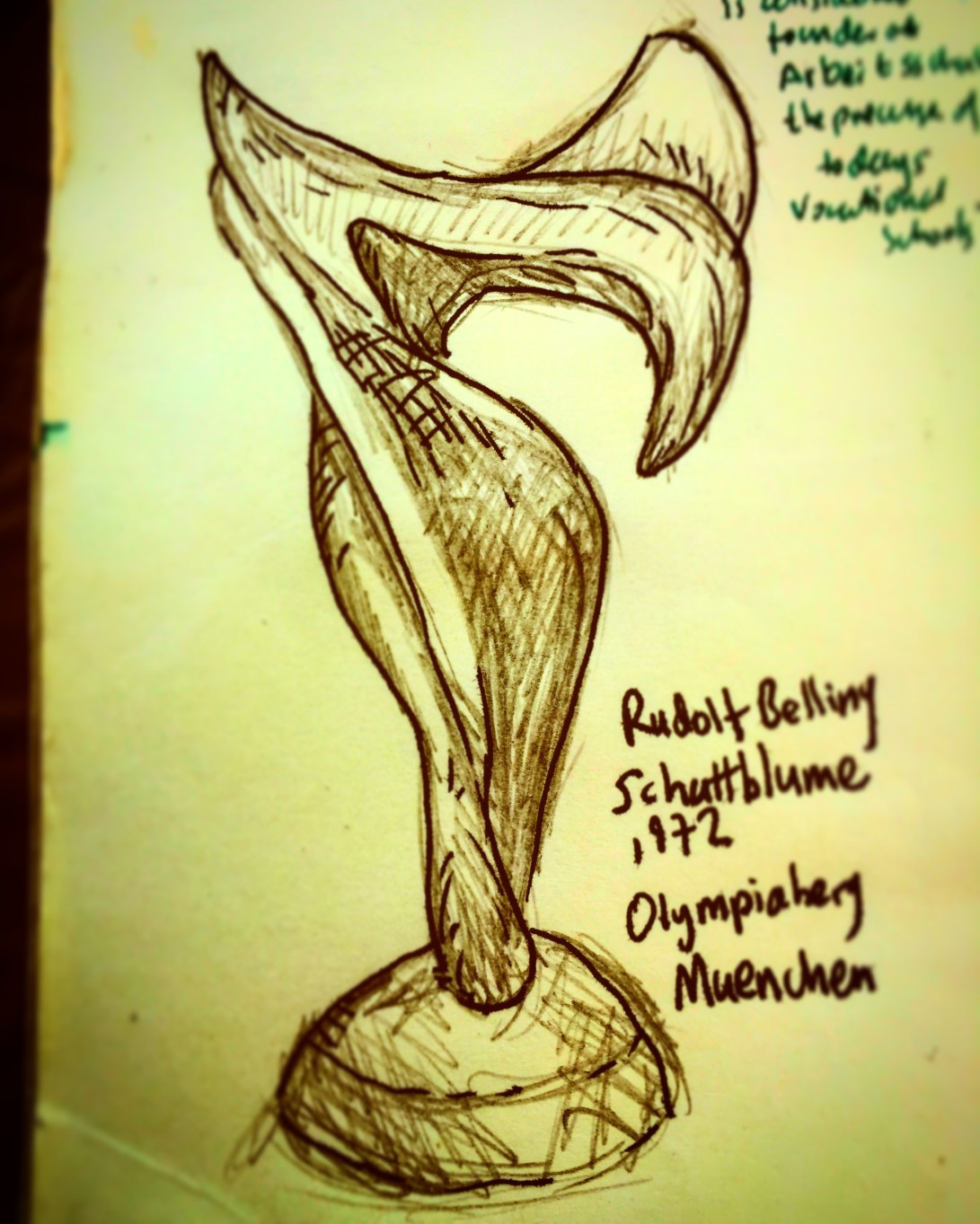
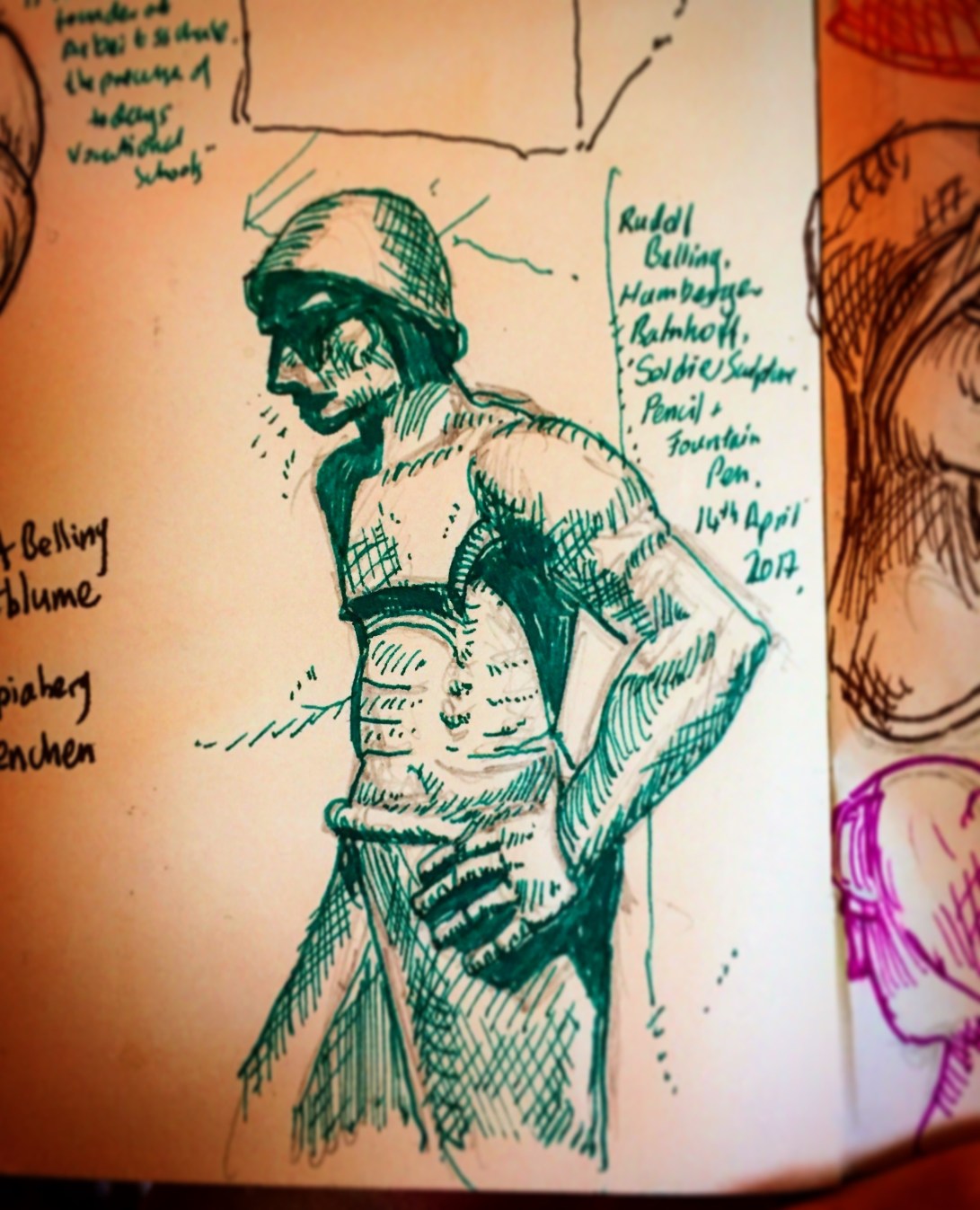
This is a batch from our Spring trip to Berlin. I have some more of these and I will post them in due course as some of them were scribbled on site and need a little bit of finishing off.
There’s some good advice here on drawing animals by Aaron Blaise, which could be applied to drawing from life of any kind. Mainly:
You should definitely read the whole post here.
Anyways, back to Berlin:

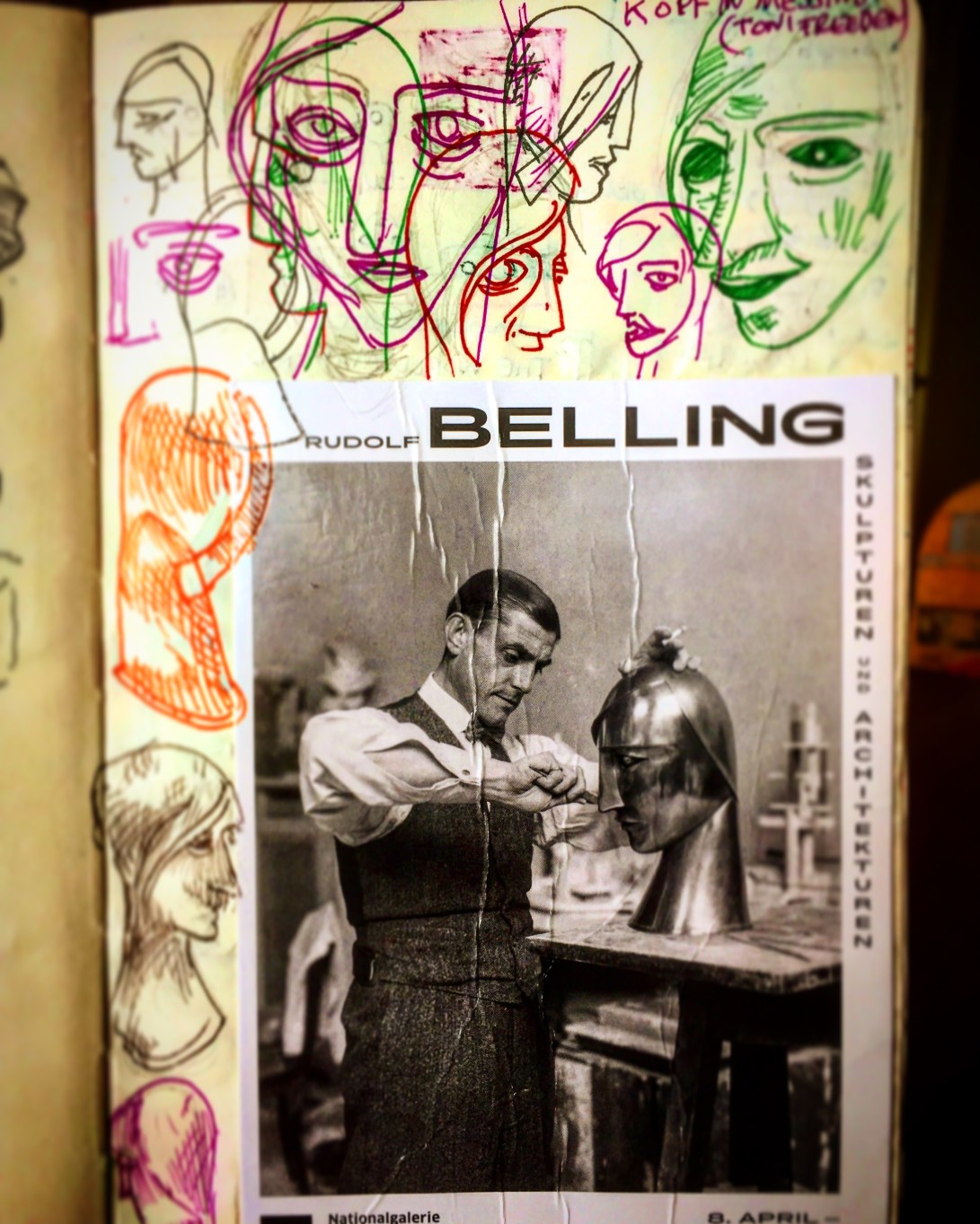
During out stay we were fortunate enough to visit the Rudolf Belling exhibition at the Hamberger Bahnhof museum. I was relatively unfamiliar with his work before this but we all really enjoyes seeing his work.
This from Wikipedia:
At the very beginning of the 20th century Rudolf Belling’s name was something like a battlecry. The composer of the “Dreiklang” (triad) evoked frequent and hefty discussions. He was the first, who took up again thoughts of the famous Italian sculptor Benvenuto Cellini (1500-1570), who, at his time, stated, that a sculpture should show several good views. These were the current assumptions at the turn of the century. However they foreshadow an indication of sculpture being three-dimensional.
Rudolf Belling amplified: a sculpture should show only good views. And so he became an opponent to one of the German head scientists of art in Berlin, Adolf von Hildebrandt, who, in his book, The problem of Form in Sculpture (1903) said: “Sculpture should be comprehensible – and should never force the observer to go round it”. Rudolf Belling disproved the current theories with his works.
His theories of space and form convinced even critics like Carl Einstein and Paul Westheim, and influenced generations of sculptors after him. It is just this point which isn’t evident enough today.
I hope to make a more comprehensive post about his work in the future.
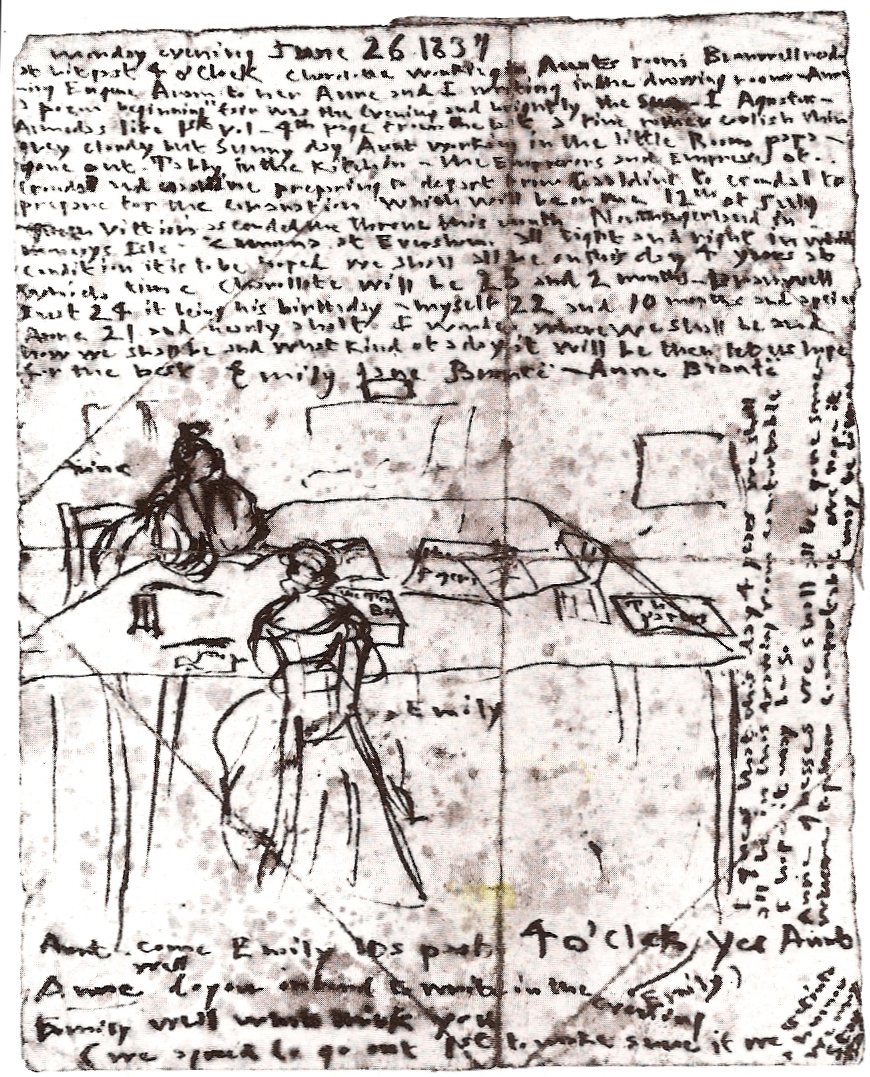
(via Womensart)
Eldest daughter’s portrait of William Golding is featured on the Nailsea School Twitter account.

“In 1969, used furniture dealer Fred Washington bought 12 large discarded notebooks from a garbage collector, where they found a new home in his warehouse under a pile of dusty carpets. In 1969, art history student, Mary Jane Victor, was scouring through his bazaar of castaways when she came upon the mysterious works of a certain Charles Dellschau.”
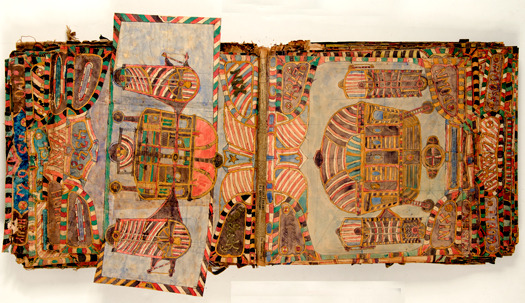
“He had arrived in the United States at 25 years old from Hamburg in 1853 and documents show he lived in both California and Texas with his family, working as a butcher. After his retirement in 1899, he took to filling his days by filling notebooks with a visual journal of his youth. He called the first three books, Recollections and recounts a secret society of flight enthusiasts which met in California in the mid-19th century called the ‘Sonora Aero Club’.”
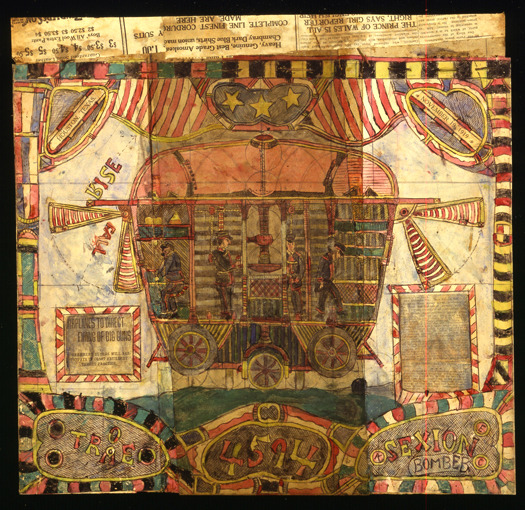
There’s more on the story and other incredible images at Messy Nessy, please take a look.
via SigerGallery
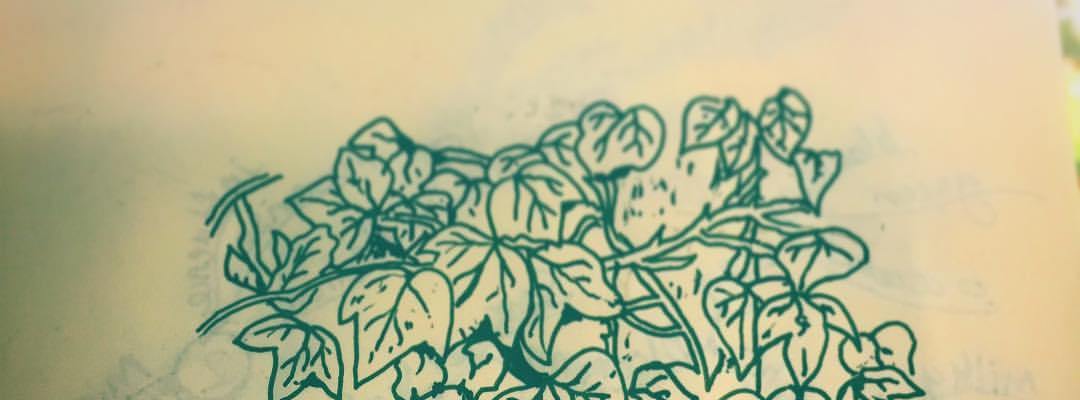
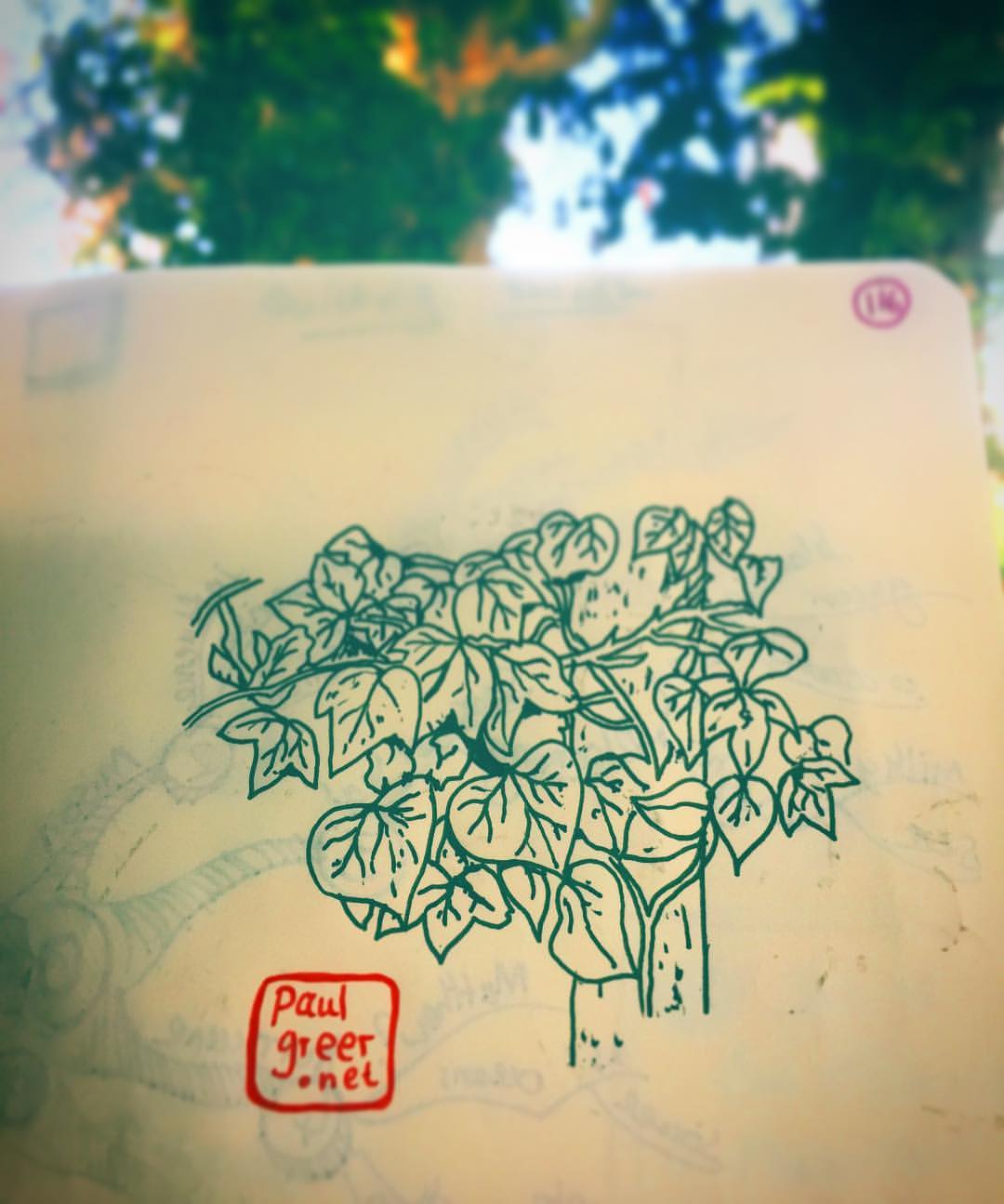
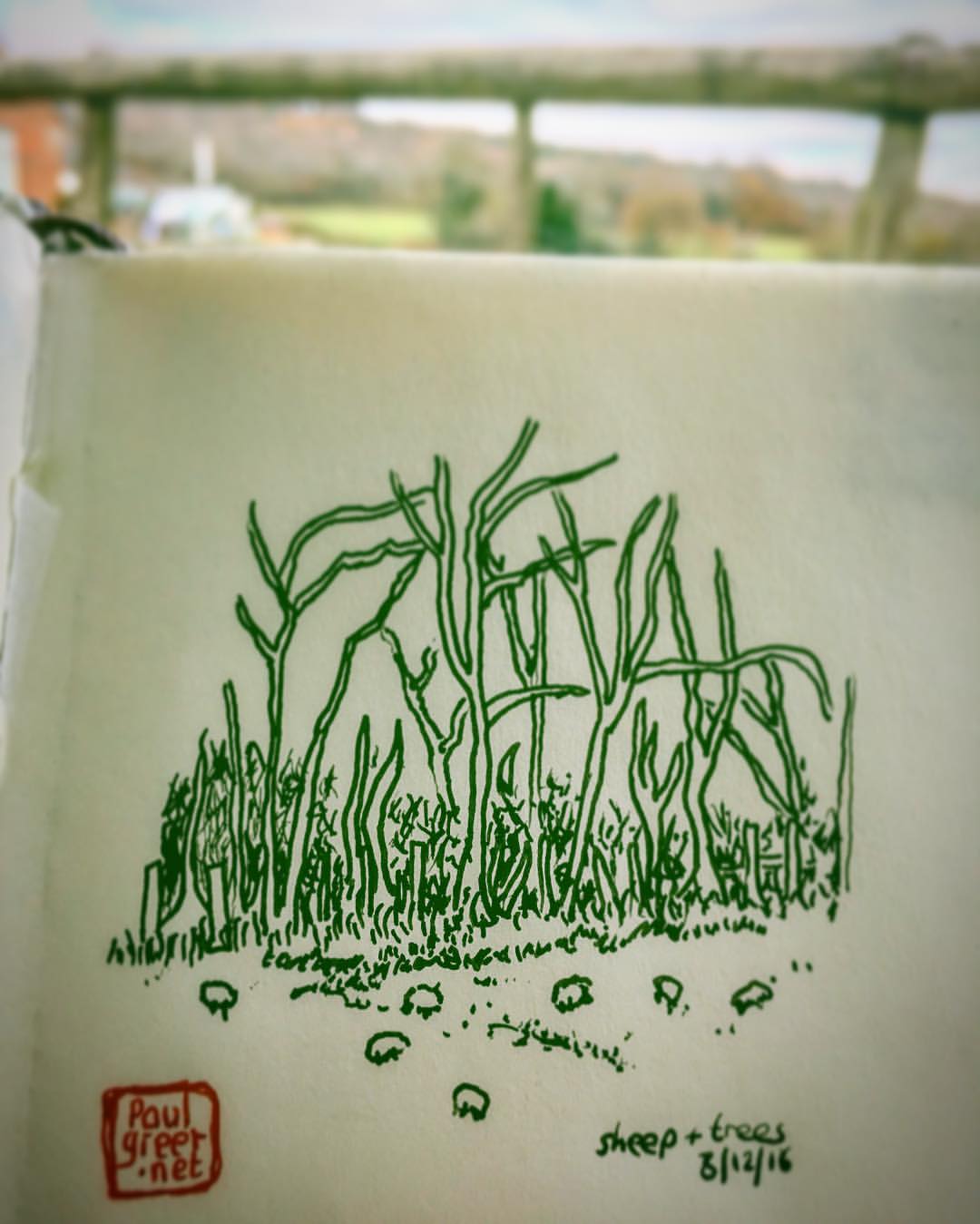
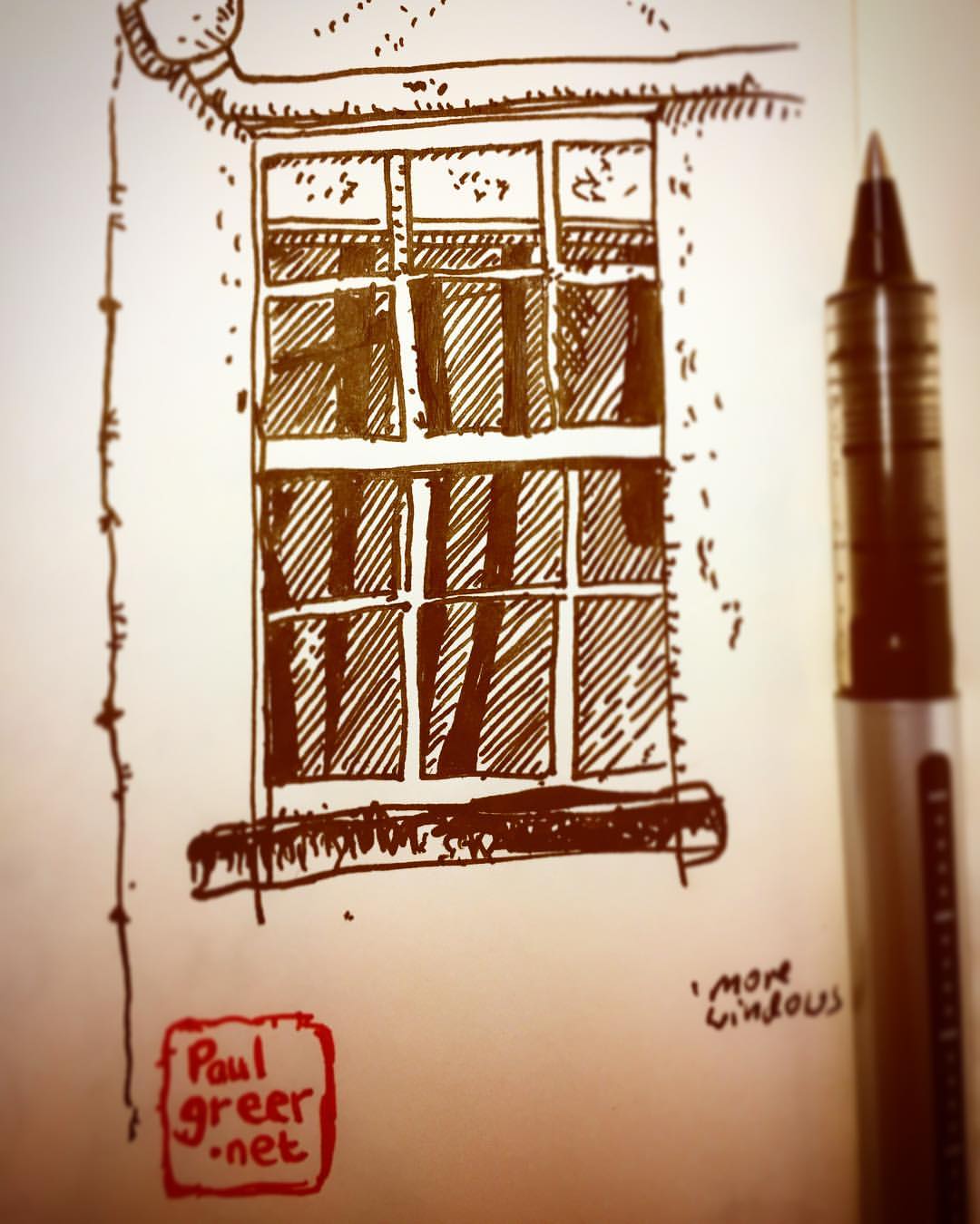
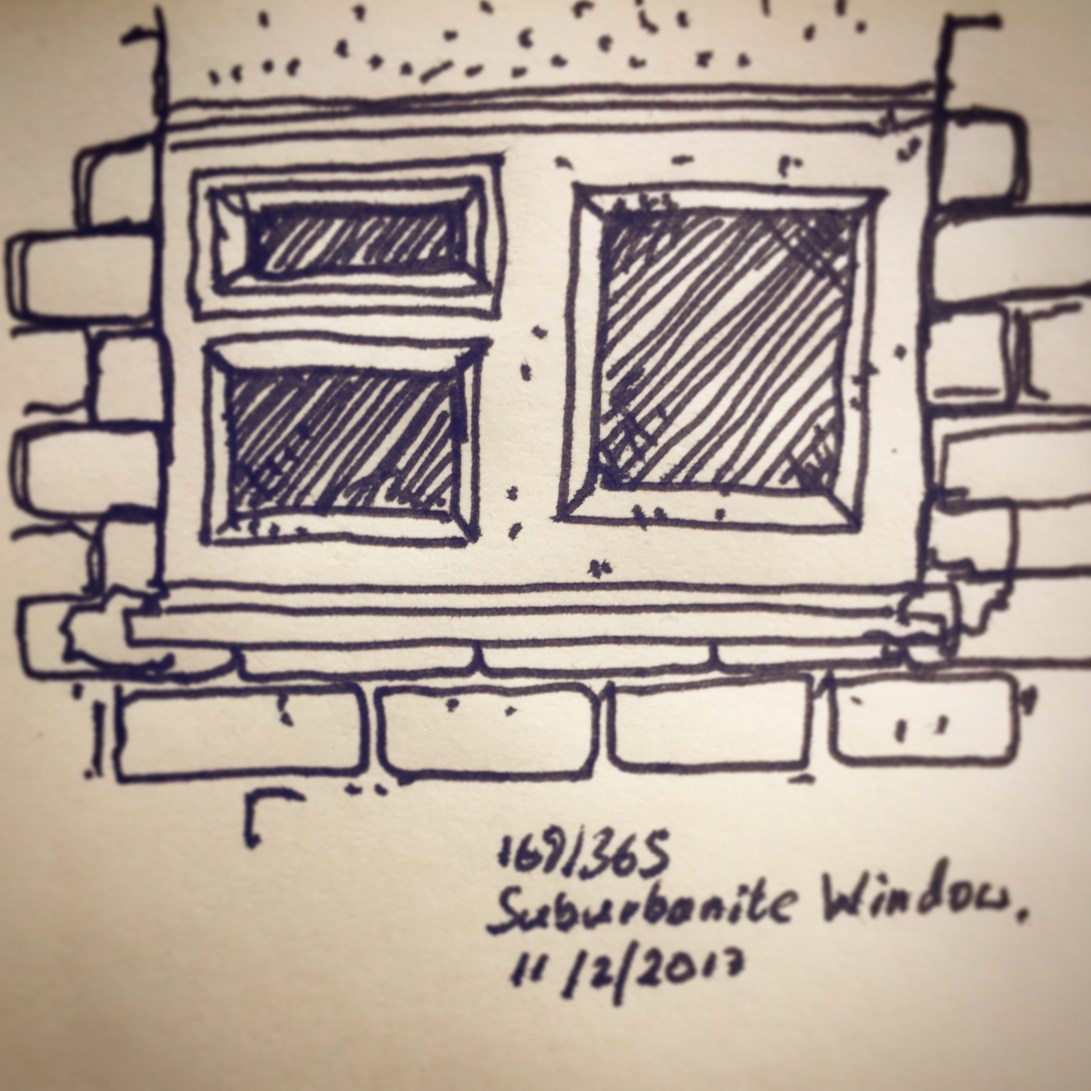
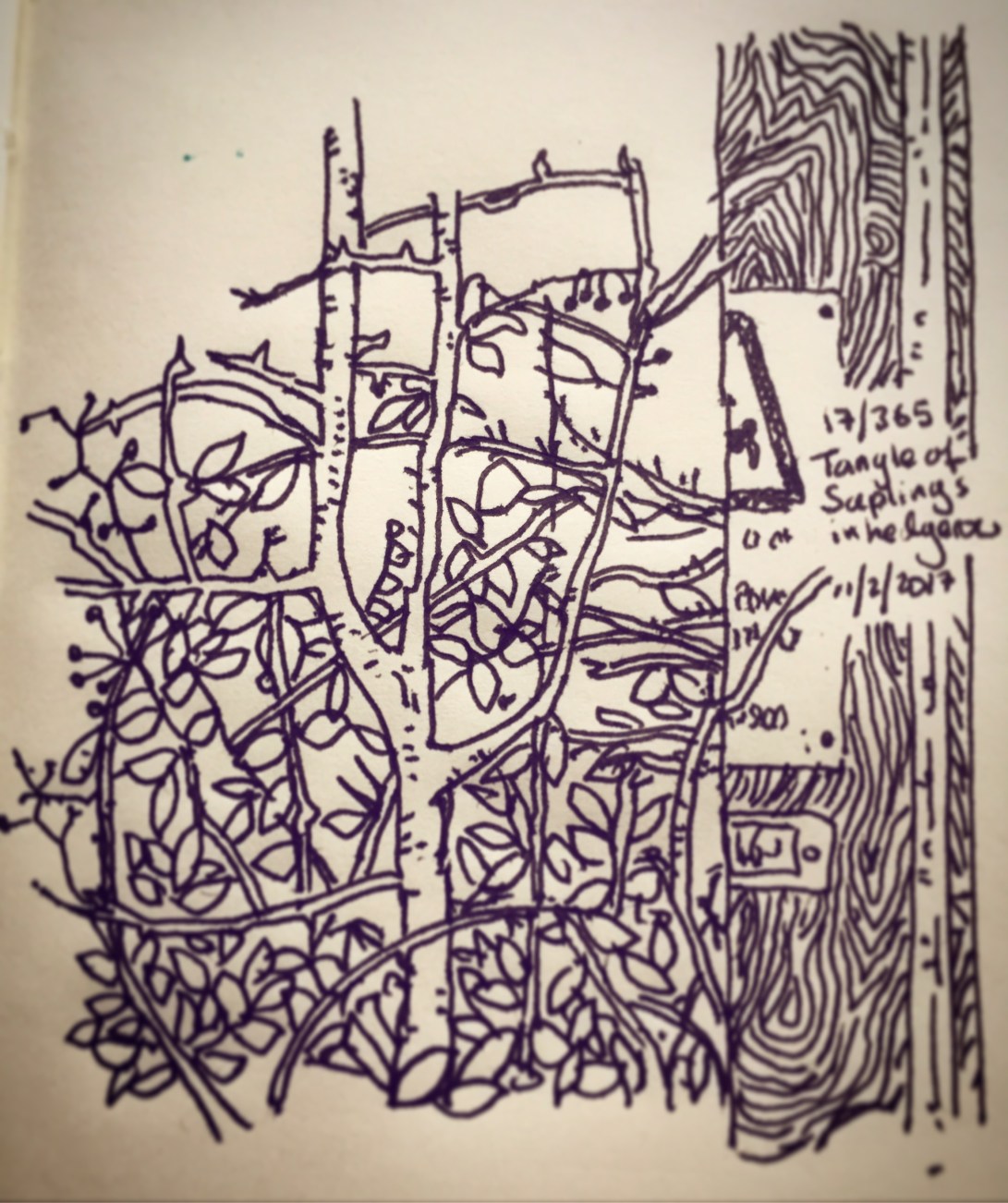
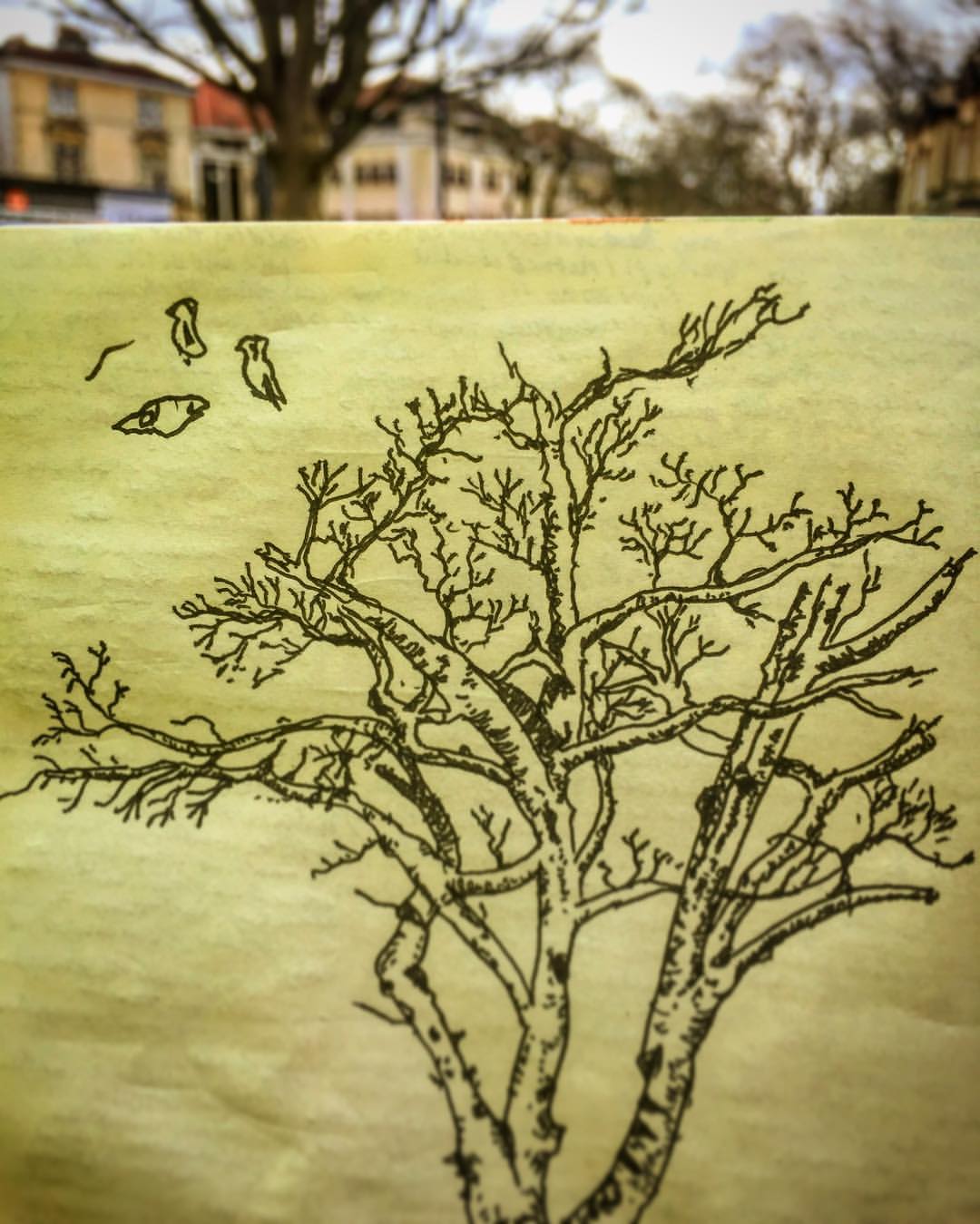
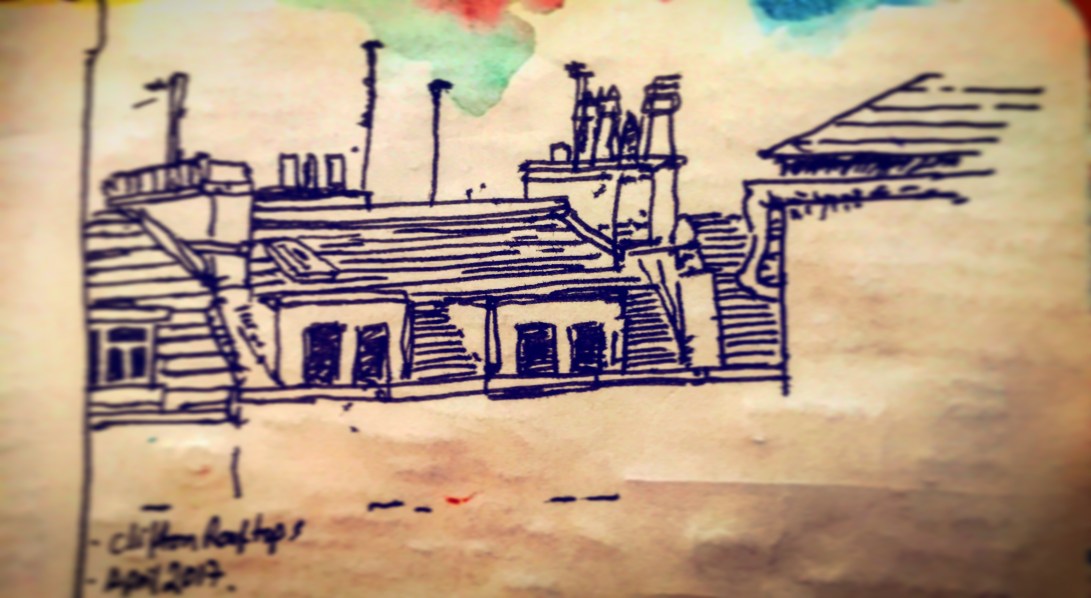

This year I will be participating in the Bristol SouthBank Arts Trail, taking place from the 13th – 14th May 1017. I’ll be sharing a venue with Orla Handley and The Secret Stuff Laboratory.
You can see a full list of artists on the trail here.
Hopefully see you there.
(image by Paul from Plaster)
Just remembering this genius from Candy Guard.
 Paul Greer
