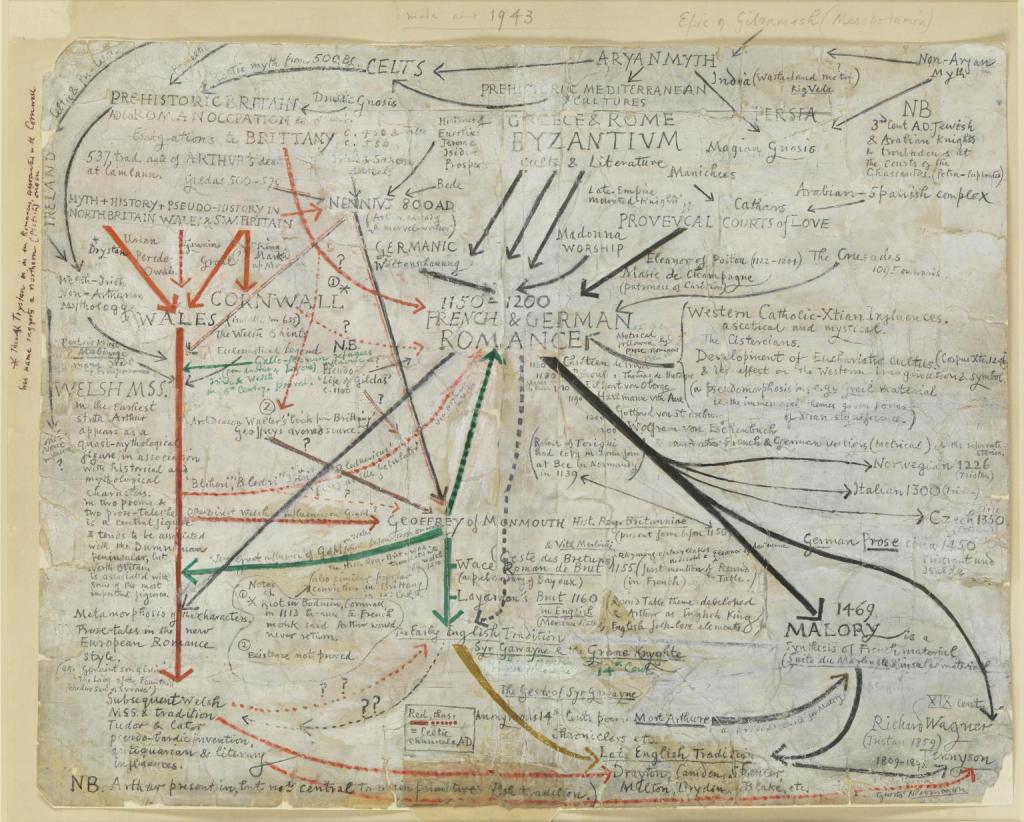
via ayjay
More in #MindMaps:
A final goodbye to the old place, our work home for the last 18 years.
On to new adventures.
🎉 👋 ♥️

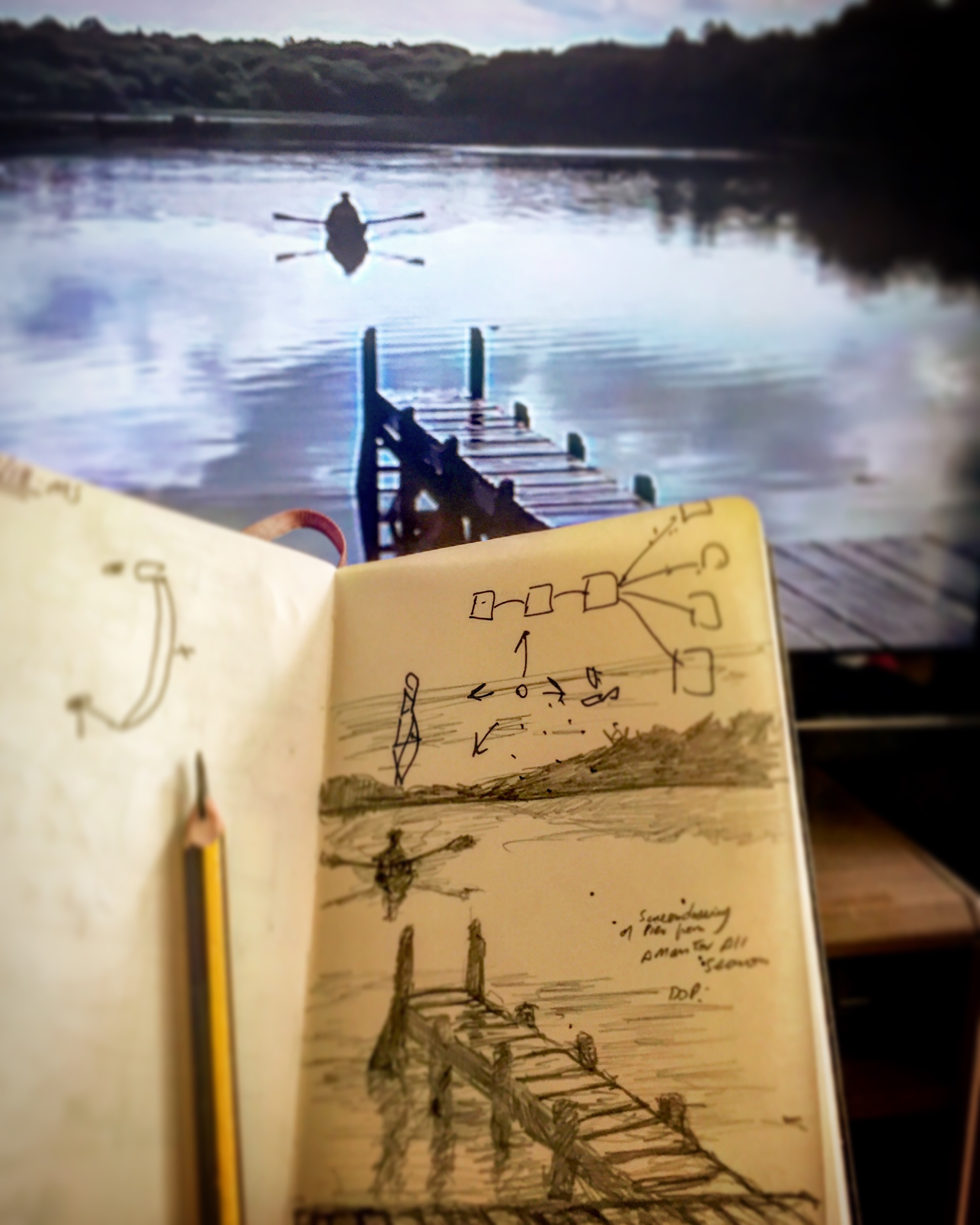
Play by Robert Bolt.
Cinematographer by Ted Moore.
Pencil
Notebook: Beto
🎞
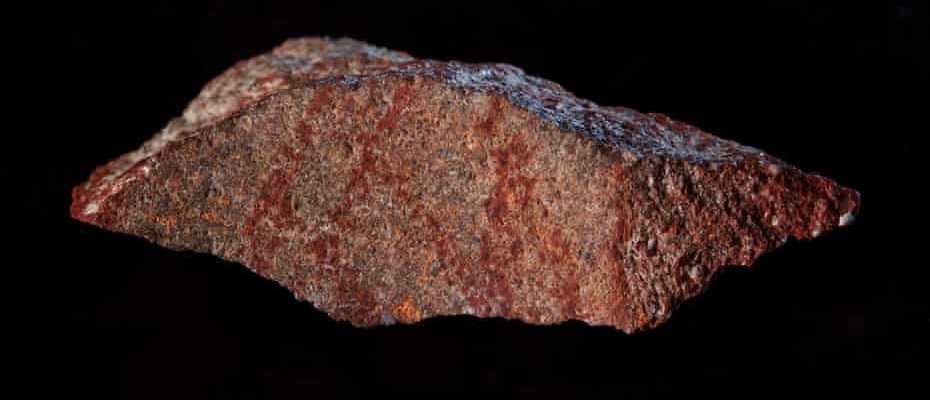
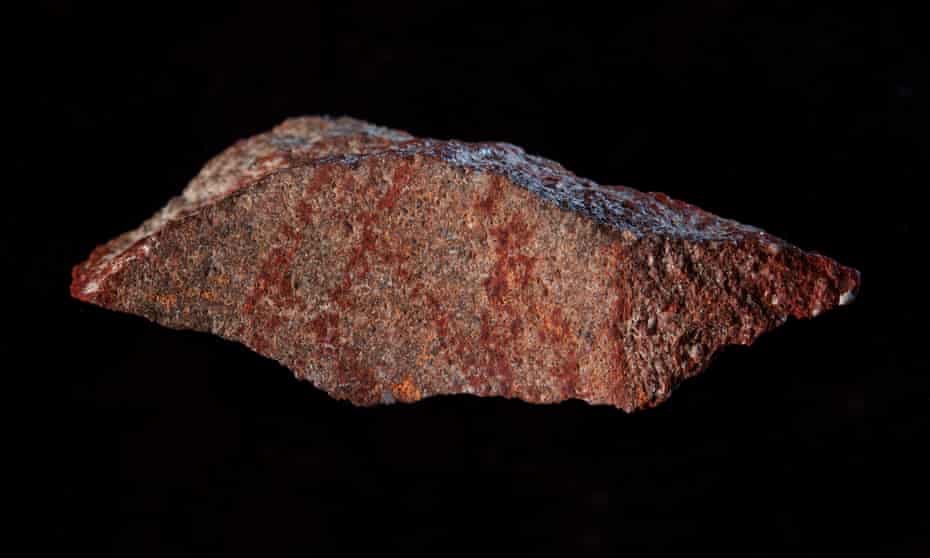
“Archaeologists found the marked stone fragment as they sifted through spear points and other material excavated at Blombos cave in South Africa. It has taken seven years of tests to conclude that a human made the lines with an ochre crayon 73,000 years ago.
“The simple red marks adorn a flake the size of two thumbnails which appears to have broken off a grindstone cobble used to turn lumps of ochre into paint powder. The lines end so abruptly at the fragment’s edges that researchers believe the cross-hatches were originally part of a larger design drawn on the cobble.
“This is first known drawing in human history,” said Francesco d’Errico, a researcher on the team at the University of Bordeaux. “What does it mean? I don’t know. What I do know is that what can look very abstract to us could mean something to the people in the traditional society who produced it.”
— guardian
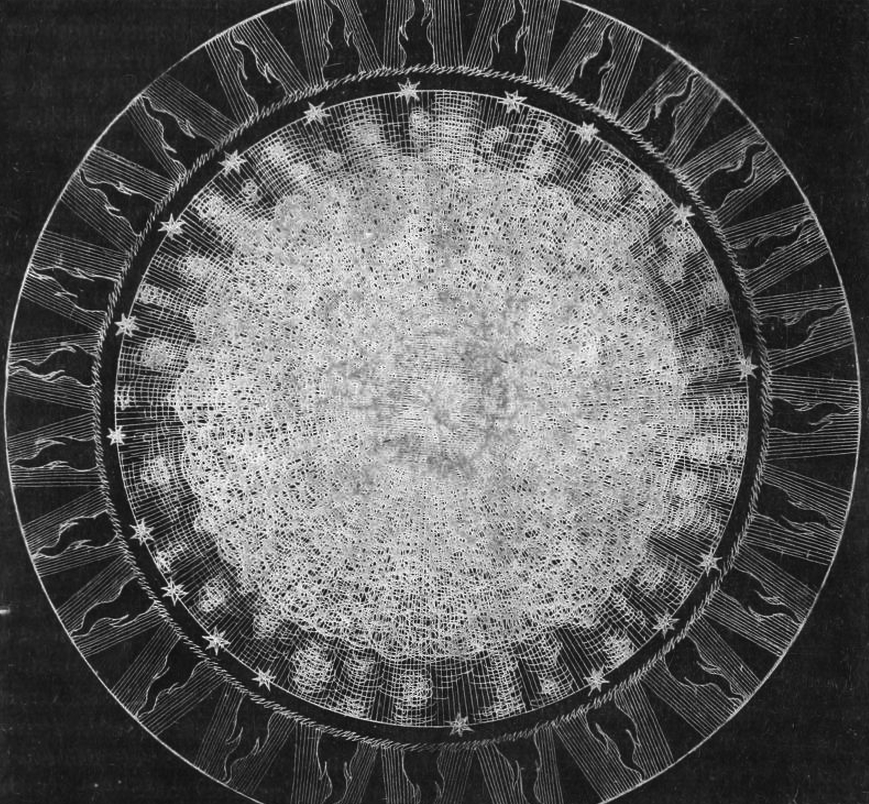
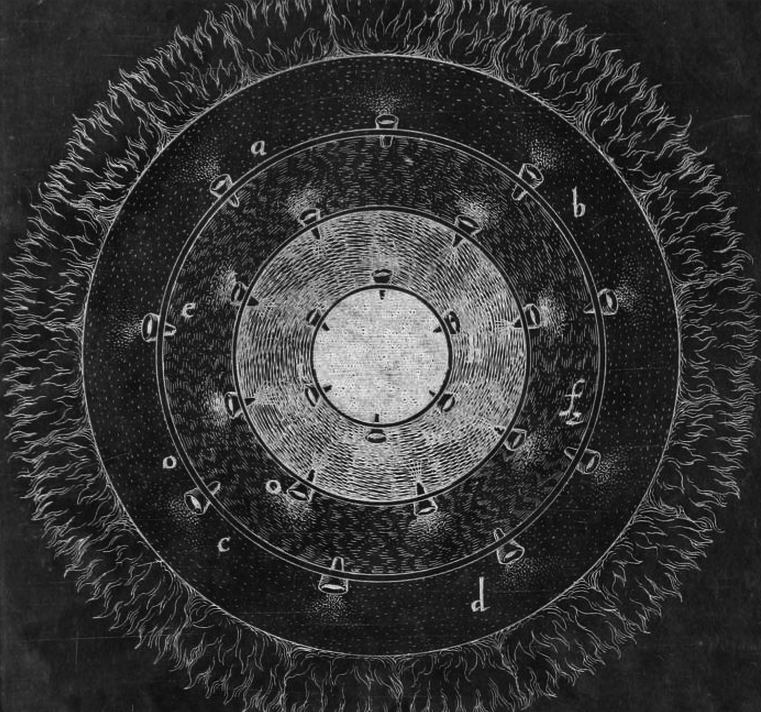

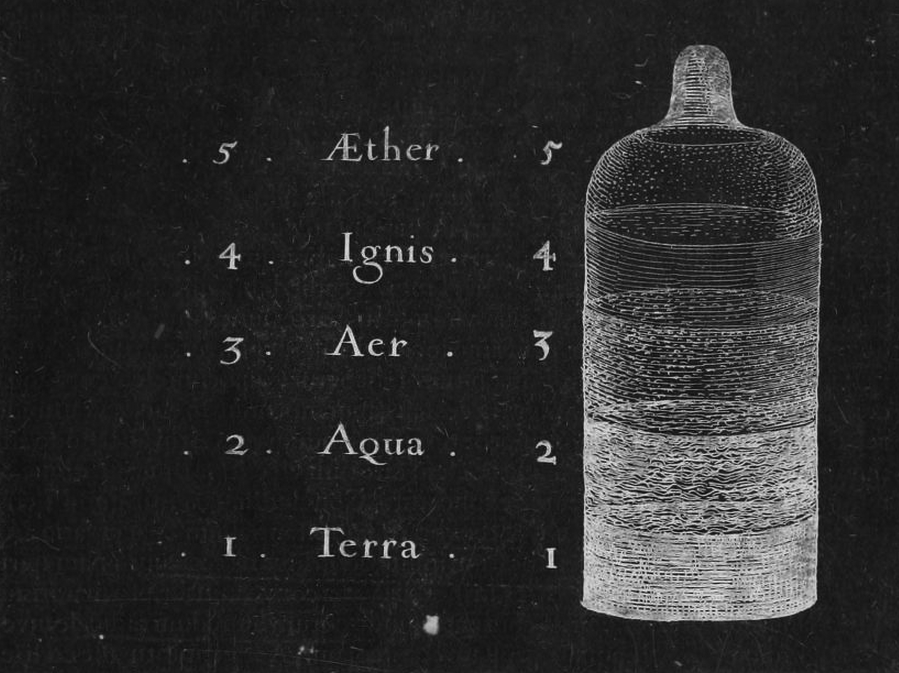
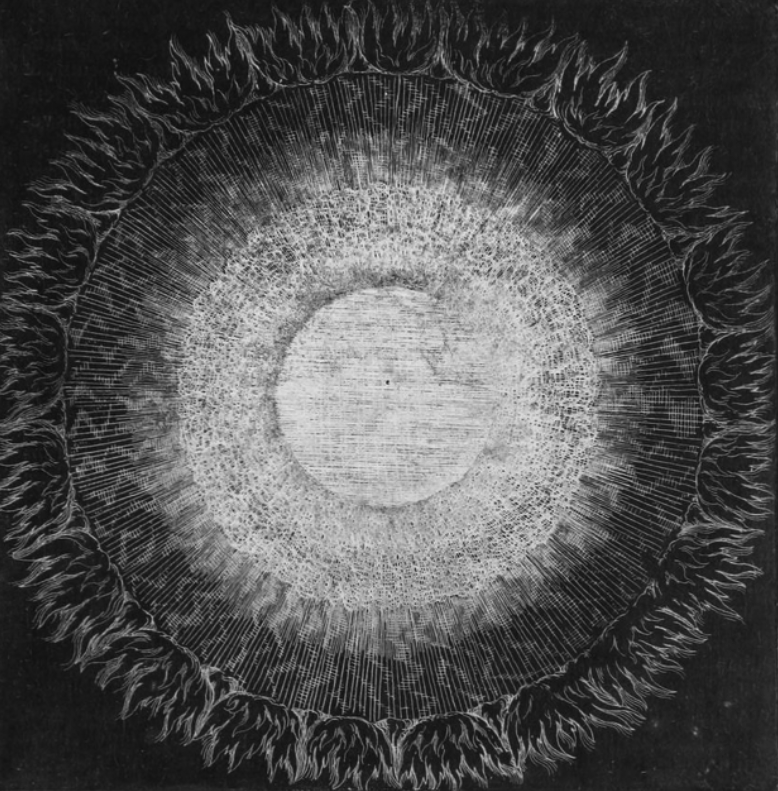
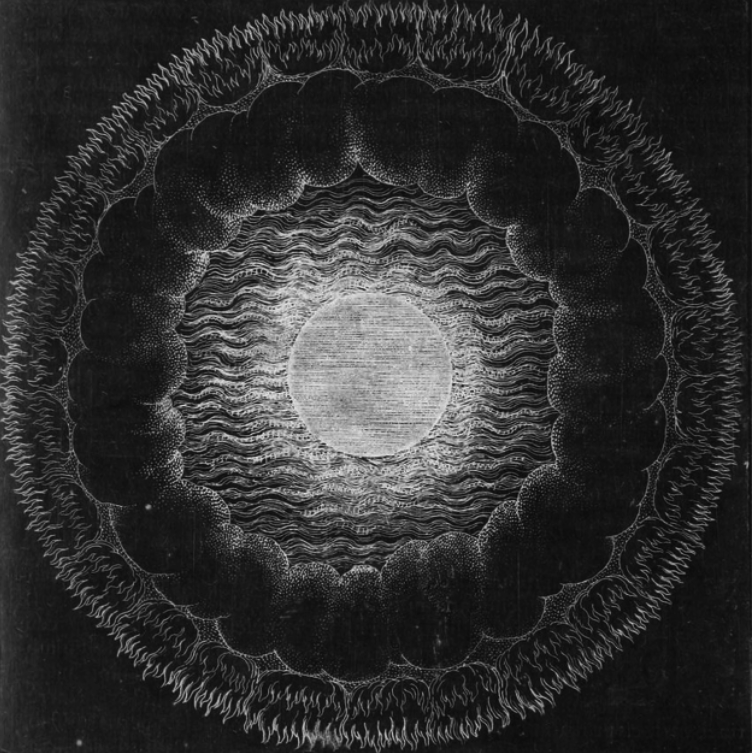
via bloodmilk
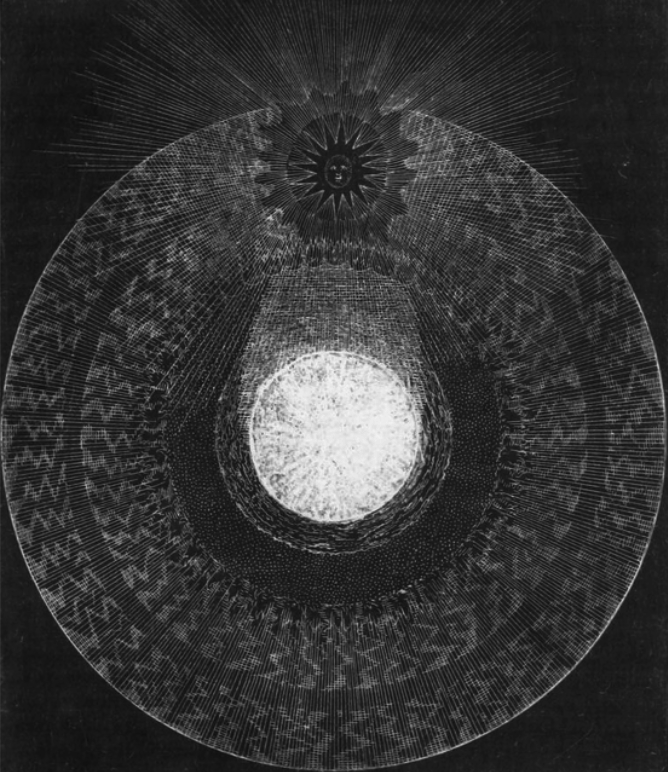
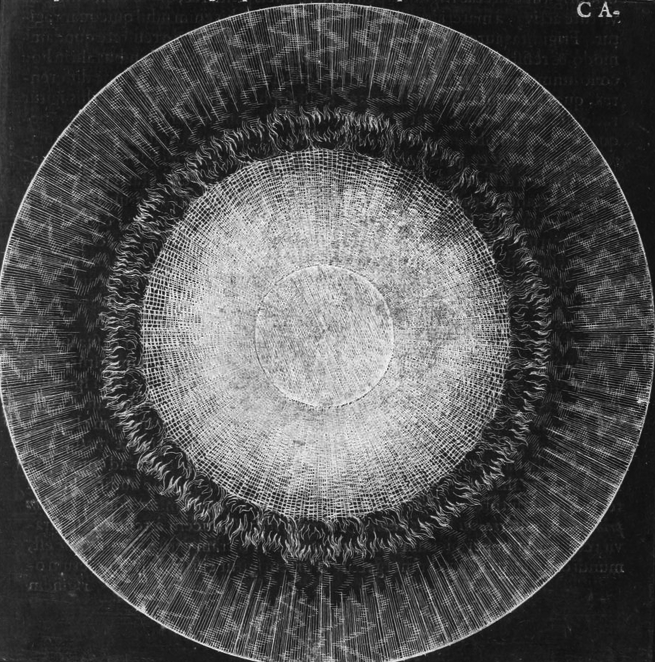
“Robert Fludd was a respected English physician (of Welsh origins) employed at the court of King James I of England. He was a prolific writer of vast, multi-volume encyclopaedias in which he discussed a universal range of topics from magical practices such as alchemy, astrology, kabbalism and fortune-telling, to radical theological thinking concerning the inter-relation of God with the natural and human worlds. However, he also proudly displayed his grasp of practical knowledge, such as mechanics, architecture, military fortifications, armaments, military manoeuvres, hydrology, musical theory and musical instruments, mathematics, geometry, optics and the art of drawing, as well as chemistry and medicine. Fludd used the common metaphor for the arts as being the “ape of Nature,” a microcosmic form of the manner in which the universe itself functioned.
“Fludd’s most famous work is the History of the Two Worlds (Utriusque Cosmi … Historia, 1617-21) published in five volumes by Theodore de Bry in Oppenheim. The two worlds under discussion are those of the Microcosm of human life on earth and the Macrocosm of the universe (which included the spiritual realm of the Divine).”
“Orphanages are dense and harmonious living spaces housing hundreds of children under same roof simultaneously. Abandoned Jewish Orphanage Building in Ortaköy (OHR-tah-keuy) Istanbul (also known as El Orfelinato) has been home for thousand lives during its century old history. It holds the memory of the past in worn stairs and layers of paint.
“El Orfelinato means ‘The Orphanage’ in Spanish. The name has been used by Sephardi Jews (Jews from Spain) community in Istanbul for decades. Sephardi Jews have a 500 year history in Istanbul since they were forced to migrate with mass conversions and executions by Catholic Monarchs in Iberia in 15th century.
“oddviz sheds light upon the visual and spatial memory of El Orfelinato, documenting it as it is with photogrammetry and presenting it in doll house view.”

Dad came to visit this weekend and showed us this rare and until recently unseen footage of himself and the team practising at the long gone White City Stadium in (we think) spring 1977.
Grandad Greer is on there too.
 Paul Greer