“Since childhood, I’ve been faithful to monsters. I have been saved and absolved by them, because monsters, I believe, are patron saints of our blissful imperfection, and they allow and embody the possibility of failing”
via Jess Fink
“Since childhood, I’ve been faithful to monsters. I have been saved and absolved by them, because monsters, I believe, are patron saints of our blissful imperfection, and they allow and embody the possibility of failing”
via Jess Fink

“These wonderful images featured here are from a Japanese painted scroll known as the Bakemono zukushi. The artist and date is unknown, though its thought to hail from the Edo-period, sometime from the 18th or 19th century. Across it’s length are depicted a ghoulish array of “yokai” from Japanese folklore. In his The Book of Yokai, Michael Dylan Foster describes a yokai as:
‘a weird or mysterious creature, a monster or fantastic being, a spirit or a sprite … creatures of the borderlands, living on the edge of town, or in the mountains between villages, or in the eddies of a river running between two rice fields. They often appear at twilight, that gray time when the familiar seems strange and faces become indistinguishable. They haunt bridges and tunnels, entranceways and thresholds. They lurk at crossroads.’“

“The class of yokai characterised by an ability to shapeshift, and that featured in this scroll, is the bakemono (or obake), a word literally meaning “changing thing” or “thing that changes”. The founding father of minzokugaku (Japanese folklore studies), Yanagita Kuno (1875–1962), drew a distinction between yurei (ghosts) and bakemono: the former haunt people and are associated with the depth of night, whereas the latter haunt places and are seen by the dim light of dusk or dawn.”

“Amongst the bakemono monsters depicted in the scroll is the rokurokubi (ろくろくび), a long-necked woman whose name literally means “pulley neck”. Whether shown with a completely detachable head (more common in Chinese versions), or with head upon the end of a long threadlike neck as shown here, the head of the rokurokubi has the ability to fly about independently of the body. In his 1904 collection Kwaidan, Lafcadio Hearn provides the first extended discussion of this yokai in English, telling of a samurai-turned-travelling-priest who finds himself staying the night in a household of rokurokubi intent on eating their guest.”

more at Public Domain Review

“This massive book features a thousand images, and it was not easy to select only twenty-five. Graphic design titans like Jan Tschichold, George Salter, Herbert Bayer, and Herbert Matter rub shoulders with Hans Bellmer, John Heartfield, Hanna Hoch, and a gaggle of Expressionists and Dadaists. It’s an overwhelming visual feast summed up by new favorite German word “Blickfang”: “eye catcher.””
More at 50watts
Recorded this film off the telly on ye olde VHS when I was a child, and it was one of the films, (along with the Terror of Mechagodzilla)that I watched over and over again. Bela plays Ygor, who’s neck was broken in the Noose at the end of “Bride”. I remember the sound it made when he tapped it, to let you know it was actually broken and he was actually still alive.
Images courtesy of Obscure Hollow.
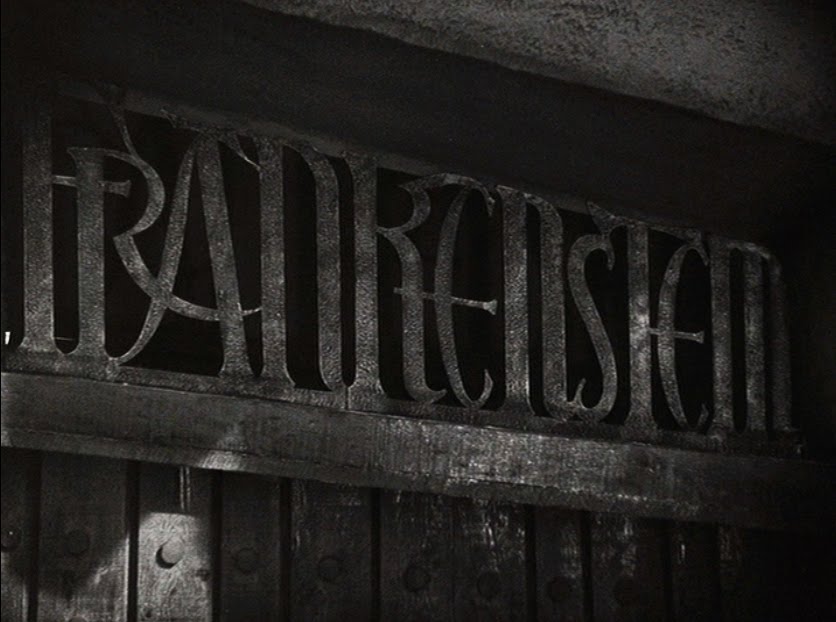
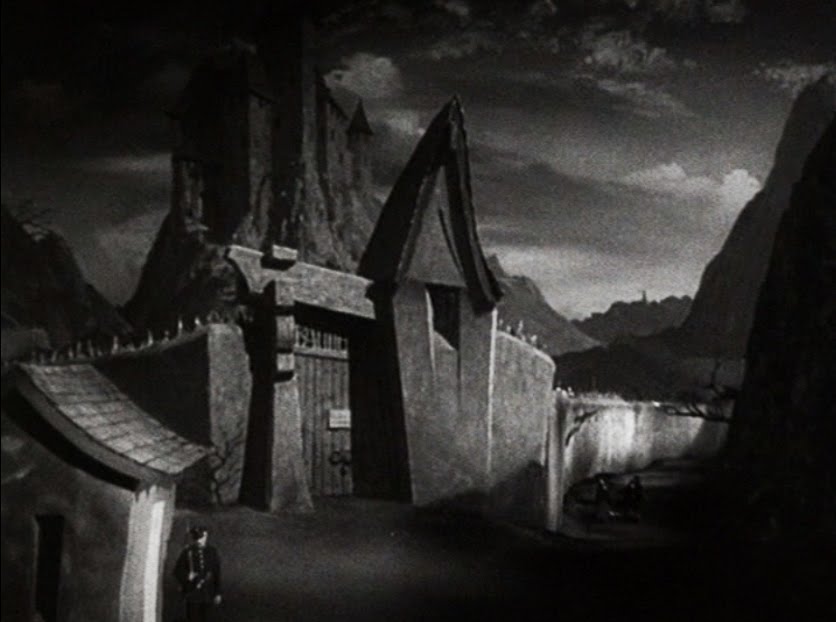
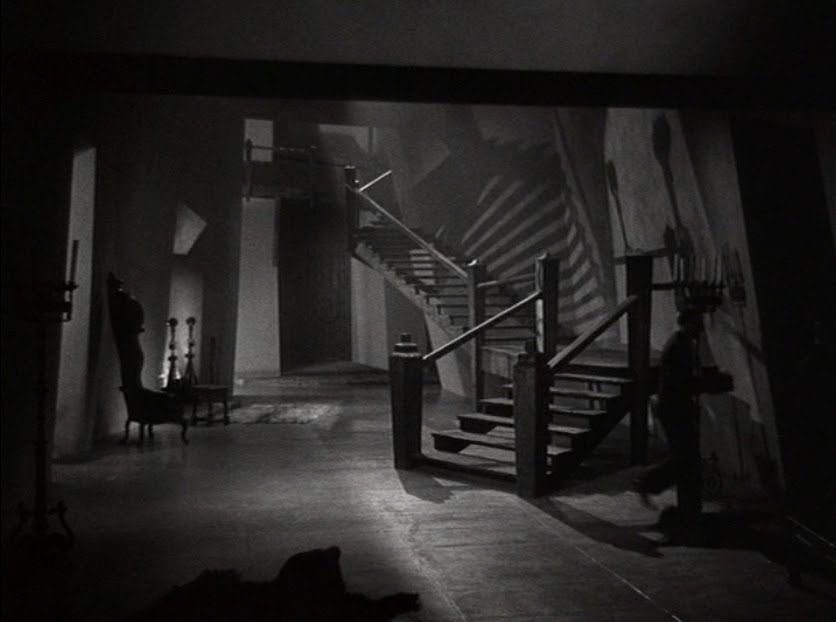
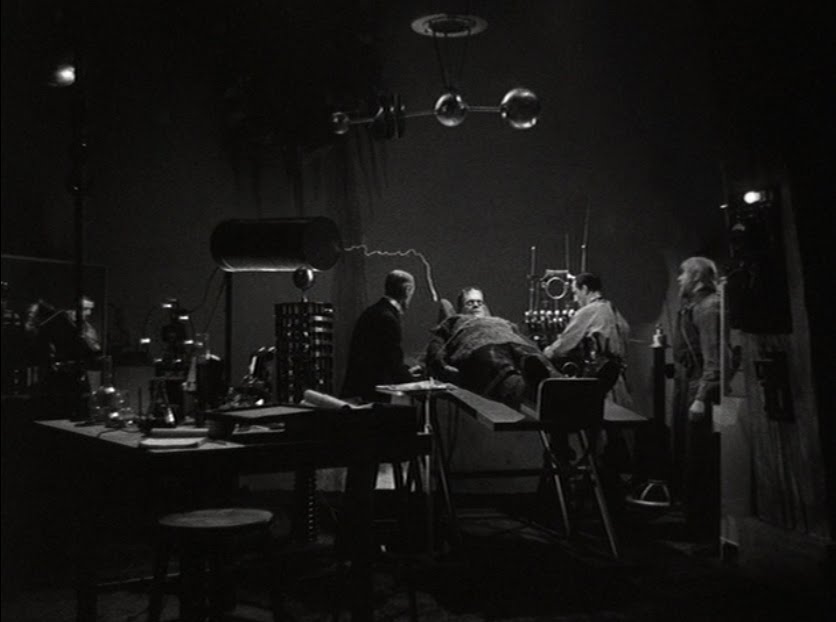
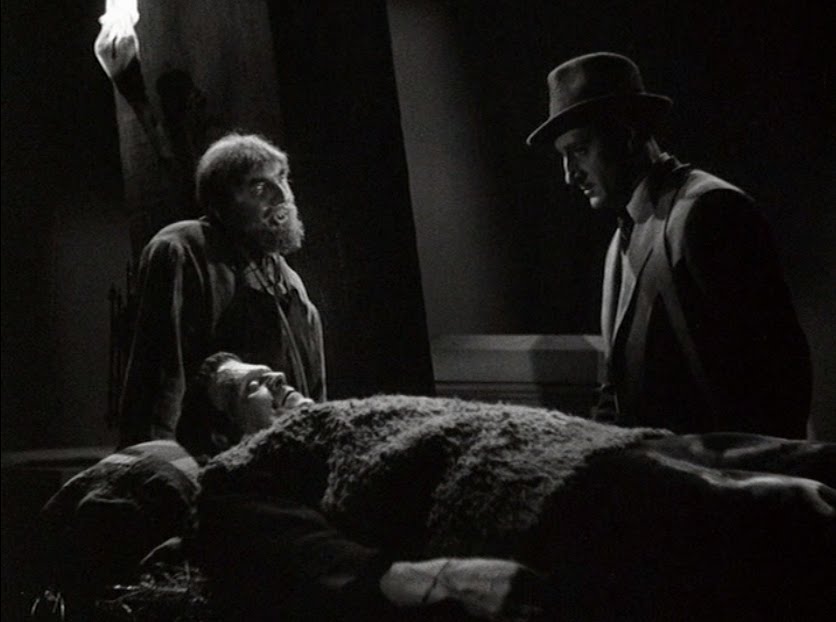
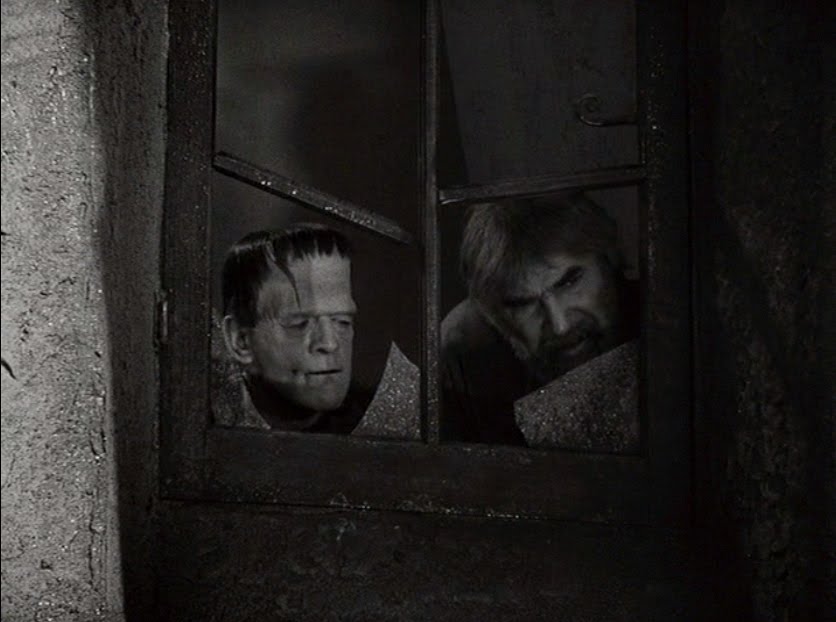
See more great stills from this film here.
![[dragons]](https://78.media.tumblr.com/ZS10409bwmolxrjj82McK74fo1_540.jpg)
 Paul Greer