music
/ˈmjuːzɪk/
noun
1. vocal or instrumental sounds (or both) combined in such a way as to produce beauty of form, harmony, and expression of emotion.
“couples were dancing to the music”
synonyms: notes, strains, tones, chords, sound; More
2. the written or printed signs representing vocal or instrumental sound.
“Tony learned to read music”
“Everything” by Micachu and the Shapes with the London Sinfonietta (2011)
Let’s Get Out Of Here
- End Credits by Chase & Status, Plan B
- Fall In Love With Me by Iggy Pop
- Paradise Circus by Massive Attack
- New Values by Iggy Pop
- Joppa Road by Ween
- New Big Prinz by The Fall
- Kicking The Lights by Girls Against Boys
- Can’t Stop Now by Major Lazer, Mr. Vegas, Jovi Rockwell
- Baby I’m A Fool by Melody Gardot
- Golden Phone by Micachu & The Shapes
- To Bring You My Love by PJ Harvey
- I Need Somebody – Iggy Pop Mix by The Stooges
- Black Swan by Thom Yorke
- Rill Rill by Sleigh Bells
- Blue Yodel No. 9 by Jimmy Rodgers
“Firestarter” is the “My Ding-a-ling” of Rave. (2/182)
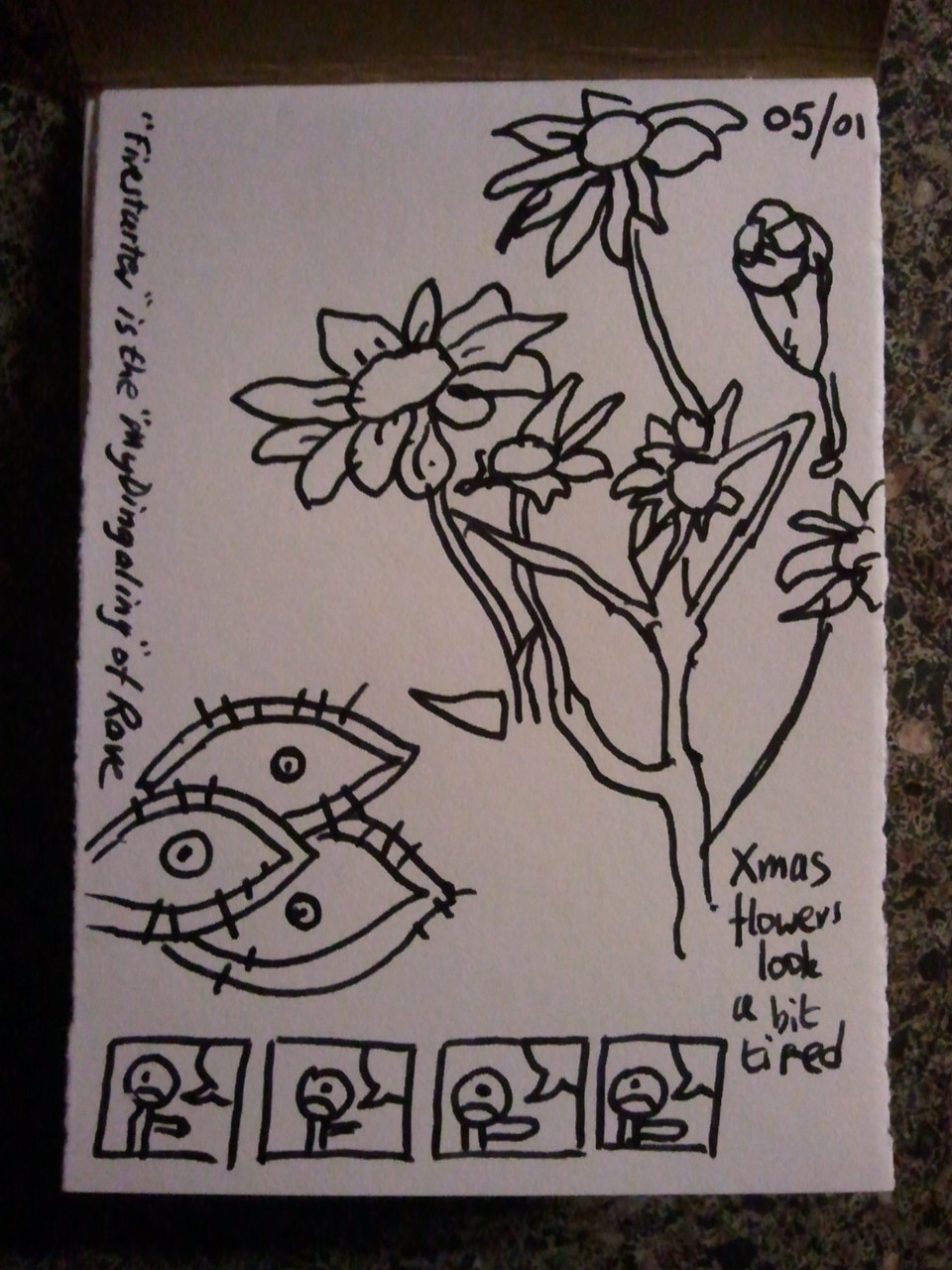
Chansons d’Amour : (Thott 291 8º ) : 37 verso

‘This Chansonnier, named by Knud Jeppesen as the perhaps most interesting and valuable medieval music handwriting in the Royal Library, occupies a special position among the relatively few manuscripts that surrender the French-Burgundian Chansons repertoire from the late 1400s. The script contains text and nodes for 33 three-star songs. A song – “Iactens secours” – was added in the 16th century. In conclusion, there are a number of “modulation exercises.”‘
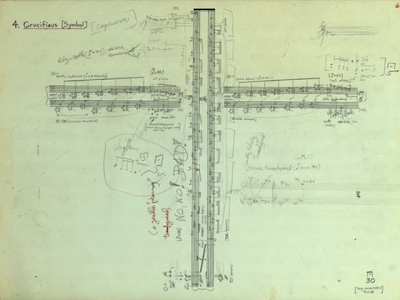
GEORGE CRUMB MAKROKOSMOS I & II: SCORES (2004)
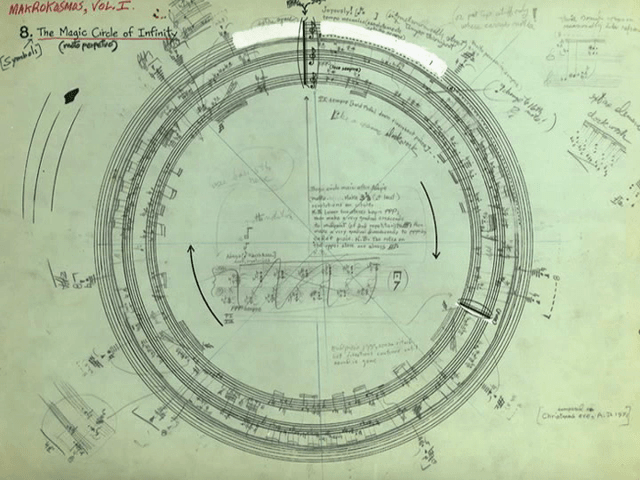
“Notation naturally underwent the same ruptures that its signified did throughout the 20th century, not only in the attempt to find technically suitable illustrations for unprecedented forms of sonic expression, but also, as it was often the case, as a deliberate attack on the conventions of the graphic representation of sound. In the process, scores became increasingly idiosyncratic, more conscious about their arbitrary (i.e. semiotic) nature, and concomitantly assumed the status of art objects in themselves.”
— Eye Of Sound

 Paul Greer