Dostoevsky: the drawing as writing


dost

 “Indeed, Dostoevsky was not content to “write” and “take notes” in the process of creative thinking, he moved in the space and time of the particular artistic universe of his notebook, where the meaning and significance of words interact reciprocally with other meanings expressed through visual images, a method of work specific to the writer.”

from Dostoevsky: the drawing as writing by Konstantin Barsht


dost

represent that key moment when the accumulated proto-novel crystallized into a text. Like many of us, Dostoevsky doodled hardest when the words came slowest.” Some of Dostoevsky’s character descriptions, argues scholar Konstantin Barsht, “are actually the descriptions of doodled portraits he kept reworking until they were right.”

Konstantin Barsht


dost

More in “manuscript“:

Margaret Macdonald, “The White Rose and the Red Rose”, 1902

“She exhibited with Mackintosh at the 1900 Vienna Secession, where she was an influence on the Secessionists Gustav Klimt and Josef Hoffmann. They continued to be popular in the Viennese art scene, both exhibiting at the Viennese International Art Exhibit in 1909.”


“Mackintosh did not keep sketchbooks, which reflects her reliance on imagination rather than on nature. A few sources provided significant inspiration for her works, including the Bible, the Odyssey, poems by Morris and Rossetti, and the works of Maurice Maeterlinck. Her works, along with those works of her often collaborating sister, defied her contemporaries’ conceptions of art. Gleeson White wrote, “With a delightfully innocent air these two sisters disclaim any attempt to acknowledge that Egyptian decoration has interested them specially. ‘We have no basis.’ Nor do they advance any theory.” The beginning of her artistic career reflects broad strokes of experimentation. Largely drawing from her imagination, she reinterpreted traditional themes, allegories, and symbols in inventive ways. For instance, immediately following the 1896 opening of her Glasgow studio with her sister, she transformed broad ideas such as “Time” and “Summer” into highly stylized human forms. Many of her works incorporate muted natural tones, elongated nude human forms, and a subtle interplay between geometric and natural motifs. Above all, her designs demonstrated a type of originality that distinguishes her from other artists of her time.”

Wiki

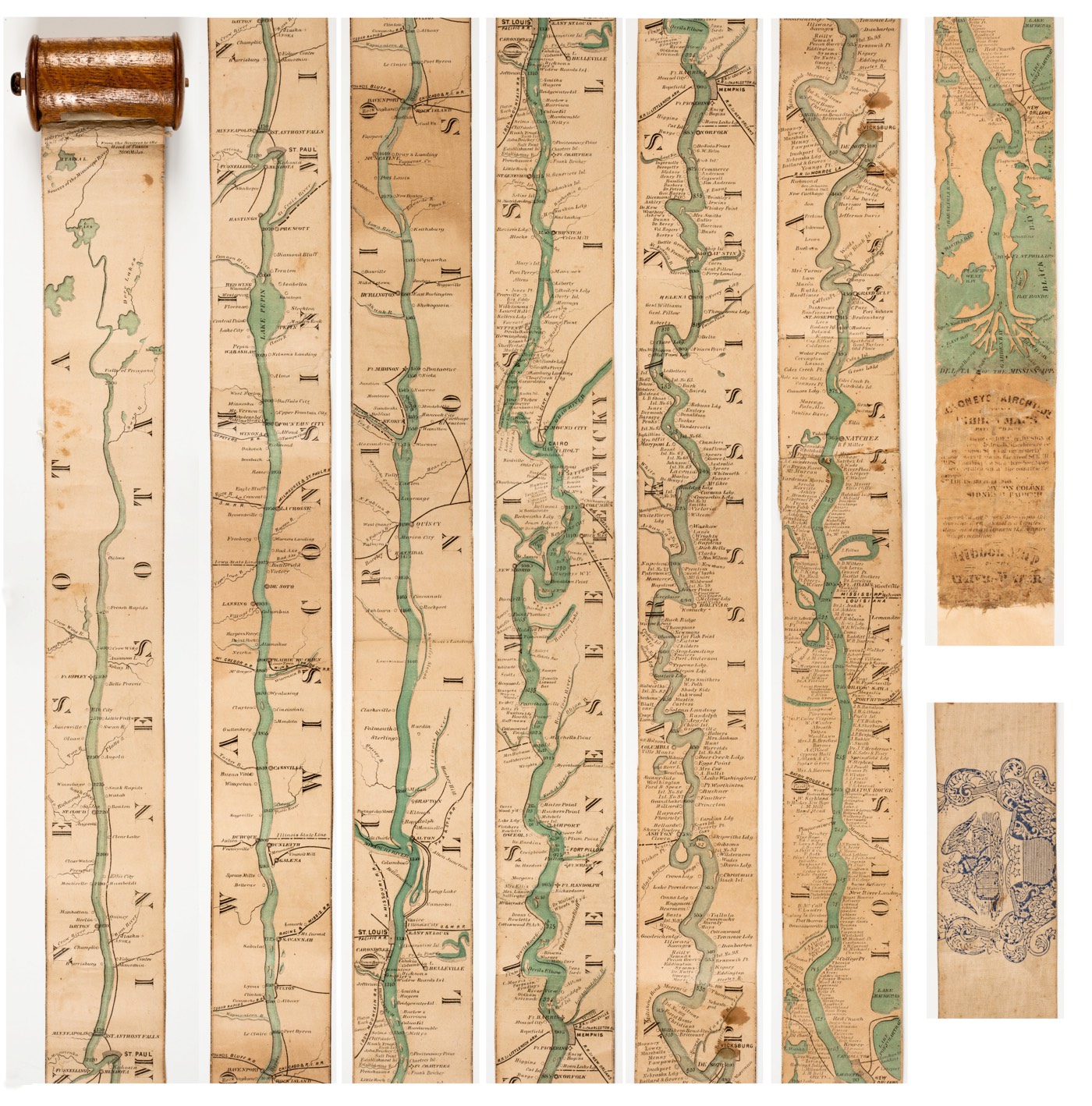
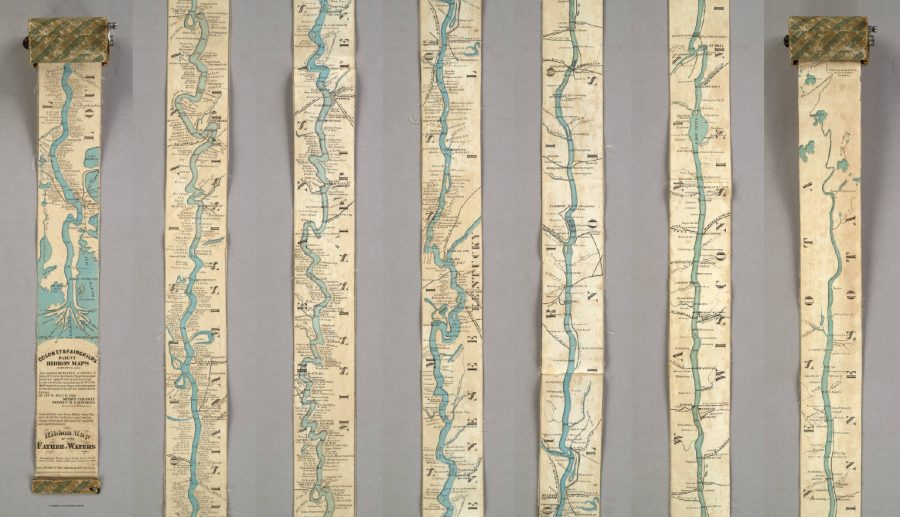
A Mississippi Roll: Coloney & Fairchild’s Ribbon Map of the Father of Waters (1866)

found via Kottke

“Coloney and Fairchild’s patented apparatus required that the single sheet be cut into strips, attached end-to-end, mounted on linen, and then rolled inside a wooden, metal, or paper spool (fig. 4). The resulting portability of the map was crucial because, as advertisements indicated, it was intended for business travelers, steamboat navigators, and tourists. Of this form, the Newberry Library and the Minnesota Historical Society Library hold what seems to be a first edition, while nearly a dozen archives around the U.S. hold an updated second version. With the addition of hundreds of towns, mile markers, islands, landings, landowner and plantation names, and significant Civil War locations, the Lower Mississippi appears to be a settled and thriving commercial space.”

Nenette Luarca-Shoaf

Larger versions of the image can be found here.


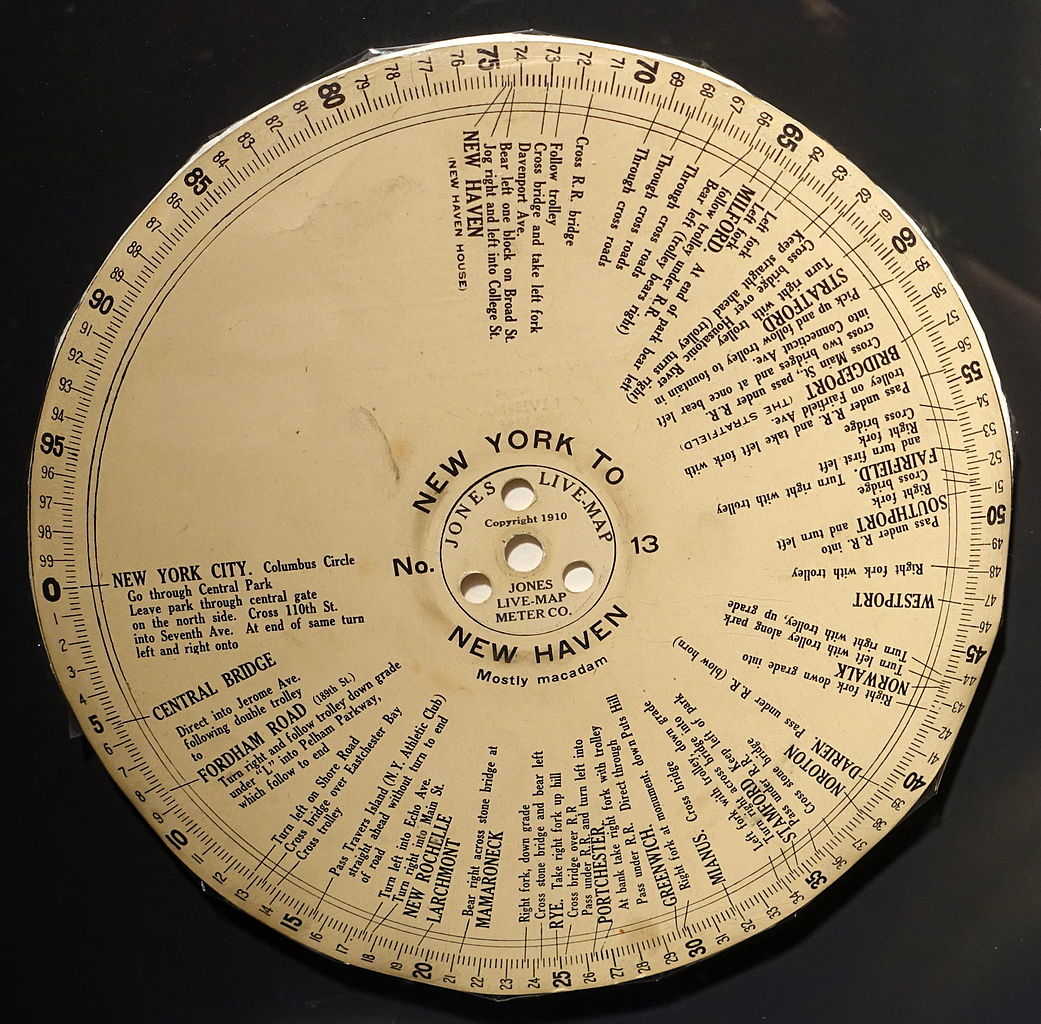
Ernest Jones’ 1909 “Live-Map” navigator


“Under its guidance the most muddling twists, turns and corners melt away behind you,” read the advertisement. “It is better than a Human Guide because it is always doing its work to the exclusion of everything else. … The Jones Live-Map emancipates you from slavery to great, flopping maps and profound route-books that you can’t make head or tail of without stopping.”

more at Futility Closet

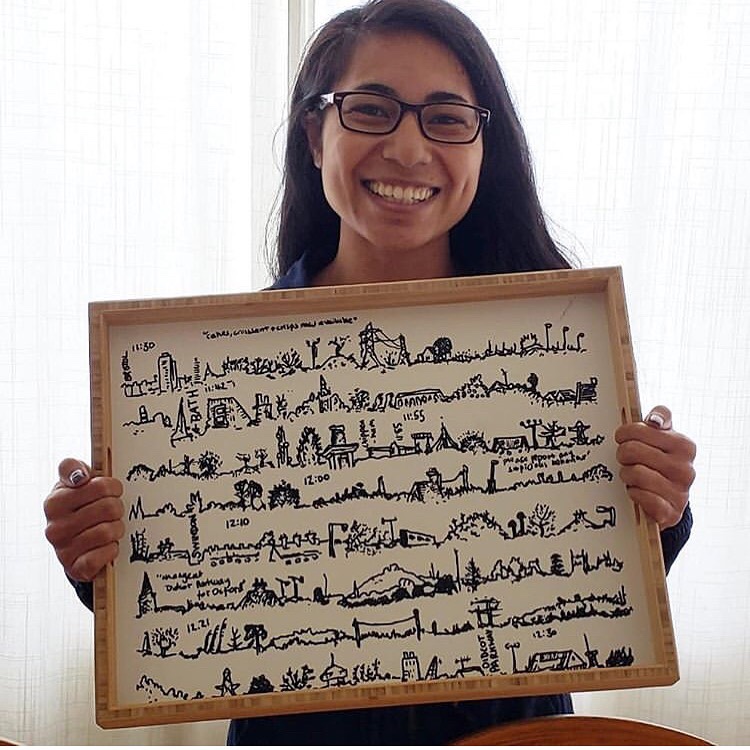
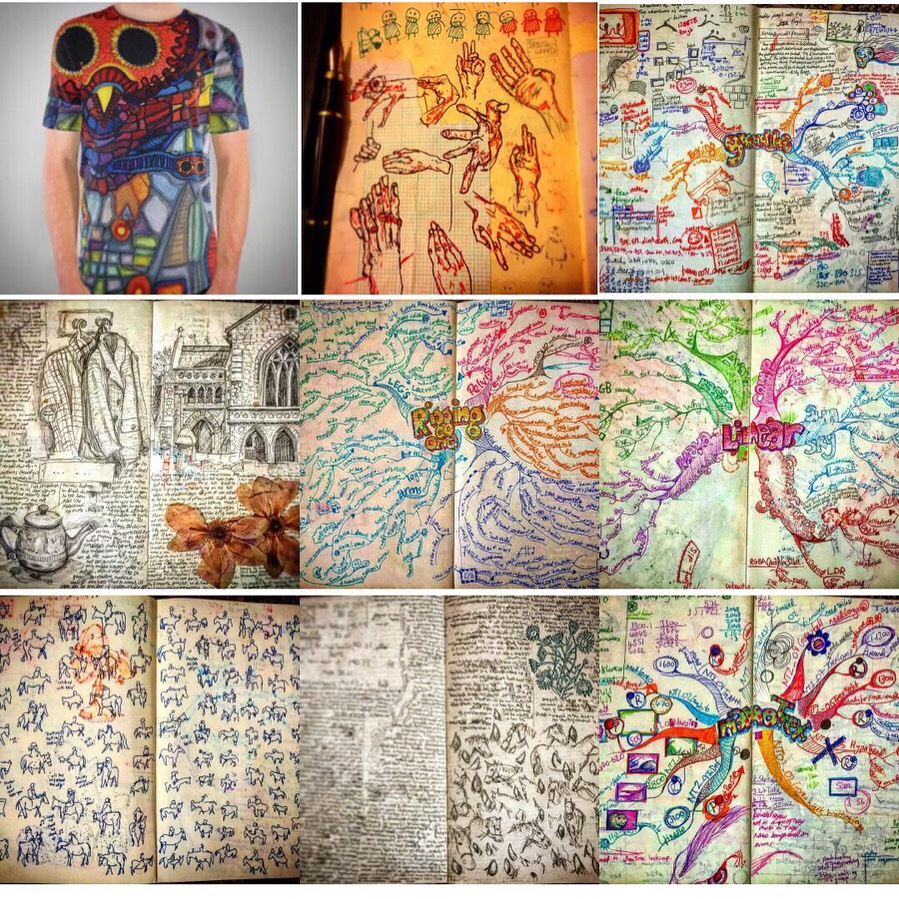
#TopNine2018

Wow, people really liking the notebook pages and the mind maps. Thanks all it’s been a great year, so far.

I’m really going to work hard on making more posts in 2019, so let’s see how that goes.

Thanks all!

🙏❤️ 🕸