Images
F. Scott Fitzgerald’s Handwritten Manuscript for The Great Gatsby

linked fixed 2014
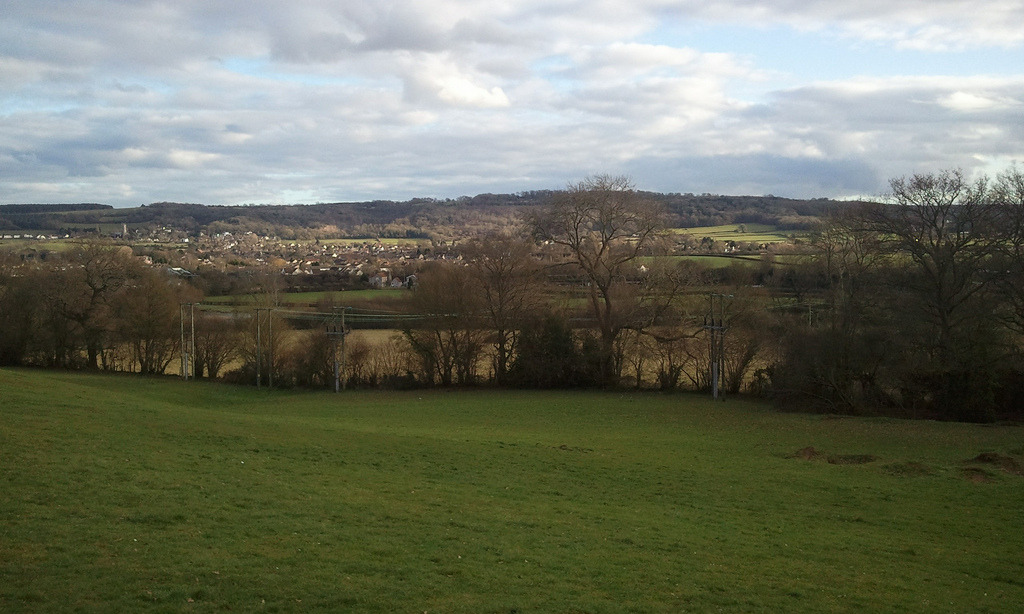
North Somerset
Detailed Cross-section of the Kowloon Walled City by Japanese researchers led by anthropologist Kani Hioraki

“Kowloon Walled City was a largely ungoverned, densely populated settlement in Kowloon City in Hong Kong. Originally a Chinese military fort, the Walled City became an enclave after the New Territories were leased to Britain by China in 1898. Its population increased dramatically following the Japanese occupation of Hong Kong during World War II. By 1990, the Walled City contained 50,000 residents[1][2] within its 2.6-hectare (6.4-acre) borders. From the 1950s to the 1970s, it was controlled by local triads and had high rates of prostitution, gambling and drug abuse.”

“The Kowloon Walled City in Hong Kong was once the most densely populated place on earth. And without a single architect or any oversight whatsoever, the ungoverned hive of interlinking buildings became a haven for drugs, crime and prostitution. This is perhaps why the surreal, M.C. Escher-like structure, where one couldn’t even begin to imagine what life was like, captured the interest of the Japanese.”

(link fixed 2014)
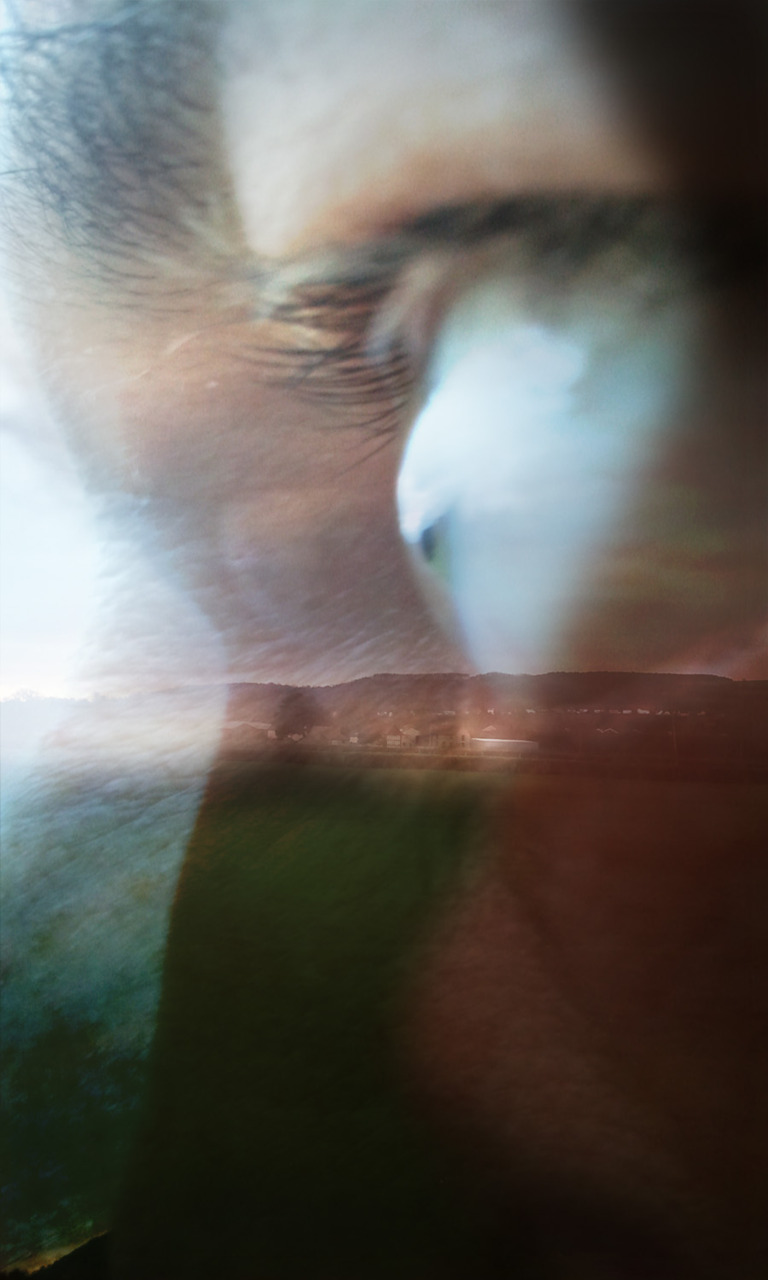
Guest-Directed Self-Portrait #02
Marilyn Monroe’s 1955 New Year’s resolution list,

“Must make effort to do
Must have the dicipline to do the following –z – go to class – my own always – without fail
x – go as often as possible to observe Strassberg’s other private classes
g – never miss actor’s studio sessions
v – work whenever possible – on class assignments – and always keep working on the acting exercises
u – start attending Clurman lectures – also Lee Strassberg’s directors lectures at theater wing – enquire about both
l – keep looking around me – only much more so – observing – but not only myself but others and everything – take things (it) for what they (it’s) are worth
y – must make strong effort to work on current problems and phobias that out of my past has arisen – making much much much more more more more more effort in my analisis. And be there always on time – no excuses for being ever late.
w – if possible – take at least one class at university – in literature –
o – follow RCA thing through.
p – try to find someone to take dancing from – body work (creative)
t – take care of my instrument – personally & bodily (exercise)
try to enjoy myself when I can – I’ll be miserable enough as it is.”
— via ListsOfNote
I often write on the stairs.

Time is slower there.
Guest-Directed Self-Portrait #01
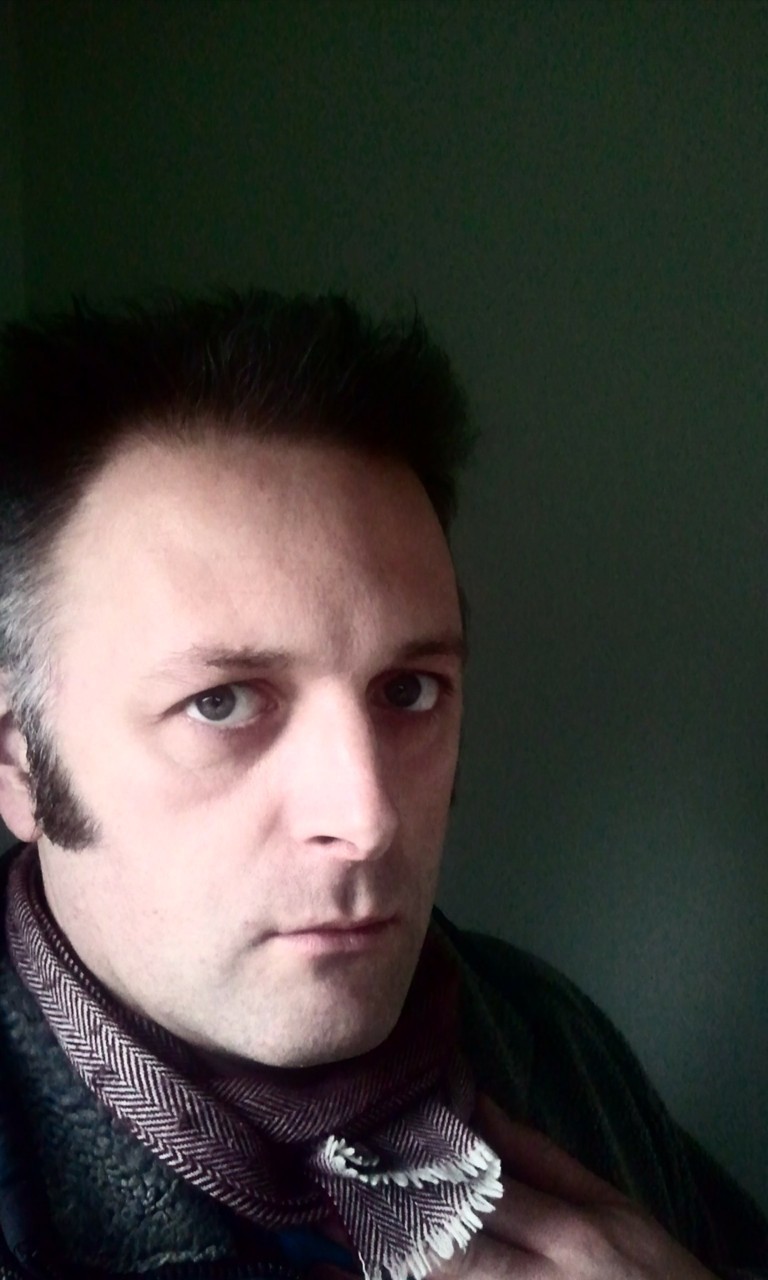
This is my attempt at following Molly Peck’s directions for a self portrait:
“(written for a right-handed person; if you are left-handed, please mirror the directions; if you have limited dexterity or mobility, a tripod or camera placed on windowsill will work as well) Use a camera (or lens) that will allow you to focus fairly close (arm’s-length) If you choose to wear a garment, choose something that says as little as possible about time and place and identity. Locate a window that provides enough sunlight to act as your only light source (if you have several to choose from, try them all to see which light you like best. Extra points if your window is near a corner so that a second wall will be at your back if the window is on your right) Raise the blinds, open the curtains…let in the sunlight. Stand with your right side almost touching the window sill. Step back the length of your foot, then sit on the floor. (If there are objects behind you that can be easily moved, move them out of the frame) Place your right elbow on the window sill, holding your camera aimed at your face from slightly above and to the right (it may be easier to let the back of your hand touch the window glass). Think posture thoughts (a balloon attached to the top of your head?) to elongate your neck even if you are in a slouching or crouched position. If you (like me) easily get a double-chin in pictures (only if you don’t like it!), think about invisibly smoothing your double-chin-prone area forward into space. Try not to say anything specific with your mouth. Place the pad of your left middle or index finger, if they are available to you, into the hollow above your collarbone. Convey longing in all of your fingers. Look down with your eyes (or close your eyes), and think about crushing disappointment (either feeling it, or causing it). Inhale. Exhale. Relax your shoulders. Just as you are about to press the shutter, look directly up into the center of the lens (as if you are actually looking into eyes that matter very much to you) while remembering our capacity for forgiveness. Press the Shutter. That’s it. The tumblr tag feature doesn’t work very well, so please let me know via ask if you post one so that I can share it. Feel free to tag it GuestDirectedSelf also (it couldn’t hurt, right?). Everyone who participates in this self-portrait will have a turn to direct a self-portrait for everyone else (I’ll figure out the logistics of that shortly– maybe guest-director order will be dictated by order in which first-participation-shots are received?)”
You can read more about the project here and see the other submissions for this prompt here.
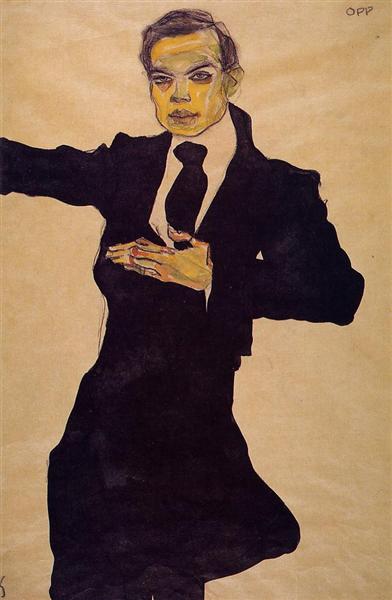
Portrait of artist Max Oppenheimer by Egon Schiele
 Paul Greer