
“Compilation of the first depictions of dodos (Raphus cucullatus) on the island Mauritius (Indian Ocean), made during the voyage of the VOC Gelderland in 1602. The caption says “These birds are caught on the island of Mauritius in large quantities because they are unable to fly. They are good food and often have stones in their stomachs, as big as eggs, sometimes bigger or smaller, and are called ‘griffeendt’ or ‘Kermis goose’.” (Fuller, Errol: Dodo – From Extinction To Icon, 2002)”
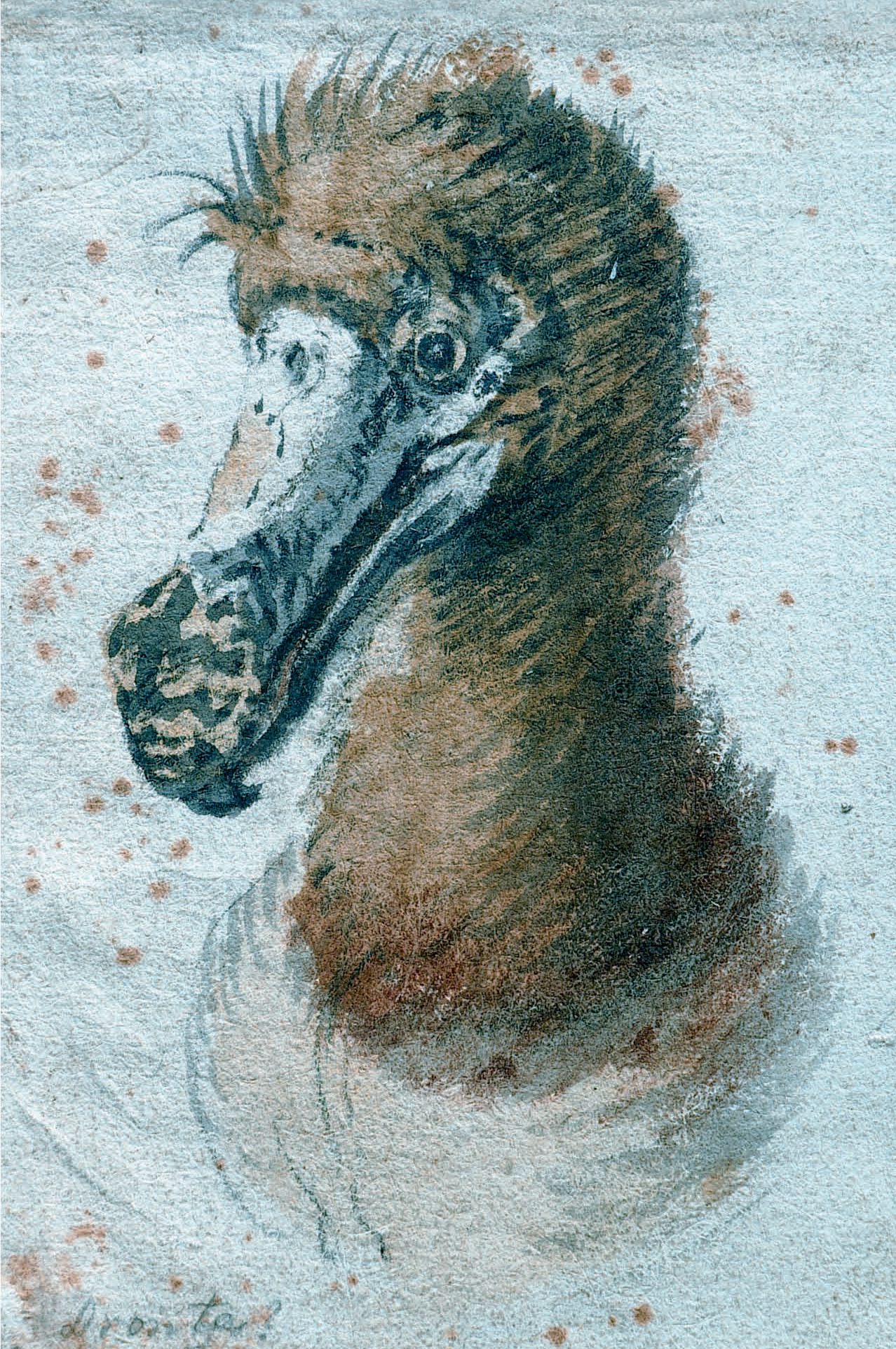
“Dodo specialist Julian Hume argued that the nostrils of the living dodo would have been slits, as seen in the Gelderland, Cornelis Saftleven, Savery’s Crocker Art Gallery, and Ustad Mansur images. “
via Dr Nick Crumpton
Also in observation:
- monsieur rené magritte, interview
- DA VINCI’S BLOBS
- How to be an Explorer of the World
- Frederic Edwin Church, Iceberg studies, 1859. Drawings.

