“What was the comics scene like in Argentina…”

“..in this period in the 1950s and early ’60s? You were there with all these people I’ve already mentioned along with Oscar Zàrate and so many others. From reading about it, it feels like this was a really creative and dynamic time.”

munoz

– “Yes, it was a paradise. There were different languages, backgrounds, cultural viewpoints that were circulating around and trading funny and/or tragic stories with each other. The stories mixed together fluidly, spontaneously, through films, historietas, literature, and radio. There, reality and imaginative fiction and other fantastical stories came together to produce an intimate mix that, it seems to me, encouraged us greatly. We lived near, and in, the wide open spaces of the Argentine pampa lowlands, something that needed us to fill it with stories. I and others believed that everything that we read, watched, and listened to was happening to us, was happening there. Parallel realities leapt out from the pages and the screens into our surroundings, into our souls. Argentina tried, but did not fully succeed, in making immigrants forget their pasts. And Buenos Aires was infused with a cosmopolitan atmosphere; we were and we could be, anywhere. Calé, Arlt, Ferro, Borges, Solano López, Hudson, Dickens, Bradbury, Monicelli, Bergman, Bioy Casares, Oesterheld, Breccia, Pratt, Roume, Chandler – they all spoke to us of Buenos Aires, of Argentina, and of the world that surrounded us from the pampa to Irkutsk, being everywhere all at once. I suppose it was the same in New York. I imagine it that way as well, feverish.”
José Antonio Muñoz

NOTEPAD-2017-WEEKS-30-33

We’ve been away and I have been keeping of the internet to a degree (it always catches up with you though) so I have drawings and things all backed up and out of sequence.

This still works thought, the assembly is automatic from my bookmarking and music listening so it just takes a bit of finessing and it’s ready to go.

This is working for me now in a way that Tumblr used to.

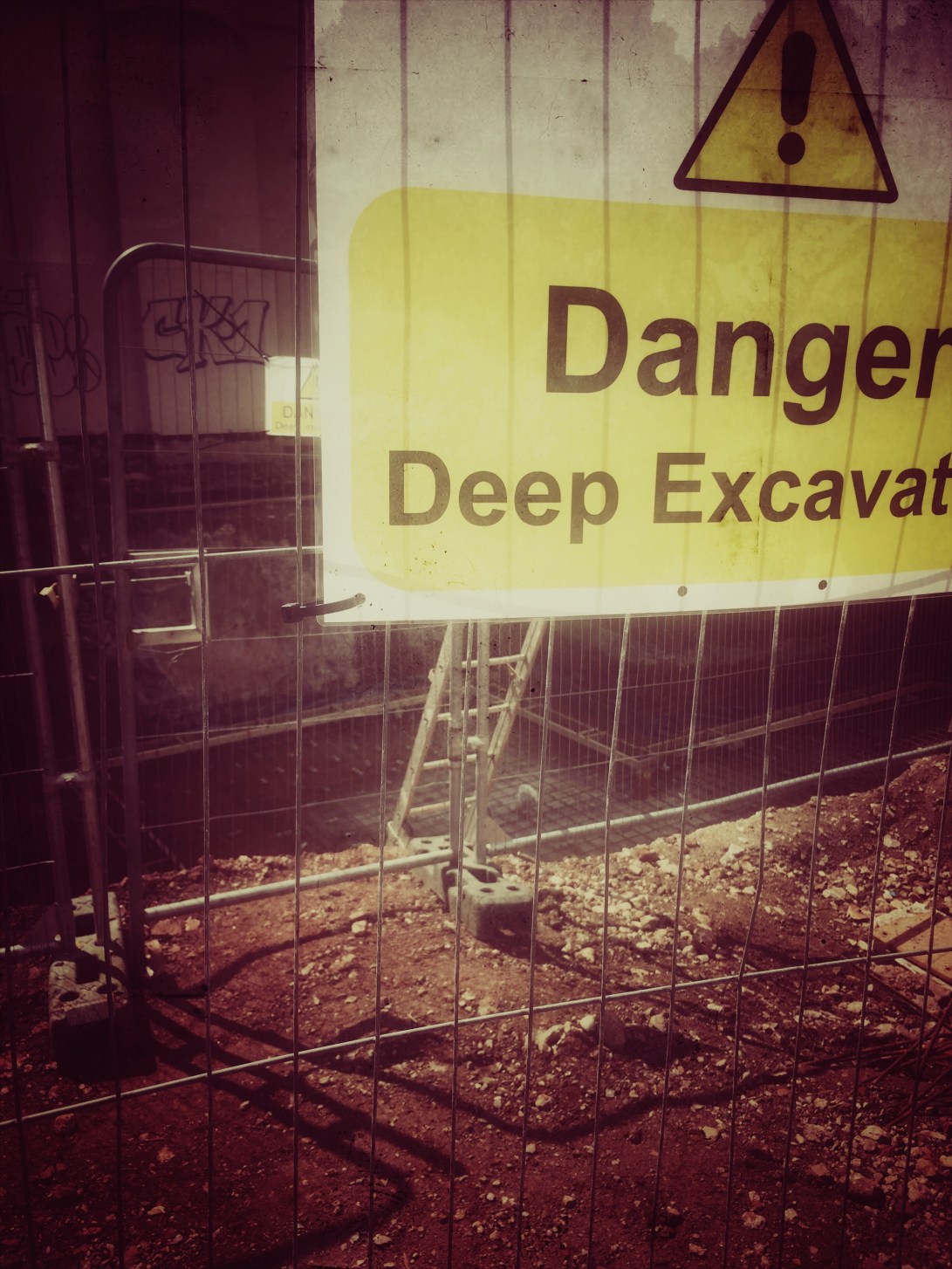
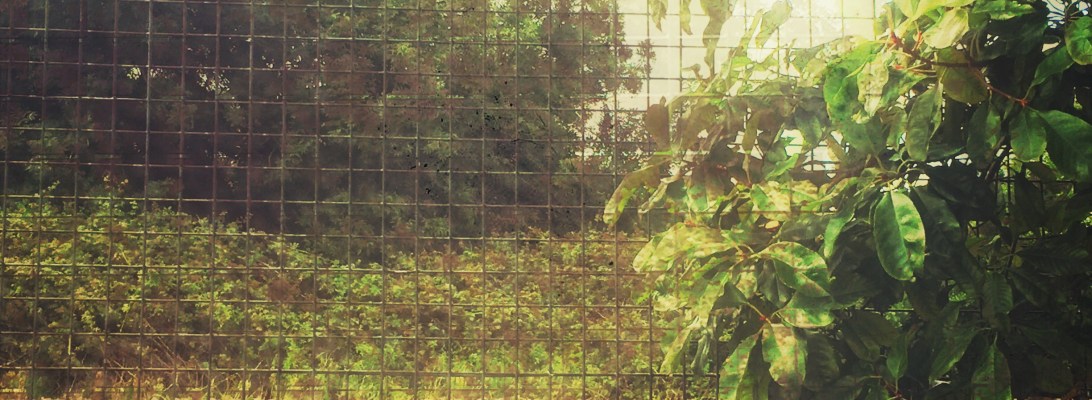
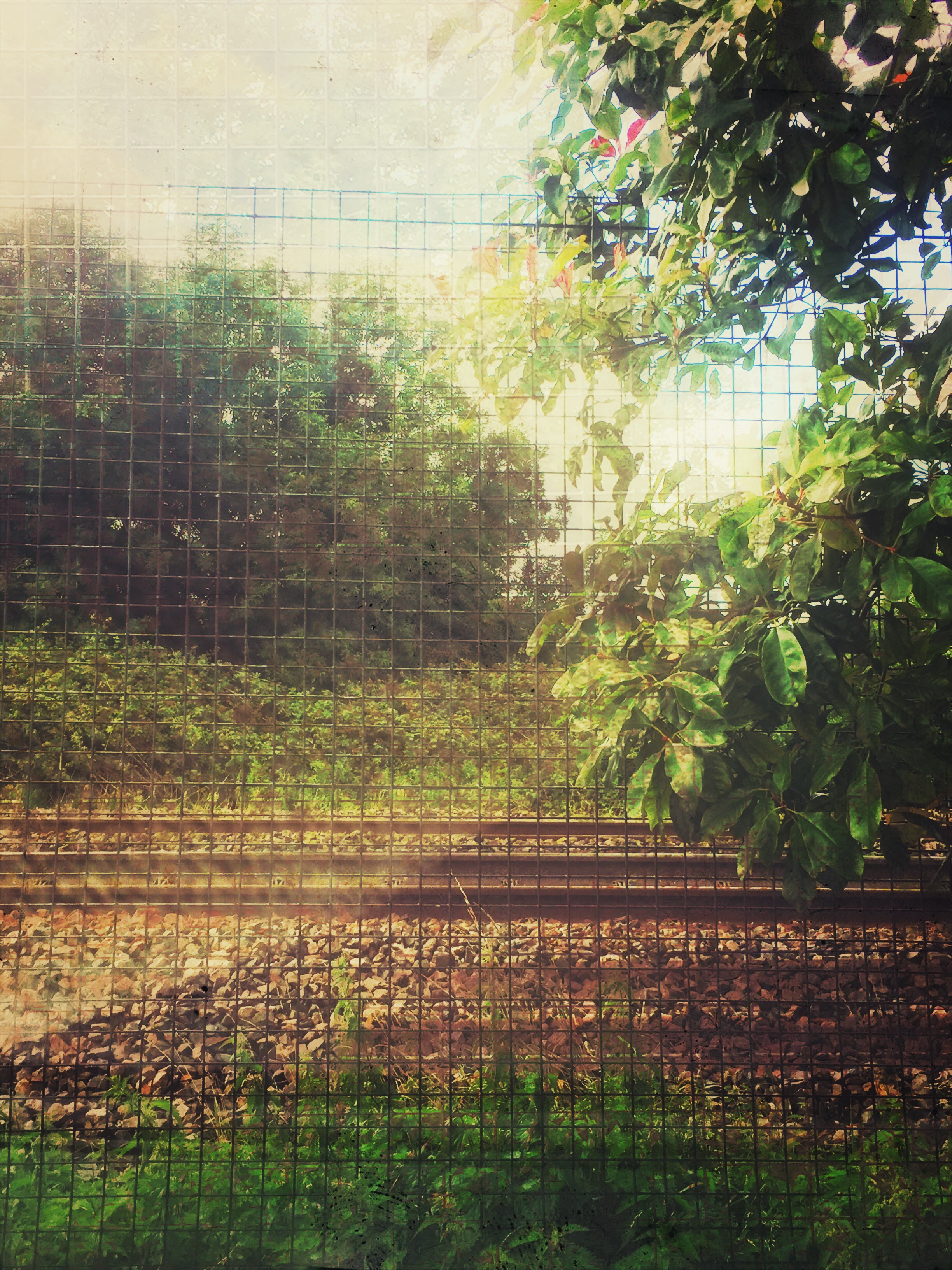
The image is of the railway line at Collumpton Services where we stopped on the way back from Cornwall.

Be warned there’s a lot of politics this time but it’s been difficult to avoid.

Some things have to be said.


Continue reading

On Anxiety and Practice.

This article, shared recently by an internet friend, outlines three methods of coping with anxiety that closely align with my procedures for increasing artistic practice.

They are:

1. Do it badly

““Doing it badly”, without worrying about how it’s going to turn out, will not only make it much easier to begin, but you’ll also find that you’re completing tasks much more quickly than before. “


2. Wait to worry

“If something went wrong and you feel compelled to worry (because you think you screwed up), don’t do this immediately. Instead, postpone your worry – set aside 10 minutes each day during which you can worry about anything. If you do this, you’ll find that you won’t perceive the situation which triggered the initial anxiety to be as bothersome or worrisome when you come back to it later. And our thoughts actually decay very quickly if we don’t feed them with energy.”


3. Find a purpose in life by helping others.

“Being connected to people has regularly been shown to be one of the most potent buffers against poor mental health. The neurologist Viktor Frankl wrote: ‘For people who think there’s nothing to live for, nothing more to expect from life … the question is getting these people to realise that life is still expecting something from them.’”

NOTEPAD-2017-WEEKS-27-28

Here’s a round up of links and culture from  the last week. As ever I’m always debating whether I should share links and finds one by one like a Tumblr or just put them all in one post in a more of a newsletter type format, like this, often coming to the conclusion that this way is less annoying for the reader, in that it’s more easy to ignore in one go.

I want to blog more. This is me blogging more.

The above moving image was auto-generated for me by Google Photos.

It begins after the break.

Continue reading

“The Amphitheater of Eternal Knowledge,” Hamburg, 1595.


“The Amphitheater of Eternal Knowledge,” Hamburg, 1595.


“The Amphitheater of Eternal Knowledge,” Hamburg, 1595.


“The Amphitheater of Eternal Knowledge,” Hamburg, 1595.


“The Amphitheater of Eternal Knowledge,” Hamburg, 1595.

“The images, in other words, invite the viewer to engage in a meditation on the nature of the universe and on the links between the earthly and the divine, the corporeal and the spiritual. Of course, such a statement would be equally true of many other instances of early modern alchemical and Hermetic symbolism. I suspect that a lot of the meaning in these images and the text that accompanies them has actually been lost, due to the fact that alchemical practice depended upon face-to-face interactions (like the one between John Dee and Khunrath) which were never recorded. And this was precisely what was intended – the true secrets of early modern alchemy were intended for a small number of the “elect” and were elaborately concealed in complex and often inscrutable language when they were allowed into printed works.”

Benjamin Breen

see more on his excellent blog post.