
Here we go! http://my.sportrelief.com/sponsor/thegreers
“After Damon, Dunning began to lay plans for a feature based on Shakespeare’s The Tempest. Dunning had been unwell throughout the production of Yellow Submarine, and poor health continued to dog him. When he died in London on 15 February 1979, The Tempest remained sadly unfinished. The collated surviving material – black-and-white pencil tests, pose sketches, a few full-colour animation sequences – hints at a bold expansion of past techniques, with figures, landscapes, even the Shakespeare text, in perpetual flux.”
see also: Ubu

“The Codex Fejérváry-Mayer is an Aztec Codex of central Mexico. It is one of the rare pre-Hispanic manuscripts that have survived the Spanish conquest of Mexico. As a typical calendar codex tonalamatl dealing with the sacred Aztec calendar – the tonalpohualli – it is placed in the Borgia Group. It is a divinatory almanac in 17 sections.Its elaboration is typically pre-Columbian: it is made on deerskin parchment folded accordion-style into 23 pages. It measures 16.2 centimetres by 17.2 centimetres and is 3.85 metres long”

“The earliest history of the codex is unknown. It is named after Gabriel Fejérváry (1780–1851), a Hungarian collector, and Joseph Mayer (1803–1886), an English antiquarian who bought the codex from Fejérváry. In 2004 Maarten Jansen and Gabina Aurora Pérez Jiménez proposed that it be given the indigenous name Codex Tezcatlipoca, from the Nahuatl name of the god Tezcatlipoca (who is shown, with black-and-yellow facial striping, in the centre of its first page), although it is not certain that its creators were Nahuas.
It is currently kept in the World Museum Liverpool in Liverpool, England, having as its catalogue # 12014 M. It is published in Volume 26 of the series Codices Selecti of the Akademische Druck – u. Verlagsanstalt – Graz. It is believed to have originated specifically in Veracruz.”

“Codex Fejérváry-Mayer is an important cultural artifact from the pre-Cortes destruction of the Aztec capital Tenochtitlan. An Aztec Code from Central Mexico, it is one of very few manuscripts to survive the Spanish conquest. A typical calendar code (onalamatl), including an Aztec world calendar (tonalpohualli) – both part of a larger series of codes called Code Borgija – it’s design is characterized by pre-colombian influence. It’s made of parchment and chamois, and folded like an accordion, stretching over twelve feet long when unfurled.”

“The earliest history of the code is wrapped in darkness, it became known as Codex Fejérváry-Mayer after the Hungarian collector (Fejervaryju) and benefactor from Liverpool (Mayer) who acquired the piece. Most experts agree the true name was probably Code Tezcatlipoca, the name of the Nahuatl people’s god.”


via MagicTransistor
“Little more than a slithering, turbulent, electrifying riff over which Iggy yelps his most histrionic yowl, “Shake Appeal” was originally titled “Tight Pants,” in which form it has since materialized on a string of Raw Power session compilations.The song was written in stark emulation of the untrammeled roar that first drew Iggy Pop to rock & roll, the sound of dragsters racing around the track, while Jerry Lee Lewis, Link Wray, Gary “U.S.” Bonds, and Cannibal & the Headhunters blare from the jukebox — “that’s the kind of shit that would light a fire under my tree,” Iggy enthused. “Let’s get some fucking action here!” “Shake Appeal” delivers precisely that.”
see also:
RIP Ron Asheton


“This plaque to Emily Wilding Davison was put up in the Chapel of St Mary Undercroft by Tony Benn MP.
Tony Benn said in the House of Commons in 2001: ‘I have put up several plaques—quite illegally, without permission; I screwed them up myself. One was in the broom cupboard to commemorate Emily Wilding Davison, and another celebrated the people who fought for democracy and those who run the House. If one walks around this place, one sees statues of people, not one of whom believed in democracy, votes for women or anything else. We have to be sure that we are a workshop and not a museum.'”


“Handwritten in ink. From the 18th century, and perhaps even earlier, hollow eggs on which sacred texts had been written in micrography were used to decorate European sukkahs. Not all the texts related directly to the holiday of Sukkot, the Festival of Booths: this example has Song of Songs 1-4:7 inscribed in miniscule letters. At times feathers were added to the hanging egg, so that it looked like a bird in flight.”
— via whiteshiningsilver
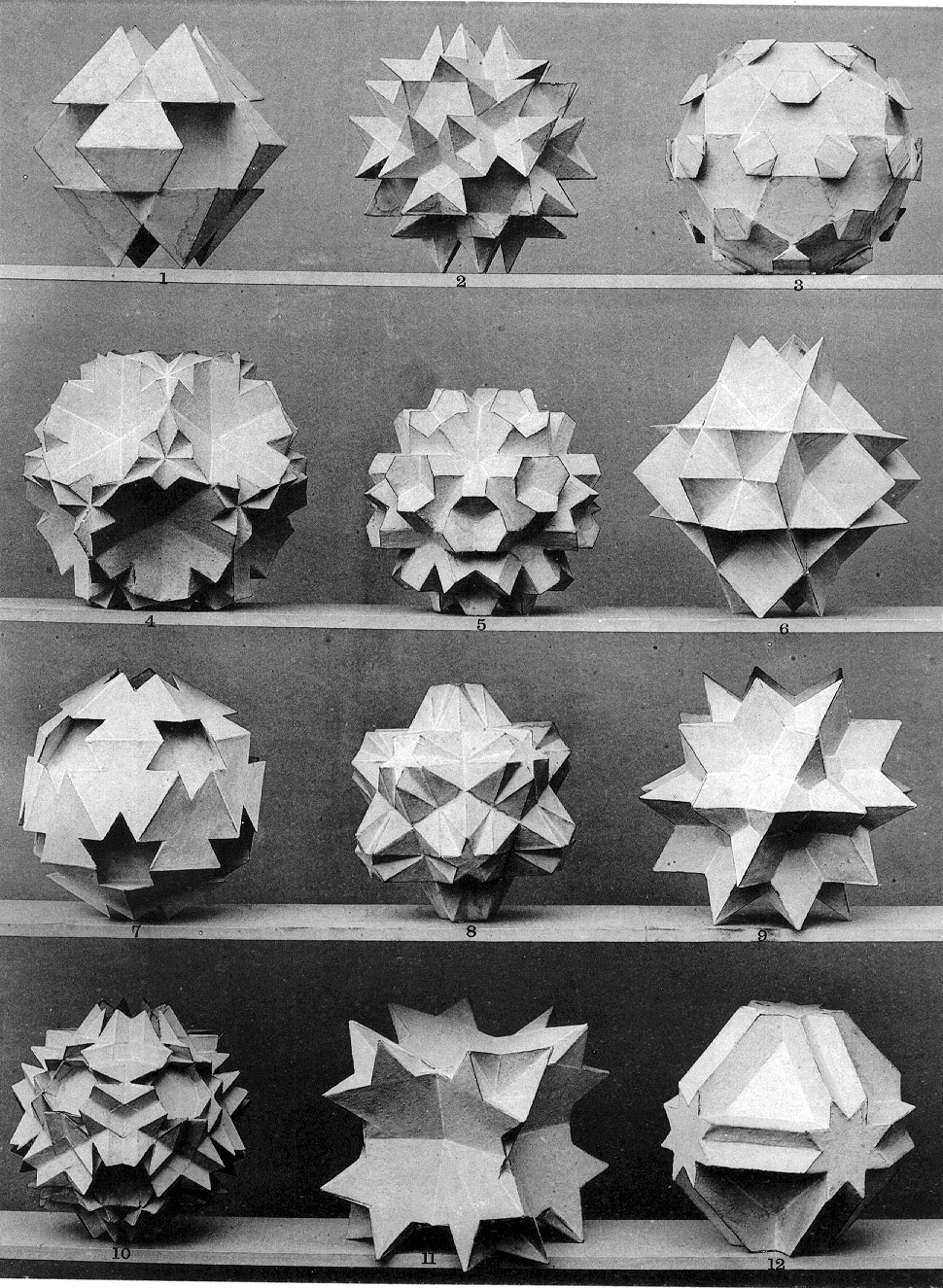
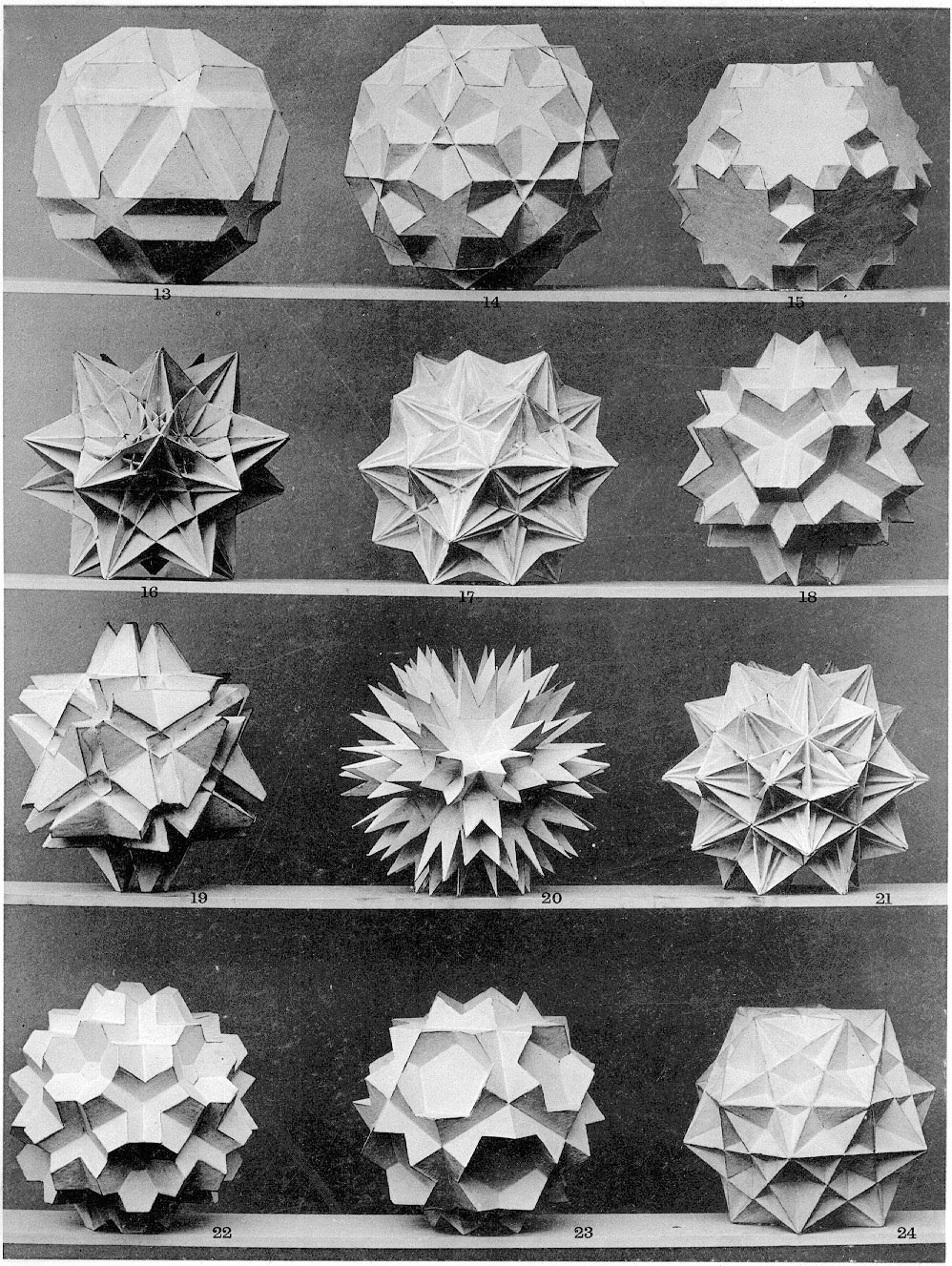
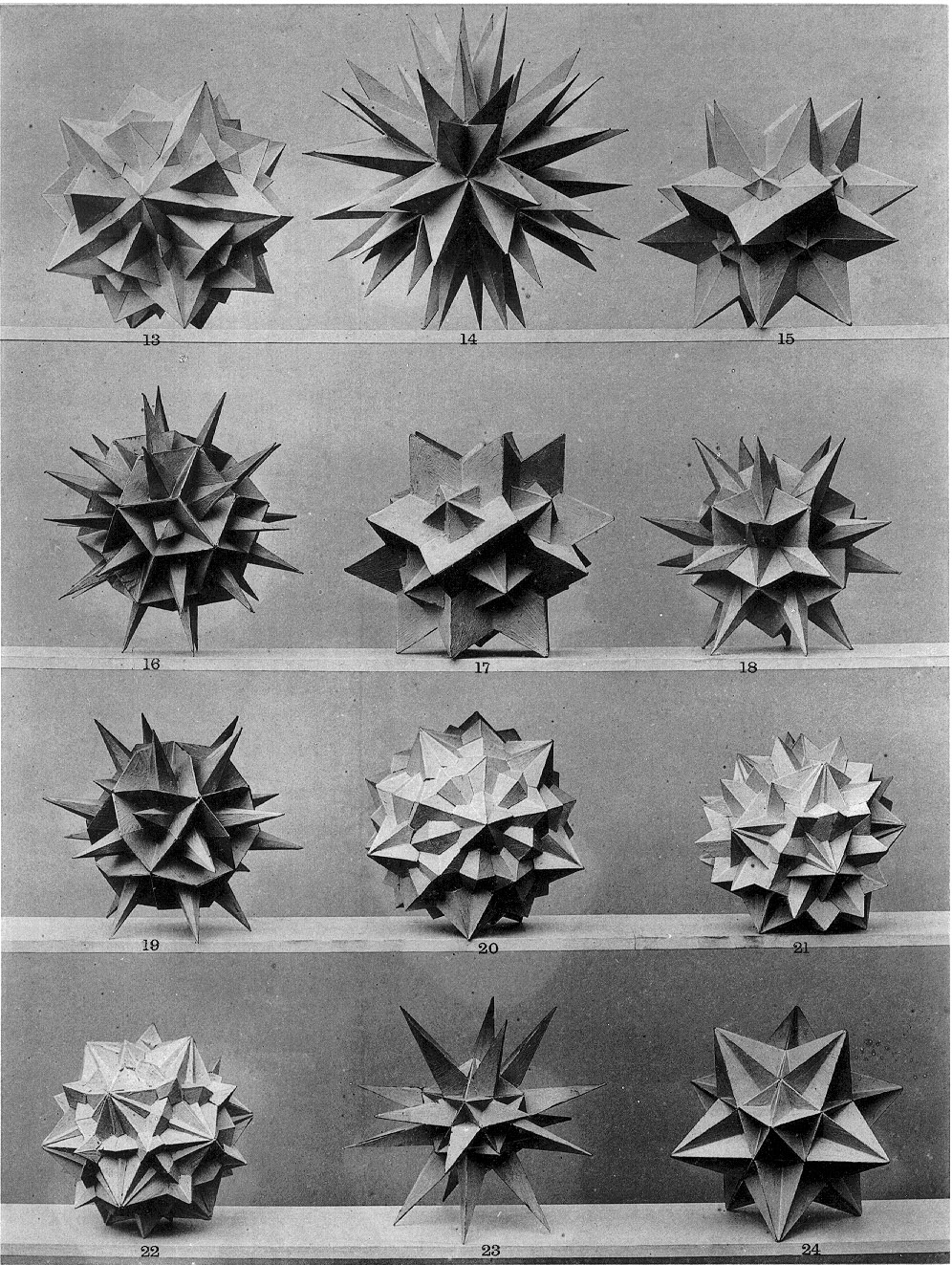
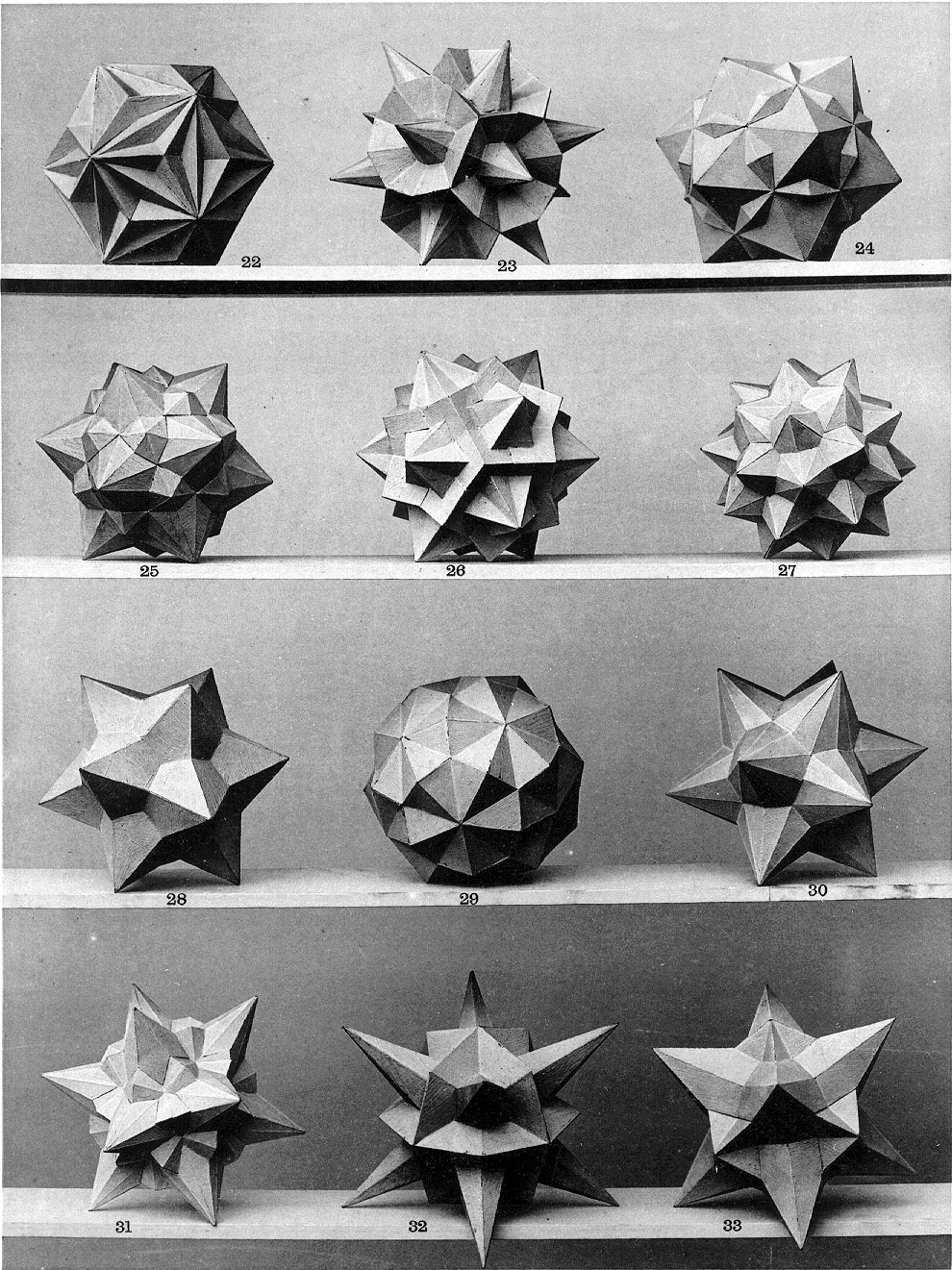
“Regular convex polyhedra, frequently referenced as “Platonic” solids, are featured prominently in the philosophy of Plato, who spoke about them, rather intuitively, in association to the four classical elements (earth, wind, fire, water… plus ether). However, it was Euclid who actually provided a mathematical description of each solid and found the ratio of the diameter of the circumscribed sphere to the length of the edge and argued that there are no further convex polyhedra than those 5: tetrahedron, hexahedron (also known as the cube), octahedron, dodecahedron and icosahedron.”
reblogging rudygodinez
 Paul Greer