drawing
/ˈdrɔː(r)ɪŋ/
noun
1. a picture or diagram made with a pencil, pen, or crayon rather than paint.
“a series of charcoal drawings on white paper”
synonyms: sketch, picture, illustration, representation, portrayal, delineation, depiction, composition, study, diagram, outline, design, plan, artist’s impression; tracing
“he did a pencil drawing of the house”
2. an instance of selecting the winner or winners in a lottery or raffle.
“entrants need not be present at the drawing”
getting the hand to lead the brain, rather than letting the brain lead the hand
“My drawings don’t start with a ‘beautiful mark.’ […] It has to be a mark of something out there in the world.
It doesn’t have to be an accurate drawing, but it has to stand for an observation, not something that is abstract, like an emotion.”
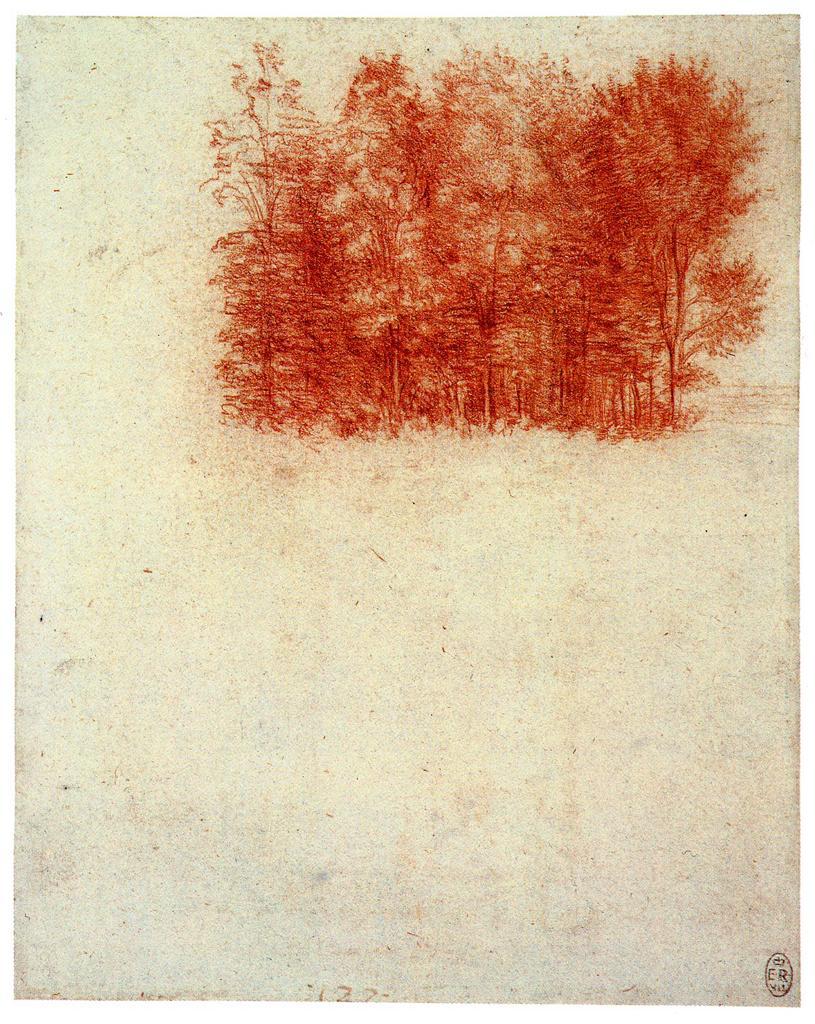
LEONARDO DA VINCI (VINCI 1452-AMBOISE 1519) Recto: A copse of trees. Verso: A tree c.1500-10
Head of a Young Woman – by Leonardo Da Vinci (1508)

Sketches of the moon from Galileo’s “Sidereus Nuncius,”

“The Latin word nuncius was typically used during this time period to denote messenger; however, it was also (though less frequently) rendered as message. Though the title Sidereus Nuncius is usually translated into English as Sidereal Messenger, many of Galileo’s early drafts of the book and later related writings indicate that the intended purpose of the book was “simply to report the news about recent developments in astronomy, not to pass himself off solemnly as an ambassador from heaven.”Therefore, the correct English translation of the title is Sidereal Message (or often, Starry Message).”
on Leonardo
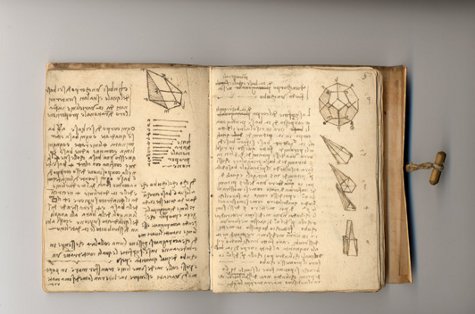
“He frequently wrote on loose sheets of paper that he kept barely organized; he made his own “notebooks” by folding the sheets and wrapping them in fabric. But when he turned thirty he also began writing in leather-bound journals. And he carried small bound notebooks with him at all times. He kept these tiny 3.5X2.5 notebooks tied to his belt, always at the ready for his thoughts, observations, drawings, and ideas.”
Trying to draw horses on a rainy day.
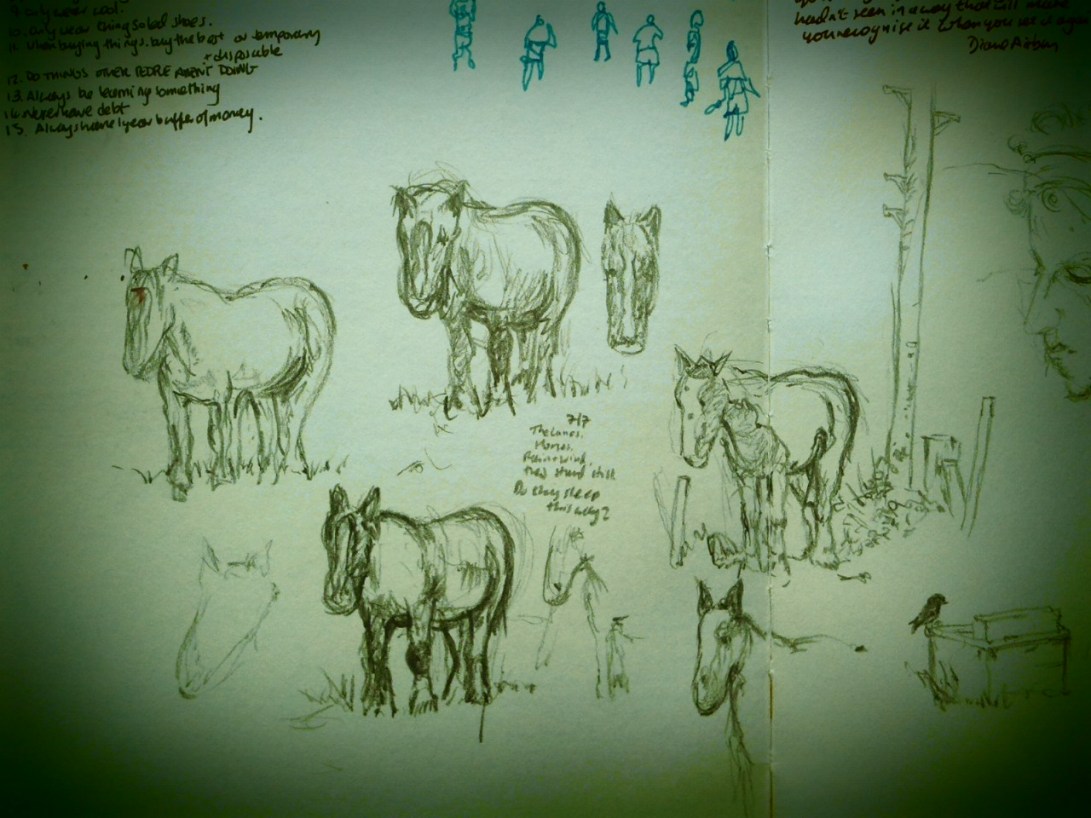
They’re standing nice n’ still though.
Pablo Picasso: Portrait of Igor Stravinsky, May 24, 1920 – pen
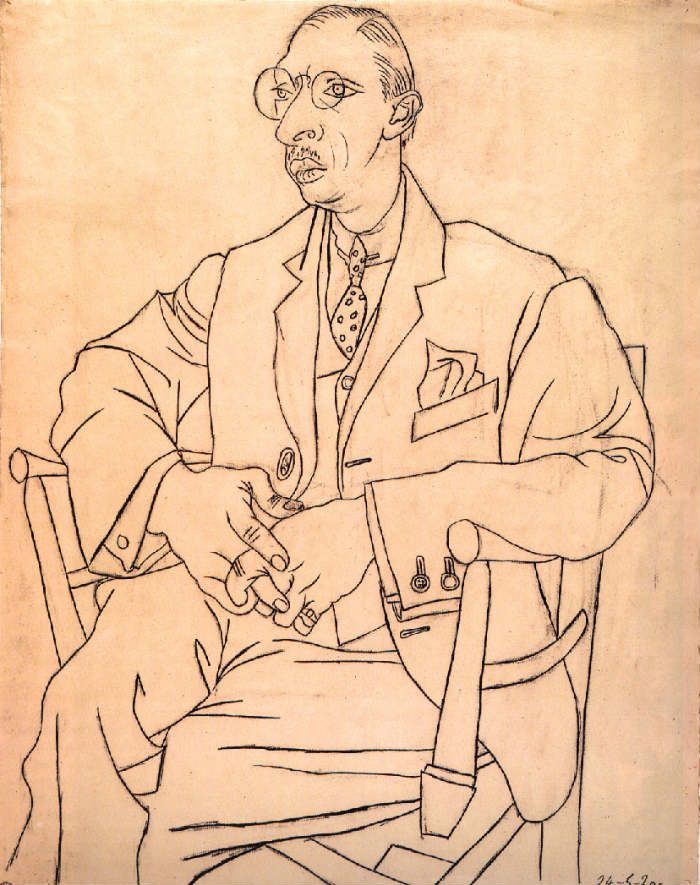
In 1917, Stravinsky met the great artist Pablo Picasso in Italy. While visiting him, Picasso drew a picture of Stravinsky. Igor packed it in his luggage to bring back to Switzerland.
When the customs officer inspected the suitcase, he thought the portrait was a spy plan. Their conversation went like this:
“What is this sketch?”
“My portrait drawn by Picasso.”
“Nonsense. It must be a plan.”
“Yes – the plan of my face.”
via cmuse
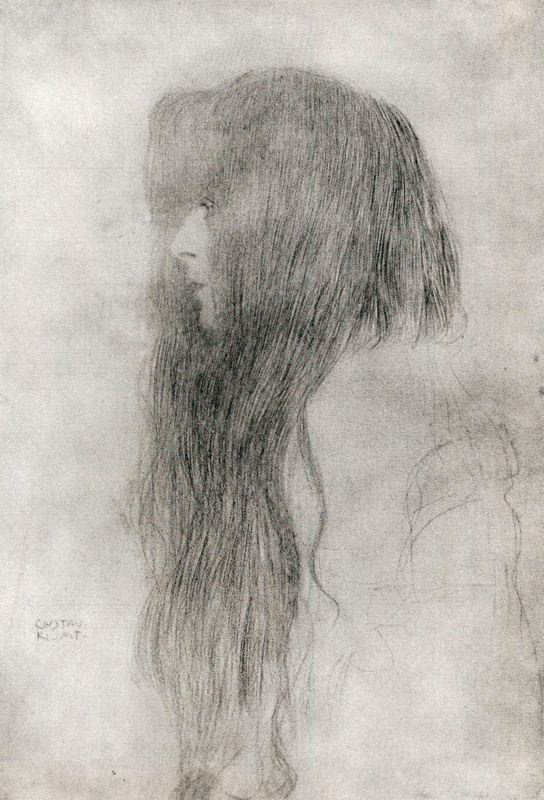
Gustav Klimt Woman in Profile 1898-99
 Paul Greer