We’ve had a rocky week here in the UK, ICYMI (unlikely).
There’s a lot of anger and resentment on all sides, and it becomes difficult to pull yourself away from the news stream because of the speed with which things are developing.
But we are where we are.
In a recent Guardian panel Paul Mason was asked to give one reason why he thought the Leave vote had won, he said this (I’ve typed it down as best I could from the audio):—
“Many people in this room.//who voted, like me, to remain will be going through a kind of existential crisis of the self, in the sense that the institution we have based our lives around is the EU. It’s the source of our law, it’s the source of our democracy, in as far as there is any, but also it underpins our opinions of social justice. Many of our life chances have gone, some of our young people feel as though their life chances are over, and our sense of self, of who we are, as europeans has been completely challenged by this.
Well.
That’s how it feels to be working class.
If in twenty years time your kids are offered the chance to ‘get one back’ against the people who did this to them, in one single vote, that’s what they’ll do.”
I’m hoping one thing that can come from this is that we learn to understand and listen to ourselves better as a country.
This is the first time I’ve managed to draw anything since last Thursday.
“It took just 10 years from scribbling this in prison, as leader of a banned party, for Hitler to achieve power. That happened, primarily, because the German economy collapsed and because no major power was willing to enforce the world “order” established at Versailles in 1919. But it also happened because, by the mid-1930s, a lot of people had begun to hate each other.
Since 1945, every generation in the educated world has been taught “the lessons” of the rise of Nazism. But surveying the world at the start of 2016 it seems as if we have been learning the wrong lessons. The world is awash with hatred. And since around a quarter of its inhabitants have mobile social media accounts we are leaving a very detailed evidential trail about its spread.”
“In Syd Field’s book about screenwriting, he said to take a phrase that must sing throughout the film and tape it to your typewriter. And here that phrase is “Europe smashed the first left government in modern history. The politicians made mistakes, but the people were always really strong.” That’s what it’s about.”
Ah, January, with your sobriety and need for useful activity. I suppose we better do you.
I have a list of overlong posts to make, I got backed up a little with various things happening towards the end of the year, I’ll make it easy for myself by starting with a Round Up Of Things type post.
WolfandFox posted this clip from Judex. We got shown this film at art college and it had a profound effect on me. This sequence stood apart somewhat, it’s like film from another planet, doesn’t try to explain itself too much. I like that.
This clip from Paul Mason, an off the cuff rant on his frustration with another banking corruption story, from someone who follows world finance as closely as he does. It won’t stop happening, despite what they say.
I spent a bit of time in South Shields during November. It’s a lovely place.
Social media offer a single profile for our singular identity, but our consciousness comprises multiple forms of identity simultaneously: We are at once a unique bundle of sense impressions and memories, and a social individual imbued with a collectively constructed sense of value and possibility. Things like Facebook give the impression that these different, contestable and often contradictory identities (and their different contexts) can be conveniently flattened out, with users suddenly having more control and autonomy in their piloting through everyday life. That is not only what for-profit companies like Facebook want, but it is also what will feel natural to subjects already accustomed to capitalist values of convenience, capitalist imperatives for efficiency, and so on.
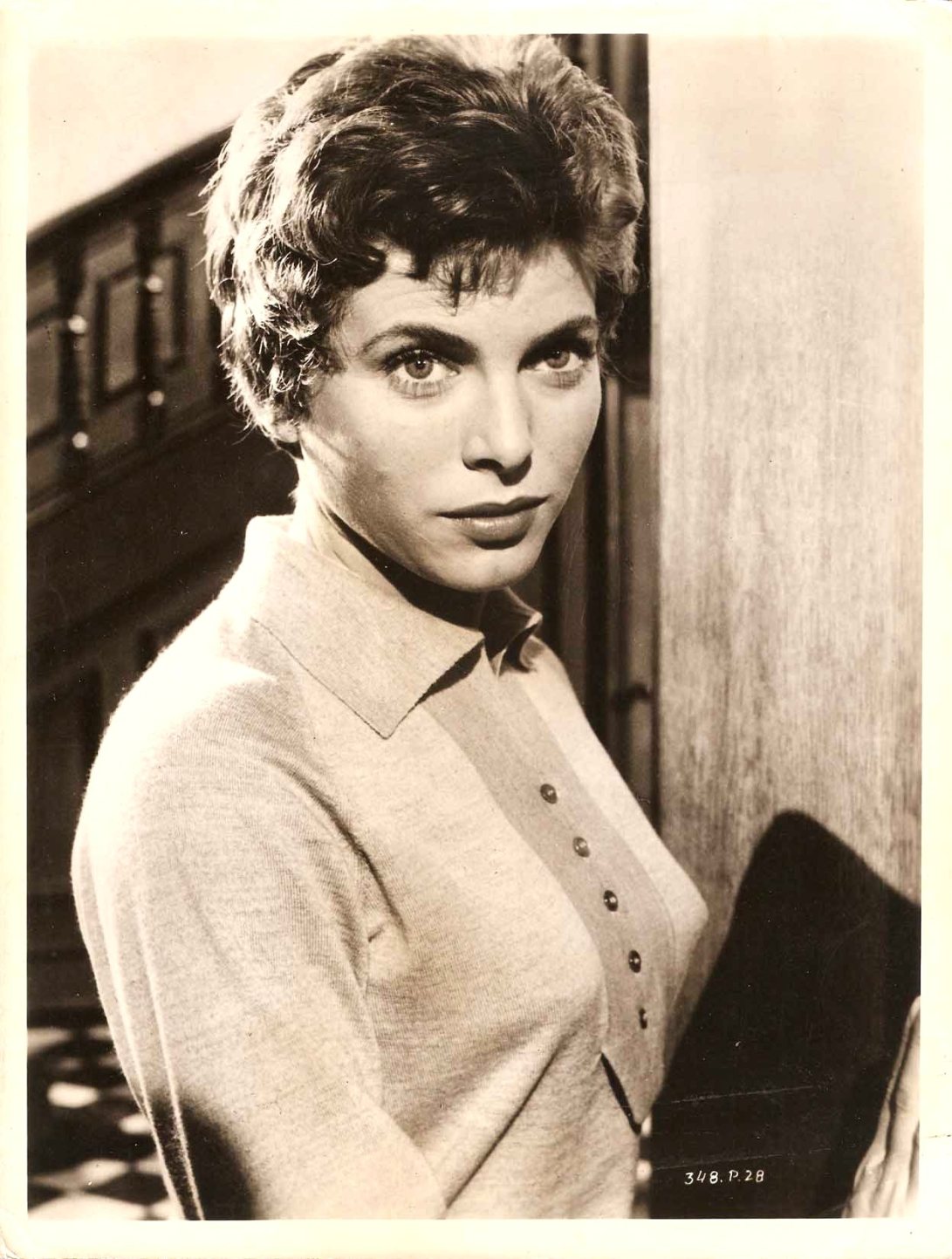
The magnificent Billie Whitelaw past away, Samuel Becket’s Perfect Actress. How can you not watch this and be transported to another place. (#FilmFromAnotherPlanet)
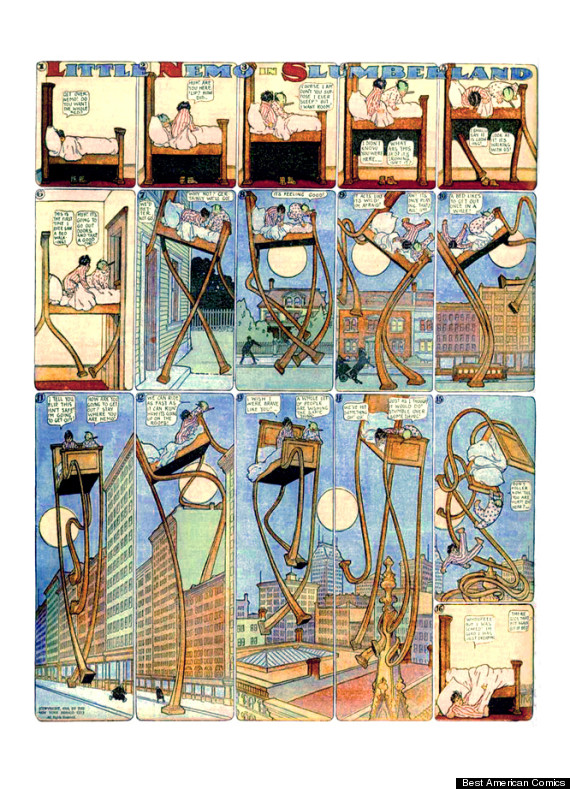
Bill Kartalopoulos wrote a great piece on why comics are more important now than ever, in which he refers to Professor Maryanne Wolf‘s idea of the bi-literate brain. It includes an interesting breakdown of this classic page by Windsor McCay.
via Huff Post
“Robert Frost famously described poetry as the thing that gets lost in translation. It’s not hard to imagine the story of Little Nemo’s galloping bed adapted into full blazing CGI, and certainly much would be added. Digital texture artists would show us what kind of wood Nemo’s bed is made from (oak? teak? cherry wood?); the wind would ruffle convincingly through Nemo’s hair as his face registered every gradation of delight and terror (the recent cgi Peanuts trailer suggests some possibilities). But what would be lost in this translation from one form to another would be the poetics of comics: the aesthetic experience of simultaneously experiencing a comic’s form and content so harmoniously that the contours of the comic’s theme can be read in its architectural blueprint.” (via)
Matt Fraction wrote this about why he is easing off Twitter. It’s a sobering read. Encourages me to want to post on here more.
I have been keeping a Winter 2014 playlist. It’s already quite long as I feel I have been catching up with autumn. (There’s a more comprehensive version on Whyd, but that doesn’t seem to embed here.)
All thru the gateway now, yes? Happy New Year, Planet Earth! Arbitrary time for restarts but goodness knows a few of us could do with one. x
Adam Curtis made this chilling short film for Charlie Brooker’s round up of last year. It definitely should’ve gone out instead of the Christmas speech.
Not sure how the embeds are coming across in different reading applications, but to be honest I don’t really have that many readers that it matters. If it does, and you’re missing stuff let me know.

 Paul Greer